Cancer prevention · October 20, 2026
Six ways to score a healthy diet, 118,056 British adults, 13 years of cancer records: five of the scores went with less bowel, lung or kidney cancer. The low-carb score went with none
Nutrition scientists have built a shelf of diet scores: Mediterranean, DASH, anti-inflammatory and more. A UK Biobank study put six of them side by side against 14 kinds of cancer. The overlap between them turned out to be more telling than the winner, and the one score that never showed up deserves a second look.
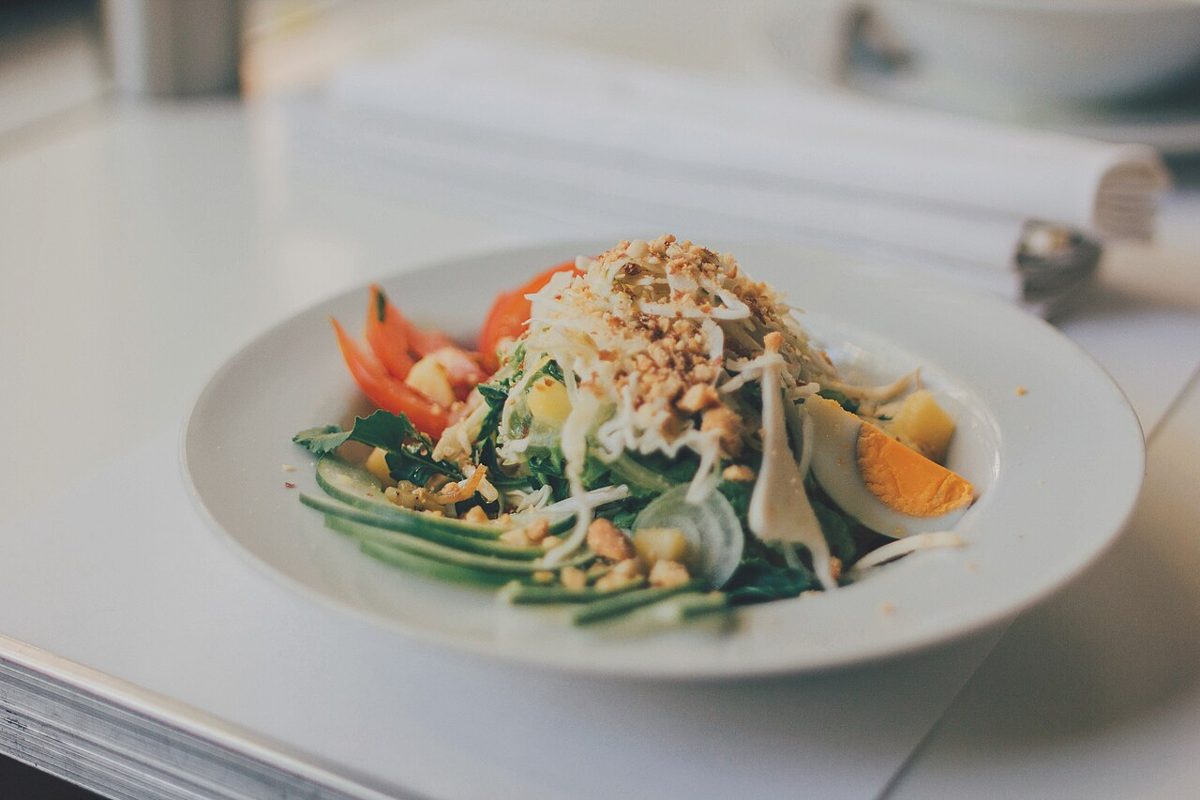
Ask five nutrition researchers what a healthy diet is and you may get five scoring systems. The alternate Mediterranean score counts olive oil, fish, legumes and the like. DASH was built to lower blood pressure. The Alternative Healthy Eating Index (AHEI-2010) was designed to track chronic disease. The Dietary Inflammatory Index rates food by how it nudges inflammation, a composite antioxidant index adds up six antioxidant nutrients, and a low-carbohydrate score rewards fewer carbs and more fat and protein. A study published on 8 October in Frontiers in Nutrition asked how each of these lines up with who gets cancer.
The researchers used UK Biobank, the long-running study of middle-aged British volunteers. They took 118,056 people who were free of cancer at the start and had filled in at least two online 24-hour diet recalls, scored each person on all six systems, and followed them through cancer registries for a median of 13.2 years. In that time 21,136 people were diagnosed with a cancer. The team looked at cancer overall and at 14 specific sites, from bowel and lung to breast, prostate and pancreas.
The headline result is a list of eleven diet and cancer links that held up in unadjusted and fully adjusted models (age, sex, smoking, alcohol, BMI, calorie intake, deprivation, activity, sleep and existing illness), and after dropping cancers diagnosed in the first one, three or five years (a check that early, undiagnosed illness wasn't changing people's diets). Ten of them clustered in three places. For bowel cancer, people in the top quarter of the AHEI score had about 23% fewer cases than those in the bottom quarter, and DASH showed a similar pattern. For lung cancer, the top AHEI quarter had about 26% fewer cases. For kidney cancer, all five of the plant-leaning scores counted: the top quarter had roughly 30% to 36% fewer cases, depending on the score.
The low-carbohydrate score was the odd one out. It had no robust link with any cancer, and for bowel and lung cancer its estimates leaned, not significantly, the other way. That fits with what the score measures. The other five reward vegetables, fruit, wholegrains, legumes and fibre in one way or another; the low-carb score rewards cutting carbohydrate, which can mean cutting exactly those foods.
The study is careful not to crown a winner. When the authors formally compared DASH with AHEI-2010 for bowel cancer, the difference was not significant. Their view is that the scores overlap so much that the gaps between them may say more about how each was built than about the food itself. Read that way, the result is reassuring rather than confusing: several reasonable definitions of a good diet point the same way for the same cancers. For cancer overall, though, the only link was tiny: about 1.6% lower risk per step up the anti-inflammatory score.
The usual limits apply. This is observational data, and lung cancer in particular is so tied to smoking that leftover confounding is hard to rule out. A handful of 24-hour recalls is a narrow window on a person's habits, 96.5% of the participants were White, and supplements and medicines were not adjusted for. The authors call their findings hypothesis-generating. The practical message is older than any score: a diet built on plants, wholegrains and fibre, with less processed meat, keeps coming up on the right side of these studies, whichever label is put on it.
Six diet scores and cancer risk in UK Biobank (118,056 adults, median 13.2 years of follow-up)
118,056
Cancer-free adults at the start, median age 57, each with at least two 24-hour diet recalls
21,136
People diagnosed with a cancer during a median 13.2 years of follow-up
11
Diet score and cancer pairings that held up after full adjustment and after dropping early diagnoses
−23%
Bowel cancer, top vs bottom quarter of the AHEI-2010 score (HR 0.774, 95% CI 0.675 to 0.888)
−26%
Lung cancer, top vs bottom quarter of the AHEI-2010 score (HR 0.745, 95% CI 0.614 to 0.904)
0
Robust cancer links for the low-carbohydrate diet score
Study: Gao L, Feng P, Shi G, Li Y, Ma B, Zhang C, Chen Y, Li S, Hu J, Wang L, Yan X, Shen P, Cao X, Wu B, 'Comparative associations of six predefined dietary patterns with site-specific cancer risk in the UK Biobank', Frontiers in Nutrition 2026, volume 13, published 8 October 2026, doi 10.3389/fnut.2026.1976233 (open access, CC BY 4.0). Diet from the Oxford WebQ online 24-hour recall (2 to 5 recalls per person, averaged). Scores, each standardised: alternate Mediterranean (aMED), AHEI-2010, DASH, composite dietary antioxidant index (CDAI), Dietary Inflammatory Index (E-DII, 27 of 45 components available, reversed so higher = less inflammatory) and a low-carbohydrate diet score (DRLCD). Outcomes: any cancer plus 14 sites (cervical cancer excluded, 52 cases). Fully adjusted hazard ratios per 1 SD: bowel AHEI-2010 0.916, DASH 0.892; kidney reversed E-DII 0.843, DASH 0.878, AHEI-2010 0.879, CDAI 0.881, aMED 0.892; lung AHEI-2010 0.890, aMED 0.909, reversed E-DII 0.921; any cancer, reversed E-DII 0.984 (0.969 to 0.999). Kidney cancer, top vs bottom quarter: HR 0.637 (CDAI) to 0.703 (reversed E-DII). DRLCD per SD: bowel 1.037 (0.989 to 1.087), lung 1.054 (0.987 to 1.126), not significant. DASH vs AHEI-2010 for bowel cancer, ratio of HRs 0.974 (0.938 to 1.009), not significant. Observational; 96.5% White; no adjustment for medicines or supplements. No external funding; no conflicts of interest declared.
- UK Biobank recruited about 500,000 people aged 40 to 69 across England, Scotland and Wales between 2006 and 2010, and links them to hospital, cancer and death records. Approved researchers anywhere can apply to use the data, which is why so many diet studies come from it.
- In the original DASH trial in 1997, 459 adults ate a diet rich in fruit, vegetables and low-fat dairy for eight weeks. Their blood pressure fell by 5.5/3.0 mmHg more than on a typical American diet, and by 11.4/5.5 mmHg in those who already had high blood pressure.
- The AHEI-2010 score was built at Harvard from foods and nutrients that predict chronic disease. In over 100,000 US nurses and health professionals, people in the top fifth of the score had 19% lower risk of major chronic disease than those in the bottom fifth.
- In 2015 the World Health Organization's cancer agency (IARC) classed processed meat as carcinogenic to humans, estimating that each 50 g eaten a day raises the risk of bowel cancer by about 18%.
- Comparative associations of six predefined dietary patterns with site-specific cancer risk in the UK BiobankFrontiers in Nutrition, October 2026 · The study: full text, open access
- UK Biobank: An Open Access Resource for Identifying the Causes of a Wide Range of Complex Diseases of Middle and Old AgePLOS Medicine, 2015 · How UK Biobank was set up
- A Clinical Trial of the Effects of Dietary Patterns on Blood PressureNew England Journal of Medicine, 1997 · The original DASH trial
- Alternative Dietary Indices Both Strongly Predict Risk of Chronic DiseaseJournal of Nutrition, 2012 · Where the AHEI-2010 score comes from
- Carcinogenicity of consumption of red and processed meatThe Lancet Oncology, 2015 · The IARC classification of processed meat
General information, not medical advice. This was an observational study, so it shows links between diet scores and cancer, not that any diet prevents cancer. Diet is one part of cancer risk alongside smoking, alcohol, weight, activity, family history and screening. If you are worried about your risk or want to change your diet because of a health condition, talk to your doctor or a registered dietitian.
Analysis by NutroPractic from the sources listed. Written for general readers; it does not replace advice from your own doctor.
From our articles
Our guides on this subject
Plain-language guides on nutrition and wellness, backed by research.
Gut health
Probiotic capsules: which ones have trial evidence, what they can do, and when to skip them
Children on antibiotics: 8% got diarrhoea with a probiotic, 19% without. Older hospital patients: 10.8% with, 10.4% without. Which capsules have evidence, what three guidelines say about IBS, what a course costs per case prevented, and who shouldn't take them.
2 Nov 2026
Gut health
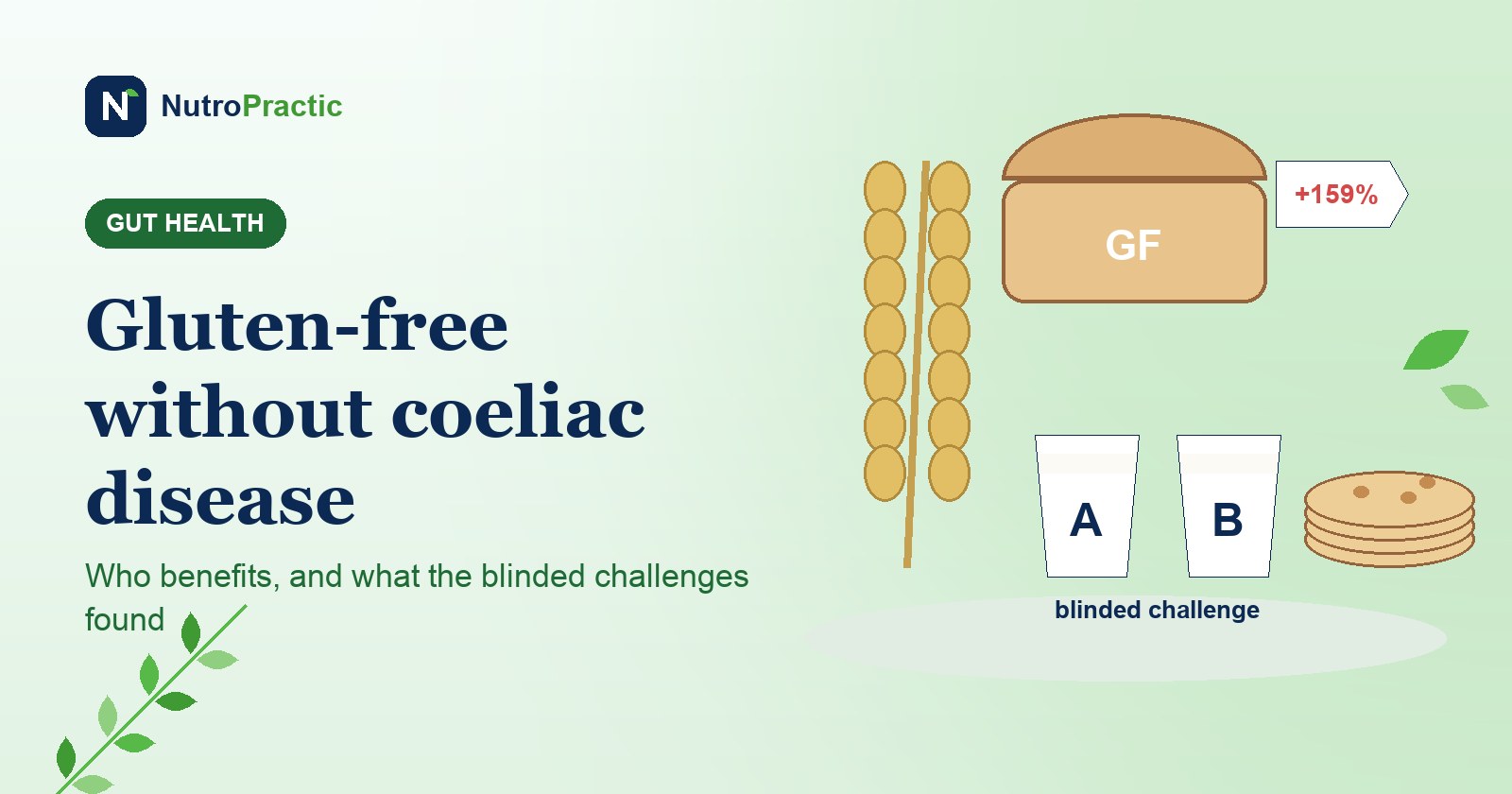
Gluten-free without coeliac disease: who actually benefits, and what the blinded gluten challenges found
In blinded trials only 16% of people who said gluten made them ill reacted to gluten rather than placebo, and in Oslo fructans caused more bloating than gluten. Who really needs to avoid it, how to get tested before you stop, how much gluten is in a slice of bread or a roti, and what gluten-free food costs (159% more in the UK) and lacks.
1 Nov 2026
Gut health
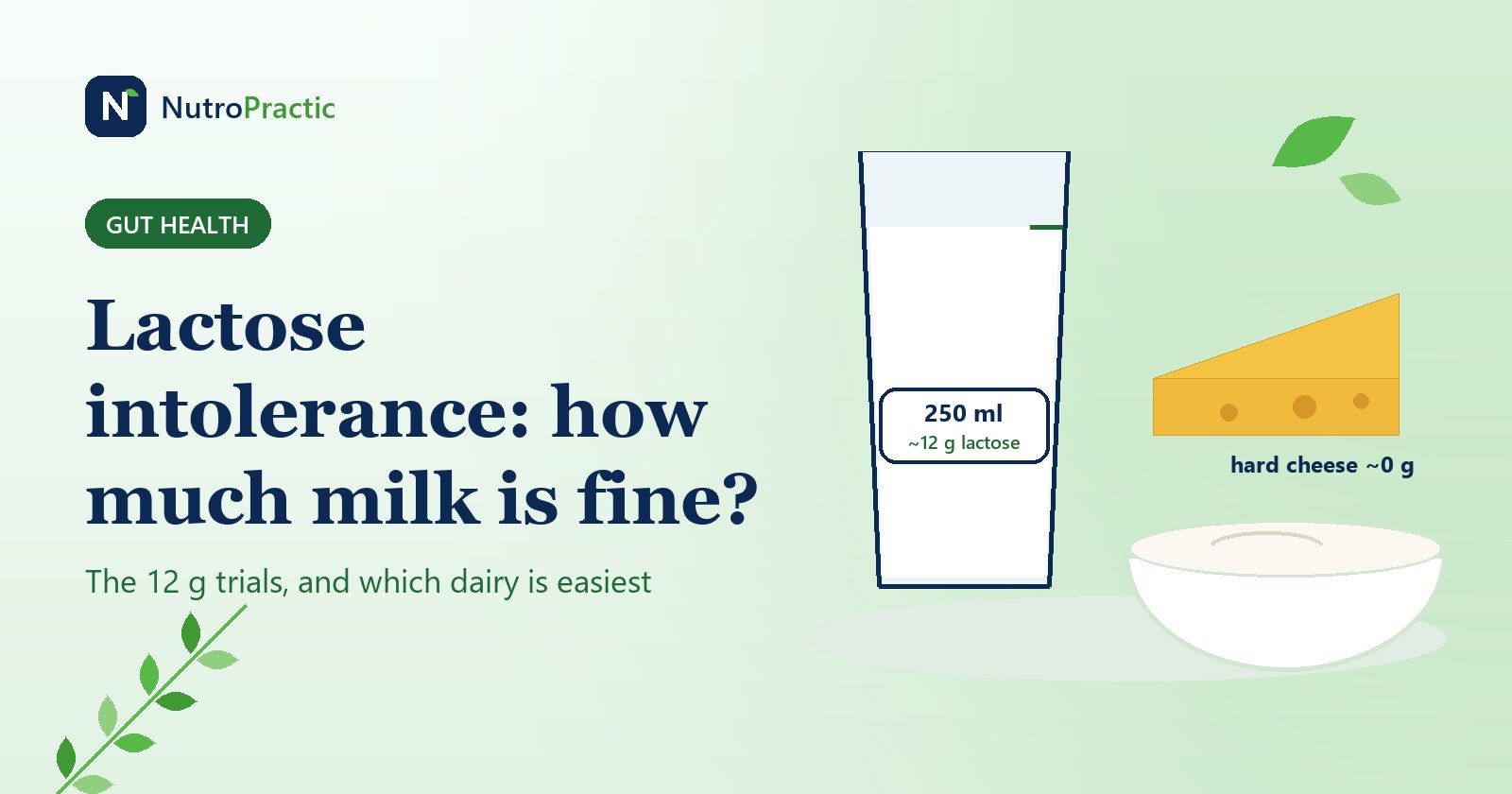
Lactose intolerance: how much milk most people can actually tolerate, and which dairy is easiest
Most adults who don't digest lactose well still handle about 12 g at once, roughly a 250 ml glass of milk, in blinded trials. What the 12 g studies found, a lactose table for milk, yoghurt, cheese, chai and dahi, how lactase tablets and A2 milk compare, why the famous 68% figure was retracted, and how to keep calcium up if you cut back.
25 Oct 2026
Newsfeed for your website
Want this feed on your website?
Add it to any site with one copy-and-paste snippet. No sign-up, and it updates itself every hour.
Start with a virtual consultation
Tell Dr. Triveni what you want to change. You will leave with a clear next step, whether you are in Toronto, London, New York or Chennai.