Pregnancy nutrition · October 19, 2026
36 women with severe pregnancy sickness wrote down everything they ate and drank for a day. The median came to about half the energy they needed, and none reached their iron, iodine or folate
Hyperemesis gravidarum is far worse than ordinary morning sickness, and few studies have measured what it does to a pregnant woman's diet. A team in Dublin asked women arriving at a maternity hospital's day unit to fill in a 24-hour food and fluid diary. The gaps were large, and they grew with the vomiting. Here's what they found and what it means.
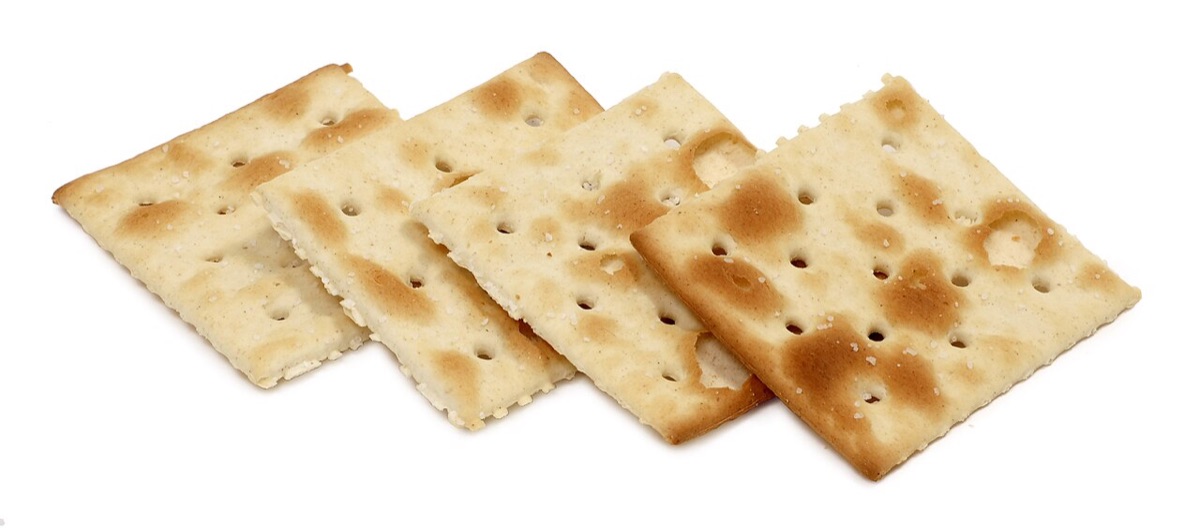
Most pregnant women feel sick at some point, and for most it fades by around 12 to 20 weeks. Hyperemesis gravidarum, or HG, is different: nausea and vomiting so severe that a woman can't eat or drink normally, often for weeks, and often needing hospital care for fluids. It affects roughly 1 to 3 pregnancies in 100. Everyone assumes it wrecks the diet, but surprisingly few studies have actually measured what women with HG manage to eat. A paper published on 15 October in the British Journal of Nutrition adds one.
The researchers, from the Rotunda Hospital in Dublin, Technological University Dublin and the University of Gothenburg, invited women diagnosed with HG who came to the Rotunda's day assessment unit between March 2021 and January 2022. Each was handed a paper diary on arrival and asked to write down everything she had eaten and drunk over the previous 24 hours, with pictures of a cup, a mug and a water bottle to help estimate amounts. Thirty-six women completed it. Most were in the first trimester, at about 13 weeks on average, and 17 of the 22 with weight data had lost weight since before pregnancy.
The diaries were then run through nutrition software and set against European (EFSA) reference values for pregnancy. The middle woman took in about 1,050 kcal that day, against an estimated need of about 2,057 kcal, and about 1.2 litres of fluid against the 2.3 litres recommended. Thirty-one of 33 women with full data fell short on energy, and 30 of 36 fell short on fluid. Not one reached the recommended amount of fibre, potassium, iron, iodine, vitamin D or folate from food; 35 of 36 fell short on calcium and 31 on vitamin B12.
The second question was whether worse symptoms meant a worse diet. Twenty-nine women had a full symptom score (the PUQE-24, which rates nausea, vomiting and retching over the past day). Women who reported more vomiting tended to have taken in less energy, fat, calcium, vitamin D and B12, among other nutrients; more nausea went with less energy, carbohydrate and iron. The nine women in the severe range had a median of about 460 kcal that day, against about 1,216 kcal for the 20 with milder scores, though with so few women only the gap in carbohydrate was statistically clear.
The study has real limits, and the authors list them. Thirty-six women at one Dublin hospital is a small, local group, and one day's diary is a snapshot of a condition that changes from day to day. Vitamin and mineral supplements were not counted, so the shortfalls in nutrients like folate and iron, which most pregnant women take as tablets, are likely overstated. In the other direction, food that was eaten and then vomited back up was counted as eaten, so real intake may have been lower still. Many comparisons were run without correcting for chance, and anti-sickness medicines couldn't be accounted for.
Even so, the direction is hard to argue with, and it matches earlier studies from Norway and the UK. The authors' point is practical: women with HG are not eating badly by choice, as recent research links the condition to a hormone called GDF15 and how sensitive the mother is to it. They argue that HG care should include a routine look at what women are actually able to eat and drink, a dietitian on the team, and a check on whether standard pregnancy supplements are being kept down. If you can't keep food or fluids down in pregnancy, that is a reason to call your midwife or doctor, not to tough it out.
One day's food and fluid intake in 36 women with hyperemesis gravidarum at a Dublin maternity hospital
36
Women with HG whose 24-hour food and fluid diaries were analysed (2021–22)
1,050 kcal
Median energy intake that day, against an estimated need of 2,057 kcal
1.2 L
Median fluid from food and drink, against 2.3 L recommended in pregnancy
31 of 33
Women who fell short of their estimated energy needs
0 of 36
Women who reached the reference intake for iron, iodine, vitamin D, folate or potassium from food
460 vs 1,216
Median kcal in women with severe symptom scores (9) vs mild to moderate (20)
Study: Sandberg M, Kelly L, Cunningham A, Augustin H, O'Brien EC, 'Nutritional intakes and their association with symptom severity among women with Hyperemesis Gravidarum', British Journal of Nutrition, published online 15 October 2026, doi 10.1017/S0007114526108496 (open access, CC BY 4.0). Rotunda Hospital, Dublin; Technological University Dublin; Sahlgrenska Academy, University of Gothenburg. Cross-sectional study at the Rotunda Hospital day assessment unit, March 2021 to January 2022; 37 women recruited, one excluded for a blank diary. Intake from one 24-hour food and fluid diary analysed with Nutritics software; compared with EFSA reference values for pregnancy (energy and protein calculated per woman; Wilcoxon signed-rank tests). Median (IQR) fluid intake 1,196 (778–2,081) mL; energy 1,050 (481–1,461) kcal vs requirement 2,057 (1,978–2,332) kcal. Shortfalls also for protein (26 of 33 women), carbohydrate (28 of 36), calcium (35 of 36), vitamin B12 (31 of 36), vitamin A (30 of 36), vitamin C (29 of 36) and thiamine (22 of 36); no woman met the fibre target. Symptom severity by PUQE-24 in 29 women (Spearman correlations; for example vomiting and energy r = −0.54, vomiting and calcium r = −0.64); severe group (score 13 or more) vs mild to moderate: energy 460 vs 1,216 kcal (p = 0.06), carbohydrate 68 vs 129 g (p = 0.03). Supplements and vomited food were not counted; p values not adjusted for multiple testing. No funding reported; one author is an unpaid board member of the charity Hyperemesis Ireland. '1.2 L' rounds the median of 1,196 mL.
- Around 8 in 10 pregnant women have some nausea or vomiting, and despite the name 'morning sickness' it can strike at any time of day. HG is the severe end, thought to affect about 1 to 3 in 100 pregnancies.
- In 2023 a study in Nature linked severe pregnancy sickness to GDF15, a hormone made largely by the placenta, and found that women with lower levels before pregnancy, who are more sensitive to it, were more likely to get HG.
- The PUQE-24 score that doctors use for pregnancy sickness has just three questions, on hours of nausea, number of vomits and episodes of retching in the past day; the total runs from 3 to 15, and 13 or more counts as severe.
- HG only got an agreed international definition in 2021: nausea and vomiting, at least one of them severe, starting before 16 weeks and stopping a woman from eating or drinking normally.
- Nutritional intakes and their association with symptom severity among women with Hyperemesis GravidarumBritish Journal of Nutrition, October 2026 · The study: full text, open access
- Severe vomiting in pregnancyNHS · Symptoms of HG, how common it is and when to get help
- GDF15 linked to maternal risk of nausea and vomiting during pregnancyNature, December 2023 · The hormone research behind the cause of HG
General information, not medical advice. This small study describes what women with hyperemesis gravidarum ate on one day; it does not test any treatment. If you are pregnant and can't keep food or drink down, are losing weight or feel dizzy or very thirsty, contact your midwife or doctor promptly. Don't stop or change prescribed supplements or medicines without advice.
Analysis by NutroPractic from the sources listed. Written for general readers; it does not replace advice from your own doctor.
From our articles
Our guides on this subject
Plain-language guides on nutrition and wellness, backed by research.
Women's health
Eating while breastfeeding: extra calories, iodine, caffeine, fish and alcohol, with the actual numbers
Breastfeeding usually adds about 330–400 kcal a day, but the smaller numbers can matter more: 290 mcg iodine, 400 IU vitamin D for baby, 8–12 oz fish a week, and a caffeine total you can actually add up.
6 Nov 2026
Women's health
Nausea in pregnancy: ginger, vitamin B6, small meals and when it's hyperemesis, from the trials
Only 1.8% of women in one diary study had nausea just in the morning. Ginger at 1 g a day, B6 at 30 to 75 mg and doxylamine with B6 each have trial data, while diet advice has none. The score to track it, the doses, and the signs that mean a phone call.
5 Nov 2026
Women's health
Folic acid before pregnancy: why it has to start before you know, and who needs the higher dose
The neural tube closes 26 to 28 days after conception, about six weeks after the last period and before many people know they are pregnant. Folic acid cut neural tube defects by about 72% in the 1991 MRC trial, yet only about a third of women take it beforehand. The dose, who needs 4 or 5 mg, what changed for higher BMI, fortified flour from the US to the UK's 2026 law, folate foods and the B12 link.
25 Oct 2026
Newsfeed for your website
Want this feed on your website?
Add it to any site with one copy-and-paste snippet. No sign-up, and it updates itself every hour.
Start with a virtual consultation
Tell Dr. Triveni what you want to change. You will leave with a clear next step, whether you are in Toronto, London, New York or Chennai.