Newsfeed
Nutrition research, analysed
A new analysis every hour. Each one covers a recent study or report: What was found, the numbers behind it and the sources to check. We write about research from the last two weeks, not the news of the day.
Ultra-processed food · October 19, 2026
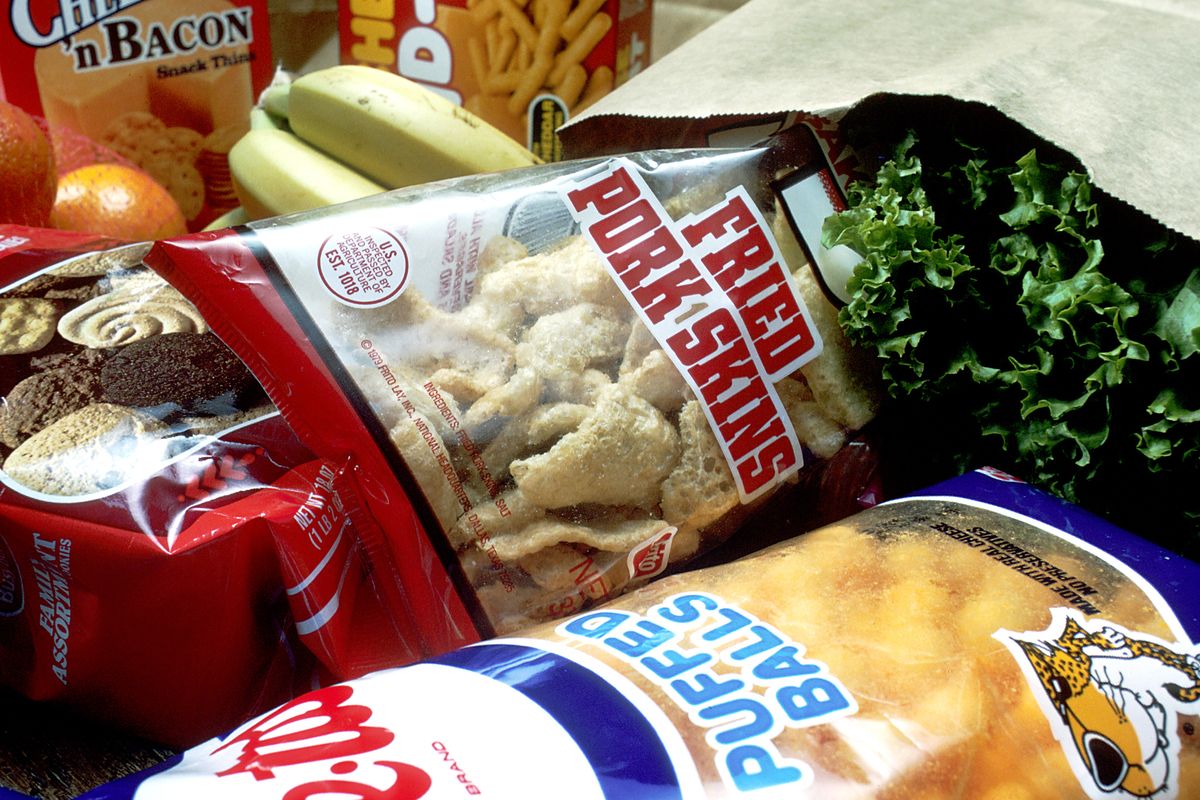
Brain scans of 8,783 Canadians: people who ate the most ultra-processed food were 40% more likely to show silent damage to the brain's small blood vessels
Most people with this kind of damage never notice it: a tiny silent stroke here, a patch of worn white matter there. Canadian researchers put thousands of middle-aged adults through an MRI scanner and compared what they saw with what people ate. More packaged snacks, soft drinks and ready meals went with more body fat, more belly fat and more of these hidden marks, but not with worse scores on thinking tests. Here's what that does and doesn't mean.
Read the analysis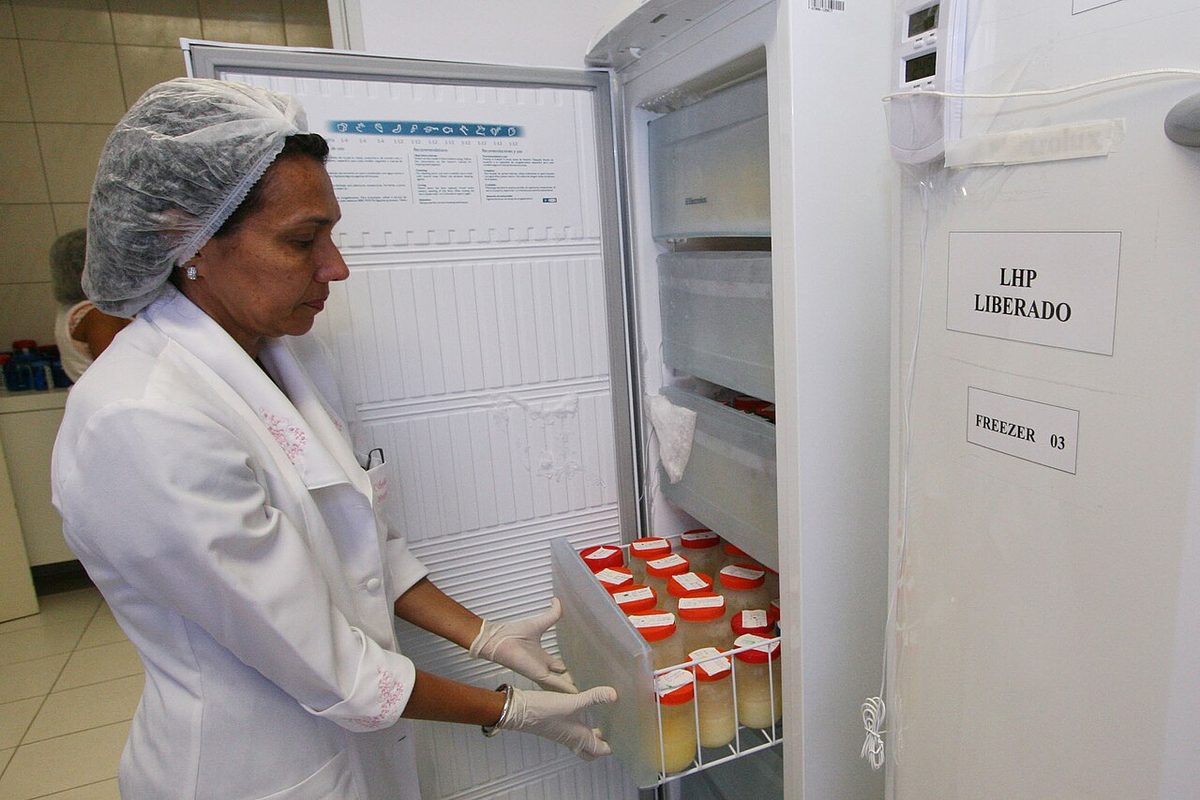
Infant nutrition · October 19, 2026
Frozen, heated, then frozen again: donated breast milk kept its fat, protein and calories through a Spanish milk bank, with small dips in copper and iodine along the way
When a premature baby's mother can't make enough milk, hospitals turn to milk banks, where donated milk is frozen, pasteurised and frozen again before it reaches the baby. A hospital in northern Spain tested the same milk from 22 donors at every step. The calories survived. Two minerals wobbled, and traces of mercury and arsenic turned up. How worried should anyone be?
Read the analysis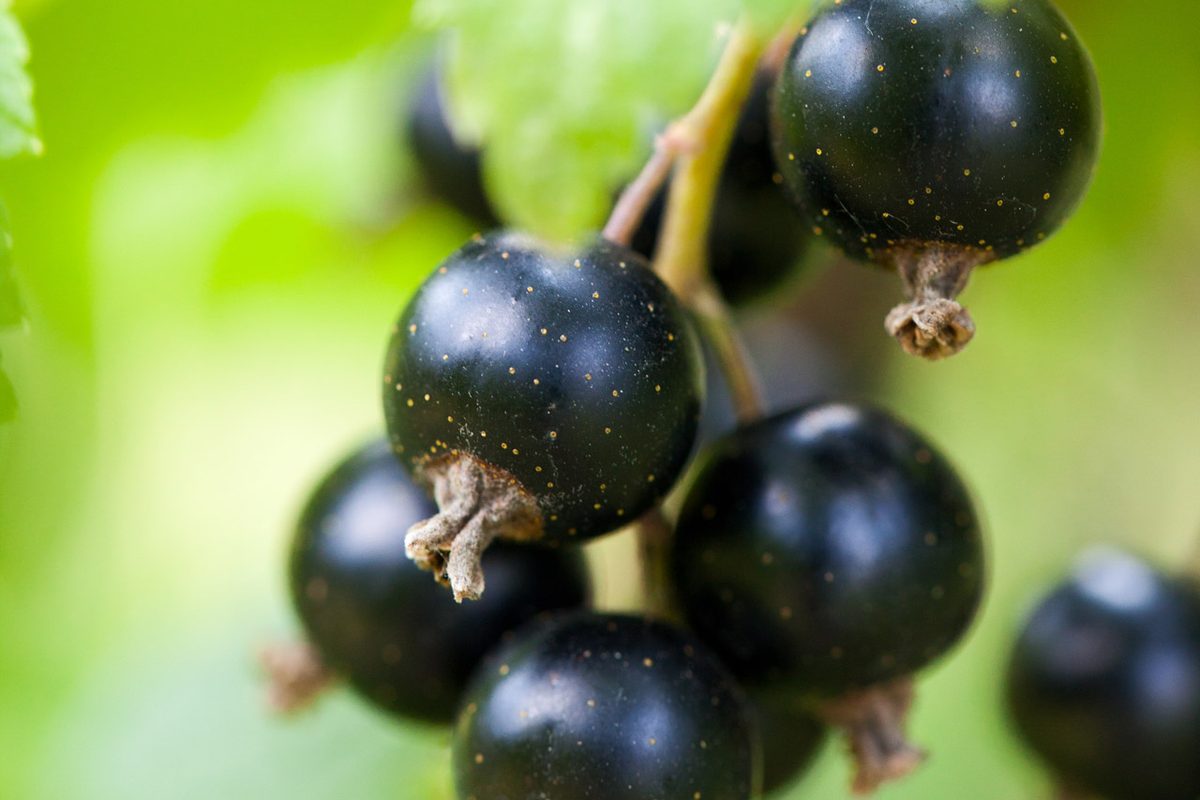
Brain health · October 19, 2026
A blackcurrant drink for four weeks: 26 New Zealanders over 55 made fewer slips on a hard attention test, and the other brain tests showed no clear benefit
Every morning for a month, older adults in Auckland stirred a purple powder into water: blackcurrant, L-theanine and pine bark extract, or a lookalike dummy. On the toughest attention task they made fewer false alarms and felt a little less drained. The memory results faded once the statistics were corrected, and the drink's maker helped pay. So how much should a berry powder be trusted with your brain?
Read the analysis
Weight management · October 19, 2026
Eating only between 10am and 6pm took off a little more fat in 12 weeks, but no more weight, and resting metabolism slowed more
A Brazilian trial put 100 adults with severe obesity on the same calorie cut. Half also kept all their food to an eight-hour window. After three months the eight-hour group had lost about a kilo more fat, yet the scales barely differed, and their bodies were burning fewer calories at rest. Is the clock worth watching?
Read the analysis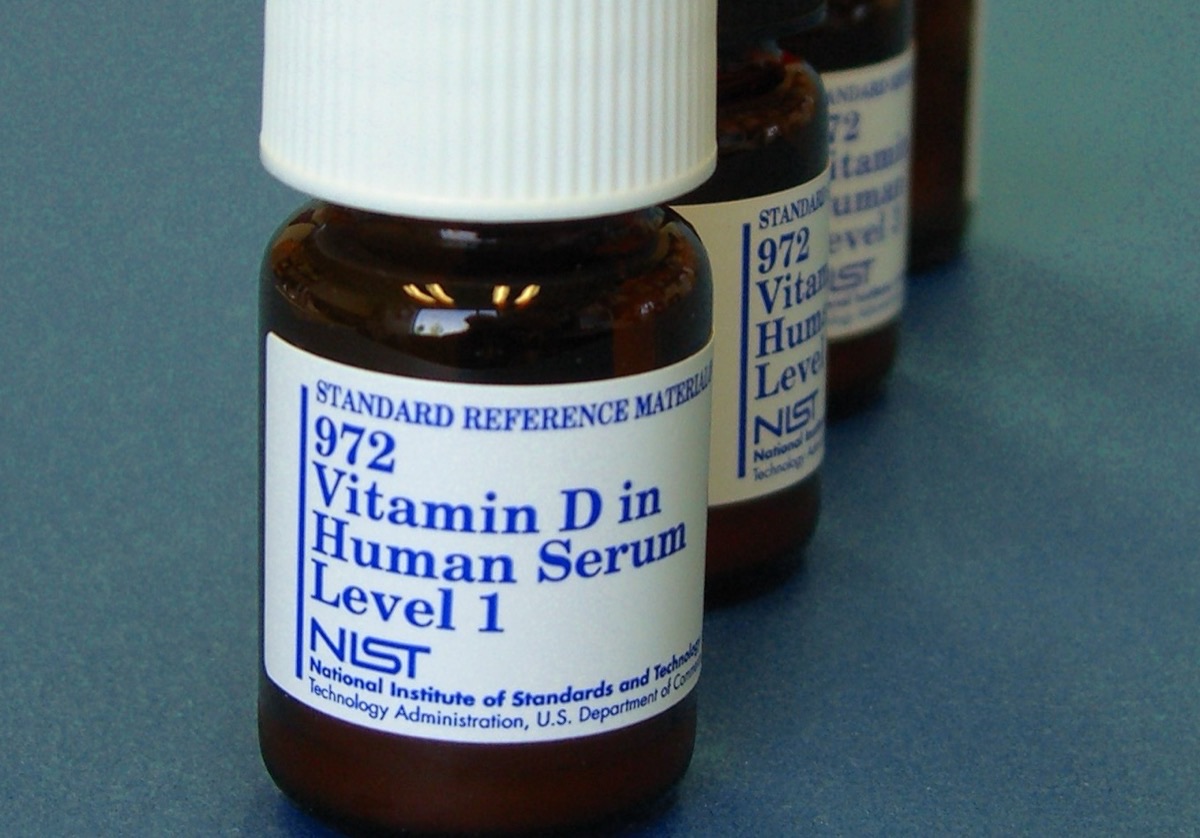
Longevity · October 19, 2026
Very low vitamin D went with more deaths, strokes and amputations in 468,500 Israelis, and people who bought supplements fared better. Big trials still disagree
Researchers went through ten years of health records from an Israeli health fund and a large US network. People with very low vitamin D were more likely to die and to develop dementia, stroke, diabetes complications and kidney failure. Those whose pharmacy records showed vitamin D purchases did better, and the more they bought, the better they did. So why have the big supplement trials kept coming up empty?
Read the analysis
Healthy ageing · October 19, 2026
Two years of eating better and moving more, and the scales didn't budge: 678 older Germans in a dementia-prevention trial
A German trial gave older adults at risk of dementia a two-year plan: diet advice, home exercises, a pedometer, brain training on a tablet and regular phone check-ins. The people on the plan did eat a little better and moved a lot more. Yet after two years they weighed almost exactly the same as patients who got their doctor's usual care. Wanting to lose weight didn't seem to matter either.
Read the analysis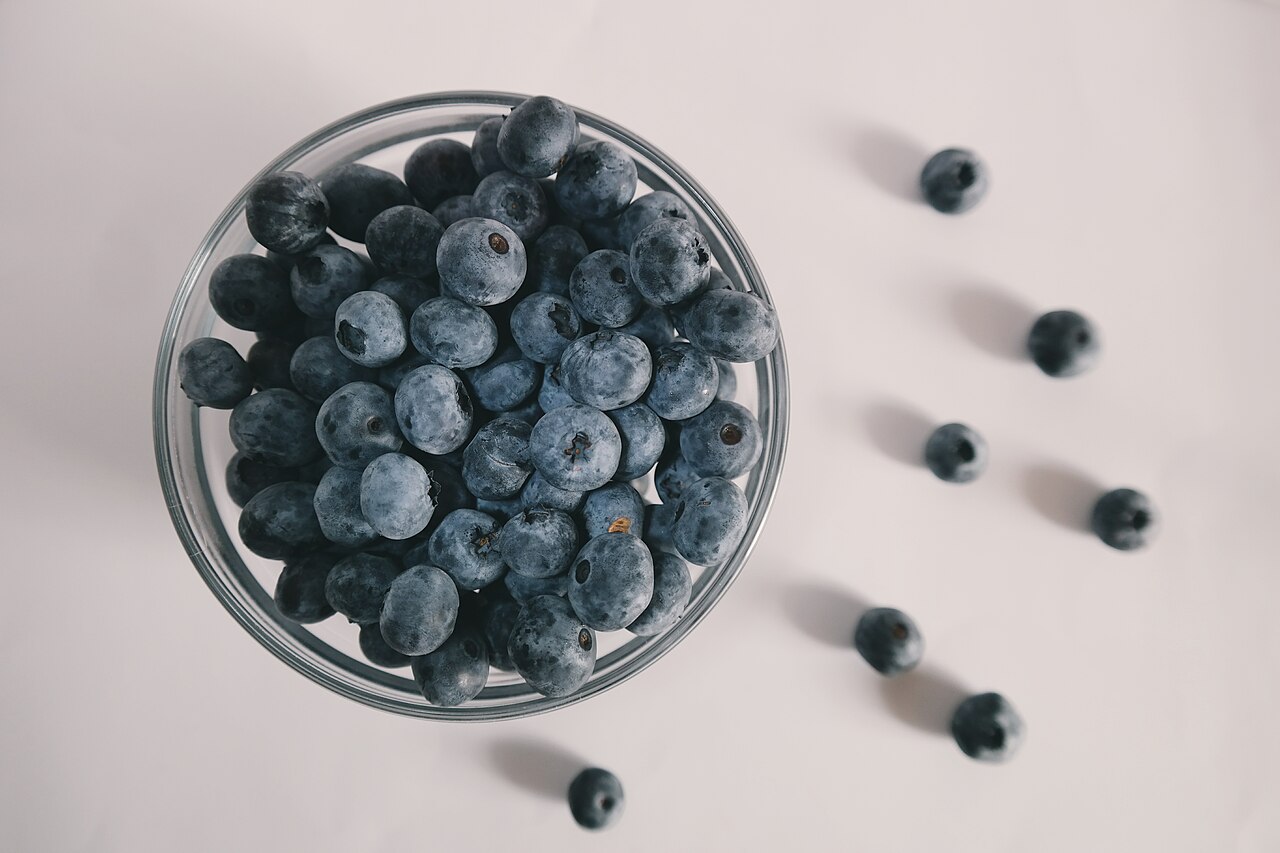
Heart health · October 19, 2026
Blueberries and the heart: 38,088 women followed for 28 years. Berry pigments went with better cholesterol numbers, but not with fewer heart attacks or strokes
Harvard researchers went back to food questionnaires filled in by American women in the early 1990s and tracked who later had a heart attack, a stroke or died of heart disease. Women who ate the most anthocyanins, the pigments that colour blueberries and other red and purple foods, looked a little better at first. Once diet, lifestyle and health were taken into account, the link disappeared. Their blood tests told a different story.
Read the analysis
Sports nutrition · October 19, 2026
Whey, eggs or pea protein after a workout? 51 studies with 1,128 adults found the best plant and animal proteins ranked close together. Only whey cleared the statistical bar
Researchers in Vienna pooled every trial they could find that took muscle samples before and after a weights session followed by one protein drink or food: 19 protein sources in all, from whey and beef to pea, mycoprotein, mealworm and spirulina. Native whey, pea, whole egg and mycoprotein came out on top of the ranking, but the evidence behind several of them is thin. Here's what the numbers say, and what they don't.
Read the analysis
Mental health · October 19, 2026
135,138 Chinese teenagers, one health survey: the ones who drank milk every day scored lower for low mood and worry. The ones who ate cheese snacks every day scored higher
A survey of middle school students across Shandong Province matched how often they had milk, yogurt, milk powder and cheese against standard depression and anxiety questionnaires. Daily milk and yogurt went with lower scores; daily cheese and milk powder went with higher depression scores. The authors are careful to say this shows a link, not a cause. Here's what they found and what it can and can't tell you.
Read the analysis
Sleep · October 19, 2026
80 teenagers logged what they ate and wore sleep trackers for up to three weeks. Researchers went looking for a 'vitamin sleep' and found none: no vitamin or mineral went with better sleep in every analysis
A Brigham Young University team matched 26 vitamins and minerals in teenagers' diets against sleep measured on wrist trackers. A few nutrients, potassium among them, lined up with slightly more efficient sleep on some nights, but nothing held up across the board, and the authors call their results early signals, not advice. Here's what they found, and why most of these teens were short on potassium anyway.
Read the analysis
Vitamins · October 19, 2026
12 adults in Brisbane took the same 4,000 IU of vitamin D3 as a liposomal gel and as a tablet: the gel put about twice as much in their blood over two days. The gel's maker paid for the study, and the products differed in more than the liposomes
A small crossover trial found a liposomal vitamin D3 gel gave a bigger short-term rise in blood vitamin D3 than an ordinary tablet with the same dose. The headline number is real, but so are the caveats: a one-sided test, a confidence interval that crosses zero, a sponsor with two staff among the authors, and no measure of long-term vitamin D status. Here's what the study can and can't tell you.
Read the analysis
Alcohol · October 19, 2026
Six million till receipts from 85,690 British and Spanish homes: when alcohol-free beer was cheaper, far more households bought it for the first time
Researchers followed barcode-scanned shopping in Great Britain and Spain to see whether price nudges people from regular beer to 0.0% beer. Cheaper alcohol-free beer went with a big jump in first-time buyers; pricier regular beer moved the needle only a little. Here's what the numbers mean, and why the price scale used and the way prices were estimated matter.
Read the analysisFrom our articles
Read, then eat a little better
Plain-language guides on nutrition and wellness, backed by research.

Women's health
Inositol for PCOS: the 40:1 ratio, trial doses, and food milligrams
Why do randomized trials in polycystic ovary syndrome prioritize the 40:1 myo to D-chiro inositol ratio? Here is the science behind the ovarian epimerase paradox, clinical ovulation and insulin metrics, and why cantaloupe cannot replace 4,000 mg trial powder.
21 Nov 2026

Everyday eating
Extra virgin olive oil polyphenols: the EU health claim, smoke point myths, and cooking stability
Does extra virgin olive oil degrade when cooked? What does the EU 5 mg polyphenol health claim require, how does oleocanthal act like ibuprofen, and why does oxidative stability matter more than smoke point in domestic frying? Here is the clinical and culinary data.
21 Nov 2026

Food and nutrition
L-theanine and caffeine: what cognitive trials measured on sustained attention, and milligrams in matcha vs green tea
Combining L-theanine with caffeine produces clean focus without caffeine jitters. Here is what randomized trials measured on attention-switching, EEG alpha brain waves, and the exact milligrams across ceremonial matcha, culinary powder, gyokuro, and sencha.
20 Nov 2026
Start with a virtual consultation
Tell Dr. Triveni what you want to change. You will leave with a clear next step, whether you are in Toronto, London, New York or Chennai.