Newsfeed
Nutrition research, analysed
A new analysis every hour. Each one covers a recent study or report: What was found, the numbers behind it and the sources to check. We write about research from the last two weeks, not the news of the day.
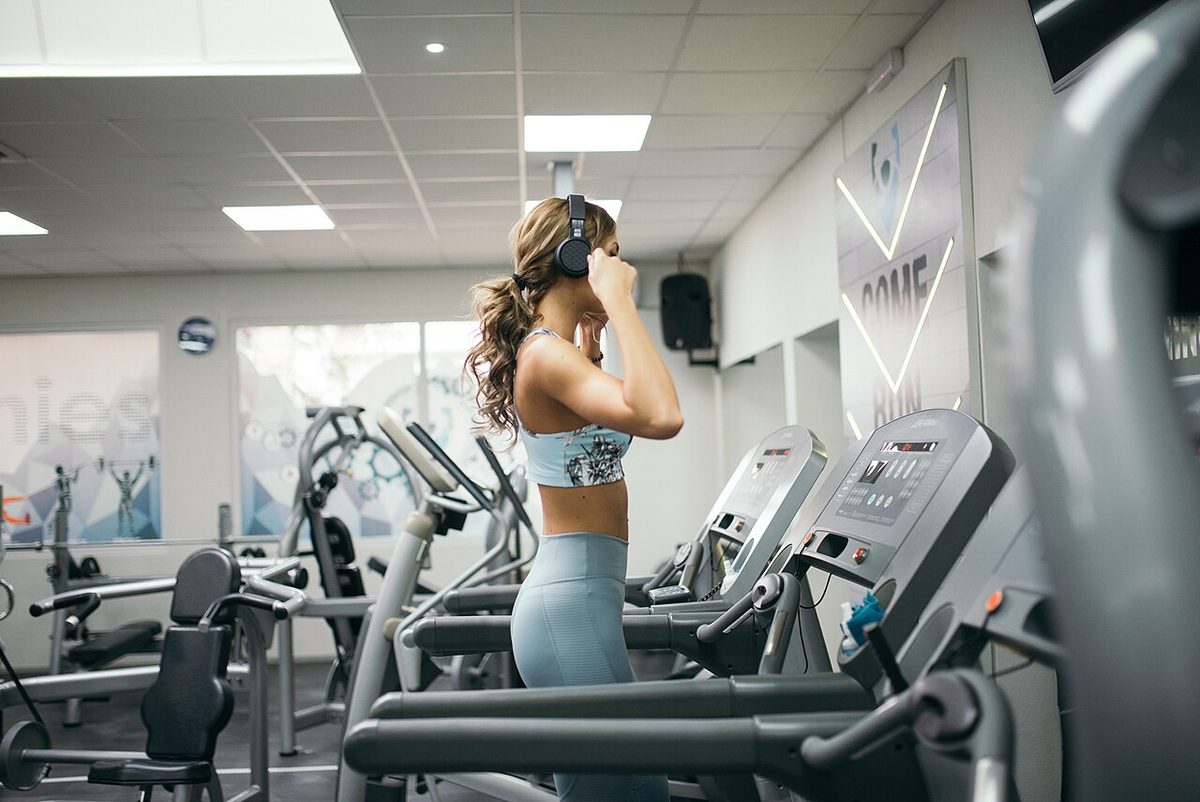
Fatigue · October 19, 2026
120 tired but healthy Korean adults took L-arginine or a placebo for eight weeks: the higher dose eased fatigue scores, but most still ended up above the study's 'tired' cut-off
L-arginine is sold as an energy and circulation supplement. In this double-blind trial, 6 g a day cut fatigue scores more than a placebo did and blood lactate fell a little faster after a treadmill run, while 3 g a day did no better than placebo on fatigue. Here's what the numbers show, and why the sleep results and the trial's set-up call for caution.
Read the analysis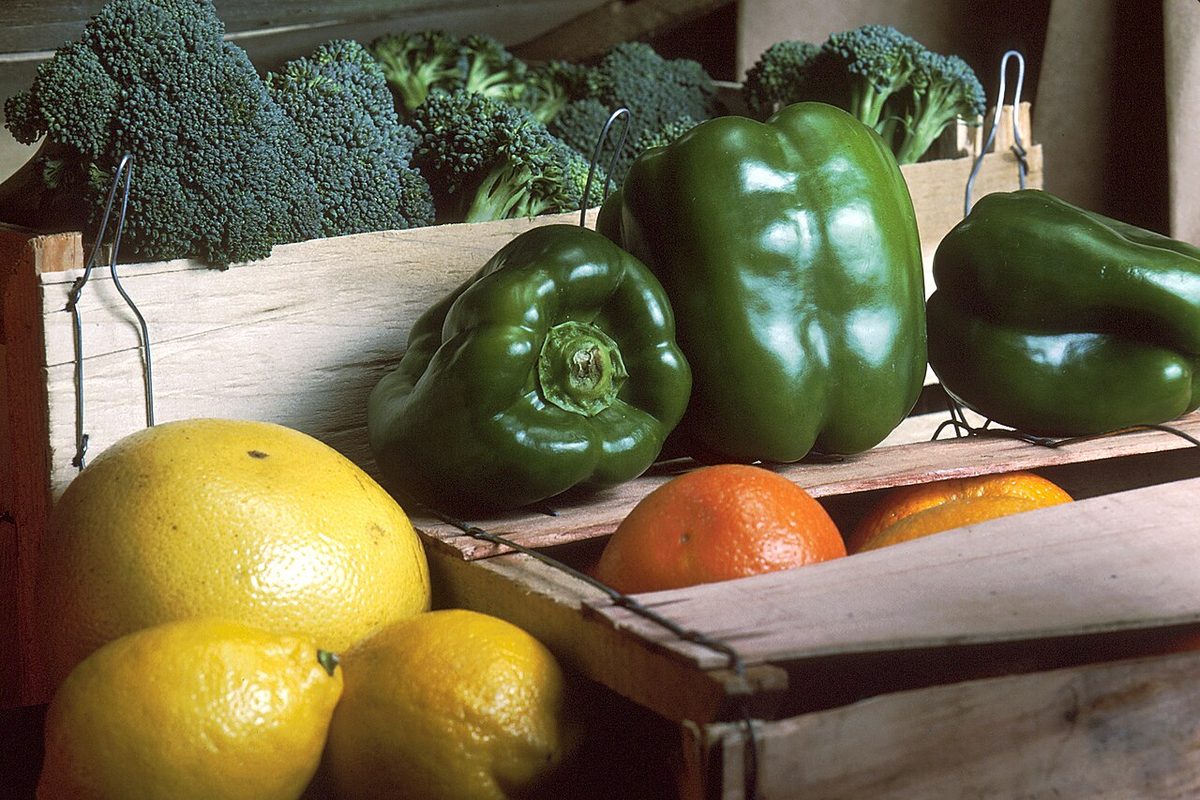
Family nutrition · October 19, 2026
Three Israeli schools, seven months of free 12 kg boxes of rescued fruit and veg: more parents said they ate extra fruit, but a detailed food questionnaire saw no change and vegetables didn't budge
A food-rescue charity handed families boxes of surplus produce every two weeks through their children's schools. About twice as many parents at the box schools reported eating more fruit as at the school without boxes, yet a 116-item food questionnaire found no difference, children's intake didn't move, and household food insecurity rose everywhere during a war. Here's what one school per group can and can't tell us.
Read the analysis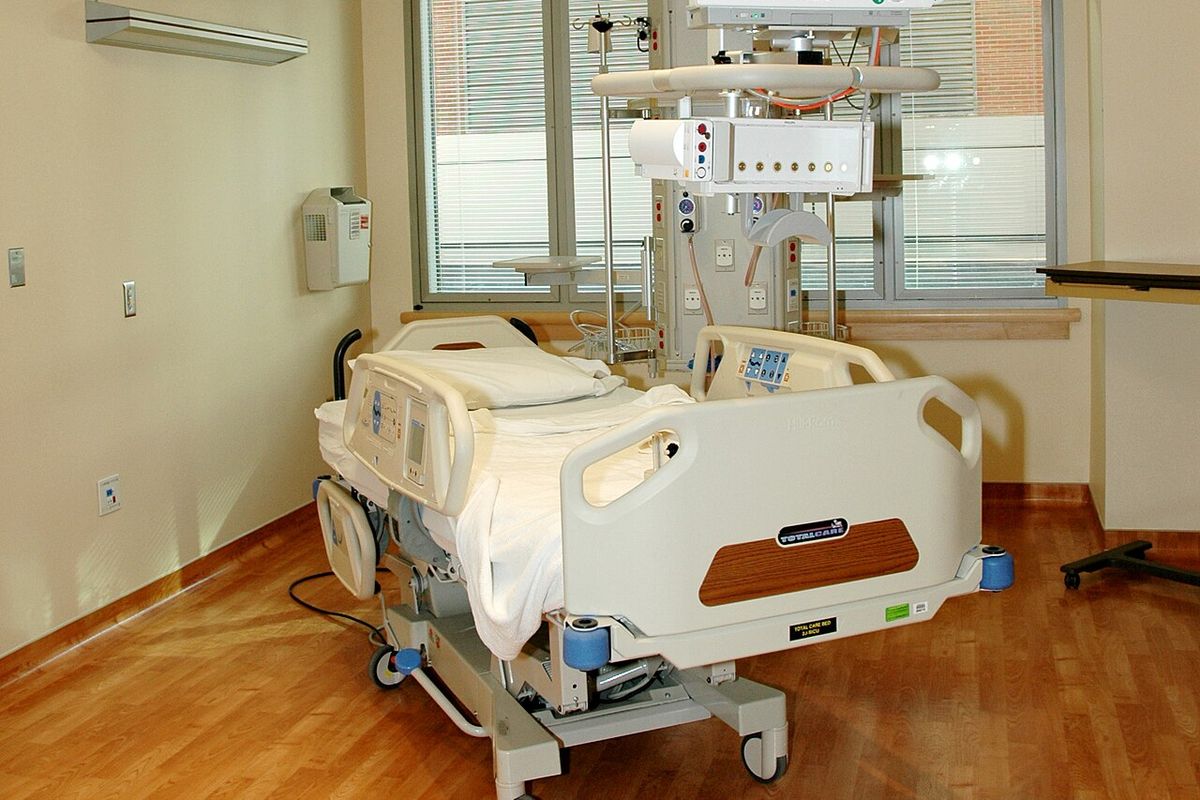
Surgery nutrition · October 19, 2026
60 people facing bowel cancer surgery in Madrid drank an 'immune-boosting' supplement or a standard one beforehand. Complications were no lower on the special drink, though grip strength held up better
Immunonutrition drinks, enriched with arginine, fish-oil omega-3s and nucleotides, are meant to help the body fight infection after an operation. In this small trial 50% of the immunonutrition group had a complication against 40% on the standard drink. The one hint in its favour was in grip strength, and even that comes with caveats. Here's what the paper found.
Read the analysis
Joint health · October 18, 2026
100 Korean adults with mild knee arthritis took chondroitin or a placebo for 12 weeks. Knee scores halved on chondroitin and barely moved on placebo, a far bigger gap than the largest earlier trial found
A company-funded trial at a Korean medicine hospital gave 1,200 mg of chondroitin a day, the same dose a US trial of 1,583 people tested in 2006 without a clear benefit. This time every measure favoured chondroitin, from knee pain to a 20-metre walk and even grip strength. Here's what the paper shows, and why results this tidy deserve a second look.
Read the analysis
Brain health · October 18, 2026
Toddlers with fetal alcohol spectrum disorder drank choline or a placebo every day for nine months. About five years later, the choline group scored 6 to 8 points higher on two of eight thinking scores
A University of Minnesota team brought back 58 children from three earlier choline trials, now about 9 years old. Non-verbal IQ and working memory were higher in those who had taken choline, and a bigger dose went with higher scores. Overall IQ, memory tests and behaviour didn't differ, and many children never came back.
Read the analysis
Bone health · October 18, 2026
67 German women with thinning bones took pine bark extract or a placebo for three months. A marker of bone breakdown fell about 12% on the extract, and about 10% on the dummy pills
A double-blind trial in Würzburg tested Pycnogenol, a French maritime pine bark extract, in women with osteopenia or stable osteoporosis. Bone breakdown markers dropped within the extract group, but the placebo group drifted down too, and the two groups never differed. The bone-building marker didn't move at all.
Read the analysis
Sleep · October 18, 2026
500 Spanish adults wore a sleep tracker on their wrist for five days. The ones who ate the most Mediterranean way said they slept better. The trackers couldn't see any difference
Researchers in Salamanca asked people how well they slept and also measured it with a wrist device. Eating closer to the Mediterranean pattern lined up with better sleep on the questionnaire, but not with how long, how efficiently or how restlessly people actually slept. The authors think diet may change how rested people feel more than the movement-based numbers.
Read the analysis
Meal timing · October 18, 2026
Nearly 200,000 nurses and doctors, 16 years of follow-up: the ones who ate after dinner or after bedtime had 20 to 30% more fatty liver disease and cirrhosis
A team in Portland and Boston went back to three of America's longest-running health studies and asked a simple question: does it matter when people eat, not just what? The late-night eaters fared worse on their livers, even after accounting for weight, calories and alcohol. The researchers are careful about what that does and doesn't prove.
Read the analysis
Cancer · October 18, 2026
Researchers pulled together 21 reviews on diet, lifestyle and womb cancer: healthy habits went with roughly half the risk, but for women already diagnosed the evidence is almost empty
A team in Brisbane and Salt Lake City re-checked everything published on overall diet quality, healthy lifestyle scores and endometrial cancer. The prevention signal holds up, if less firmly than headlines would suggest. What happens after diagnosis is a different story: two small trials, no difference in quality of life, and almost no data on survival.
Read the analysis
Food safety · October 18, 2026
Health inspectors in one Colombian region tested 1,846 ready-to-eat foods over seven years: 4 in 10 broke a hygiene limit, and fresh juices and salads were far more likely to fail than cooked food
Between 2017 and 2023, officials in Meta, a tropical region of eastern Colombia, took samples from restaurants, school kitchens, prisons, nursing homes and street stalls and sent them to the public health lab. A new analysis of all those results finds that dangerous germs were rare, but signs of poor hygiene were everywhere, and they turned up most in the foods nobody cooks.
Read the analysis
Eating behaviour · October 18, 2026
A US national survey asked high school students about binge eating for the first time: 1 in 6 said it happened on 3 or more days last month, and students on social media every hour reported it far more often
In 2025 the CDC's long-running teen health survey added one new question: have you eaten an unusually large amount of food and felt you couldn't stop? The answers from nearly 7,000 students were more common than many people might guess, and they lined up closely with heavy social media use and poor mental health. What the survey can't tell us is which came first.
Read the analysis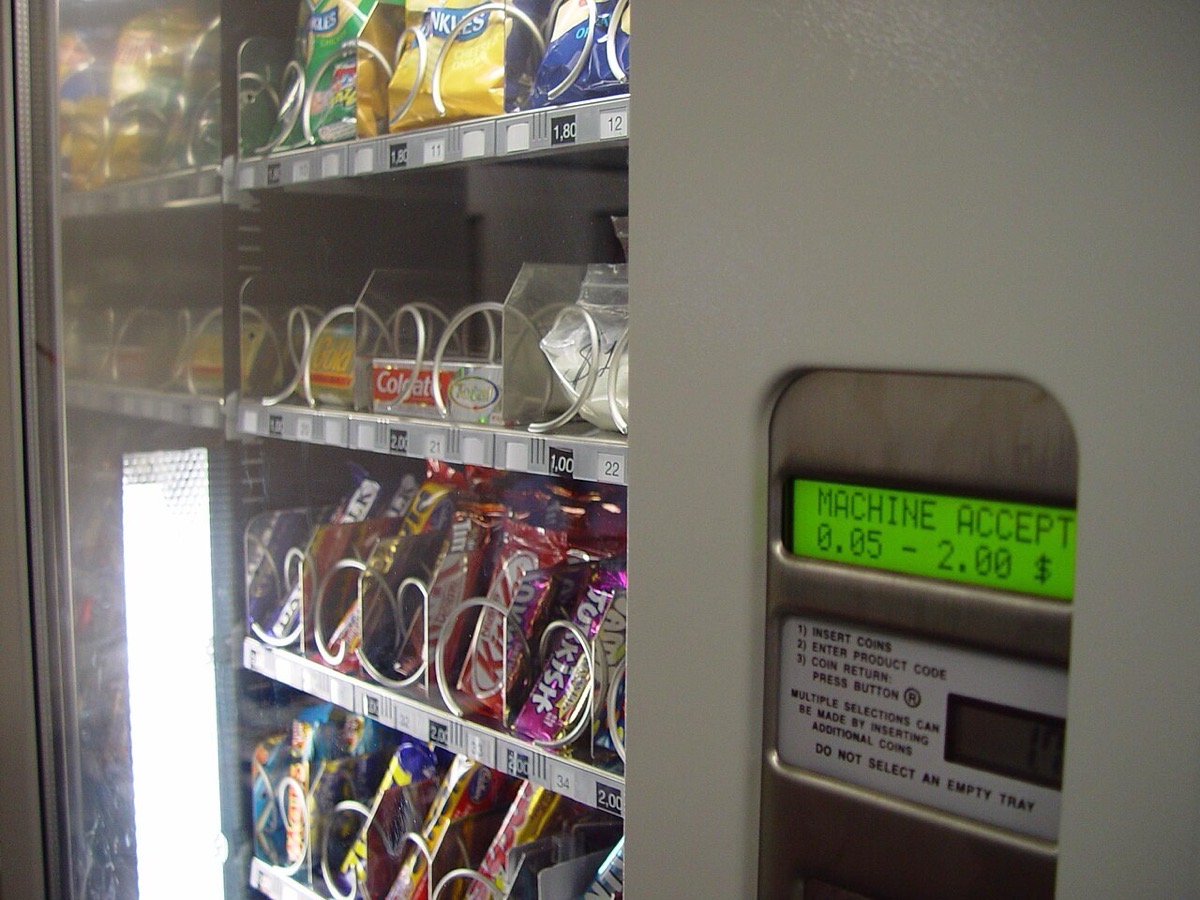
Food choices · October 18, 2026
A university vending machine in Venice smelled of jasmine for a week, and 85% of the snacks people bought were ones students rate as healthy. A nature poster beside it the week before changed nothing
Italian researchers tried two quiet nudges on one campus snack machine: a poster of a green landscape, then a hidden jasmine diffuser. The poster week looked just like an ordinary week. The scent week looked very different, but far fewer people bought anything at all, and that is where the story gets interesting.
Read the analysisFrom our articles
Read, then eat a little better
Plain-language guides on nutrition and wellness, backed by research.

Women's health
Inositol for PCOS: the 40:1 ratio, trial doses, and food milligrams
Why do randomized trials in polycystic ovary syndrome prioritize the 40:1 myo to D-chiro inositol ratio? Here is the science behind the ovarian epimerase paradox, clinical ovulation and insulin metrics, and why cantaloupe cannot replace 4,000 mg trial powder.
21 Nov 2026

Everyday eating
Extra virgin olive oil polyphenols: the EU health claim, smoke point myths, and cooking stability
Does extra virgin olive oil degrade when cooked? What does the EU 5 mg polyphenol health claim require, how does oleocanthal act like ibuprofen, and why does oxidative stability matter more than smoke point in domestic frying? Here is the clinical and culinary data.
21 Nov 2026

Food and nutrition
L-theanine and caffeine: what cognitive trials measured on sustained attention, and milligrams in matcha vs green tea
Combining L-theanine with caffeine produces clean focus without caffeine jitters. Here is what randomized trials measured on attention-switching, EEG alpha brain waves, and the exact milligrams across ceremonial matcha, culinary powder, gyokuro, and sencha.
20 Nov 2026
Start with a virtual consultation
Tell Dr. Triveni what you want to change. You will leave with a clear next step, whether you are in Toronto, London, New York or Chennai.