Surgery nutrition · October 19, 2026
60 people facing bowel cancer surgery in Madrid drank an 'immune-boosting' supplement or a standard one beforehand. Complications were no lower on the special drink, though grip strength held up better
Immunonutrition drinks, enriched with arginine, fish-oil omega-3s and nucleotides, are meant to help the body fight infection after an operation. In this small trial 50% of the immunonutrition group had a complication against 40% on the standard drink. The one hint in its favour was in grip strength, and even that comes with caveats. Here's what the paper found.
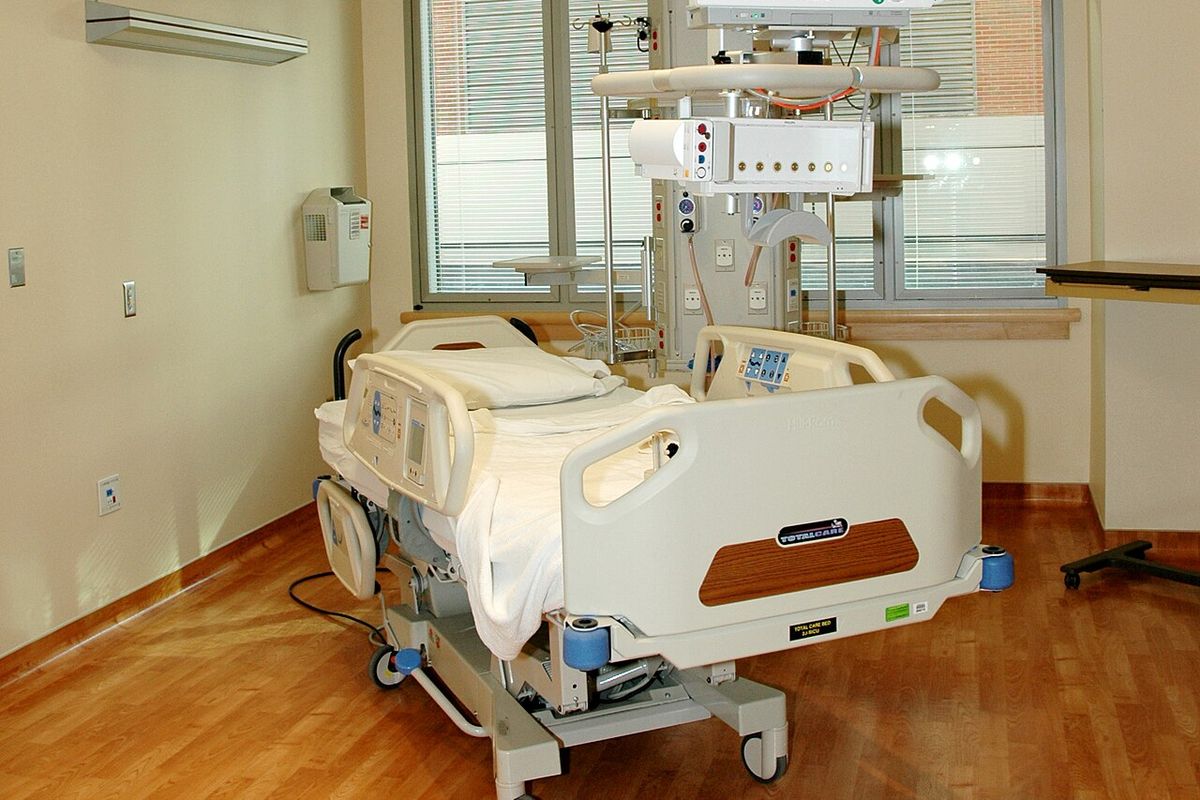
Surgery for bowel cancer is a big operation. The body goes into a stress state, muscle is broken down for fuel, and complications such as wound infections, leaks where the bowel is joined back together, or a gut that is slow to restart are common. 'Prehabilitation' means getting patients into better shape in the weeks before the operation, and one popular tool is immunonutrition: a ready-made drink enriched with the amino acid arginine, omega-3 fats from fish oil and nucleotides (building blocks of DNA), which are thought to support the immune system and healing.
The new trial, published on 15 October in the journal Nutrients, comes from Hospital Universitario Ramón y Cajal in Madrid. Between January 2024 and December 2025, 60 adults booked for planned colorectal cancer surgery were randomly assigned to two 200 mL cartons a day of either an immunonutrition drink or a standard high-protein supplement, starting at least a week before surgery. The average age was 68 in one group and 75 in the other; about a third were women, and around six in ten had low muscle mass (sarcopenia) on their CT scans before the operation. On average people drank the supplements for 10 to 11 days and managed about 1.8 cartons a day in both groups.
The main question was whether the immune drink cut complications in the 90 days after surgery. It didn't. 15 of 30 people (50%) in the immunonutrition group had at least one complication, against 12 of 30 (40%) on the standard drink, and the overall complication burden, measured with a 0 to 100 index, was almost identical (15.7 versus 14.8). Serious complications needing another operation, intensive care or worse were similar too: four in the immunonutrition group and five in the standard group, one of whom died. Infections and bowel leaks were, if anything, a little more common with immunonutrition, but the numbers were small enough to be chance. Adjusting for the fact that the immunonutrition group happened to be about seven years older didn't change the picture.
The authors also looked, as an exploratory question, at muscle. Three months after surgery, grip strength had slipped in the standard group, from about the 45th to the 39th percentile for people of the same age and sex, while it stayed level on immunonutrition, a difference between the groups that was statistically significant. On CT scans, the muscle area around the lower spine shrank significantly in the standard group and less clearly in the immunonutrition group. But when the two groups' changes in muscle were compared directly, the difference was not significant, so the authors call these findings 'hypothesis-generating' rather than proof.
There are reasons for caution even with the grip result. The immunonutrition drink also carried more of everything: per the paper's appendix, two cartons gave about 600 kcal and 33 g of protein a day, against about 500 kcal and 25 g for the standard drink, so the authors say any muscle effect can't be put down to the immune ingredients alone. The trial was open-label, so patients knew which drink they were on, although the person measuring strength and the radiologist reading the scans did not. Intake was self-reported, exercise and the rest of the diet weren't recorded, and the trial was registered publicly only in June 2026, after it had finished, which the authors say Spanish rules allow for studies of nutritional products. It was funded in part by Nutrisens, the Spanish company that makes both drinks; the authors declare no conflicts of interest and say the funder had no role in the study.
Bigger reviews are more encouraging but still uncertain. A 2023 meta-analysis of 37 trials with 3,793 people having surgery for gut cancers found fewer infections with immunonutrition, mainly when it was started before or around the operation. A 2025 review that looked only at drinks taken before planned colorectal surgery, covering 3,337 patients, found hospital stays about half a day shorter, while the drops in wound infections and leaks it saw could have been chance; it rated the certainty of all its evidence low or very low. A trial of 60 people was designed to spot a large drop in complications, so it can't settle the question either way.
Immunonutrition or a standard oral supplement for at least a week before planned colorectal cancer surgery, 60 adults, Hospital Universitario Ramón y Cajal, Madrid
60
Adults having planned colorectal cancer surgery, 30 per group; 56 completed the 90-day follow-up
50% vs 40%
Had at least one complication after surgery: immunonutrition versus standard drink (not significant)
15.7 vs 14.8
Average Comprehensive Complication Index (0 to 100, higher is worse)
4 vs 5
Serious complications needing reoperation, intensive care or worse (one death, in the standard group)
+0.7 vs −5.2
Change in grip strength percentile three months after surgery: immunonutrition versus standard
75 vs 68
Average age in years in the immunonutrition and standard groups, the one baseline difference
Study: Ugalde B, Juez LD, Ruiz-Torres I, Perea-Fuentes I, Martos S, DeVicente I, Melero D, Blázquez J, Botella-Carretero JI, 'Immunonutrition vs. Standard Oral Nutritional Supplements in Prehabilitation for Colorectal Cancer Surgery: A Randomized Clinical Trial Assessing Morbidity and Body Composition by Computed Tomography', Nutrients 2026, 18(20), 3381, published 15 October 2026 (received 15 September, accepted 14 October), doi 10.3390/nu18203381, CC BY, read in full (PDF from the publisher). Open-label, two-arm, single-centre trial, January 2024 to December 2025; ethics approval 9 May 2023; registered retrospectively on 15 June 2026 (NCT07653737). Drinks: Atempero (arginine, nucleotides, vitamin D, omega-3) versus Tdiet HPR, both by Nutrisens; per 100 mL 151 vs 125 kcal and 8.3 vs 6.3 g protein (Appendix Table A1); the daily figures in the story are ours, for two 200 mL cartons. Complications by Clavien-Dindo grade at 90 days, intention-to-treat (Table 2); 'serious' is grade IIIb or higher. Grip strength as age- and sex-specific percentiles in the 56 who completed follow-up (standard 44.5 to 39.3, immunonutrition 44.8 to 45.5); group-by-time p = 0.030 (0.040 after adjusting for age). CT muscle index at L3 fell from 48.8 to 46.5 cm²/m² on the standard drink (p < 0.001) and from 45.9 to 44.4 on immunonutrition (p = 0.239); interaction p = 0.441. Funding: Nutrisens (Badajoz, Spain), in part; the authors declare no conflicts of interest. Meta-analyses: Khan A et al., Ann Surg Oncol 2023 (infectious complications OR 0.58, 95% CI 0.47 to 0.72); McKechnie T et al., Colorectal Dis 2025 (surgical site infection RR 0.70, 95% CI 0.44 to 1.11; length of stay −0.48 days, 95% CI −0.84 to −0.12; GRADE low or very low).
- Hospitals can measure muscle from a single slice of a routine CT scan taken at the level of the third lumbar vertebra in the lower back; the muscle area there tracks closely with muscle across the whole body.
- Low muscle mass before surgery was common here: about 61% of the 56 patients with full scans met the CT definition of sarcopenia, even though their average body mass index was in the overweight range.
- In the 2023 meta-analysis of 37 trials, immunonutrition given only after surgery didn't significantly reduce infections; the benefit showed up when it was started beforehand or around the operation.
- The trial's authors say they used AI tools to draw graphs and to tidy the English, and checked the figures against their original data, a disclosure more journals now ask for.
- Immunonutrition vs. Standard Oral Nutritional Supplements in Prehabilitation for Colorectal Cancer Surgery: A Randomized Clinical Trial Assessing Morbidity and Body Composition by Computed TomographyNutrients, October 2026 · The study: methods, results tables, limitations and funding
- The Impact of Peri-operative Enteral Immunonutrition on Post-operative Complications in Gastrointestinal Cancer Surgery: A Meta-AnalysisAnnals of Surgical Oncology, 2023 · 37 trials, 3,793 patients: fewer infections when started before or around surgery
- The use of preoperative enteral immunonutrition in patients undergoing elective colorectal cancer surgery: A systematic review and meta-analysisColorectal Disease, 2025 · 10 studies, 3,337 patients: shorter stays, uncertain effect on infections and leaks
General information, not medical advice. This was one small, open-label trial in a single hospital. If you're preparing for surgery, follow your surgical and dietetic team's advice on what to eat and drink beforehand, and don't start supplements such as fish oil without asking them, as some can affect bleeding.
Analysis by NutroPractic from the sources listed. Written for general readers; it does not replace advice from your own doctor.
From our articles
Our guides on this subject
Plain-language guides on nutrition and wellness, backed by research.

Supplements and vitamins
Zinc carnosine for the gut lining: what the two human trials gave, the zinc in each dose, and the copper catch
Zinc carnosine is only about 22.6% zinc, so 75 mg twice a day is roughly 34 mg of zinc a day. Here are the doses and results of the 10-person NSAID permeability trial and the 20-person aspirin pilot, and the copper cautions.
22 Nov 2026
Gut health
Probiotic capsules: which ones have trial evidence, what they can do, and when to skip them
Children on antibiotics: 8% got diarrhoea with a probiotic, 19% without. Older hospital patients: 10.8% with, 10.4% without. Which capsules have evidence, what three guidelines say about IBS, what a course costs per case prevented, and who shouldn't take them.
2 Nov 2026
Gut health
Gluten-free without coeliac disease: who actually benefits, and what the blinded gluten challenges found
In blinded trials only 16% of people who said gluten made them ill reacted to gluten rather than placebo, and in Oslo fructans caused more bloating than gluten. Who really needs to avoid it, how to get tested before you stop, how much gluten is in a slice of bread or a roti, and what gluten-free food costs (159% more in the UK) and lacks.
1 Nov 2026
Newsfeed for your website
Want this feed on your website?
Add it to any site with one copy-and-paste snippet. No sign-up, and it updates itself every hour.
Start with a virtual consultation
Tell Dr. Triveni what you want to change. You will leave with a clear next step, whether you are in Toronto, London, New York or Chennai.