Newsfeed
Nutrition research, analysed
A new analysis every hour. Each one covers a recent study or report: What was found, the numbers behind it and the sources to check. We write about research from the last two weeks, not the news of the day.
Food is medicine · October 18, 2026
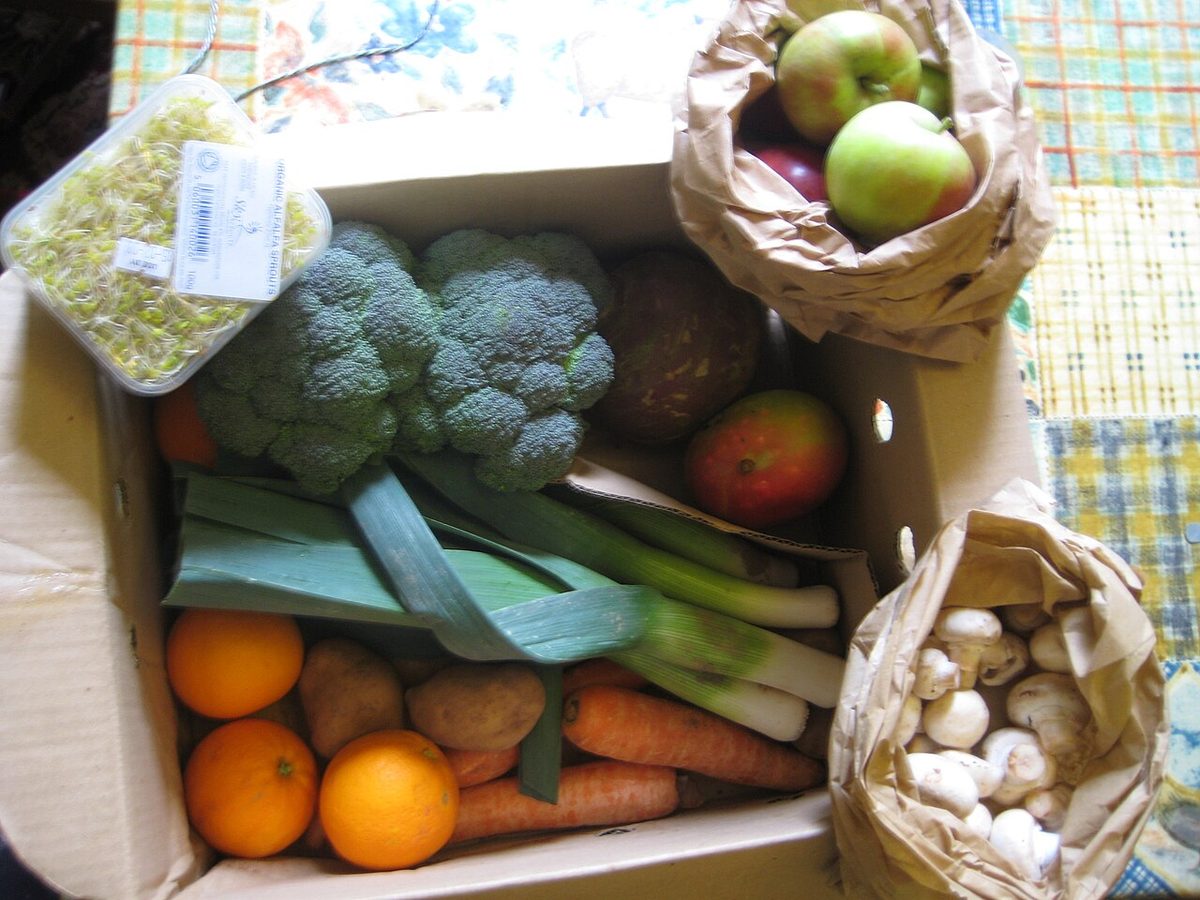
67 older patients in Buffalo got free fruit and veg on prescription for 12 weeks. Those sent to a market picked it up about 3 weeks in 12; those who got it delivered took it nearly every week
A small trial gave adults 65 and over who struggle to get fresh food a weekly produce box at home, a weekly meal kit at home, or a voucher for a mobile market. Delivery roughly tripled the food that reached people's kitchens. The pricier meal kits added nothing on top, and the lead author part-owns the business that packed the boxes, which the paper discloses.
Read the analysis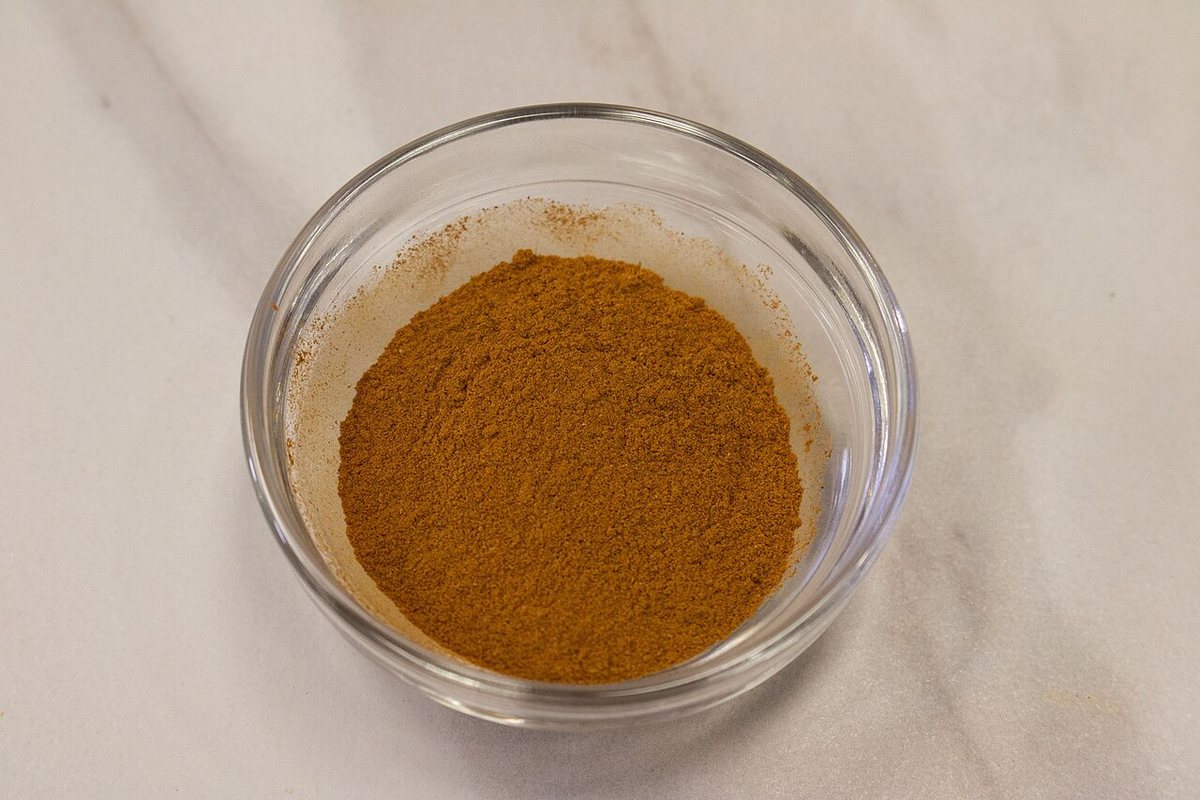
Sports supplements · October 18, 2026
48 army cadets in Tehran, six weeks of Tabata and cinnamon capsules: the paper says the spice boosted their fitness gains. There was no placebo, and its own weight and BMI figures don't add up
Cadets got high-intensity Tabata workouts, 1.5 g of true cinnamon a day, both, or neither. The training-plus-cinnamon group improved most on an army fitness test and the authors credit the spice. But the control group took no dummy capsule, the groups started far apart, and in one group BMI fell more than twice as fast as body weight.
Read the analysis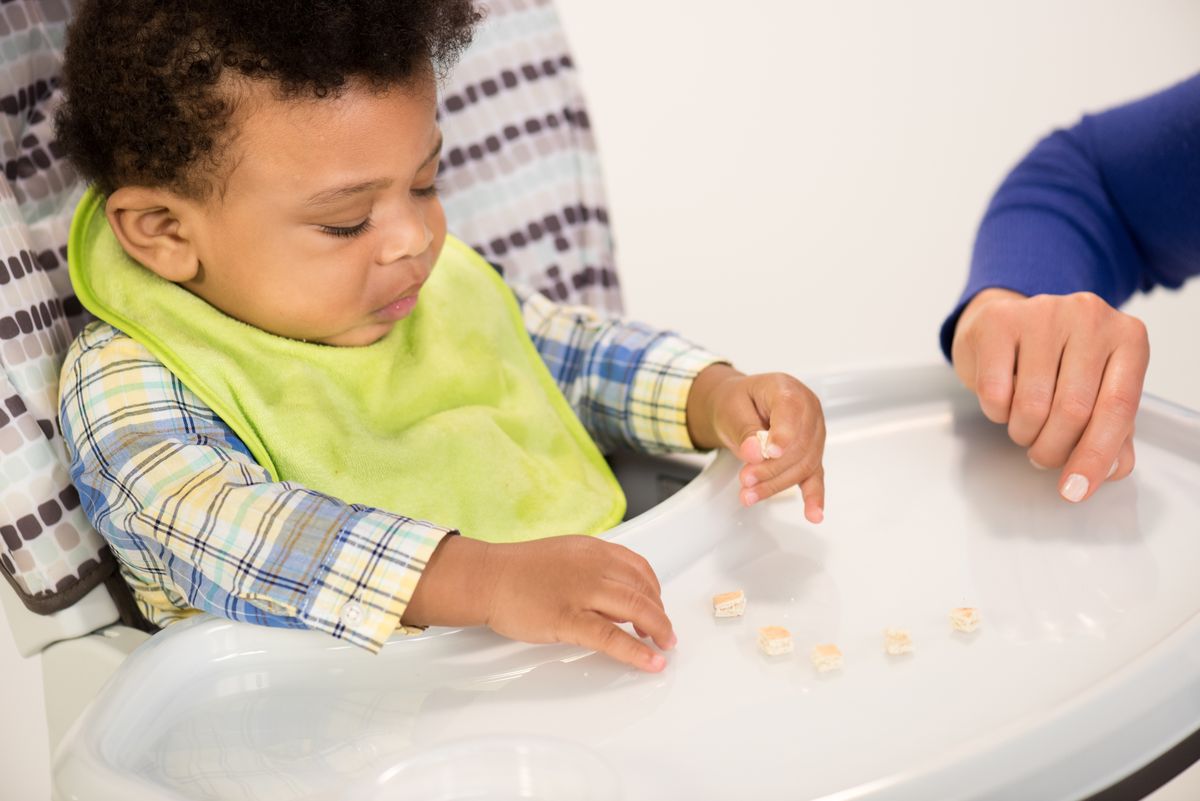
Infant nutrition · October 18, 2026
Researchers timed 625 babies eating their first foods. Pouch-fed babies were no faster, but the ones feeding themselves were slower
Fast eating is linked to weight gain in older children, and baby food pouches get blamed for it. A New Zealand study clocked 7 to 10 month olds by diet recall and on video: faster eaters took in more food, pouches made no difference to speed, and self-feeding and breastfed babies ate more slowly.
Read the analysis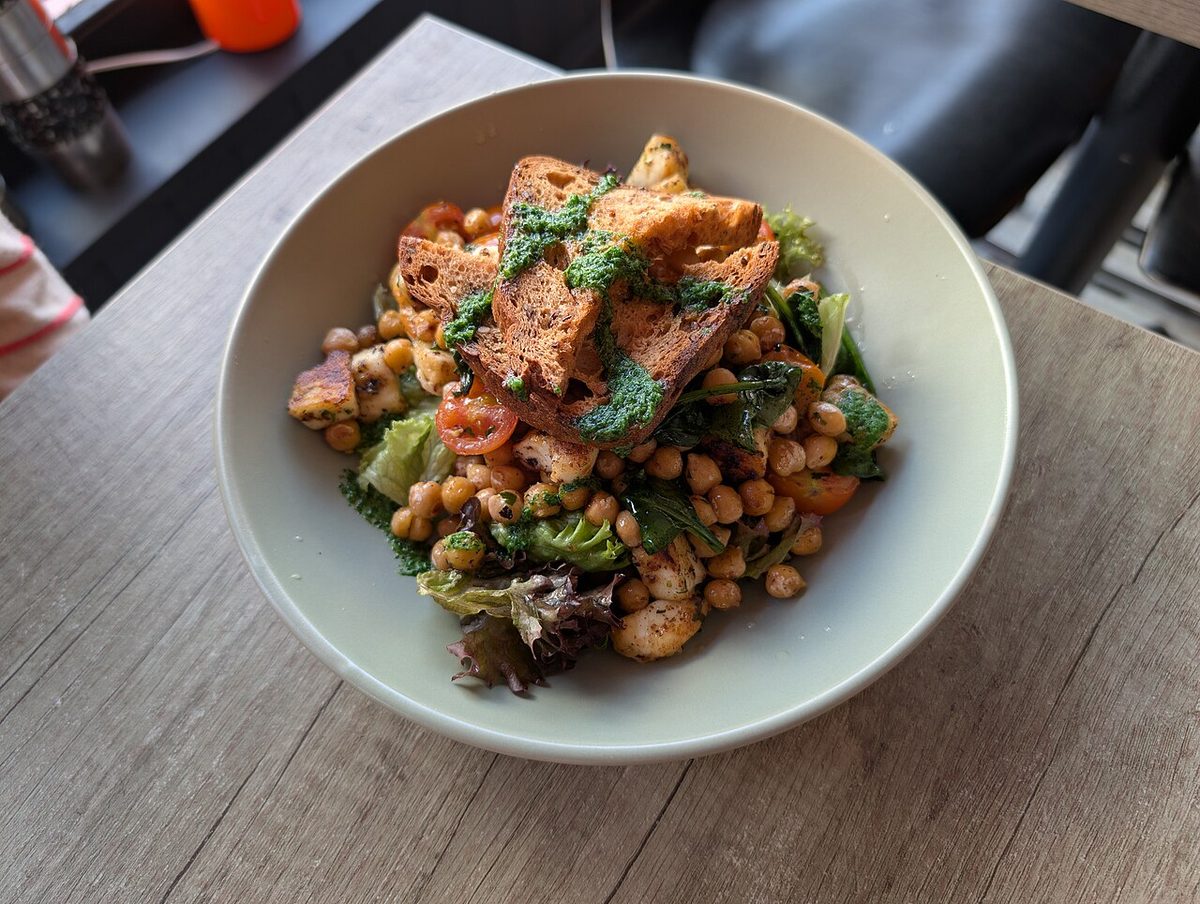
Plant-based diets · October 18, 2026
63 pregnant women in Melbourne: the ones who ate no meat had about 30% less creatine in their blood all pregnancy long. Their babies were, if anything, a little bigger
Creatine helps cells store quick energy, and most of what we eat comes from meat and fish. Vegetarian mothers ran low on it from 15 weeks to birth, yet their placentas and cord blood looked much the same, and their babies weighed about 250 g more.
Read the analysis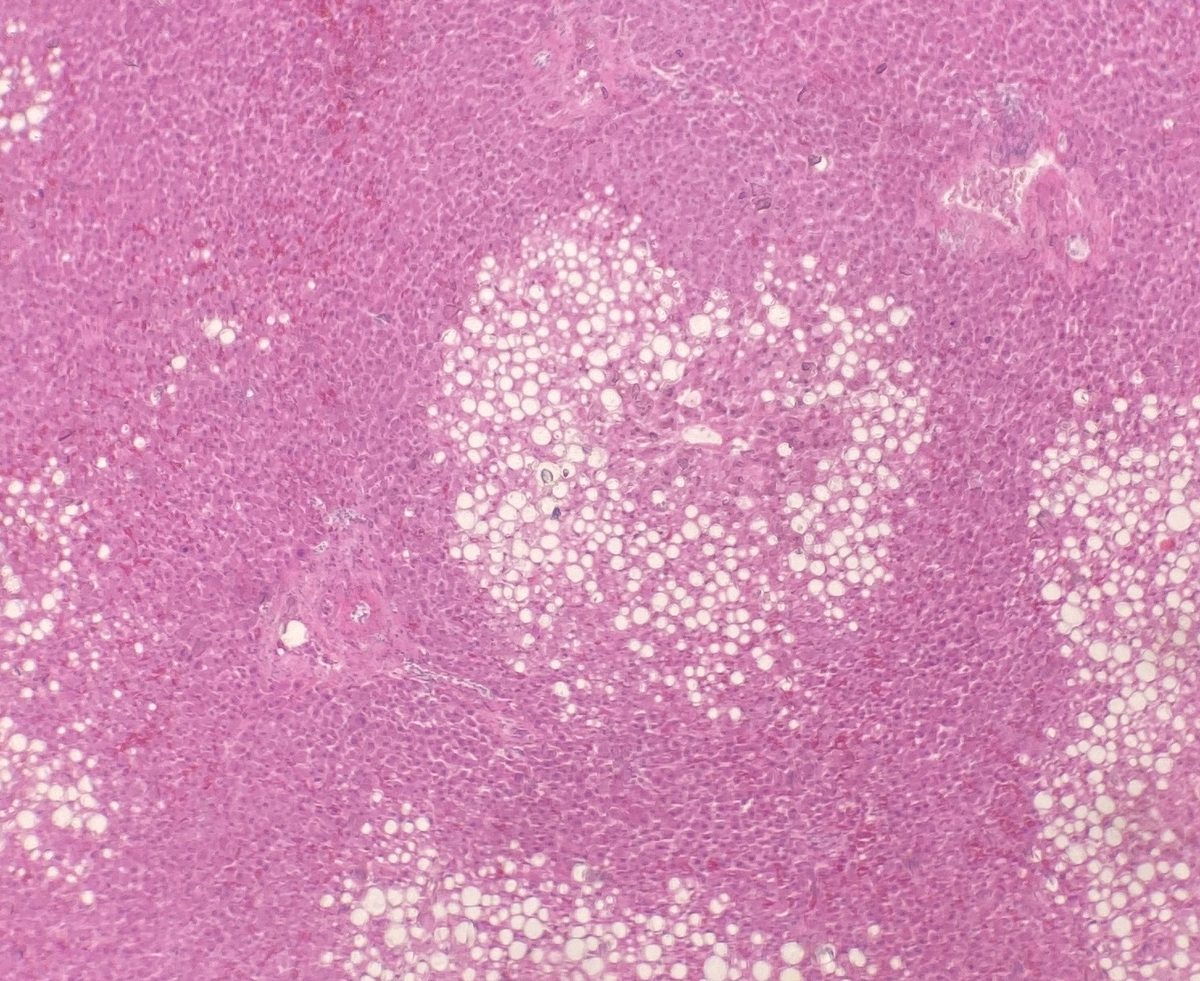
Liver health · October 18, 2026
297 Belgians with fatty liver got a year of dietitian coaching, a liver app, or a leaflet and one good talk. All three groups lost about the same amount of liver fat
The coached group went to 16 sessions and lost the most weight, about 3 kg. Their livers did no better than those of people sent home with a brochure. The trial says a lot about advice, and a little about how hard weight loss is.
Read the analysis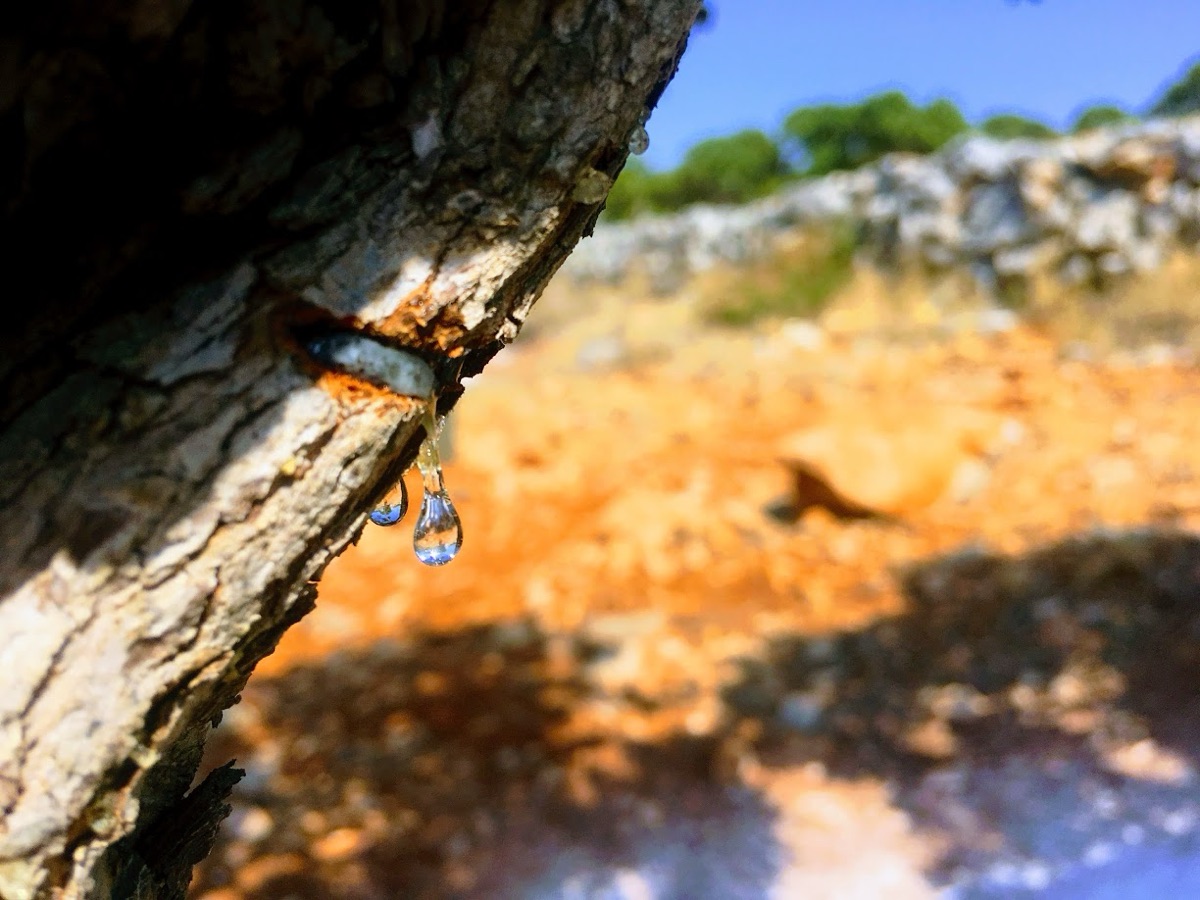
Blood pressure · October 18, 2026
Three months of Chios mastic, a Greek tree resin, in 106 adults whose blood pressure was already under control: the 24-hour readings did not come down. On the lower dose, one of them went up
Earlier small studies had hinted that the resin lowers blood pressure. An Athens trial with dummy tablets that even smelled of mastic found no benefit in people already treated, and the paper's own tables raise a few questions.
Read the analysis
Gut health · October 18, 2026
A litre a day of sulfate-rich mineral water, 157 constipated adults across Germany: by week two the drinkers went about once more a week than the control group. At week three, the finish line they had registered, the gap was no longer clear
A home-based trial tested an old spa remedy against ordinary low-mineral water. It sped up results for some people. The main test, the one fixed in advance, came out short, and the water is easy to tell apart by taste.
Read the analysis
Women's health · October 18, 2026
Ten days of rhodiola before their periods, and 24 taekwondo athletes in Tehran got calmer and 60 milliseconds quicker. The trial is small, unregistered and tested 17 symptoms at once
A new placebo-controlled trial says a common herbal supplement eased irritability, anxiety and cravings in female fighters with PMS, and sped up their reactions. The results are tidy. That is part of the problem.
Read the analysis
Pregnancy nutrition · October 18, 2026
A daily amaranth and chickpea flatbread for 306 pregnant women in rural Ethiopia: bigger arms, better weight gain, and a paper whose own tables can't agree on the numbers
Swap the usual maize bread for one made mostly of amaranth, and fewer mothers end pregnancy undernourished, a new trial reports. The direction looks solid. The size of the effect depends on which page you read.
Read the analysis
Teen nutrition · October 18, 2026
10,710 American high schoolers, two years apart: more of them ate fruit and vegetables every day and drank more water. The soda habit didn't move, and only one in five had gym class every school day
CDC's national survey of teenagers has some good news on the plate for once. Look closer, though: "once a day" is a low bar, potatoes count as a vegetable, and seven in ten students still had a regular soda in the week before they filled in the form.
Read the analysis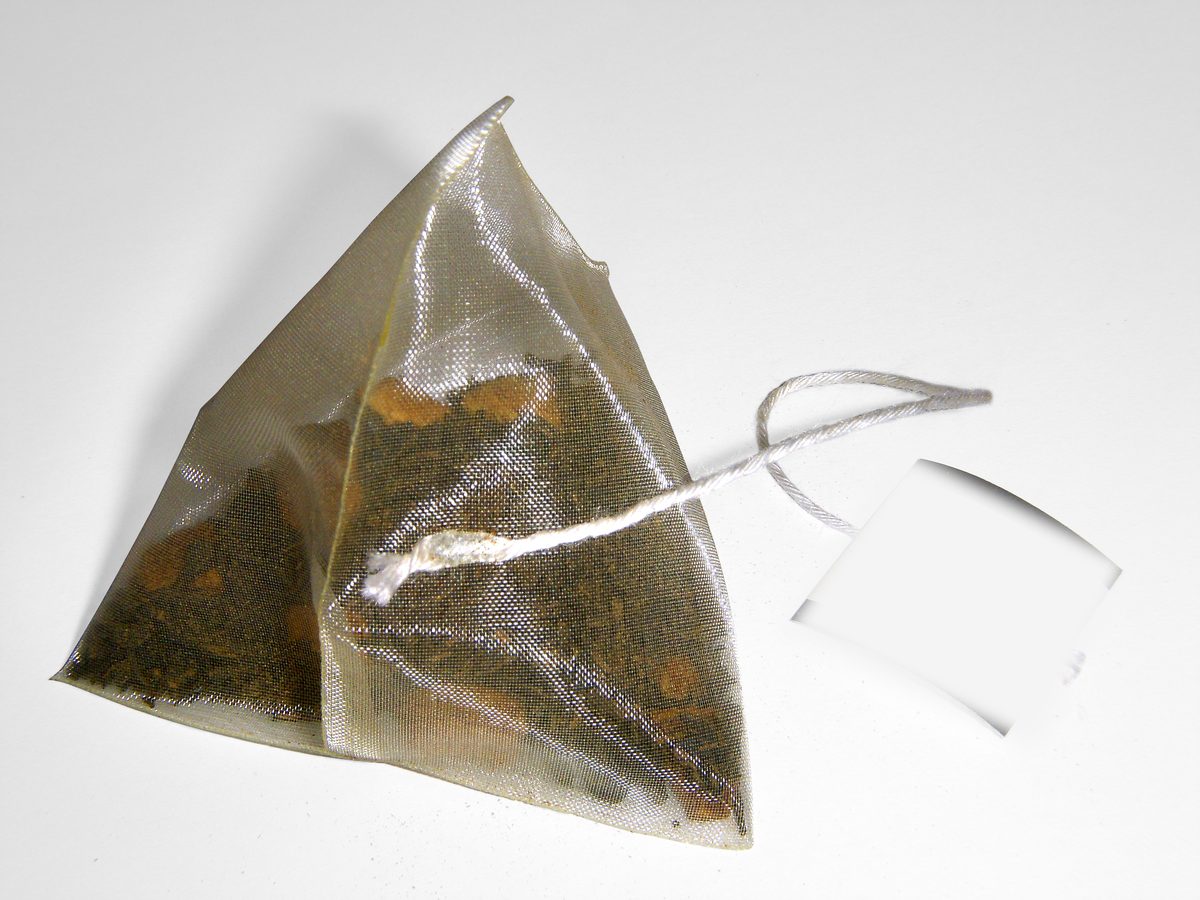
Food safety · October 18, 2026
28 tea brands, brewed at 95 °C for three minutes: a cup made with a plastic tea bag held hundreds to a couple of thousand microplastic particles. Loose tea held a handful
Researchers in Türkiye's tea country counted what comes out of the bag. Every large particle from the plastic bags was a nylon fibre, and the BPA from bagged tea reached a fifth of Europe's new, very strict daily limit. The risk estimate still came out below the danger line.
Read the analysis
Breastfeeding · October 17, 2026
Feed the mother, change the milk? Across 640 breastfeeding women in Burkina Faso, Pakistan and Tanzania, supplements raised the B vitamins in their milk. The fat, protein and sugars barely budged
A study in Science pooled milk from three randomised trials and found that what reaches the baby is partly up to the mother's diet and partly guarded by the breast itself. Infant growth improved in only one setting: where mothers were the most undernourished.
Read the analysisFrom our articles
Read, then eat a little better
Plain-language guides on nutrition and wellness, backed by research.

Supplements and vitamins
Spermidine from food or capsules: measured milligrams in wheat germ, soybeans and cheese, and what the one year-long trial found
Wheat germ holds about 22 to 34 mg of spermidine per 100 g, matured cheese about 0.12 mg. The only year-long capsule trial used 0.9 mg a day and found no memory benefit. Measured values, worked doses and safety.
22 Nov 2026

Supplements and vitamins
Zinc carnosine for the gut lining: what the two human trials gave, the zinc in each dose, and the copper catch
Zinc carnosine is only about 22.6% zinc, so 75 mg twice a day is roughly 34 mg of zinc a day. Here are the doses and results of the 10-person NSAID permeability trial and the 20-person aspirin pilot, and the copper cautions.
22 Nov 2026

Women's health
Inositol for PCOS: the 40:1 ratio, trial doses, and food milligrams
Why do randomized trials in polycystic ovary syndrome prioritize the 40:1 myo to D-chiro inositol ratio? Here is the science behind the ovarian epimerase paradox, clinical ovulation and insulin metrics, and why cantaloupe cannot replace 4,000 mg trial powder.
21 Nov 2026
Start with a virtual consultation
Tell Dr. Triveni what you want to change. You will leave with a clear next step, whether you are in Toronto, London, New York or Chennai.