Newsfeed
Nutrition research, analysed
A new analysis every hour. Each one covers a recent study or report: What was found, the numbers behind it and the sources to check. We write about research from the last two weeks, not the news of the day.

Breastfeeding · October 17, 2026
Feed the mother, change the milk? Across 640 breastfeeding women in Burkina Faso, Pakistan and Tanzania, supplements raised the B vitamins in their milk. The fat, protein and sugars barely budged
A study in Science pooled milk from three randomised trials and found that what reaches the baby is partly up to the mother's diet and partly guarded by the breast itself. Infant growth improved in only one setting: where mothers were the most undernourished.
Read the analysis
Child health · October 17, 2026
323 Canadian preschoolers with hard-to-control asthma got big doses of vitamin D or a dummy for seven months. Their blood levels went up. Their steroid-needing flare-ups barely moved
Two 100,000 IU doses of vitamin D plus a daily dose, in children aged 1 to 5 whose colds keep turning into asthma attacks: a triple-blind trial across nine hospitals found 0.67 rescue steroid courses per child against 0.71 on placebo. The pandemic cut the trial short, so the door isn't fully closed.
Read the analysis
Healthy ageing · October 17, 2026
3,033 Australians, body scans across 17 years: the ones who got more calcium from food carried a little more muscle in their arms and legs. Being inactive cost about as much as three years of ageing
Researchers in Geelong measured arm and leg muscle with X-ray scans up to three times per person and looked for what kept it on. Calcium, activity and not smoking all showed up. So did a few results that look backwards at first, like higher LDL cholesterol going with more muscle.
Read the analysis
Cancer · October 17, 2026
461,682 older Americans, 19 years of cancer records: eating the most ultra-processed food made no difference to bowel cancer. The breakfast cereal went one way, the hot dogs the other
Researchers at the US National Cancer Institute expected ultra-processed food to raise bowel cancer risk. Overall it didn't. Split the label apart and the reason shows: the same category held most of these people's whole grains and a good part of their calcium, and three-quarters of their processed meat.
Read the analysis
Digestive health · October 17, 2026
306,543 UK adults, seven healthy habits, nearly 13 years of records: those with five or more were 37% less likely to be diagnosed with acid reflux. Weight and sleep mattered most, diet only a little
A UK Biobank study tallied never smoking, a healthy weight, good sleep, regular exercise, a healthy diet, moderate drinking and no more than two cups of tea or coffee a day, then counted who went on to be diagnosed with reflux disease. More habits went with steadily lower risk. One of the seven made no difference at all.
Read the analysis
Heart health · October 15, 2026
Across 1,020 adults in Chennai, three diabetes-linked gene variants made no difference to cholesterol on average. Among the third with the lowest-scoring diets, the carriers' cholesterol ran higher
A gene-and-diet study from Chennai and the University of Reading found the genetic gap in total and LDL cholesterol only among people whose diets scored worst, and none in the middle or top thirds. The catch: it is one snapshot in time, and the interaction explained about 1% of the spread in cholesterol.
Read the analysis
Diabetes · October 15, 2026
Ten Swedes with type 2 diabetes lived on 850-calorie shakes for 12 weeks and saw their care team only on video. At six months all ten were off their tablets with HbA1c under 6.5%
A small pilot in Umeå matched the best results of the big meal-replacement trials without any clinic visits for support. But a sugar-drink test at the end told a less tidy story: three of the ten still had diabetes-range readings two hours later.
Read the analysis
Sweeteners · October 15, 2026
Swap every gram of added sugar in a Dutch diet for stevia and a sugar alcohol, and the climate footprint doesn't move. Water use goes up 11%
Sweeteners need far less farmland than sugar, so cutting sugar this way sounds like an easy win for the planet. A modelling study of what 143 high-calorie Dutch eaters actually ate found the gains in soft drinks were cancelled out by the bulking agent needed in cakes and sweets.
Read the analysis
Global child health · October 15, 2026
Twice a year, every child under five in 284 Burkina Faso villages got an antibiotic or a dummy dose. Three years on, their arms and weights looked the same
Mass doses of azithromycin are given to young children in parts of Africa to cut child deaths, and one idea was that clearing hidden infections helps them grow. A re-analysis of the CHAT trial, covering 80,282 children, found no difference in arm size or infant weight between villages that got the antibiotic and villages that got a placebo.
Read the analysis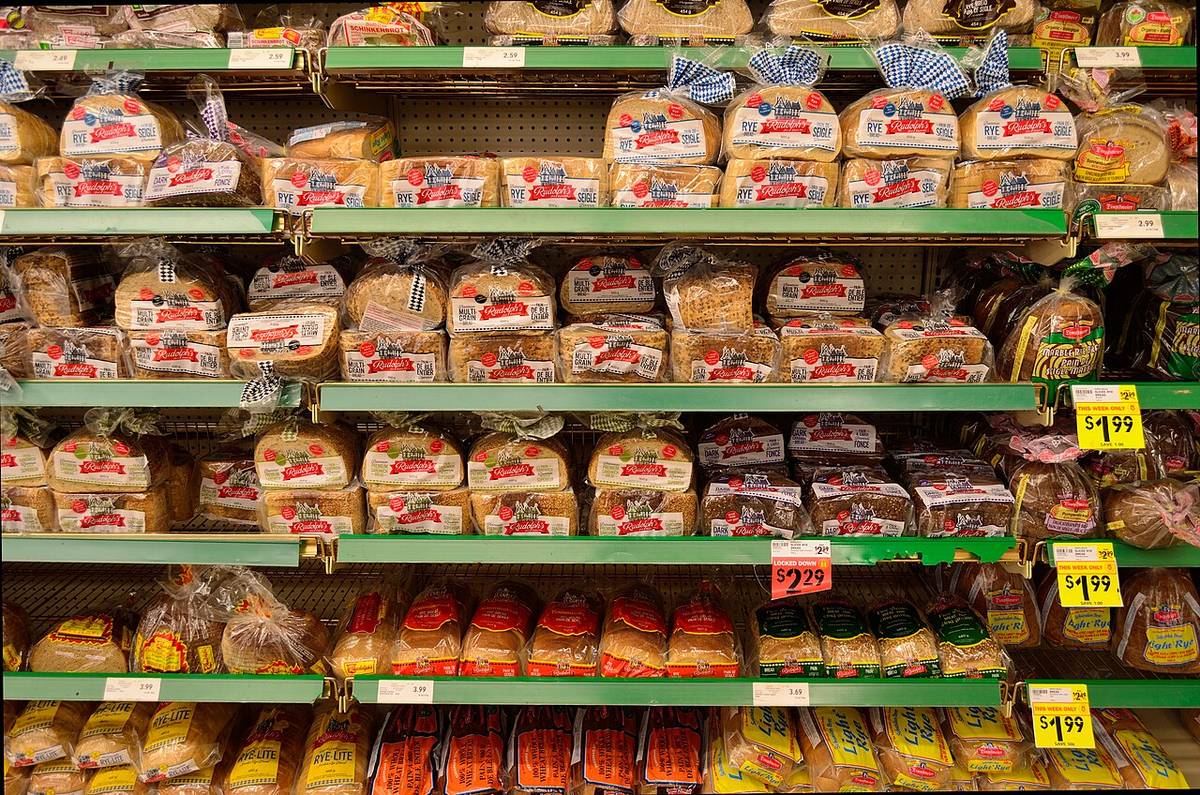
Ultra-processed food · October 15, 2026
Is half of Sweden's diet ultra-processed, or a quarter? The same national food records gave both answers, and much of the gap came down to how the bread was counted
Gothenburg researchers sorted every food in Sweden's three latest national diet surveys by how processed it was. Ultra-processed food came to about half of everyone's calories, or about a quarter with a stricter reading. Diets heavy in it were lower in fibre and higher in sugar; the link with weight was small and showed up only in adults.
Read the analysis
Sustainable eating · October 15, 2026
Pork sausage in paper or plant-based sausage in plastic? Most of 475 American shoppers called the pork greener. In every pair where carbon was worked out, they picked the higher-emission option
A Michigan State survey asked US adults which groceries were better for the planet. They judged mostly by the wrapper: glass over plastic, paper over trays, no packaging over less waste. The food inside, and the food thrown away, barely registered.
Read the analysis
Sports supplements · October 15, 2026
Freedivers who loaded creatine for a week pedalled a third further on a single breath. Count every diver who started, though, and the edge was no longer statistically clear
Twenty trained breath-hold divers in Athens took 20 g of creatine or a dummy powder a day for seven days, then cycled as far as they could without breathing. The creatine group's gains were bigger, but so were the caveats: the placebo group improved too, the groups started unevenly, and leaving out one diver changed the result.
Read the analysisFrom our articles
Read, then eat a little better
Plain-language guides on nutrition and wellness, backed by research.

Supplements and vitamins
Spermidine from food or capsules: measured milligrams in wheat germ, soybeans and cheese, and what the one year-long trial found
Wheat germ holds about 22 to 34 mg of spermidine per 100 g, matured cheese about 0.12 mg. The only year-long capsule trial used 0.9 mg a day and found no memory benefit. Measured values, worked doses and safety.
22 Nov 2026

Supplements and vitamins
Zinc carnosine for the gut lining: what the two human trials gave, the zinc in each dose, and the copper catch
Zinc carnosine is only about 22.6% zinc, so 75 mg twice a day is roughly 34 mg of zinc a day. Here are the doses and results of the 10-person NSAID permeability trial and the 20-person aspirin pilot, and the copper cautions.
22 Nov 2026

Women's health
Inositol for PCOS: the 40:1 ratio, trial doses, and food milligrams
Why do randomized trials in polycystic ovary syndrome prioritize the 40:1 myo to D-chiro inositol ratio? Here is the science behind the ovarian epimerase paradox, clinical ovulation and insulin metrics, and why cantaloupe cannot replace 4,000 mg trial powder.
21 Nov 2026
Start with a virtual consultation
Tell Dr. Triveni what you want to change. You will leave with a clear next step, whether you are in Toronto, London, New York or Chennai.