Newsfeed
Nutrition research, analysed
A new analysis every hour. Each one covers a recent study or report: What was found, the numbers behind it and the sources to check. We write about research from the last two weeks, not the news of the day.

Plant-based diets · October 15, 2026
Vegetarian women were nearly three times as likely to take a B12 supplement as meat eaters. Their 'active B12' still came out more than a third lower
Surrey researchers pooled 11 years of the UK's national diet survey, food diaries and blood tests from women aged 18 to 45. The usual blood test barely told the groups apart. Two more sensitive markers did, and the authors think the UK's B12 target itself may be set too low.
Read the analysis
Bone health · October 15, 2026
99 foods, 541,887 women, 20 years of hospital records: chicken and vegetables lined up with fewer broken hips, chips and fizzy drinks with more. So, oddly, did Brussels sprouts
Oxford researchers checked almost everything British women over 50 said they ate against two decades of hip fractures. Sixty of 99 foods and nutrients came out linked to risk, mostly in the direction you would guess. The surprises, and the short list that held up in the strictest test, are where it gets interesting.
Read the analysis
Family eating · October 15, 2026
What 478 dads ate as teenagers, years before they had children, lined up with how often their toddlers ate vegetables. The family rules explained only a sliver of it
A US study followed men from their school years into fatherhood. Those whose eating got healthier through adolescence had small children far more likely to eat vegetables twice a day. The researchers expected house rules and family meals to carry that link. They carried very little of it.
Read the analysis
Body composition · October 15, 2026
Six months of Mediterranean diet coaching, 2.6 kg lighter, and the body-fat scale said they were 0.94 years 'younger'. The researchers spend half their paper explaining why that number needs care
A clinic in Türkiye went back over the scale readings of 414 adults who followed a dietitian's Mediterranean plan. Their 'metabolic age' fell by just under a year. Fat around the organs and the balance of muscle to fat tracked that change far better than weight did. The catch: the same machine produced all of those numbers.
Read the analysis
Eye health · October 15, 2026
Four years of eye checks on 204,238 short-sighted children: what they ate barely moved the needle. Which district their school was in moved it a lot
A Chinese city followed its myopic schoolchildren for four years to see who went on to severe short sight. A plant-based way of eating came out a few per cent ahead, about as small as a finding can be and still count. Two hours a day outdoors did better. Living in one of the poorer districts outweighed both.
Read the analysis
Kidney health · October 15, 2026
A third of dialysis patients described a diet too small to keep them alive. Fixing that one error made their salt look worse, not better
Researchers in Bangladesh asked 181 people on hemodialysis what they had eaten on three separate days. For 57 of them the totals were too low to keep a stable body going. Set those records aside and the protein picture improved sharply, while the sodium picture got worse. The same mistake in a food diary bends advice in two opposite directions at once.
Read the analysis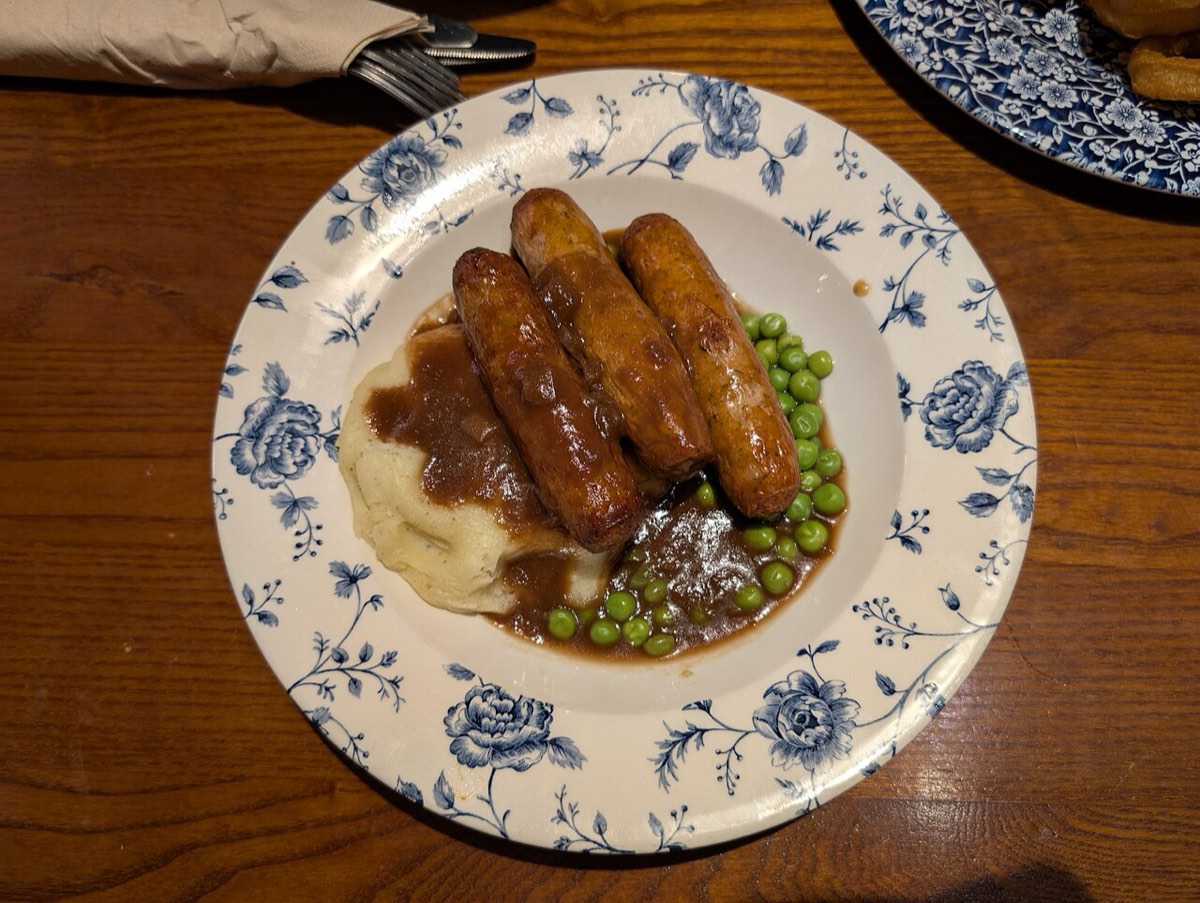
Care homes · October 15, 2026
Researchers read a week of menus from 136 British care homes. Sausages turned up more often than a single meal made only from plants
A University of Surrey team scored the lunch and dinner menus of UK care homes for how plant-forward they were. On average only 8% of meals had no animal foods at all, 16% contained processed meat, and the most common plant protein on the menu was a tin of baked beans served next to meat. The authors want more beans and lentils on the plate; the residents' need for protein and comfort makes that less simple than it sounds.
Read the analysis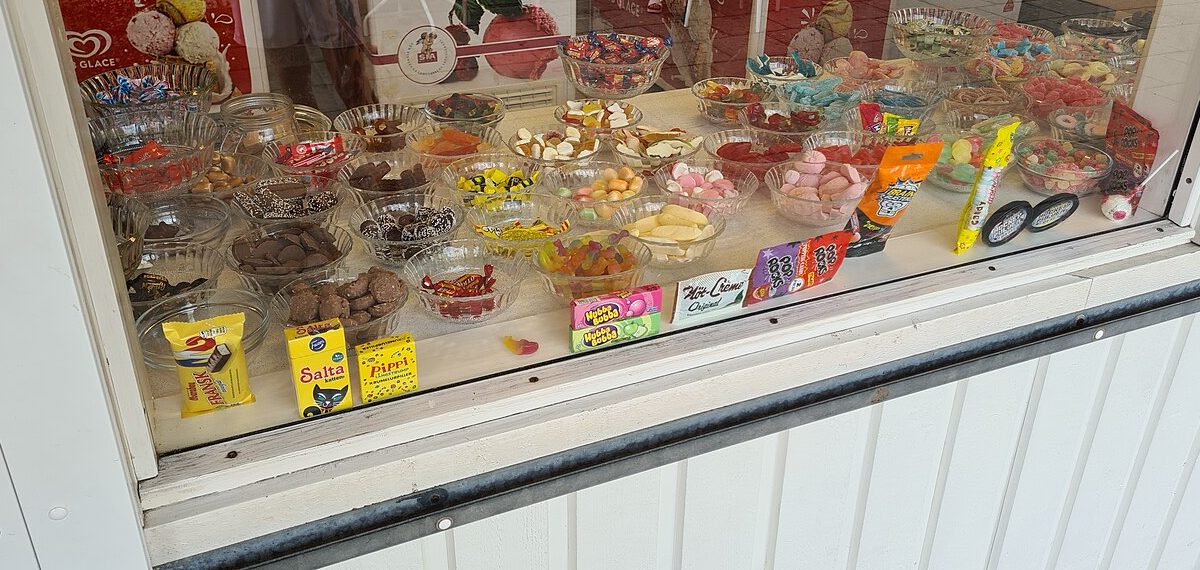
Food preferences · October 13, 2026
Researchers sorted people by the foods they said they liked, not the foods they ate. The sweet-tooth group went on to have 79% more dementia
A UK Biobank analysis grouped adults into three taste profiles from a questionnaire about food likes and dislikes. People whose answers leaned towards sweet foods and sweet drinks had a higher rate of dementia later, and their blood tests made them look slightly older than their years. Yet that faster ageing explained less than a twentieth of the link, so most of the story is still missing.
Read the analysis
Pregnancy and infancy · October 13, 2026
Babies who cried inconsolably and also had eczema were more often born to mothers who ate little fish in pregnancy. Babies with colic alone showed no such link
A Boston study went back to the pregnancy food diaries of 1,324 mothers and lined them up with how their babies fared at six months. Diet quality made no difference to colic on its own, or to eczema on its own. It mattered only for the smaller group of babies who had both, and that detail may say more about colic than about the diet.
Read the analysis
Shift work · October 13, 2026
Do night-shift nurses snack more than day nurses, or less? A new paper on 408 Italian nurses says both, and the reason turns out to be a division sum
The summary of a new nursing study says half of night-shift nurses snack between meals against fewer than a quarter of day nurses. The table inside the same paper says 68% against 83%, the other way round. Both sets of numbers come from the same 408 answers. Working out how is a small lesson in why the headline figure of a study is worth checking against its own tables.
Read the analysis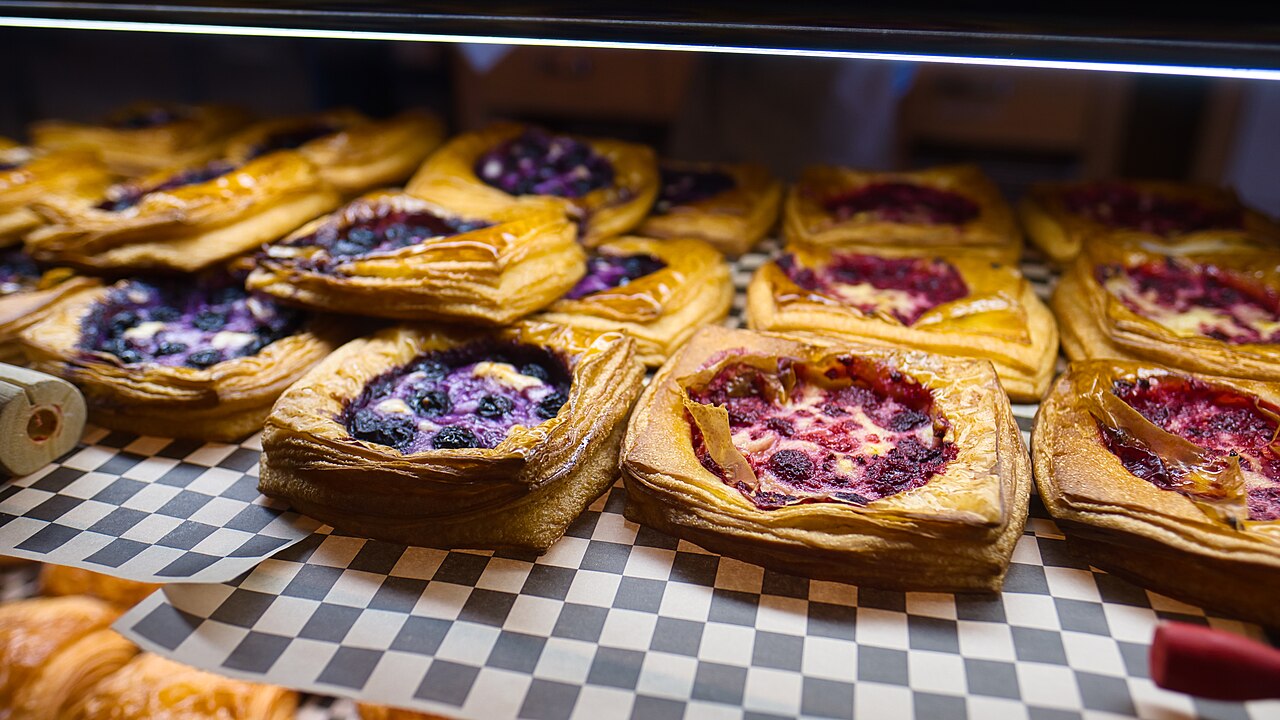
Teen nutrition · October 13, 2026
Sixty-one Chilean schoolchildren had a brain scan and filled in a food questionnaire. The frequent pastry eaters had a smaller memory centre, and fruit and vegetables showed no link either way
Researchers in Valparaíso scanned the brains of 61 children aged about eleven and asked how often they ate nine kinds of food. Pastries, fried food and soft drinks tracked together with smaller volumes in parts of the brain tied to memory, emotion and self-control. The healthy foods tracked with nothing. Before anyone clears out the bread bin, it is worth seeing how small this study is and how much it cannot say.
Read the analysis
Fertility · October 13, 2026
Eight women trying for a baby spent a week on broth and juice in a Berlin fasting trial. All of them were tired, half found it hard, and the trial itself closed early without saying whether it helps
A hospital team in Berlin put women with infertility on a supervised seven-day fast of vegetable broth and juice, then interviewed eight of them. They talked about a clear head, calm, and the relief of finally doing something themselves. They also talked about flat moods, bland broth and sitting out dinners. What nobody can tell them yet is whether it did anything for their chances of getting pregnant.
Read the analysisFrom our articles
Read, then eat a little better
Plain-language guides on nutrition and wellness, backed by research.
Supplements and vitamins
Spermidine from food or capsules: measured milligrams in wheat germ, soybeans and cheese, and what the one year-long trial found
Wheat germ holds about 22 to 34 mg of spermidine per 100 g, matured cheese about 0.12 mg. The only year-long capsule trial used 0.9 mg a day and found no memory benefit. Measured values, worked doses and safety.
22 Nov 2026

Supplements and vitamins
Zinc carnosine for the gut lining: what the two human trials gave, the zinc in each dose, and the copper catch
Zinc carnosine is only about 22.6% zinc, so 75 mg twice a day is roughly 34 mg of zinc a day. Here are the doses and results of the 10-person NSAID permeability trial and the 20-person aspirin pilot, and the copper cautions.
22 Nov 2026

Women's health
Inositol for PCOS: the 40:1 ratio, trial doses, and food milligrams
Why do randomized trials in polycystic ovary syndrome prioritize the 40:1 myo to D-chiro inositol ratio? Here is the science behind the ovarian epimerase paradox, clinical ovulation and insulin metrics, and why cantaloupe cannot replace 4,000 mg trial powder.
21 Nov 2026
Start with a virtual consultation
Tell Dr. Triveni what you want to change. You will leave with a clear next step, whether you are in Toronto, London, New York or Chennai.