Newsfeed
Nutrition research, analysed
A new analysis every hour. Each one covers a recent study or report: What was found, the numbers behind it and the sources to check. We write about research from the last two weeks, not the news of the day.
Food access · October 13, 2026
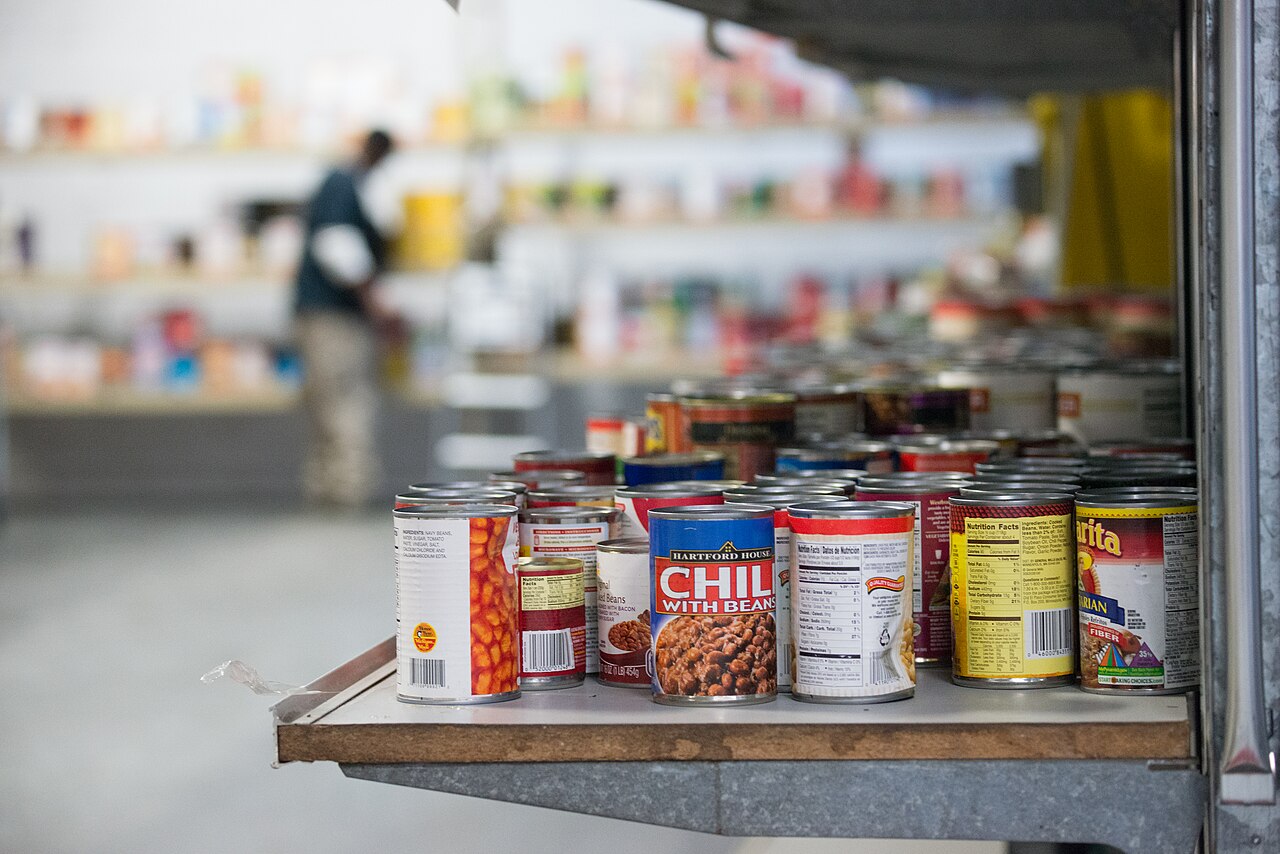
More than half of LGBTQ+ adults in a Massachusetts survey ran short of food in 2024, up from 44% two years earlier. Their use of food pantries didn't move
Three yearly surveys of about 3,000 Massachusetts adults each found food insecurity rising for everyone, and sitting about 20 points higher among LGBTQ+ adults every time. Among those who hadn't signed up for food benefits, nearly half didn't know whether they qualified, and almost as many worried they'd be taking help from someone who needed it more. The catch: this is an online panel in one state, asked once a year, and it can't say why.
Read the analysis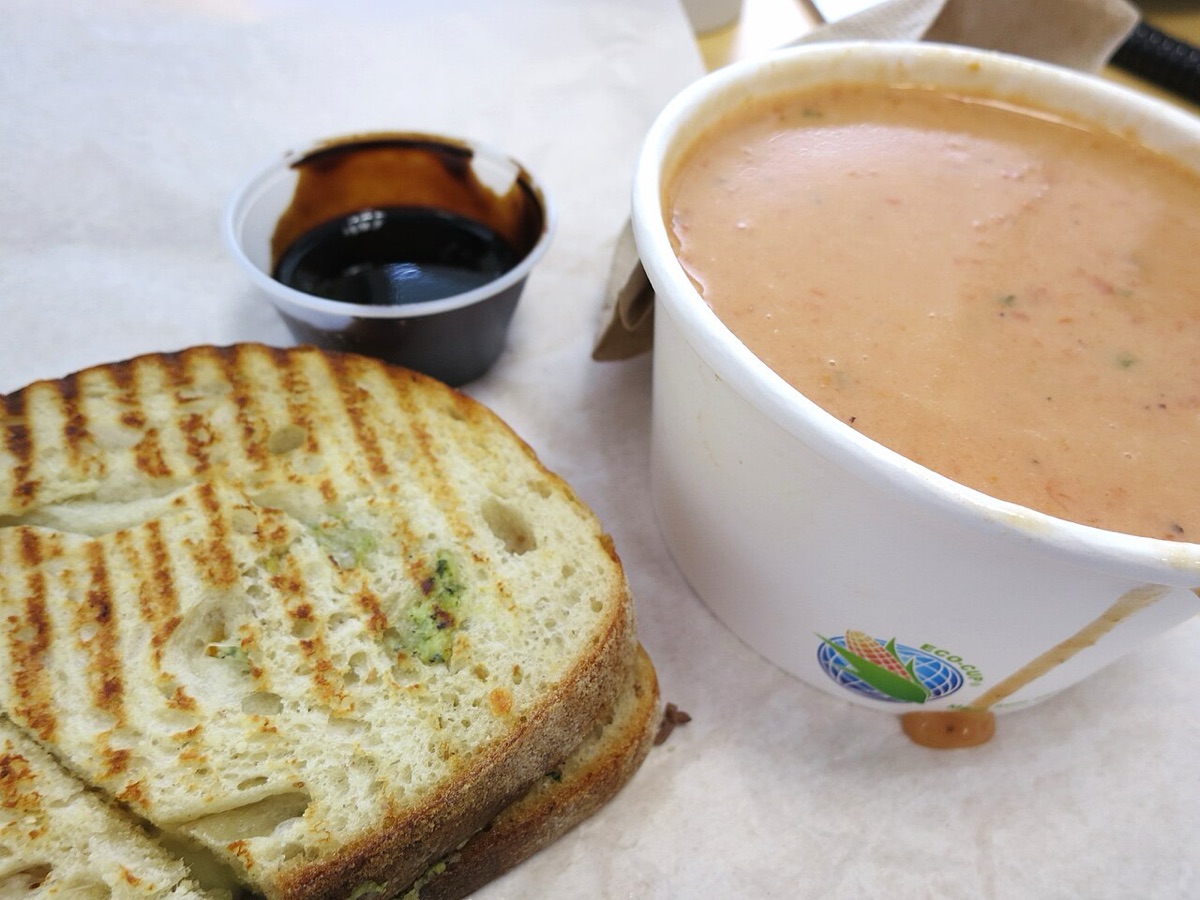
Workplace health · October 13, 2026
Ten Sri Lankan offices got a diet programme matched to how ready each worker was to change. After 12 weeks, 39% of their staff met the healthy-diet mark, against 3% in ten offices left alone
Office workers who weren't thinking about changing got three short talks. Those already trying got a daily tally sheet for food servings. Fruit went up, sweets and fried snacks went down, and nothing moved in the comparison offices. The catch: every number comes from workers recalling what they ate the day before, in a trial nobody was blinded to.
Read the analysis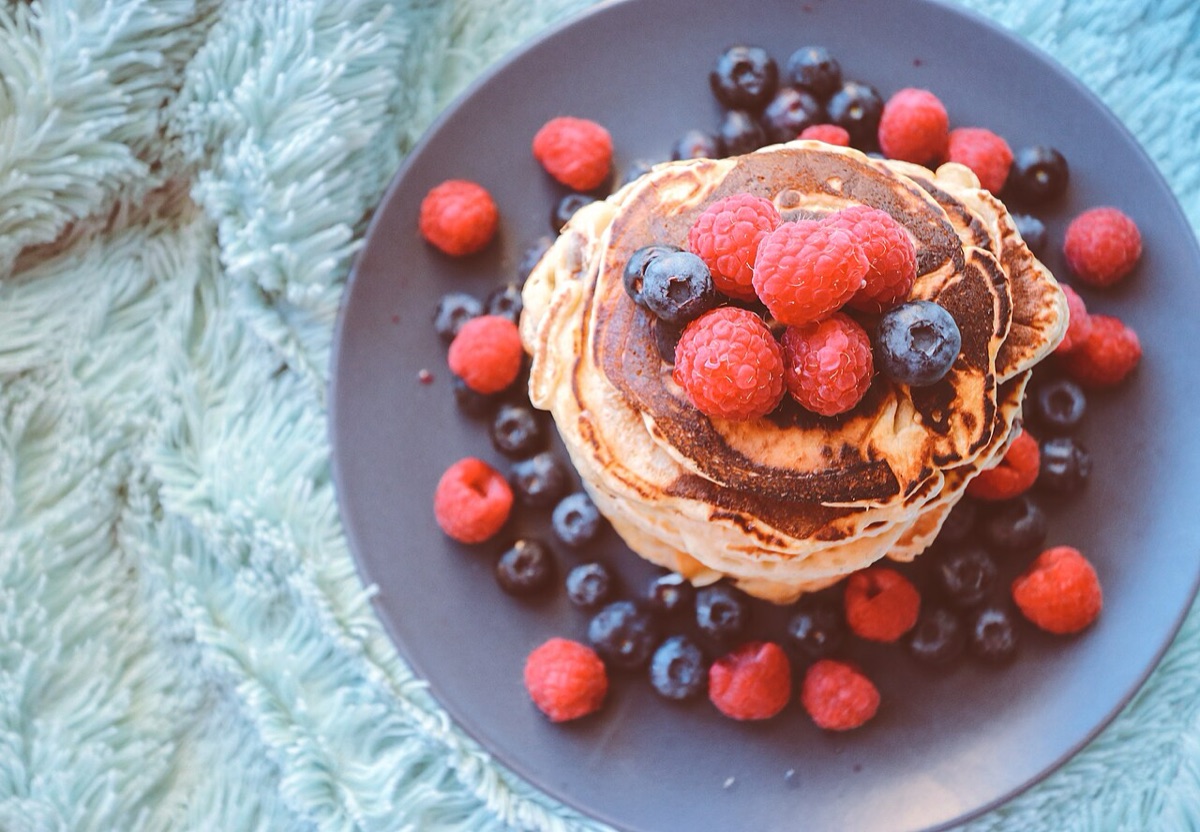
Gut health · October 13, 2026
Hours after a high-fibre lunch, 20 young volunteers breathed out more vinegar and wood alcohol. After pancakes, hazelnut spread and chocolate mousse, those two signals never came
A Belgian team sampled volunteers' breath every hour for nine hours on a day of balanced meals and a day of sugary, low-fibre ones. Two compounds traced to gut bacteria climbed through the afternoon only on the fibre day. It is a small, exploratory study, and the most telling result may be how differently each person's breath behaved.
Read the analysis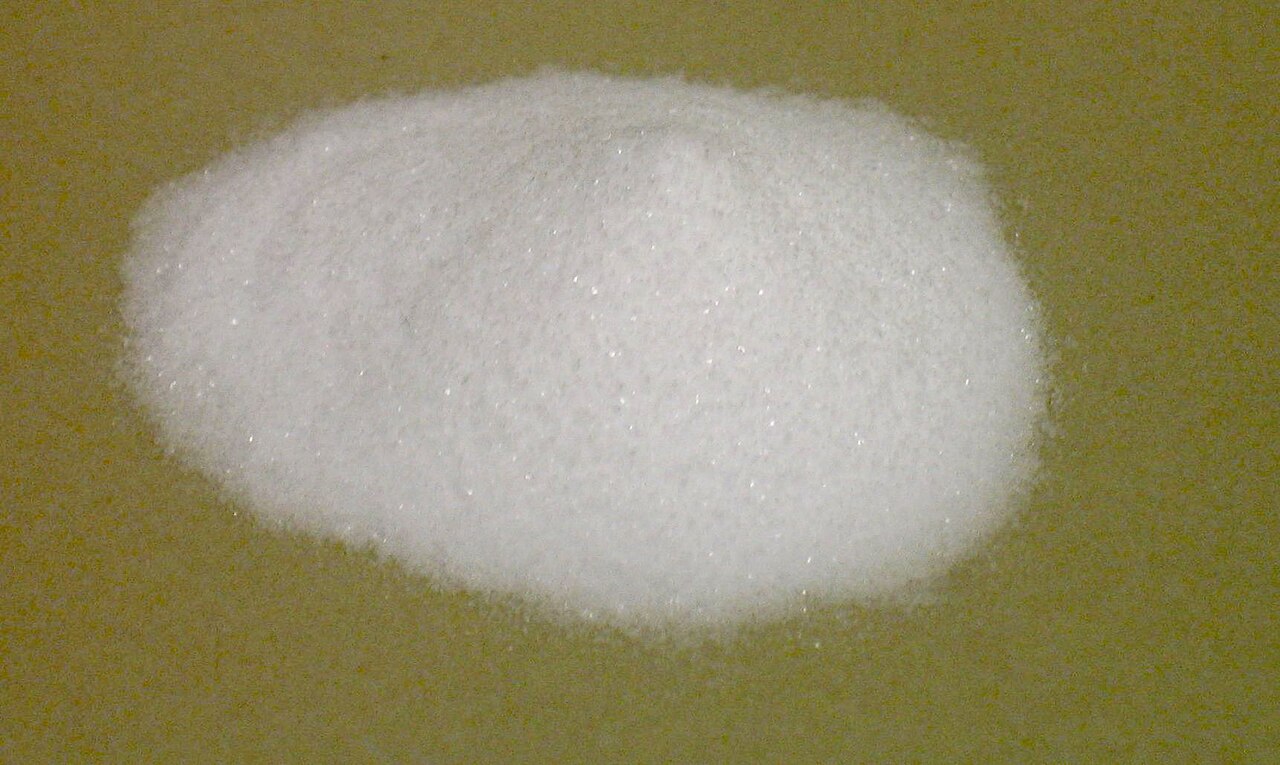
Sports nutrition · October 13, 2026
Basketball players swallowed about 38 g of baking soda a day for four weeks and jumped higher than those on the usual dose. Nobody tested their blood, and not one reported a stomach ache
A Chinese trial put 40 club players through a month of sprint training with capsules of sodium bicarbonate or a dummy. The bigger dose won on all seven fitness tests. But there were ten men to a group, the side effects were checked by asking around at training, and the paper never mentions how much sodium that dose carries.
Read the analysis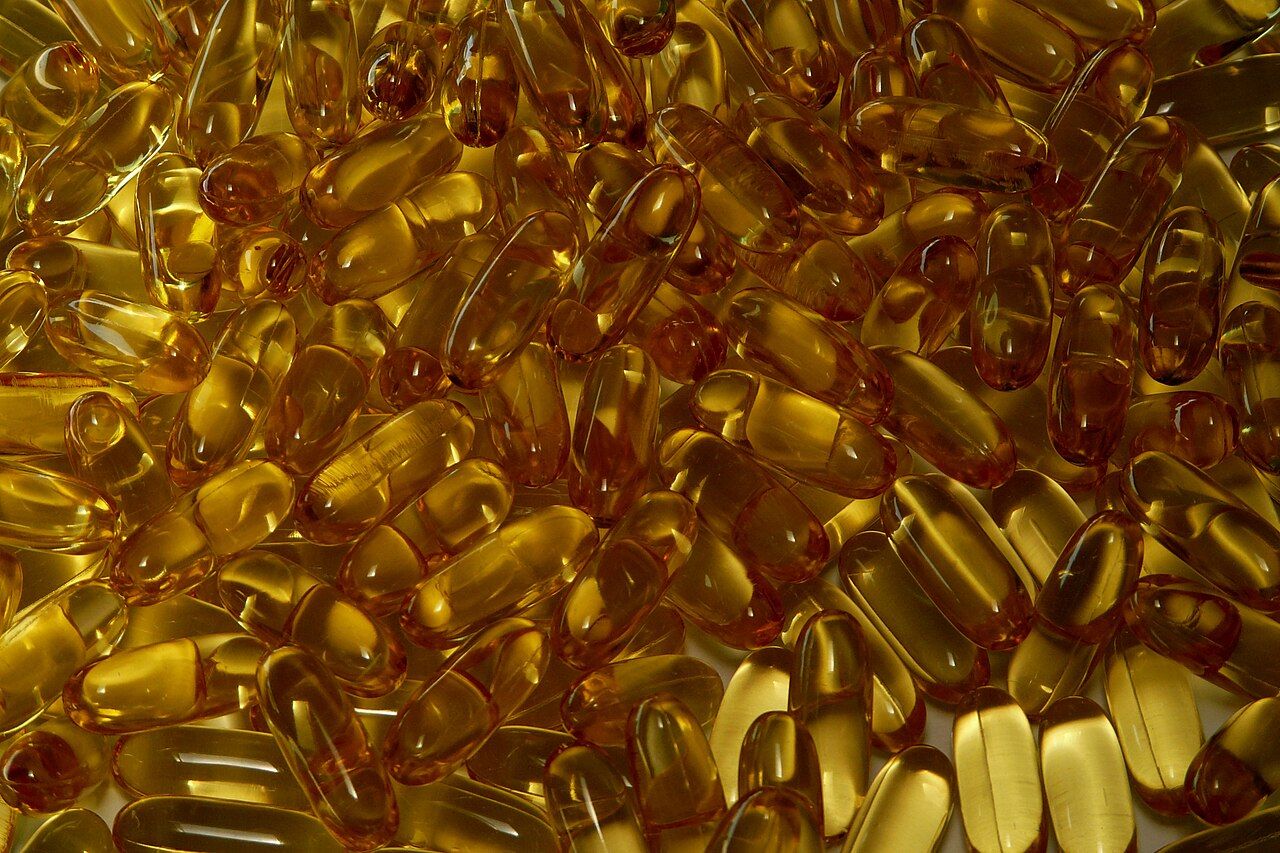
Personalised nutrition · October 13, 2026
A bigger omega-3 dose in pregnancy cut very early births for women with one gene variant, and may have done the opposite for women without it. The whole case rests on 17 babies
A US trial gave pregnant women either 200 mg or 1,000 mg of DHA a day. Years later, researchers thawed the stored blood and tested one stretch of DNA that controls how much of a rival fat the body makes. Carriers had fewer very early births on the high dose. Non-carriers went past their due date more often, and had five very early births where the low-dose group had one.
Read the analysis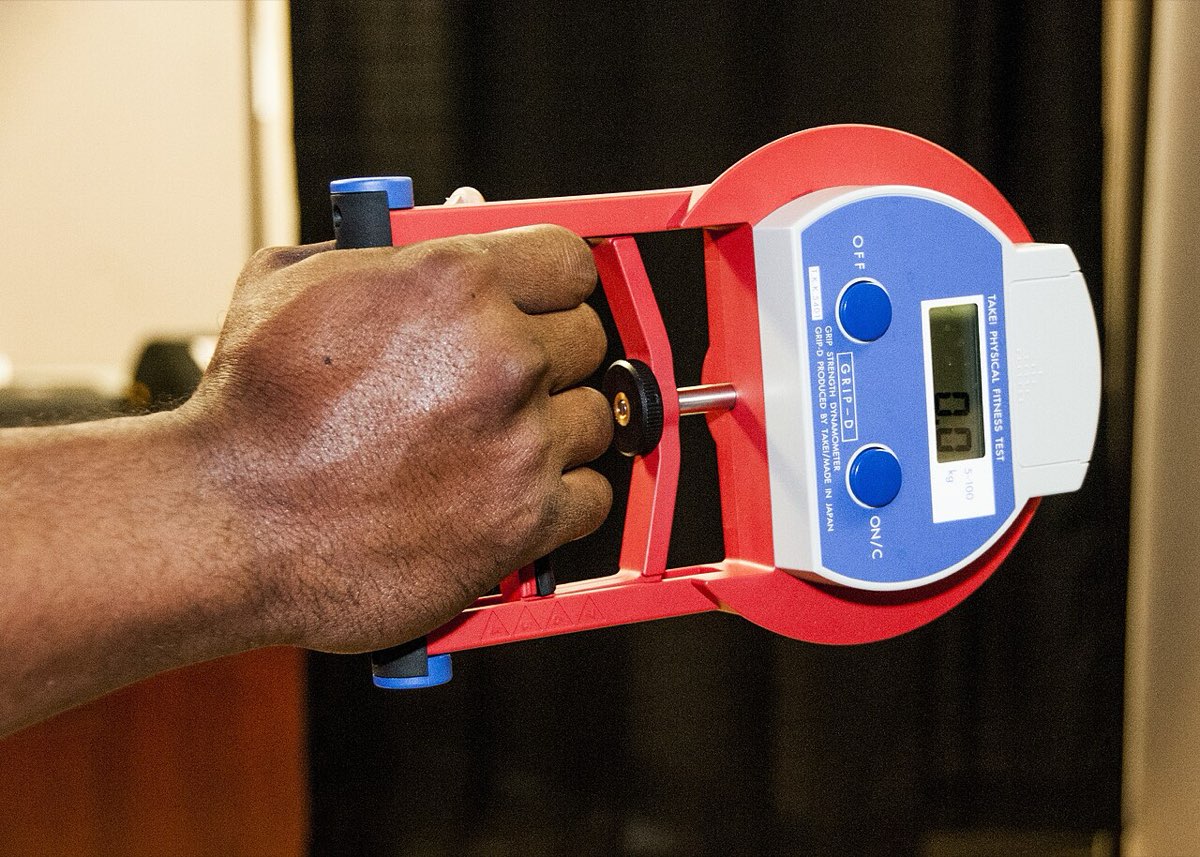
Muscle and ageing · October 13, 2026
Less fat inside the thigh muscles, a stronger grip? A low-carb trial in people over 60, run in 2015 and funded by egg money, reports its strength results nine years on
Thirty-four older adults with obesity in Alabama ate either a very low-carb diet built around three eggs a day or a low-fat diet for eight weeks. A new paper says the fat marbled through their thigh muscles fell by a quarter on low-carb, and that people who lost more of it gained more grip strength. Look at the 2020 paper from the same trial and the story gets more complicated.
Read the analysis
Arthritis · October 13, 2026
A blood pressure diet for rheumatoid arthritis? After 12 weeks on DASH, people in an Istanbul trial said they felt much better. Their swollen joints didn't change
DASH was built in the 1990s to lower blood pressure. A Turkish team gave it to 40 people with active rheumatoid arthritis and compared them with 42 who kept eating as usual. Pain, energy and the disease score all improved. But the joint counts and CRP, the parts of the picture nobody can talk themselves into, stayed where they were, and four in ten people didn't finish.
Read the analysis
Ageing and loneliness · October 13, 2026
Twelve people over 65 who live alone in Barcelona let researchers photograph their fridges. In several kitchens the healthy food was right there. What was missing was someone to cook it for
Ask why older people living alone eat badly and the usual answers are money, mobility and knowledge. A small Barcelona study went into their kitchens, opened the fridge and asked them to talk. Only two of the twelve ate enough vegetables, even where the fridge was well stocked. 'I don't eat cockles alone,' one woman said. 'There are things to eat that are social.'
Read the analysis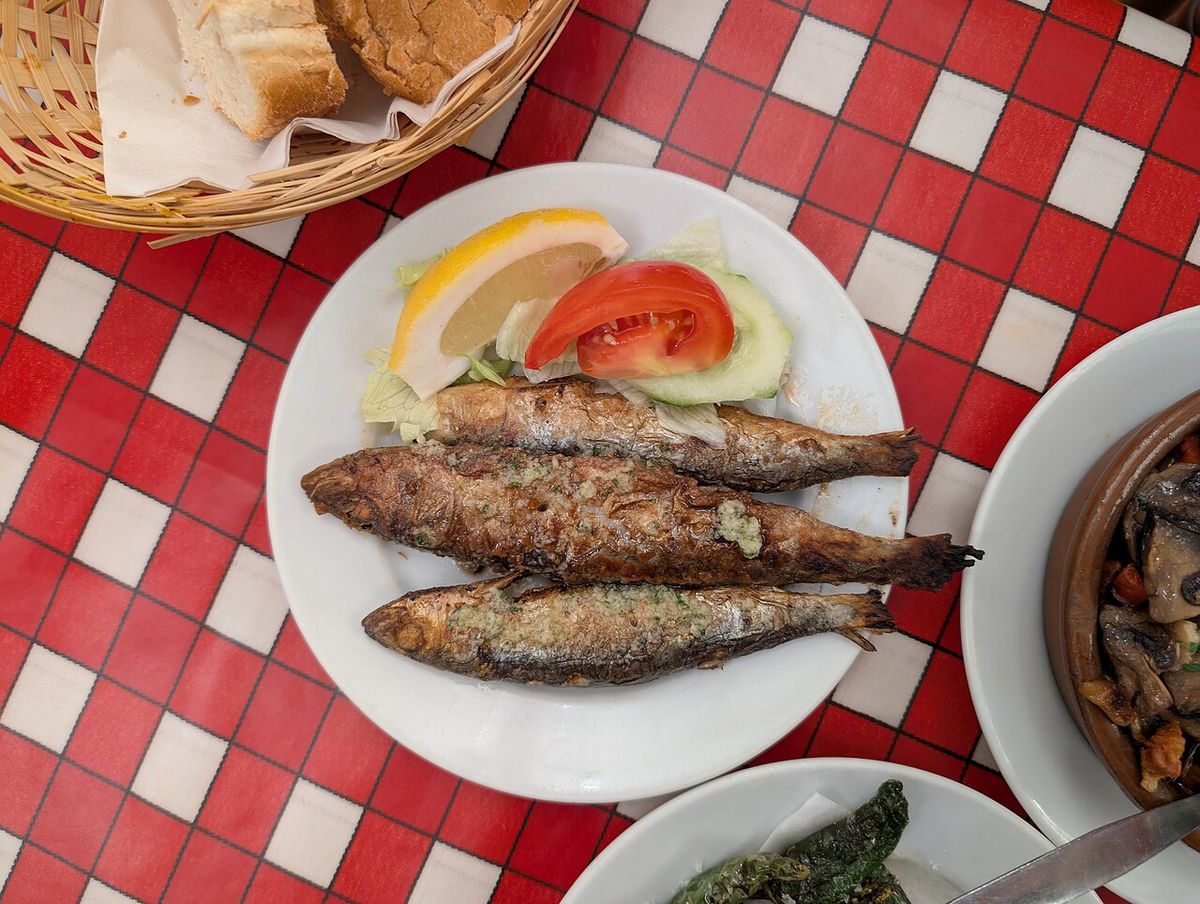
Child development · October 13, 2026
Spanish researchers measured omega-3 in the cord blood of 953 newborns, then tested the children until they were 15. The fish omega-3 and the plant omega-3 went with different things at different ages, and one of them faded
Pregnant women are told that omega-3 matters for the baby's brain. Most of the evidence stops in the early years, when the children are still small. A Spanish birth cohort kept going through primary school and into the teens, and found the picture changes as the children grow. The plant omega-3 looked best at five. The fish omega-3 looked better at fifteen.
Read the analysis
Food is medicine · October 13, 2026
New Orleans gave people with high blood pressure $100 a month for groceries, in a store or online. Store shoppers spent more than nine in ten of their vouchers, online shoppers under two in three, and blood pressure did not measurably change in either group
'Food is medicine' is one of the busiest ideas in American health care: pay for healthy groceries and let the food do some of the work. A small trial backed by the American Heart Association tested the simplest version on 98 people and compared two ways of handing over the money. The fruit-and-vegetable figure went up in both groups. The more useful lesson is about where people actually like to shop.
Read the analysis
Heart and blood · October 13, 2026
Young men from Kilimanjaro villages swapped their home cooking for fried chicken, chips and white rice for two weeks. A blood test then showed their plasma could make about a fifth more of the main clotting enzyme
The same trial reported last year on what a Western-style diet did to inflammation. Now the team has gone back to the frozen blood samples and asked a different question: does two weeks of urban fast food change how readily blood clots? One answer points that way. The others are messier, and a cup of the local banana beer gave a result nobody can quite read yet.
Read the analysis
Eating speed · October 13, 2026
Eight men ate the same meals at two speeds for eight days each. Their bodies took in the same share of the calories either way. What changed was further down: food took nine hours longer to pass through
Fast eaters tend to weigh more, and one idea is that a bolted meal is digested differently. A Japanese team tested that directly: identical food, eaten in a bit over half the usual time or in double it, with what came out measured as carefully as what went in. Absorption did not budge. Two other things did, and one of them looks like bad news for slow eating until you ask what a stool sample can and cannot tell you.
Read the analysisFrom our articles
Read, then eat a little better
Plain-language guides on nutrition and wellness, backed by research.

Supplements and vitamins
Spermidine from food or capsules: measured milligrams in wheat germ, soybeans and cheese, and what the one year-long trial found
Wheat germ holds about 22 to 34 mg of spermidine per 100 g, matured cheese about 0.12 mg. The only year-long capsule trial used 0.9 mg a day and found no memory benefit. Measured values, worked doses and safety.
22 Nov 2026

Supplements and vitamins
Zinc carnosine for the gut lining: what the two human trials gave, the zinc in each dose, and the copper catch
Zinc carnosine is only about 22.6% zinc, so 75 mg twice a day is roughly 34 mg of zinc a day. Here are the doses and results of the 10-person NSAID permeability trial and the 20-person aspirin pilot, and the copper cautions.
22 Nov 2026

Women's health
Inositol for PCOS: the 40:1 ratio, trial doses, and food milligrams
Why do randomized trials in polycystic ovary syndrome prioritize the 40:1 myo to D-chiro inositol ratio? Here is the science behind the ovarian epimerase paradox, clinical ovulation and insulin metrics, and why cantaloupe cannot replace 4,000 mg trial powder.
21 Nov 2026
Start with a virtual consultation
Tell Dr. Triveni what you want to change. You will leave with a clear next step, whether you are in Toronto, London, New York or Chennai.