Newsfeed
Nutrition research, analysed
A new analysis every hour. Each one covers a recent study or report: What was found, the numbers behind it and the sources to check. We write about research from the last two weeks, not the news of the day.
Gestational diabetes · October 13, 2026
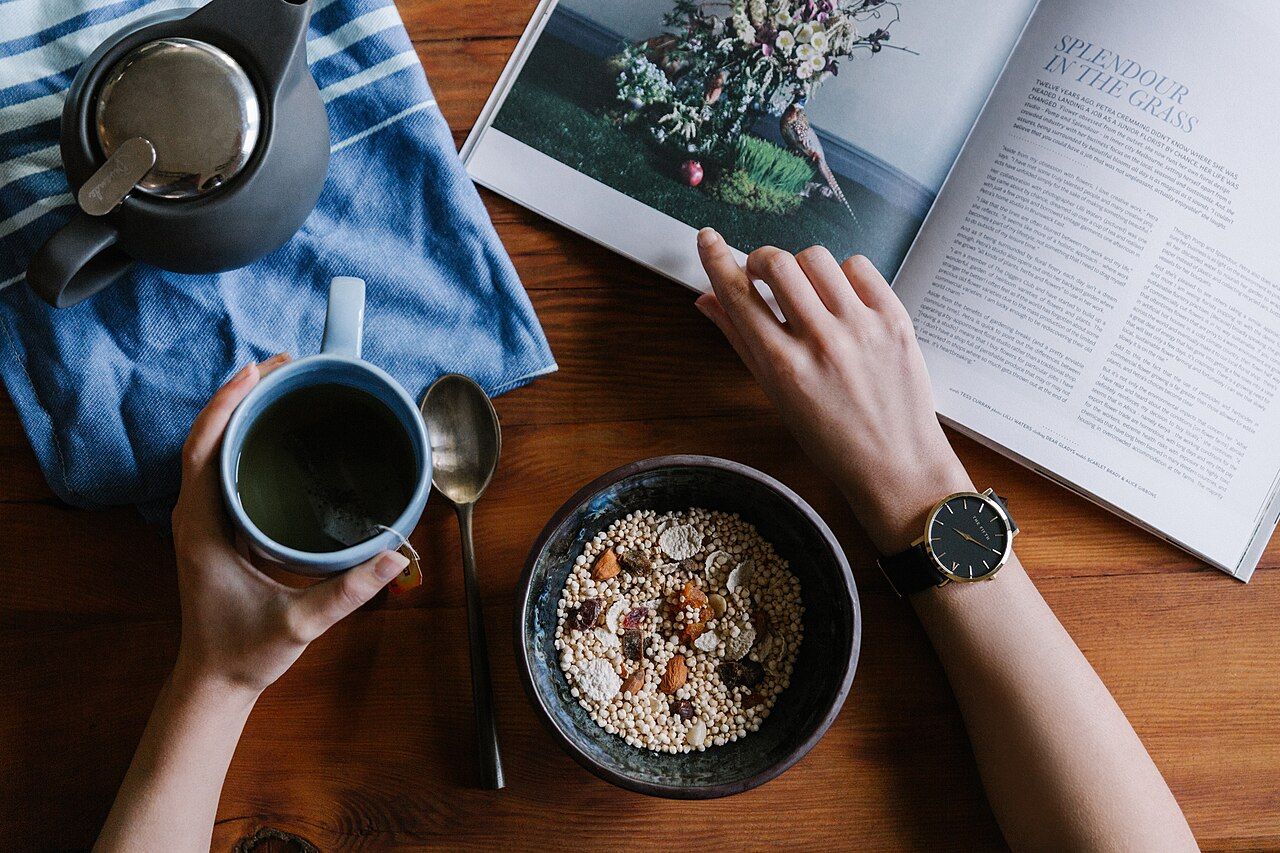
Same calories, a quarter of the carbs: a granola breakfast took a third off the after-breakfast glucose peak in women with gestational diabetes. Twelve of the 32 who started are missing from the result
Breakfast is the meal that most often sends glucose too high in gestational diabetes. A Sydney team gave women two breakfasts of almost identical calories for a week each, one built on nuts and seeds and one on cereal, milk and fruit, and tracked their glucose with a sensor they could not read. The gap after breakfast was large and it showed up across the whole day. What the trial was registered to measure, and what its conclusion says about insulin, are worth a closer look.
Read the analysis
Lifestyle and longevity · October 13, 2026
Does a Mediterranean way of living only pay off for the well-off? 105,812 Dutch adults, 13 years, and an answer that holds at every income level
Healthy-living studies have a standing problem: the people who eat well, move and sleep enough also tend to have more money and more schooling. A Spanish and Dutch team split a large cohort from the north of the Netherlands by income and education to see whether the link with living longer survives in each group. It did, though income changed the size of it more than schooling did, and there are things the summary cannot tell us.
Read the analysis
Research methods · October 13, 2026
How good are the food questionnaires behind most diet headlines? Across 43 studies, a middling match for calories and a weak one for salt
When a study says people who eat more of something live longer, the 'eat more' usually comes from a tick-box form about the past year. An Italian team pooled 43 studies that checked those forms against what the same people reported eating day by day. The forms were fair at sorting big eaters from small ones and shakier at everything else, and the comparison they were checked against has a catch of its own.
Read the analysis
Probiotics · October 13, 2026
A probiotic made stools a little softer in a constipation trial. It did not get people to the toilet more often than a dummy powder did
For eight weeks, 87 adults with long-standing constipation in northwest China stirred a sachet into their day: half got 30 billion bacteria of one strain, half got the same powder with no bacteria in it. The probiotic group's stools moved up the hardness scale by most of a step, and the paper calls the strain effective. The rest of the results are quieter than that word suggests.
Read the analysis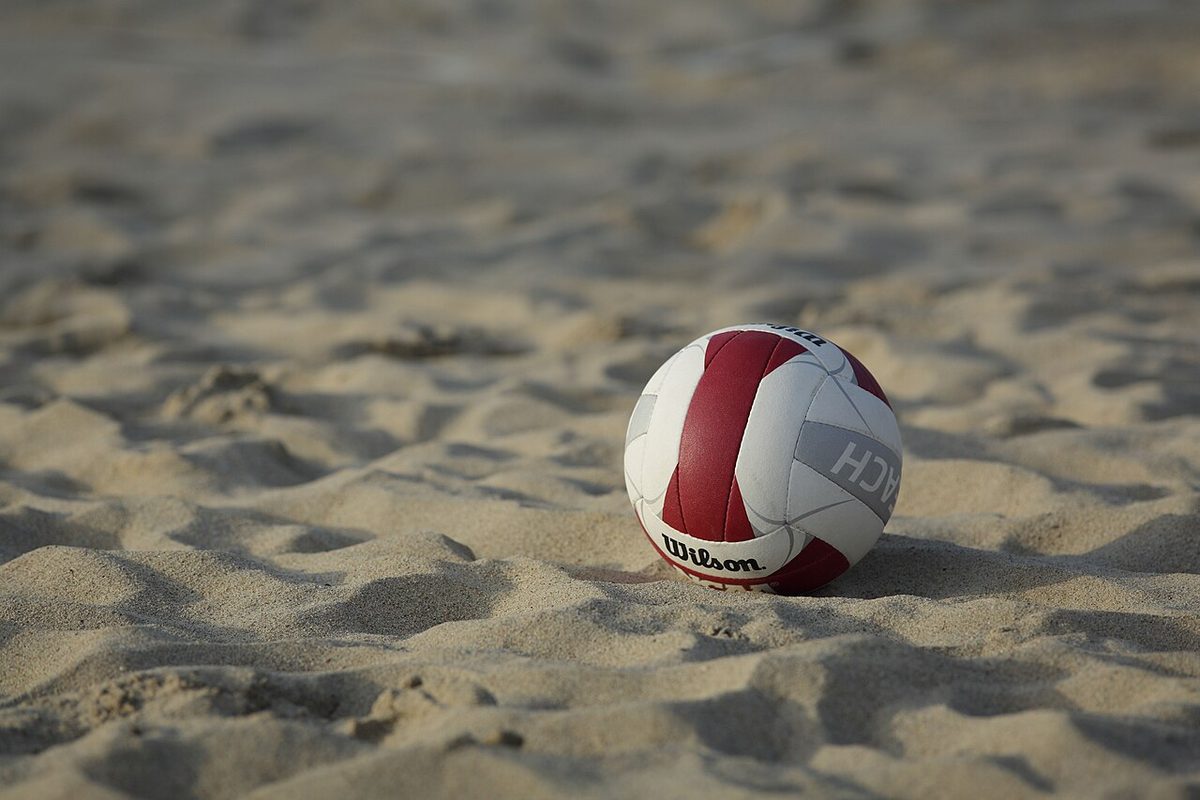
Women in sport · October 13, 2026
One in three women volleyball players showed signs of running short on fuel. Most of them had no warning signs around eating at all
When an athlete isn't eating enough for the training she does, the usual assumption is that something is wrong with how she thinks about food. A survey of 213 volleyball players in Turkey, from youth squads to the first league, tested that assumption with two standard screening questionnaires. Seventy-one players were flagged for under-fuelling. Forty-nine of them came up clear on the eating questionnaire.
Read the analysis
Taste and smell · October 13, 2026
Blue bowls, a sad Chopin waltz and clover-shaped snacks: none of them changed how food tasted to people who had lost their sense of smell. What they reach for at home is chilli, cumin and crunch
For people with a working nose, the colour of a bowl or the music in the room can shift how sweet or salty a snack seems. Psychologists in Portsmouth tried those tricks on people living with smell loss, who often say food has stopped being a pleasure. Not one of them made a measurable difference. The more useful part of the study is the short list of things these people had already worked out for themselves.
Read the analysis
Bowel health · October 12, 2026
A 'pro-inflammatory' diet went with bowel leakage in the US, England and China. Then the researchers looked at people who had no leakage yet, and the diet score did not predict who went on to get it
Accidental leakage of stool is common, rarely talked about, and often blamed on diet. A new study ran the same question through three big population surveys, more than 33,000 people in all, and found the expected link every time it looked at diet and symptoms side by side. Followed forward in time, the link disappeared. Here is what that pattern usually means, and the one fibre that has actually been tested in a trial.
Read the analysis
Epilepsy · October 12, 2026
A study says people eating the most 'plant-type' protein had 63% lower odds of epilepsy. They also ate about 1,300 more calories a day than the people they were compared with, and the paper's summary reports differences its own tables do not show
In a town in north-east Iran, researchers sorted 4,063 adults by the amino acids in their food and counted who had epilepsy. One pattern came out looking protective, and the paper suggests it could shape diets for prevention. Read the tables and a plainer picture appears: the top group simply ate far more of everything, the diet was recorded long after the diagnosis, and nobody asked about medicines. Here is what was measured and what it can and cannot tell you.
Read the analysis
Caffeine · October 12, 2026
Twice the caffeine, the same jump: boxers given 6 mg per kilo leapt no higher than on half that dose. Only one of ten strength tests clearly favoured the bigger dose, which for these men meant more than 400 mg in one go
Fifteen trained boxers in Beijing came to the lab three times and swallowed identical capsules: a dummy, a moderate dose of caffeine or a double one. An hour later both doses beat the dummy on the jump test, and doubling up added nothing you could measure. The leg strength machine told a different story. Here is what the trial found, what it could not show about punching, and how its doses compare with official limits.
Read the analysis
Kitchen safety · October 12, 2026
A rice dish left on a warm kitchen counter overnight put a healthy man in his twenties on the urgent list for a new liver. Reheating it did not help: the toxin that did the damage is not destroyed by heat
Doctors in Rotterdam describe a young man found seizing in bed, his blood sugar too low to read, the morning after eating reheated rice. His brother ate the same dish and had two days of vomiting. Because the family had frozen the leftovers, a food lab could measure what was in them: a bacterial toxin at 100 to 400 times the top of its test range. He recovered fully. Here is what happened, and the simple kitchen habit that prevents it.
Read the analysis
Sustainable diets · October 12, 2026
Finns who ate closer to the 'planetary health diet' had slightly smaller waists, and a blood test offers a reason why. The average score was under 4 out of 13, and over seven years the diet did not predict who gained weight
Researchers in Helsinki scored the diets of 9,225 adults against the diet designed to feed the world without wrecking it, then measured 158 substances in their blood. The fats in the blood seemed to explain up to half of the link with waist size. Look closer and the blood test is partly measuring the diet score a second time, and the second group of 10,242 Finns confirmed much less of it.
Read the analysis
Bone health · October 12, 2026
Children who broke a bone in a minor fall had lower vitamin D than children who fell and didn't. The doctors who found it say the blood test still isn't worth ordering after an ordinary fracture
Two hospitals in the Italian Alps took blood from 100 children who had come in after a tumble: 50 with a fracture on the X-ray and 50 without. Low vitamin D was more than twice as common in the fracture group. Then the same paper shows how poorly that number sorts one child from another, and we found a few figures in its tables that deserve a second look.
Read the analysisFrom our articles
Read, then eat a little better
Plain-language guides on nutrition and wellness, backed by research.

Supplements and vitamins
Spermidine from food or capsules: measured milligrams in wheat germ, soybeans and cheese, and what the one year-long trial found
Wheat germ holds about 22 to 34 mg of spermidine per 100 g, matured cheese about 0.12 mg. The only year-long capsule trial used 0.9 mg a day and found no memory benefit. Measured values, worked doses and safety.
22 Nov 2026

Supplements and vitamins
Zinc carnosine for the gut lining: what the two human trials gave, the zinc in each dose, and the copper catch
Zinc carnosine is only about 22.6% zinc, so 75 mg twice a day is roughly 34 mg of zinc a day. Here are the doses and results of the 10-person NSAID permeability trial and the 20-person aspirin pilot, and the copper cautions.
22 Nov 2026

Women's health
Inositol for PCOS: the 40:1 ratio, trial doses, and food milligrams
Why do randomized trials in polycystic ovary syndrome prioritize the 40:1 myo to D-chiro inositol ratio? Here is the science behind the ovarian epimerase paradox, clinical ovulation and insulin metrics, and why cantaloupe cannot replace 4,000 mg trial powder.
21 Nov 2026
Start with a virtual consultation
Tell Dr. Triveni what you want to change. You will leave with a clear next step, whether you are in Toronto, London, New York or Chennai.