Newsfeed
Nutrition research, analysed
A new analysis every hour. Each one covers a recent study or report: What was found, the numbers behind it and the sources to check. We write about research from the last two weeks, not the news of the day.
Diet and cancer · October 12, 2026
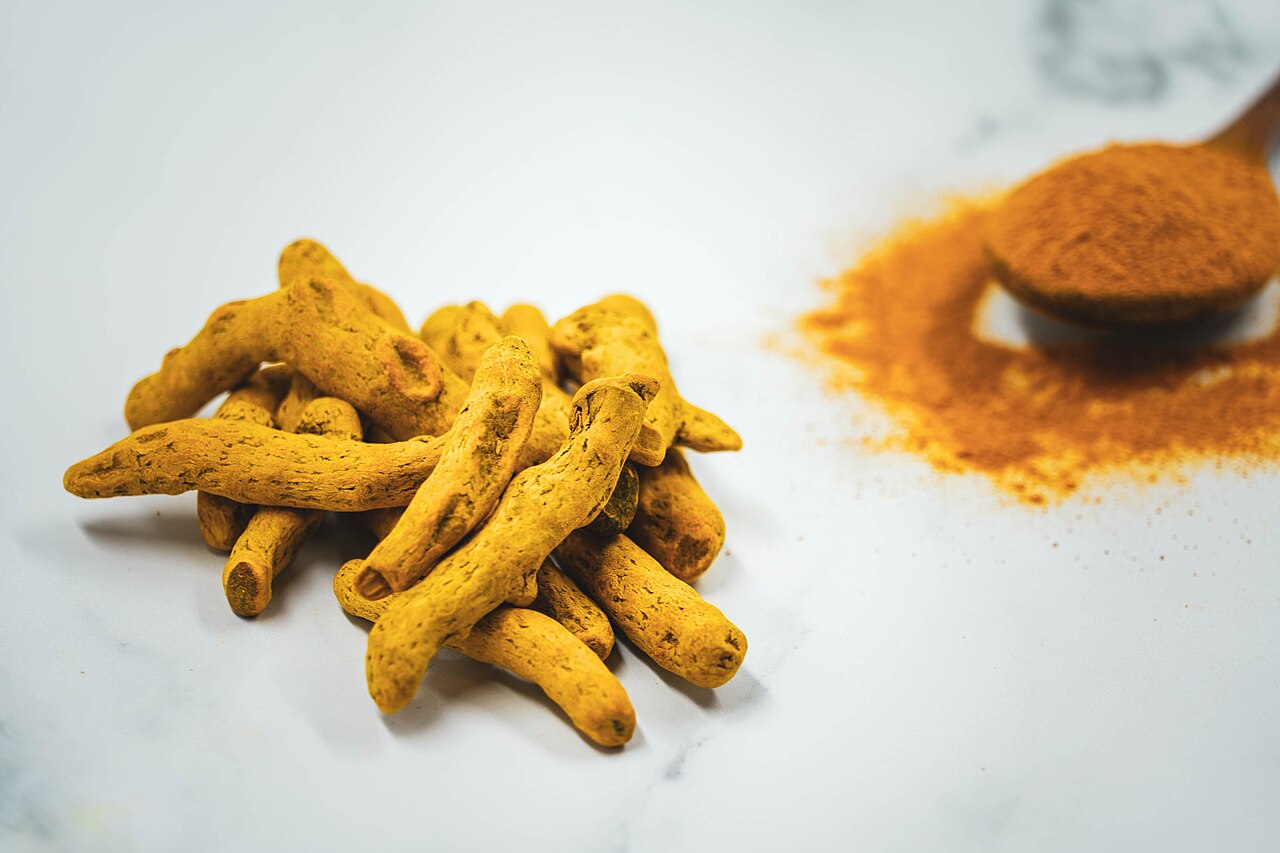
A study says eating oranges and carrots three times a week may help prevent mouth cancer, thanks to their curcumin. Curcumin is the yellow in turmeric, and the survey the study used recorded four mouth cancers where the paper counts 59
Six dentists in northern China went through an old American health survey and found that people who never ate oranges or carrots were far more likely to report a mouth cancer. They put it down to curcumin and worked out a protective dose. We read the whole paper, then opened the survey's public codebook, and very little of it held together.
Read the analysis
Early-life nutrition · October 12, 2026
Adults who were heavier babies had 'younger' guts, kidneys and livers on a blood test half a lifetime later. The gaps were small, and the birthweights were whatever people in their fifties remembered
Researchers in Xi'an took blood-protein 'organ ages' for tens of thousands of middle-aged Britons and set them against two things the volunteers recalled about their first weeks: what they weighed at birth and whether they were breastfed. Heavier babies came out a little younger in 11 of 19 measures. Breastfeeding showed up in three, and in one of them, the thyroid, it pointed the wrong way.
Read the analysis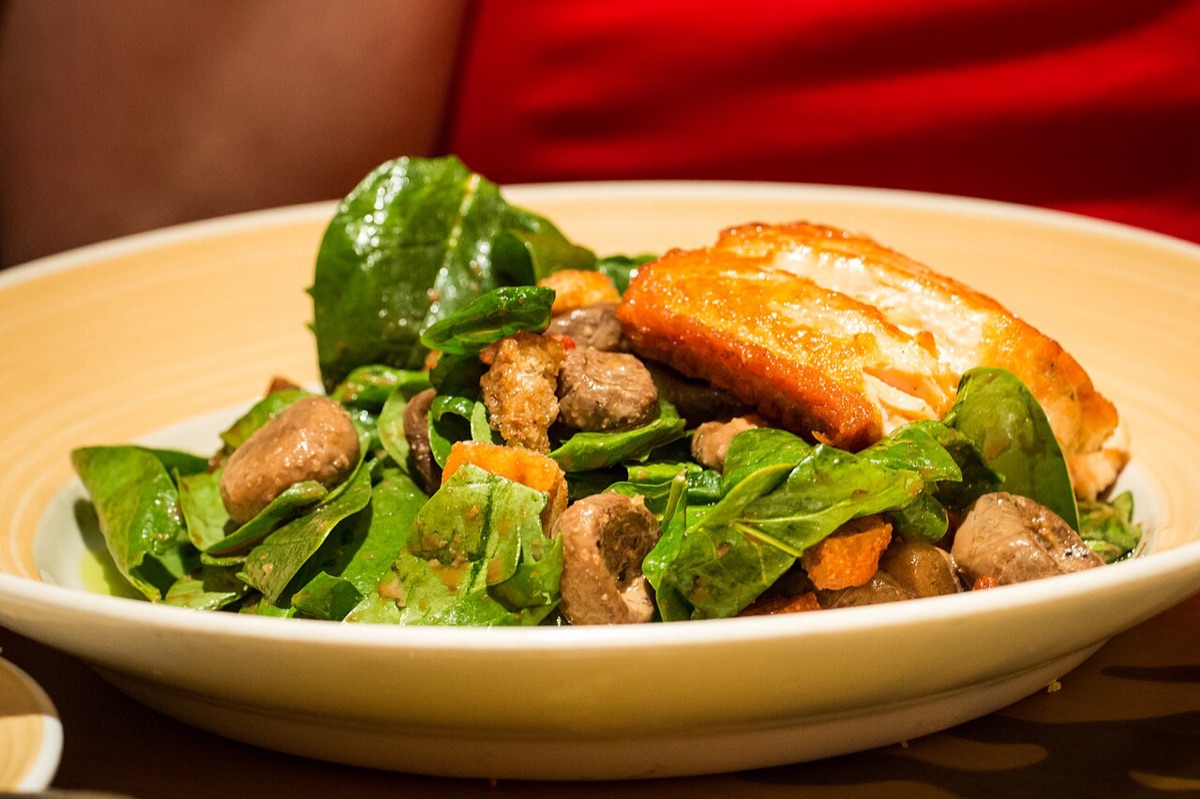
Brain health · October 12, 2026
Older adults who ate closer to the MIND diet carried less of one blood protein, and people with more of it were likelier to get dementia over the next 21 years
Researchers in Indiana scanned about 7,000 proteins in the blood of 206 older adults to ask why a diet built around leafy greens, berries, beans and fish keeps turning up beside lower dementia risk. One little-known protein, tied in other work to damage in the brain's small blood vessels, held up in two much bigger groups. It is a clue, not a mechanism, and the diet itself did not clearly lower dementia risk in the biggest group.
Read the analysis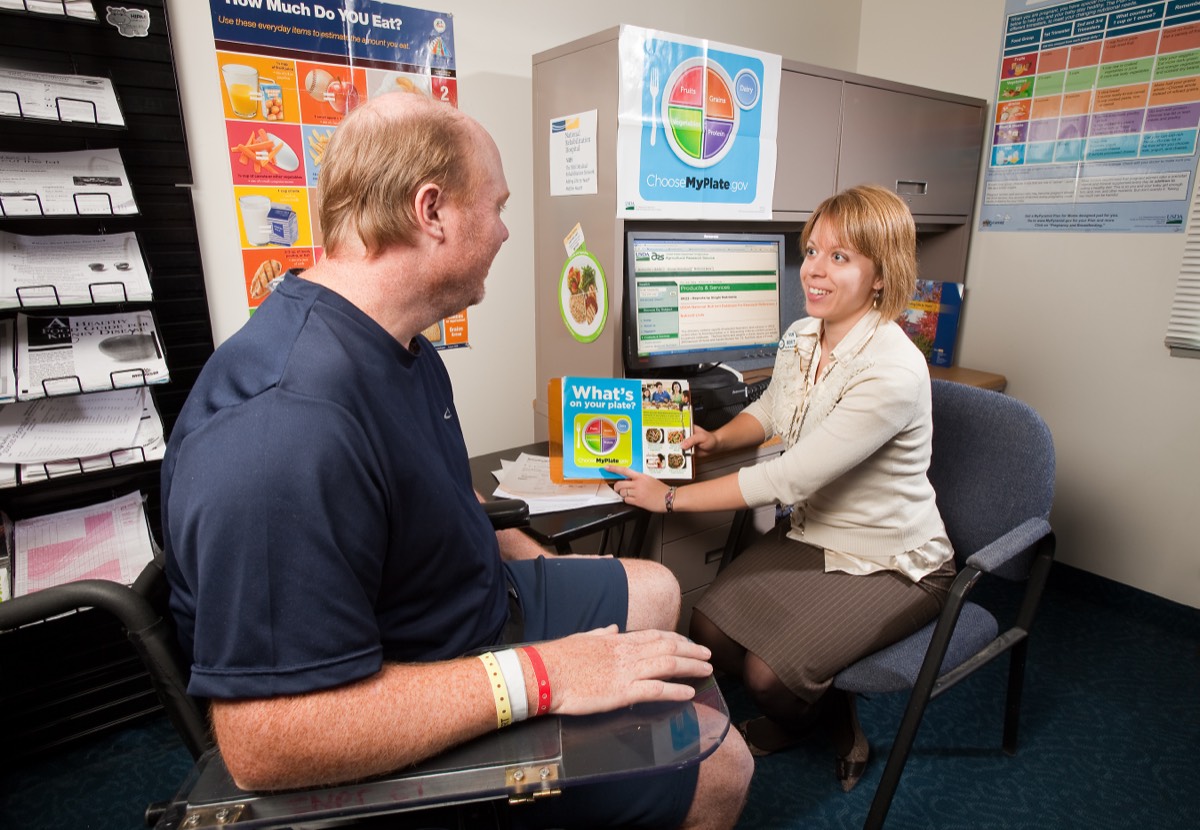
Hospital nutrition · October 12, 2026
When a dietitian joined the lung ward every morning, three in four patients got checked for malnutrition. When the job went back to the nurses, it fell to four in ten
A Danish hospital handed daily nutrition care on one ward to dietitians for 16 months, weekends included. Screening went up, more patients ate enough, and the nurses said they were glad of the help, though some admitted they lost track of what their patients were eating. The study is small and the comparison is not a trial, which matters for how far the numbers go.
Read the analysis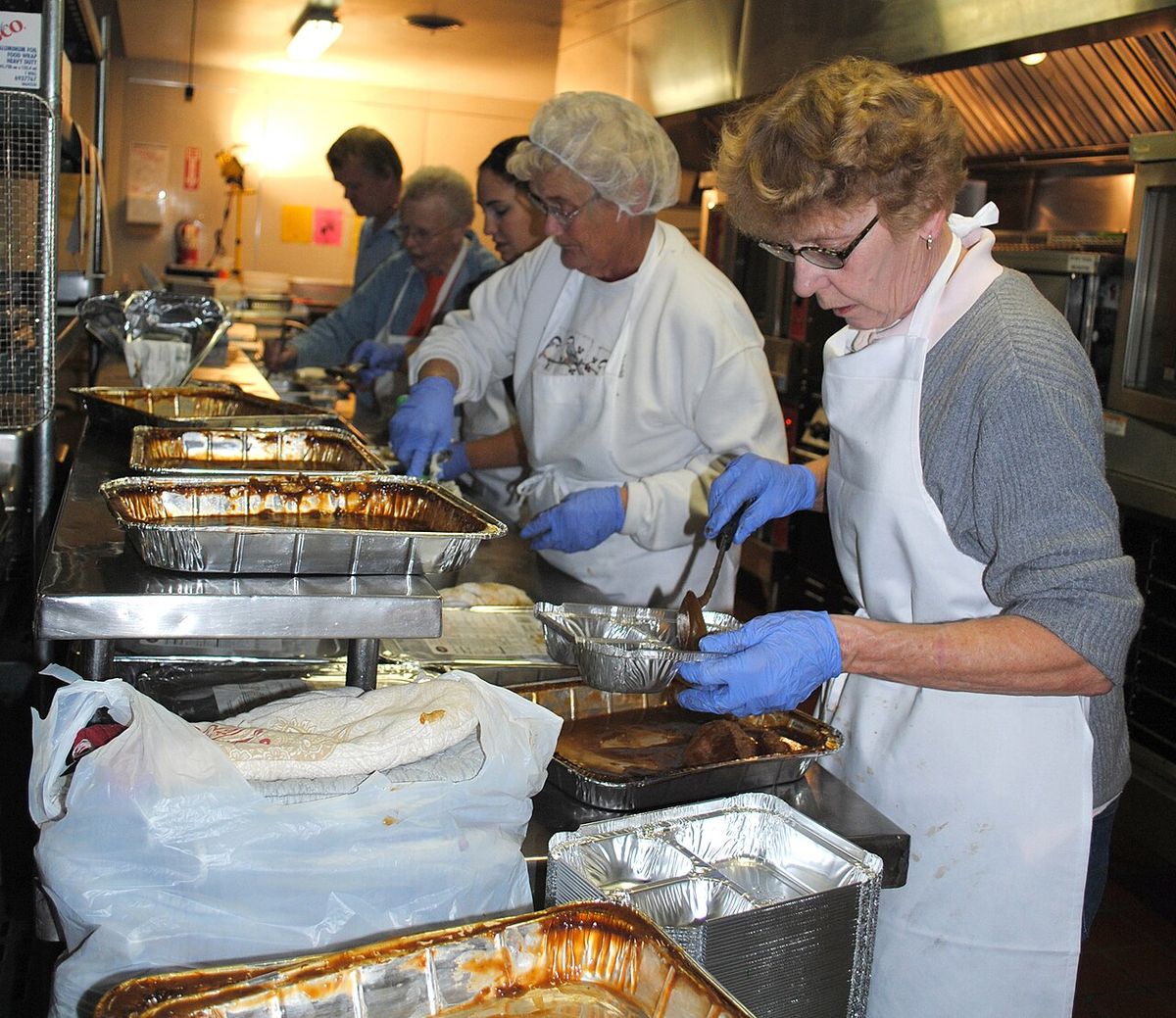
Food insecurity · October 12, 2026
Poor, over 65 and rarely able to leave the house: more than four in ten Americans in that position got neither food stamps nor Meals on Wheels. Of those who did get help, more than a third still went without
A national survey found about 3.9 million older Americans who are both homebound and poor enough for food stamps. Just over half got food stamps, delivered meals or both. Oddly, the people getting help were more often short of food than the people getting none. The way the study counts 'short of food' explains a good part of that, and it changes what the number means.
Read the analysis
Food allergy · October 12, 2026
Keeping egg and peanut off the plate is one job. In a Sydney study, one in six young children with food allergies also screened at risk of a feeding disorder, and their parents carried far more stress
Researchers asked the parents of 107 children under five, waiting in three Sydney allergy clinics, how their child eats. Most mealtimes were ordinary. But one child in six scored in the range that flags a possible feeding disorder, and their parents' stress and mealtime worry were well above everyone else's. It was a questionnaire, not a diagnosis, and there was no group without allergies to compare with.
Read the analysis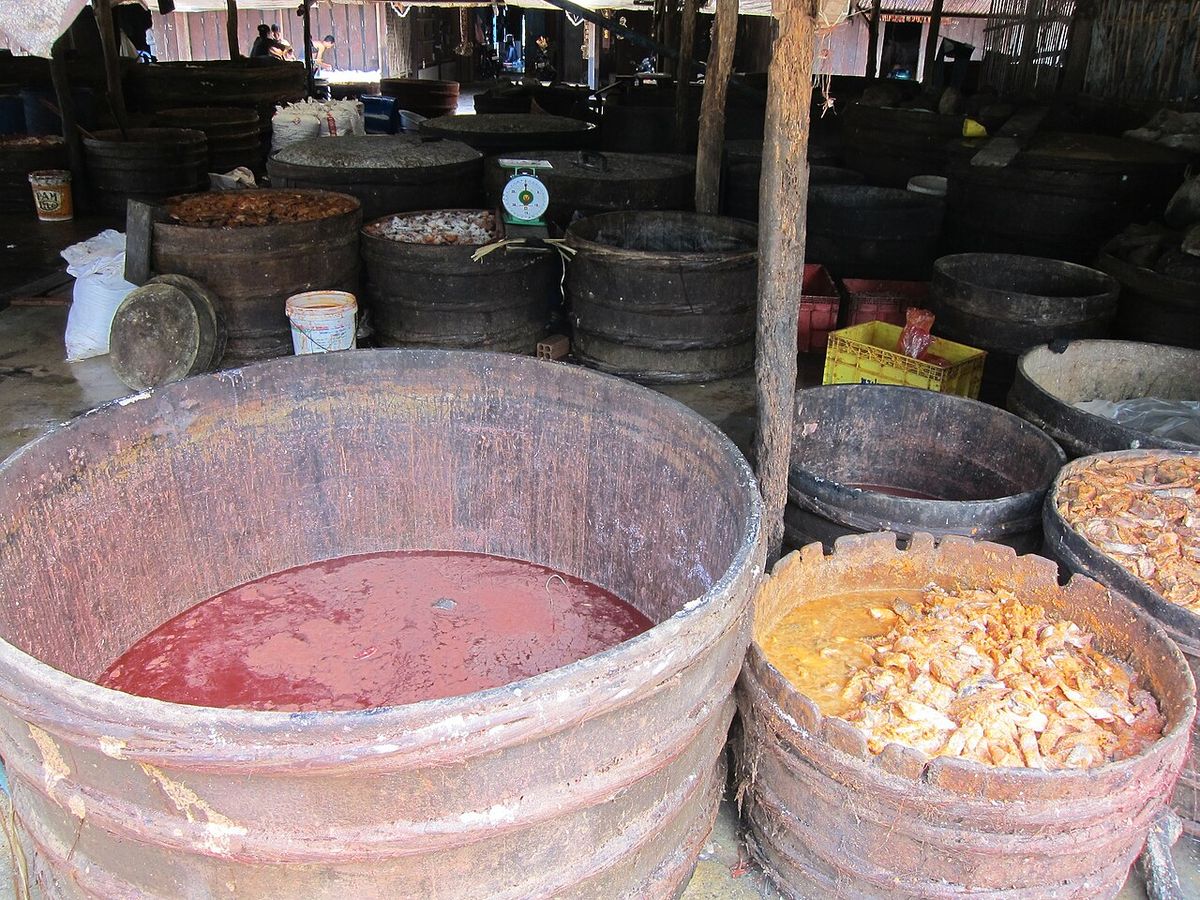
Food safety · October 12, 2026
Eight in ten Thais in a new survey knew raw freshwater fish can make you ill. Seven in ten had eaten it anyway, and in Vietnam the people who knew the risk ate it more
Researchers asked 6,021 adults in six Southeast Asian countries about dishes made from river fish that never meets heat: salads, pastes, pickles. Most people knew the danger, most ate the dishes, and under-40s ate them more than their elders. The survey was done online, and one of the 'freshwater' dishes it counted is made from a sea fish.
Read the analysis
Cancer care · October 12, 2026
On chemotherapy, the women who lost their appetite cut about 320 calories a day more than those who didn't. The mix on their plates barely changed, and the symptom that went with it was taste
A Kyoto study followed 105 women through the first cycles of chemotherapy for ovarian, womb and cervical cancer, asking what they ate before and during treatment. Appetite loss meant less of everything rather than a worse diet, it tracked a change in taste more than nausea, and it went with a drop in how people felt about their lives. Their weight and blood tests didn't show it.
Read the analysis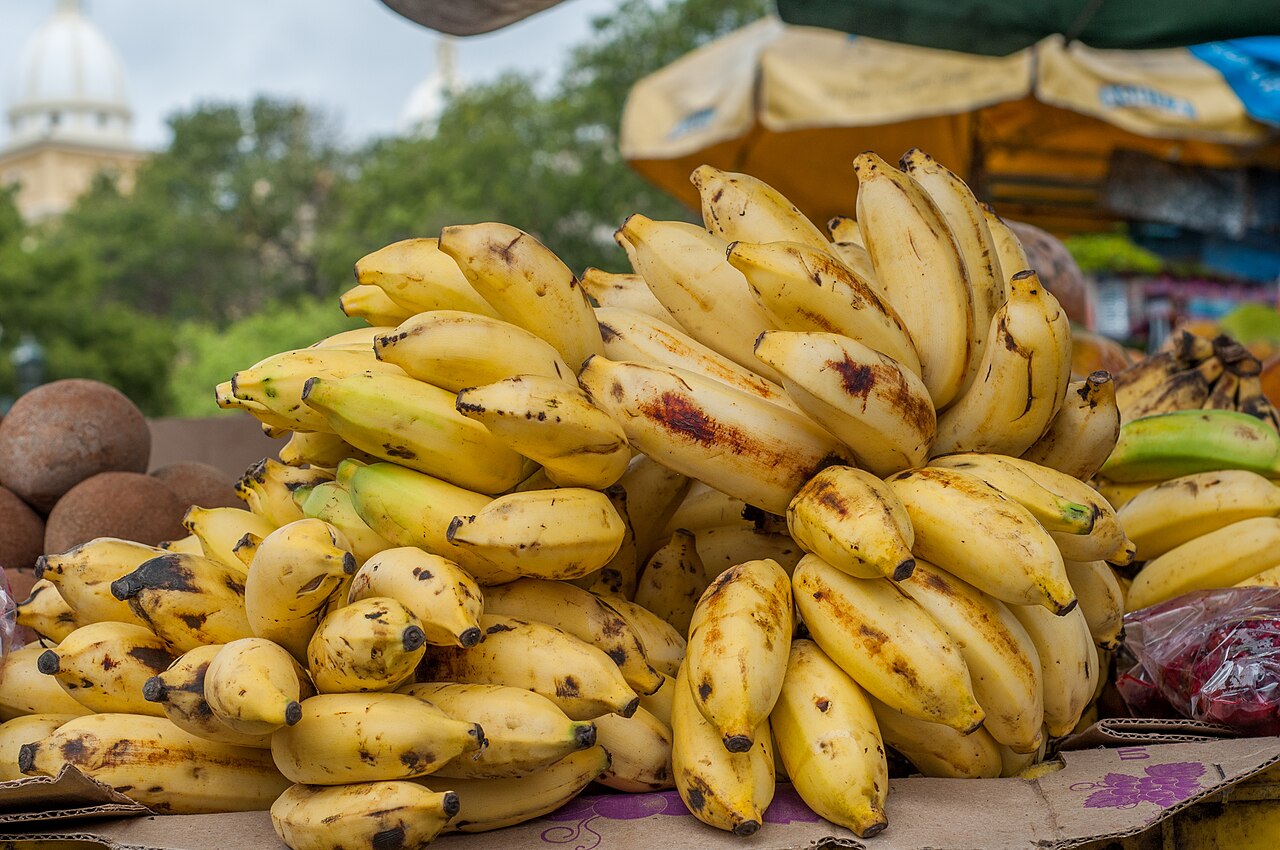
Potassium · October 12, 2026
Raising blood potassium helped people with heart defibrillators. Tablets, a heart drug or both looked about the same, but nobody was randomised to one of them
A Danish trial of 1,200 people with an implanted defibrillator had already shown fewer dangerous heart rhythms when potassium was nudged up. The follow-up asks which way of nudging worked best. The honest answer is that it can't say, and the food advice everyone got was never measured.
Read the analysis
Premature babies · October 12, 2026
A probiotic given to very premature babies took hold in the gut within a week. The title says it is linked to better brain white matter. The brain scans of the two groups did not differ
In a Dutch neonatal unit, babies born at 24 to 30 weeks got a daily Bifidobacterium, prebiotic fibres and glutamine, or a placebo. The bacterium settled in almost every baby who got it, and in four in ten who didn't. The link to the brain comes from a later comparison of babies with and without a scan finding, whichever group they were in.
Read the analysis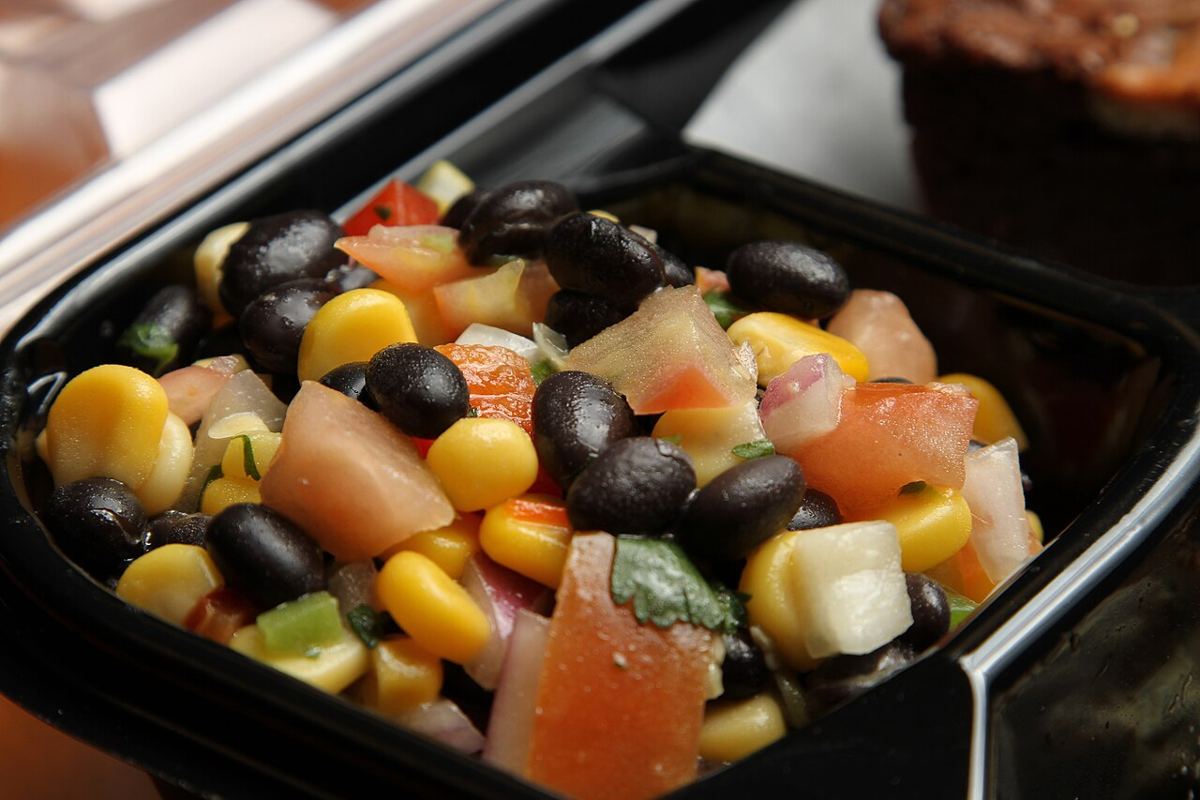
Type 2 diabetes · October 12, 2026
Twenty-five adults with type 2 diabetes went low-fat vegan for 16 weeks with no calorie limit. Liver fat fell by a third and HbA1c by a full point. They also lost 6 kg, and nobody was there to compare them with
No meals were supplied and nobody counted calories, yet people ate about 350 kcal a day less. Liver fat, visceral fat, cholesterol and blood sugar all came down, and of the sixteen metformin users who finished, seven had cut the dose or stopped it. The muscle fat the study was sized to detect did not clearly move, and the paper itself says it cannot tell the diet from the weight loss.
Read the analysis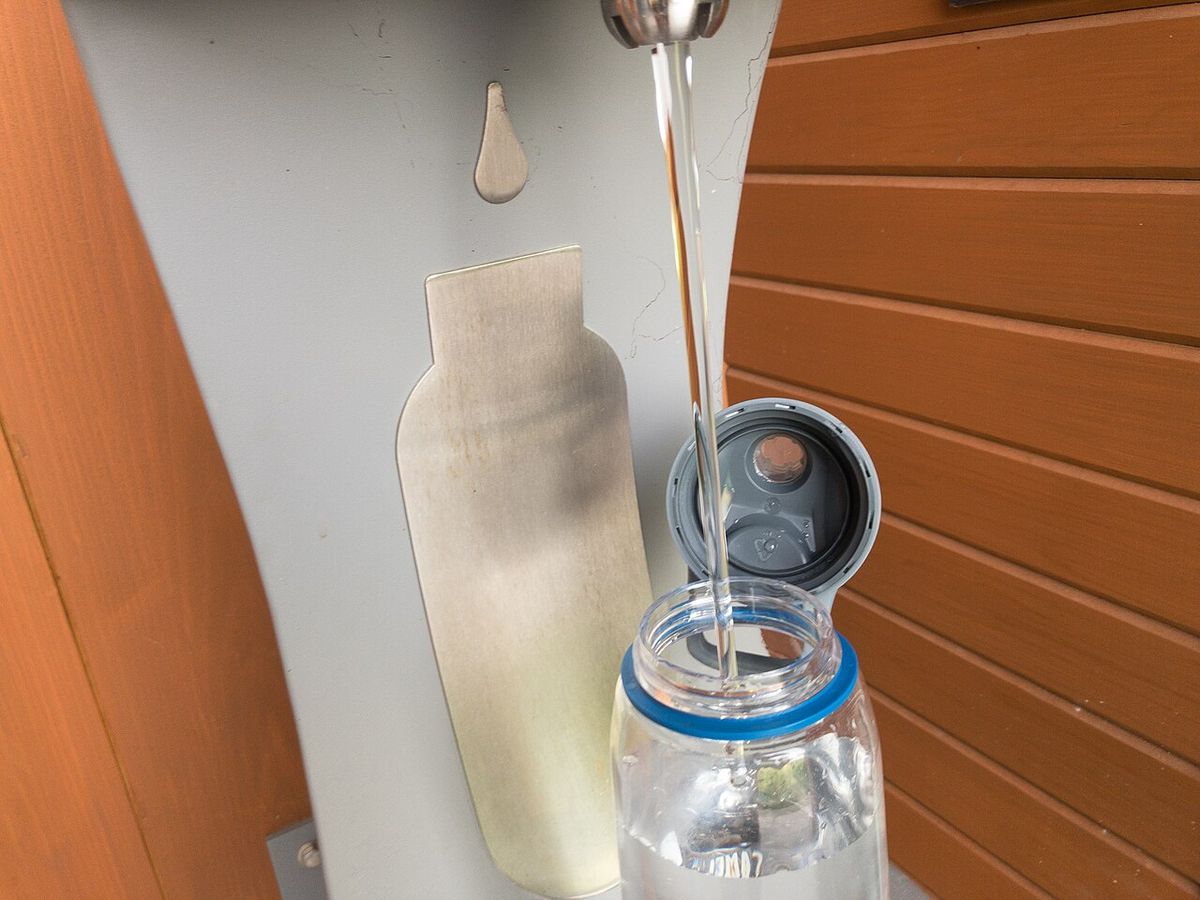
Sugary drinks · October 12, 2026
A six-week programme in Massachusetts after-school clubs set out to get children off sugary drinks. A year later their BMI had edged down against the comparison clubs. Their drinks hadn't: the gap was 20 mL a day
437 children aged 8 to 13, eleven Boys & Girls Clubs, twelve sessions of taste tests, sugar demonstrations and storytelling. The trial's main result came out in favour of the programme, just. The thing the programme was built to change did not differ between the clubs, and the two sets of children were not the same weight to begin with.
Read the analysisFrom our articles
Read, then eat a little better
Plain-language guides on nutrition and wellness, backed by research.

Supplements and vitamins
Spermidine from food or capsules: measured milligrams in wheat germ, soybeans and cheese, and what the one year-long trial found
Wheat germ holds about 22 to 34 mg of spermidine per 100 g, matured cheese about 0.12 mg. The only year-long capsule trial used 0.9 mg a day and found no memory benefit. Measured values, worked doses and safety.
22 Nov 2026

Supplements and vitamins
Zinc carnosine for the gut lining: what the two human trials gave, the zinc in each dose, and the copper catch
Zinc carnosine is only about 22.6% zinc, so 75 mg twice a day is roughly 34 mg of zinc a day. Here are the doses and results of the 10-person NSAID permeability trial and the 20-person aspirin pilot, and the copper cautions.
22 Nov 2026

Women's health
Inositol for PCOS: the 40:1 ratio, trial doses, and food milligrams
Why do randomized trials in polycystic ovary syndrome prioritize the 40:1 myo to D-chiro inositol ratio? Here is the science behind the ovarian epimerase paradox, clinical ovulation and insulin metrics, and why cantaloupe cannot replace 4,000 mg trial powder.
21 Nov 2026
Start with a virtual consultation
Tell Dr. Triveni what you want to change. You will leave with a clear next step, whether you are in Toronto, London, New York or Chennai.