Newsfeed
Nutrition research, analysed
A new analysis every hour. Each one covers a recent study or report: What was found, the numbers behind it and the sources to check. We write about research from the last two weeks, not the news of the day.

Alcohol · October 12, 2026
Older Germans with early memory problems drank a third of a drink less a day after a year of online diet classes that barely mentioned alcohol. There was no group without classes to compare them with
189 people in their sixties to eighties, all with mild cognitive impairment, sat through up to twelve video group sessions on healthy eating. Alcohol came up in one of them. A year later they reported drinking less. The question this analysis cannot answer is whether the classes did it.
Read the analysis
Drinking water · October 12, 2026
People in Britain's hard-water areas had slightly smaller brains on MRI. The researchers expected the opposite, and the link weakened when they allowed for where people lived
A study of 34,183 brain scans from the UK Biobank set out to show that the calcium and magnesium in hard tap water protect the brain. It found a small link the other way. Before you buy a water softener, look at which homes ended up in the hardest-water group, and at the one adjustment the authors chose to leave out.
Read the analysis
Pregnancy · October 11, 2026
Vitamin D came out on top for preventing preeclampsia in a new comparison with a statin and metformin. The authors then spend most of the paper asking readers not to act on it
Eight trials, 4,078 women with high-risk pregnancies, and a headline figure that looks like a 79% cut in risk with 4,000 IU a day. Read past the abstract and that number is measured against a lower dose of vitamin D, not a placebo, and every trial behind it was flagged for possible bias.
Read the analysis
Cholesterol · October 11, 2026
Does vitamin E lower cholesterol? Pooled across 22 trials, the vitamin E in most capsules did nothing for it. A rarer form called tocotrienol looked far better, and ten of its 16 comparisons come from just three trials
A new review of 1,001 people with high cholesterol or triglycerides gives vitamin E two small wins: triglycerides down 8 points, 'good' cholesterol up 1. The review rates the triglyceride result as high-certainty evidence. Its own check shows that result stops being statistically clear when a single trial of 30 women is left out.
Read the analysis
Children's health · October 11, 2026
A new review of 21 studies says children with ADHD have lower iron stores and should be screened and given iron. Its own table has two rows of 630 children with identical numbers, and eight studies where the gap all but vanishes
The pooled figure is a blood ferritin level about 10 points lower in children with ADHD than in children without it, across 8,591 children. That sounds like a lot of evidence. Read the list of studies behind it and the picture changes: a handful of small studies with enormous gaps, a long row of studies with almost none, and no study at all that tested whether giving iron helps.
Read the analysis
Carb loading · October 11, 2026
Sixty years of carb-loading research, 63 experiments, and the whole evidence base is 641 people. Only 74 of them were women, and nobody's group averaged over 37
A Liverpool team went back through every study that fed people measured amounts of carbohydrate and then cut a sliver of muscle out to see how much was stored. More carbohydrate meant more stored fuel, almost in a straight line, and a day and a half to two days of heavy eating looks like enough. Then the authors do something unusual for a review: they call several of their own numbers untrustworthy, and explain why.
Read the analysis
Belly fat · October 11, 2026
Walnuts in place of part of the starch at every meal: deep belly fat fell from 113 to 97 cm² in 12 weeks. At the finish, the walnut group and the comparison group still could not be told apart
A hospital team in Suzhou, China, put 80 adults with large waistlines on the same calorie-cutting diet, then swapped some of one group's staple food for bags of walnuts. The paper's conclusion calls the result a 'solid evidence-based foundation' for treating belly fat. The tables underneath it are more careful than that, and they contain one odd thing: both groups said they were eating about the same number of calories, and only one of them lost much weight.
Read the analysis
Blood tests · October 11, 2026
Low on iron? Your diabetes test may read high. Across 30 studies, people with iron deficiency anaemia had an HbA1c 0.66 points above everyone else's, and treating the anaemia brought it down by half a point
HbA1c is the number most doctors use to diagnose diabetes and to decide whether treatment is working. It is meant to track blood sugar. Two researchers in Brazil pulled together 61 studies showing that it also tracks something else: how much iron you have. The gap is big enough to move a healthy person into the prediabetes range, and the people most likely to be caught by it are women. The evidence is messier than that sounds, though, and the review says so.
Read the analysis
Endurance sport · October 11, 2026
Twenty riders took on the Cape Epic, eight days and 567 km of South African mountain trails, and half of each team drank a ketone shot after every stage and before bed. Their bodies wore down at the same rate as their teammates' on a lookalike placebo
Ketone drinks are sold to endurance athletes as a way to bounce back faster. Researchers in South Africa and Belgium tested one of them where it matters most: inside a real multi-day race, in pairs of riders who shared every kilometre. The drink raised blood ketones as promised. Heart rates, sleep, appetite, mood and reaction times did not budge from placebo. What's interesting is why, and who wrote the paper.
Read the analysis
Longevity supplements · October 11, 2026
Urolithin A, the pomegranate-derived 'mitochondria' supplement, was given to 50 adults with obesity for four weeks. Four tests of their blood vessels found nothing. The one signal that moved came from a brain scan, and memory scores stayed where they were
Urolithin A is sold as a capsule that renews the cell's power plants, and a team in Oklahoma wanted to know whether it does anything for the blood vessels of middle-aged people with obesity. In a careful placebo-controlled trial, 1,000 mg a day did not improve how well arteries widen, the thing the study was built to test. Blood flow in one part of the brain did respond more strongly during a memory task. Whether that is good news is harder to say than it sounds.
Read the analysis
Women's health · October 11, 2026
Keto beat a Mediterranean-style diet for PCOS in a 12-week trial: periods came back for 29 of 30 women. Then look at the weight loss, 16 kg on a diet built to lose about a third of that
Sixty women with polycystic ovary syndrome in China were given either a ketogenic diet or a Mediterranean-style diet, both set at the same calories. After 12 weeks the keto group had lost 16 kg against 6 kg, their insulin resistance had fallen twice as far and almost all had regular cycles again. It is the first trial to put these two diets head to head in PCOS. It is also a small, unblinded study with results so large, and so tidy, that they need a second look before anyone changes how they eat.
Read the analysis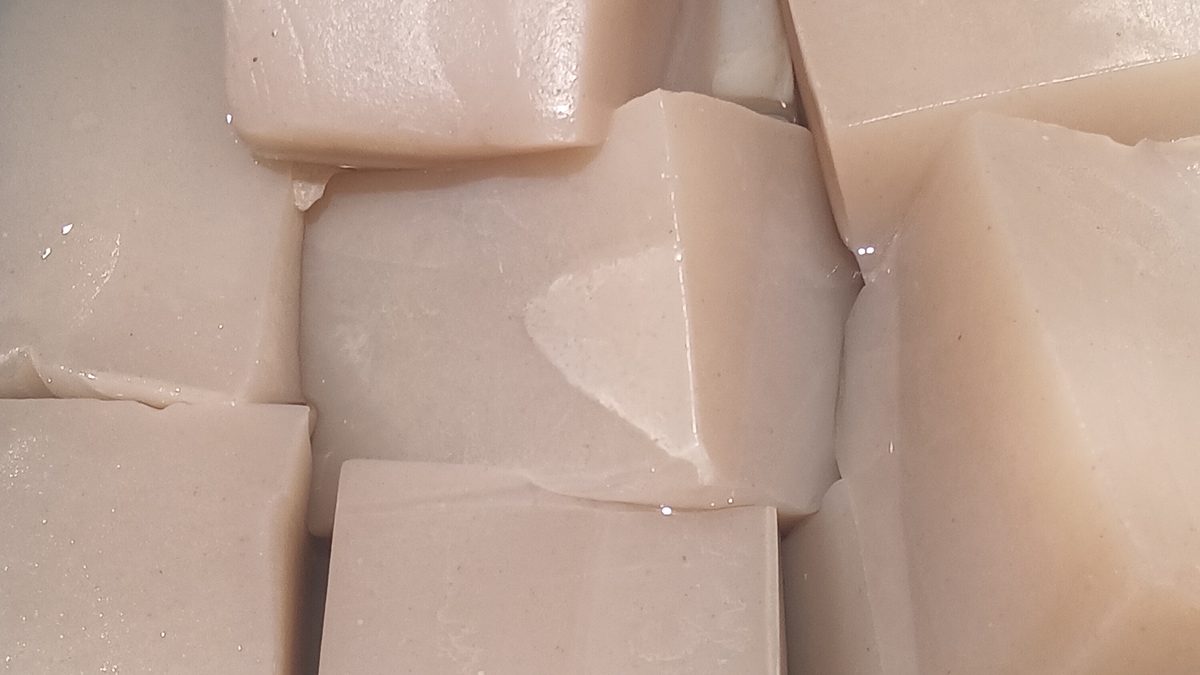
Fibre supplements · October 11, 2026
The konjac fibre sold to fill you up was tested in 11 trials of people with diabetes or excess weight. Nobody lost weight, and the one good result, on fasting blood sugar, vanished when the maths changed
Glucomannan, the fibre from konjac root, swells into a thick gel in water, which is why it is sold in capsules and gummies to help with weight and blood sugar. A new review pooled every controlled trial its authors could find in adults with type 2 diabetes, insulin resistance or excess weight. The weight change came out at zero, cholesterol and blood pressure did not move, and fasting blood sugar fell a little in one analysis and not in the next. Here is what the numbers say, and what they don't.
Read the analysisFrom our articles
Read, then eat a little better
Plain-language guides on nutrition and wellness, backed by research.
Supplements and vitamins
Spermidine from food or capsules: measured milligrams in wheat germ, soybeans and cheese, and what the one year-long trial found
Wheat germ holds about 22 to 34 mg of spermidine per 100 g, matured cheese about 0.12 mg. The only year-long capsule trial used 0.9 mg a day and found no memory benefit. Measured values, worked doses and safety.
22 Nov 2026

Supplements and vitamins
Zinc carnosine for the gut lining: what the two human trials gave, the zinc in each dose, and the copper catch
Zinc carnosine is only about 22.6% zinc, so 75 mg twice a day is roughly 34 mg of zinc a day. Here are the doses and results of the 10-person NSAID permeability trial and the 20-person aspirin pilot, and the copper cautions.
22 Nov 2026

Women's health
Inositol for PCOS: the 40:1 ratio, trial doses, and food milligrams
Why do randomized trials in polycystic ovary syndrome prioritize the 40:1 myo to D-chiro inositol ratio? Here is the science behind the ovarian epimerase paradox, clinical ovulation and insulin metrics, and why cantaloupe cannot replace 4,000 mg trial powder.
21 Nov 2026
Start with a virtual consultation
Tell Dr. Triveni what you want to change. You will leave with a clear next step, whether you are in Toronto, London, New York or Chennai.