Newsfeed
Nutrition research, analysed
A new analysis every hour. Each one covers a recent study or report: What was found, the numbers behind it and the sources to check. We write about research from the last two weeks, not the news of the day.
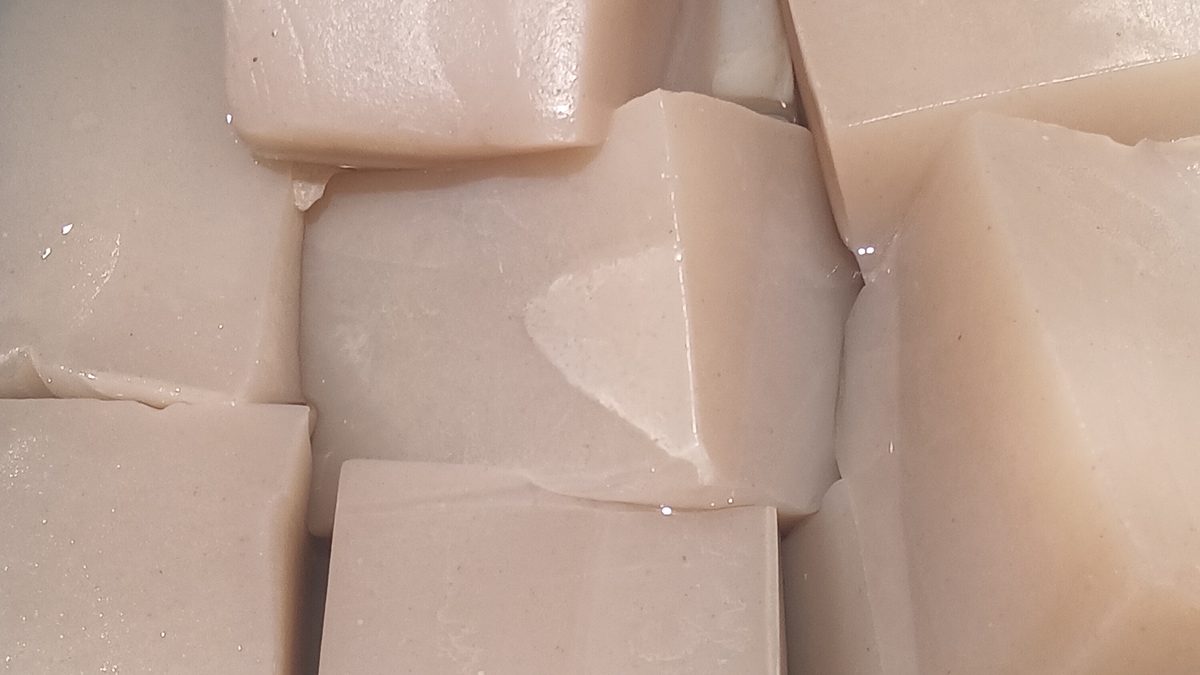
Fibre supplements · October 11, 2026
The konjac fibre sold to fill you up was tested in 11 trials of people with diabetes or excess weight. Nobody lost weight, and the one good result, on fasting blood sugar, vanished when the maths changed
Glucomannan, the fibre from konjac root, swells into a thick gel in water, which is why it is sold in capsules and gummies to help with weight and blood sugar. A new review pooled every controlled trial its authors could find in adults with type 2 diabetes, insulin resistance or excess weight. The weight change came out at zero, cholesterol and blood pressure did not move, and fasting blood sugar fell a little in one analysis and not in the next. Here is what the numbers say, and what they don't.
Read the analysis
Shift work · October 11, 2026
Rotterdam dock workers on night shift were coached to eat earlier, and they did, by an hour and a half. Their glucose sensors then drifted slightly the wrong way, and the good news in the paper comes from a test nobody else took
Twenty-two men who work 12-hour nights in the Port of Rotterdam got a personal eating plan: a big dinner before the shift, only a light meal after midnight. Three months later they were still eating about 88 minutes earlier, with the same calories. The paper reports calmer cholesterol and inflammation after a test drink. But the men chose their own group, only they took that test, and their two weeks of glucose sensor readings went up a little, not down. Here is what the study can and can't tell a night worker.
Read the analysis
Tea · October 11, 2026
Two cups a day of a fungus-fermented Chinese brick tea for 12 weeks: LDL cholesterol fell and arteries widened better than with plain hot water. The artery result is about two and a half times what tea trials usually find
Fuzhuan tea is pressed into bricks and left to grow a yellow fungus the makers call "golden flower". In a trial in rural northern China, 110 healthy adults drank either two 300 mL cups of it a day or the same amount of hot water. LDL cholesterol fell by 0.4 mmol/L more in the tea drinkers, and two ultrasound tests of the arm artery improved by about 6 points. Nobody was blinded, the control was water, and one of the results is hard to explain. Here is what the trial shows and where to be careful.
Read the analysis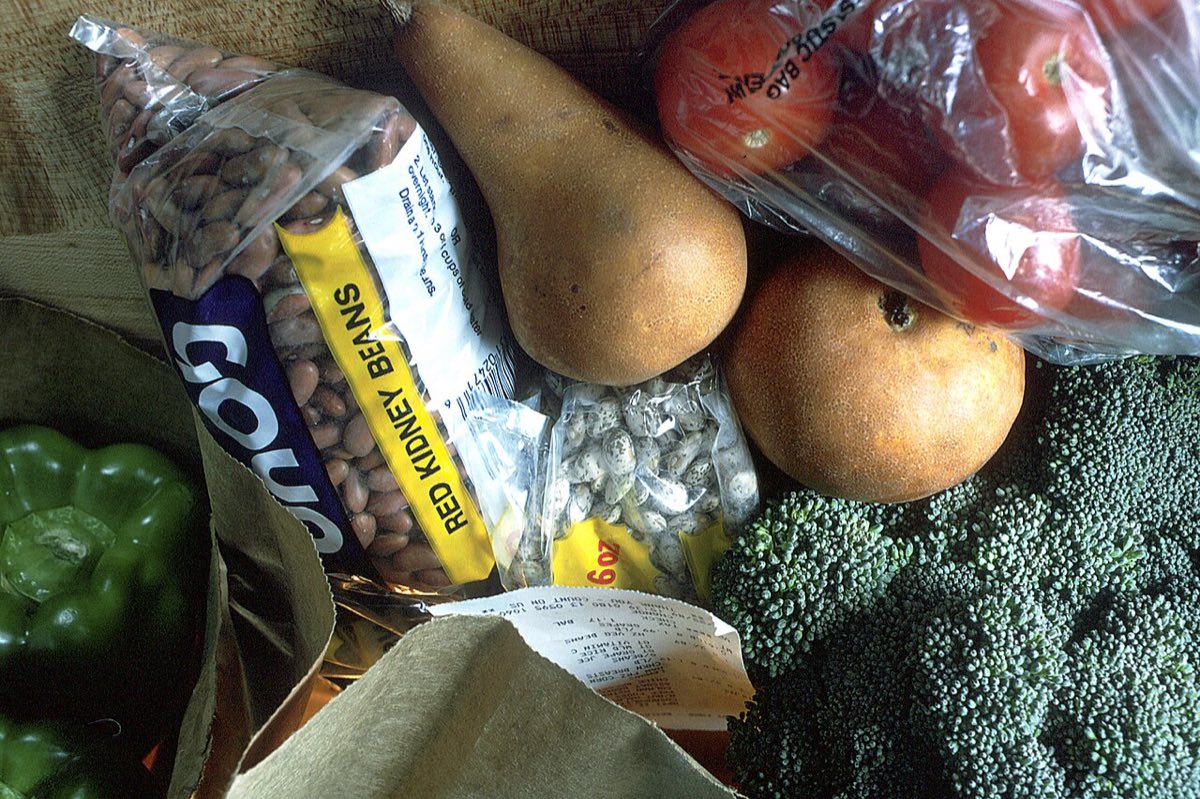
Food is medicine · October 11, 2026
A free weekly bag of beans, whole grains and fresh produce from a Boston hospital's food pantry: the more bags people collected over almost three years, the more weight they lost. Blood sugar didn't budge
"Food is medicine" programmes hand out healthy groceries through clinics, and most have run for weeks or months. A pantry in a Massachusetts health centre kept going for more than five years. Among 68 adults who used it, every 100 weekly bags went with about 2.6 kg less weight and a lower diastolic blood pressure. There was no control group, and the figures shift a lot depending on how the analysis is adjusted. Here is what a study like this can and can't tell you.
Read the analysis
Blood sugar · October 11, 2026
About four teaspoons of apple cider vinegar with a 93 g carb breakfast: blood sugar was lower at the one-hour mark, but over the full two hours the difference could have been chance
Vinegar before or with a starchy meal is one of the most repeated blood sugar tips online, and it does have older lab studies behind it. A small Turkish trial tried it on a heavier breakfast than most: toast, processed cheese and peach nectar. One of four readings after the meal came out in vinegar's favour. Here is why the curve as a whole is the more honest result, and what 20 mL of vinegar can and can't be expected to do.
Read the analysis
Minerals · October 11, 2026
Researchers measured selenium in 720 pregnant women in Nepal, then asked about their children's behaviour four years later. Out of 20 comparisons, one came up positive, and the authors did not oversell it
Selenium is the mineral behind a hundred 'brain health' supplement labels, and a few earlier studies had linked a mother's level in pregnancy to her child's attention and mood. A team from Norway and Nepal tested the idea in a place where more than a third of pregnant women run low. They found almost nothing, said so plainly, and spent a good part of the paper showing why the questionnaire they used deserves some suspicion too.
Read the analysis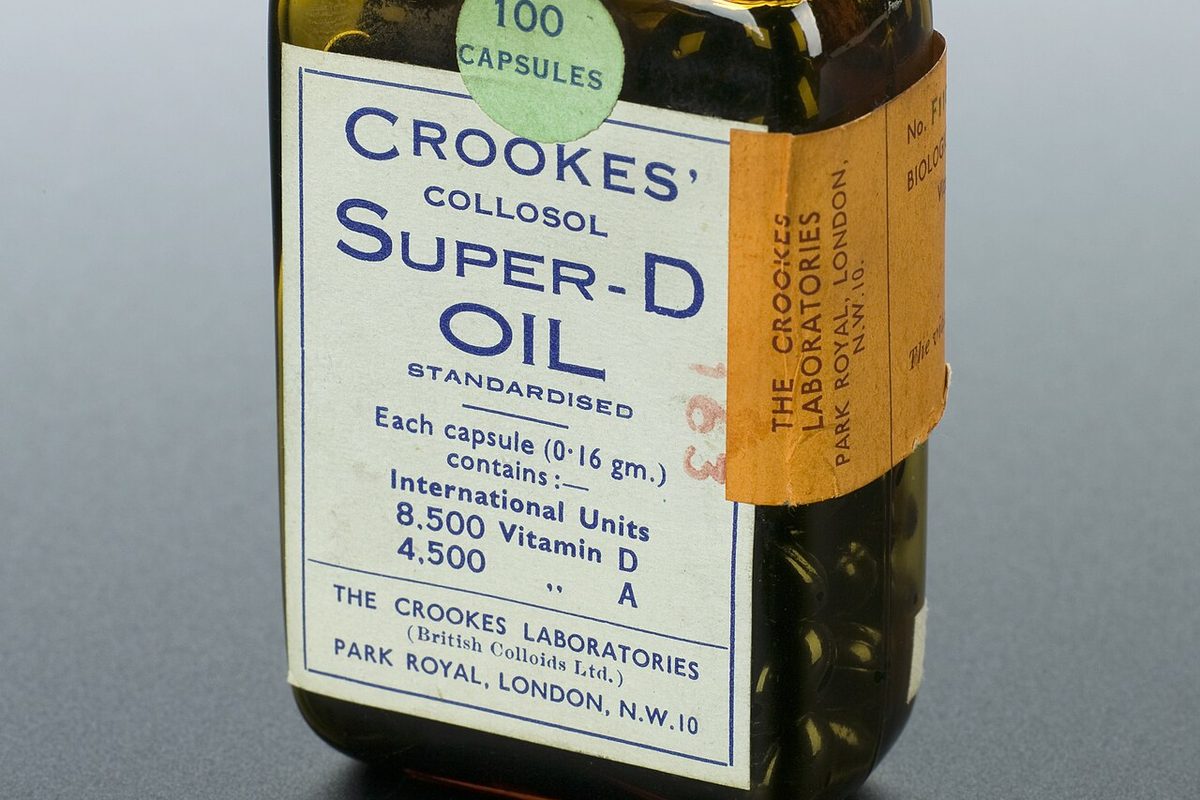
Vitamin D · October 11, 2026
The health records of nearly half a million Israelis say people very low in vitamin D died sooner, and that buying the pills went with up to 28% fewer deaths. Two large trials that handed out the pills found no difference at all
A new study from Israel and the US went through the medical records of hundreds of thousands of adults and found that people with severely low vitamin D had more heart attacks, strokes, dementia and amputations, and died sooner. People who bought vitamin D from their health fund's pharmacy did better too. The authors say it points to a cheap way to age better. The way the supplement numbers behave, and two big trials that tested the pills directly, suggest the records may be telling us more about the people than about the vitamin.
Read the analysis
Nordic diet · October 10, 2026
Rye bread, berries and fish against low mood: Finns who ate the most Nordic way reported fewer depressive symptoms. Followed for 11 years, the link faded once smoking, exercise and weight were counted
The Mediterranean diet has the olive oil, the sunshine and most of the research on food and depression. Finnish researchers wanted to know whether the northern version, built on rye, oats, berries, root vegetables, fish and rapeseed oil, does the same job. They had a national health survey from 2000 and a second visit 11 years later. The paper's title says a Nordic diet is linked to a lower risk of mild depressive symptoms. Its own tables are a good deal more careful than that, and the word 'mild' is carrying a lot.
Read the analysis
Gut bacteria · October 10, 2026
Most people in the West can't turn soy into equol, the compound that may be doing soy's best work. Twelve trials tried to change that with soy, probiotics, bran and seaweed. None of them managed it
Whether soy does much for you may depend less on the soy than on who is living in your gut. Some people's bacteria turn one of soy's compounds into something stronger, called equol; most Westerners' don't. For 25 years researchers have tried to switch that ability on. A review has now lined up every randomised trial that tried, and the score is twelve attempts, no conversions. The reviewers' explanation for the probiotic trials is almost embarrassingly simple.
Read the analysis
Healthy ageing · October 10, 2026
Plenty of protein, and still frail: in 5,679 older Japanese adults, the ones whose plates leaned hardest towards carbs over fat were frail more often. The frailty was measured first, the diet six months later
Protein is the nutrient everyone reaches for when the talk turns to staying strong in old age. But protein is only about a seventh of the calories most people eat. A team in Japan asked what the other six-sevenths look like in people who are frail, and found a steady pattern: the more the balance tipped from fat towards carbohydrate, the more frailty they counted. Then they spent a full paragraph telling readers not to change their diet over it.
Read the analysis
Fermented drinks · October 10, 2026
A bottle of kombucha a day for 12 weeks of running: the antioxidant score it was meant to lift didn't move, and the four results that did faded on a stricter test
Kombucha is sold on its antioxidants, and hard exercise is one of the few everyday things that reliably stirs up oxidative stress, so new runners looked like the ideal people to test it on. A Brazilian team gave 90 of them green tea kombucha, a grape-skin version or nothing extra, and trained them three times a week. The headline measure stayed flat. What makes the paper worth reading is how plainly it says so.
Read the analysis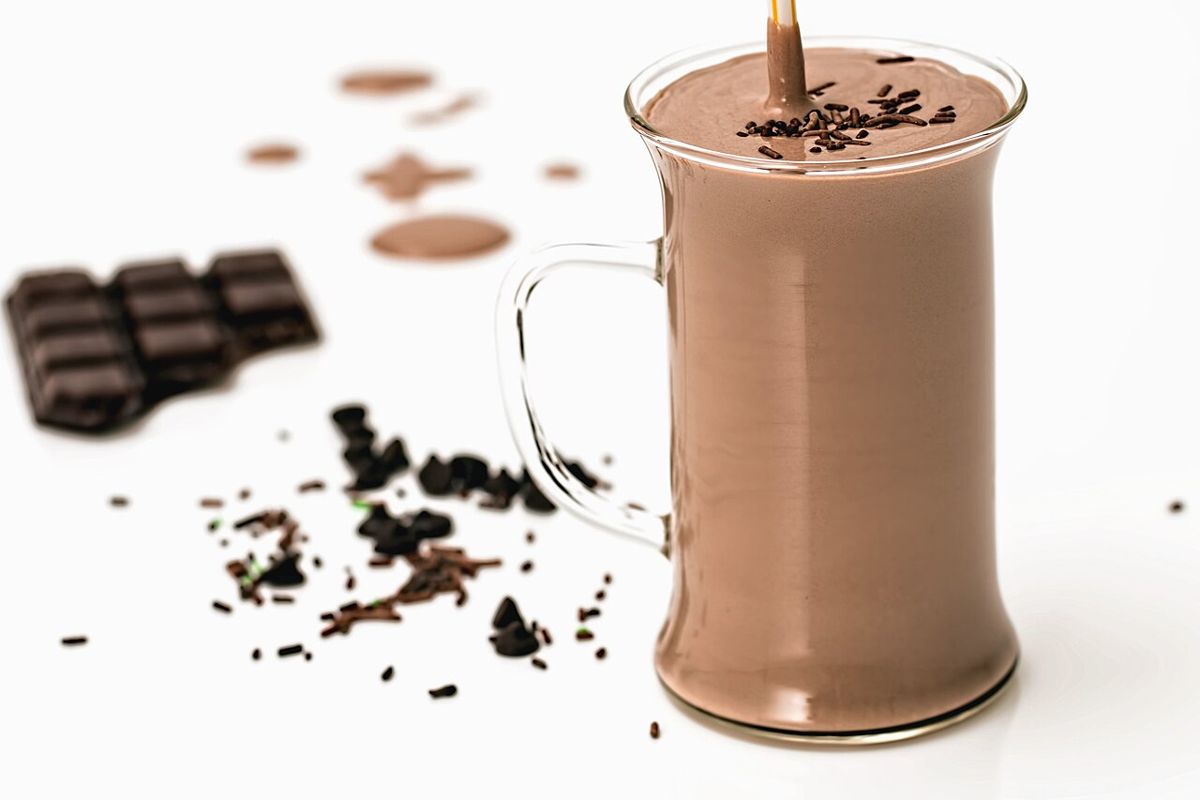
Omega-3 · October 10, 2026
Omega-3 from a glass of chocolate soymilk instead of a capsule: it reached the blood in 21 adults, but 'as good as the capsule' is a stretch
Food scientists at Ohio State stirred algae oil into chocolate soymilk and gave it to healthy adults for four weeks, while another group swallowed algae oil capsules. EPA and DHA rose in everyone's blood, and nobody complained much about fishiness. The interesting part is the DHA comparison: the capsule won at first, and the tie only appeared after an adjustment in a study too small to settle it.
Read the analysisFrom our articles
Read, then eat a little better
Plain-language guides on nutrition and wellness, backed by research.

Supplements and vitamins
Spermidine from food or capsules: measured milligrams in wheat germ, soybeans and cheese, and what the one year-long trial found
Wheat germ holds about 22 to 34 mg of spermidine per 100 g, matured cheese about 0.12 mg. The only year-long capsule trial used 0.9 mg a day and found no memory benefit. Measured values, worked doses and safety.
22 Nov 2026

Supplements and vitamins
Zinc carnosine for the gut lining: what the two human trials gave, the zinc in each dose, and the copper catch
Zinc carnosine is only about 22.6% zinc, so 75 mg twice a day is roughly 34 mg of zinc a day. Here are the doses and results of the 10-person NSAID permeability trial and the 20-person aspirin pilot, and the copper cautions.
22 Nov 2026

Women's health
Inositol for PCOS: the 40:1 ratio, trial doses, and food milligrams
Why do randomized trials in polycystic ovary syndrome prioritize the 40:1 myo to D-chiro inositol ratio? Here is the science behind the ovarian epimerase paradox, clinical ovulation and insulin metrics, and why cantaloupe cannot replace 4,000 mg trial powder.
21 Nov 2026
Start with a virtual consultation
Tell Dr. Triveni what you want to change. You will leave with a clear next step, whether you are in Toronto, London, New York or Chennai.