Newsfeed
Nutrition research, analysed
A new analysis every hour. Each one covers a recent study or report: What was found, the numbers behind it and the sources to check. We write about research from the last two weeks, not the news of the day.

Berries and cocoa · October 10, 2026
Berry powder 'lowered anxiety compared with cocoa' in a 12-week trial of 59 adults. No group's score actually changed, and nobody got a placebo
Spanish researchers gave healthy adults aged 47 to 81 a daily spoonful of red-berry powder, cocoa powder or both for three months and measured anxiety and depression before and after. The summary says emotional well-being improved. The results table says something quieter: no group moved by more than chance, and the one finding that passed rests on the berry group drifting down while the cocoa group drifted up.
Read the analysis
Plant compounds · October 10, 2026
A study of 10,754 Americans puts a number on flavonoids: 219 mg a day. That is also, almost to the milligram, where the top quarter of its sample begins
Flavonoids are the plant compounds in tea, berries, citrus and soy, and a new analysis of US survey data links eating more of them to fewer deaths among people with heart, kidney and metabolic risks. It even names a daily amount. Read the tables, though, and the two results that count are narrow, heart deaths show nothing clear, and one of the 'protective' compounds was barely being eaten at all.
Read the analysis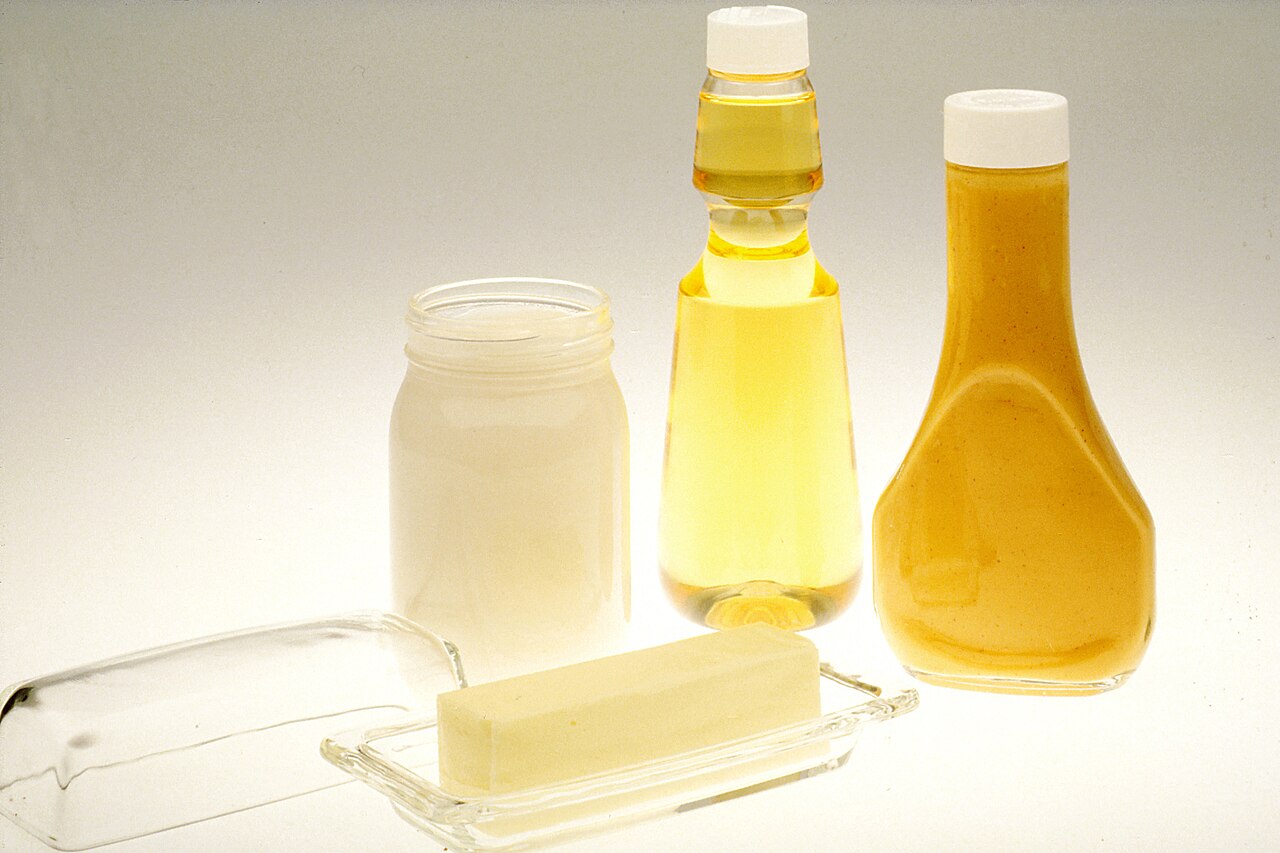
Liver health · October 10, 2026
In 121 people with cirrhosis, the biggest fat eaters died more often over five years. The headline figure is 'eight times the risk', and the group it is measured against had 10 deaths
Doctors in Tehran asked people newly diagnosed with cirrhosis what they ate, then followed them for up to five years. Deaths piled up among those who ate the most saturated fat and the most omega-6. It is the first study of its kind in cirrhosis, and its authors call it a hypothesis, not advice. The tables explain why they are right to.
Read the analysis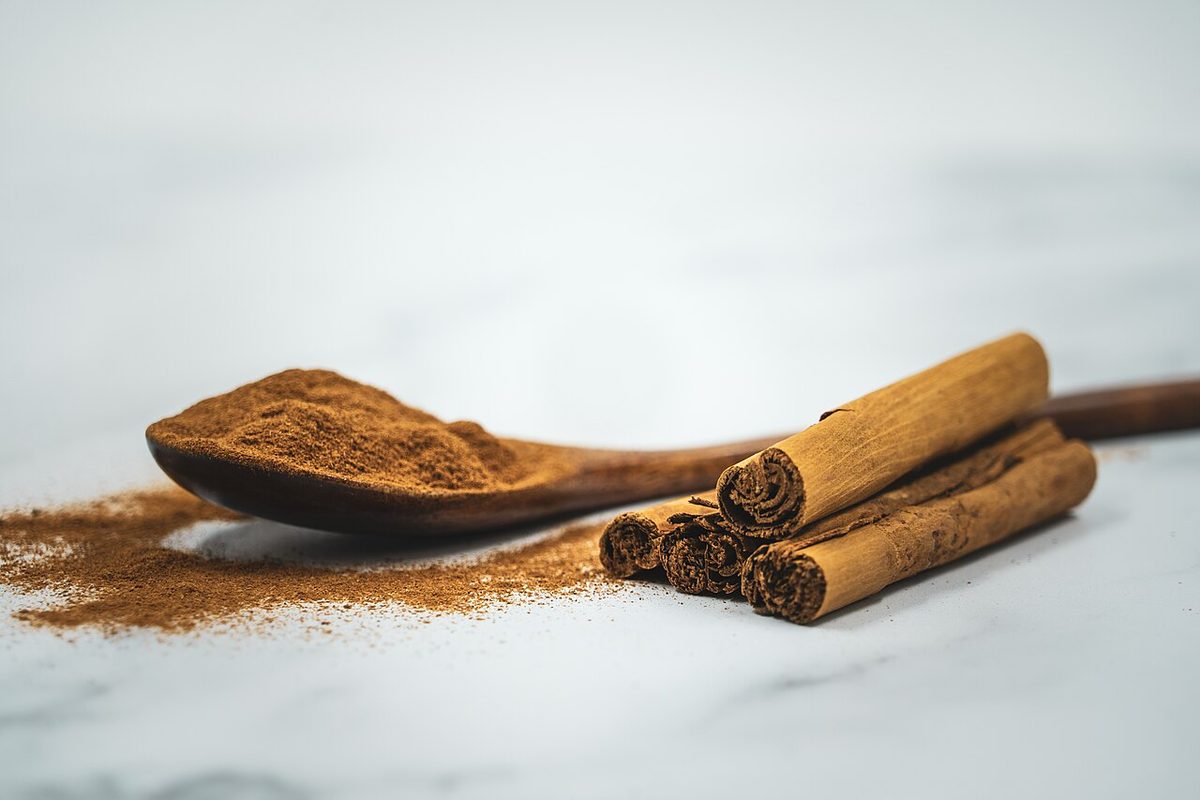
Spices and supplements · October 10, 2026
Cadets given cinnamon capsules threw a ball 30% farther in six weeks. Nobody was given a dummy capsule, and some of the sums don't add up
A trial at a military academy in Tehran reports that half a teaspoon of cinnamon a day, with no extra training, made young cadets lighter, fitter and stronger, and that adding it to hard interval sessions beat the sessions alone. Those are large effects for a kitchen spice. The paper's own tables are the best reason to hold off on buying any.
Read the analysis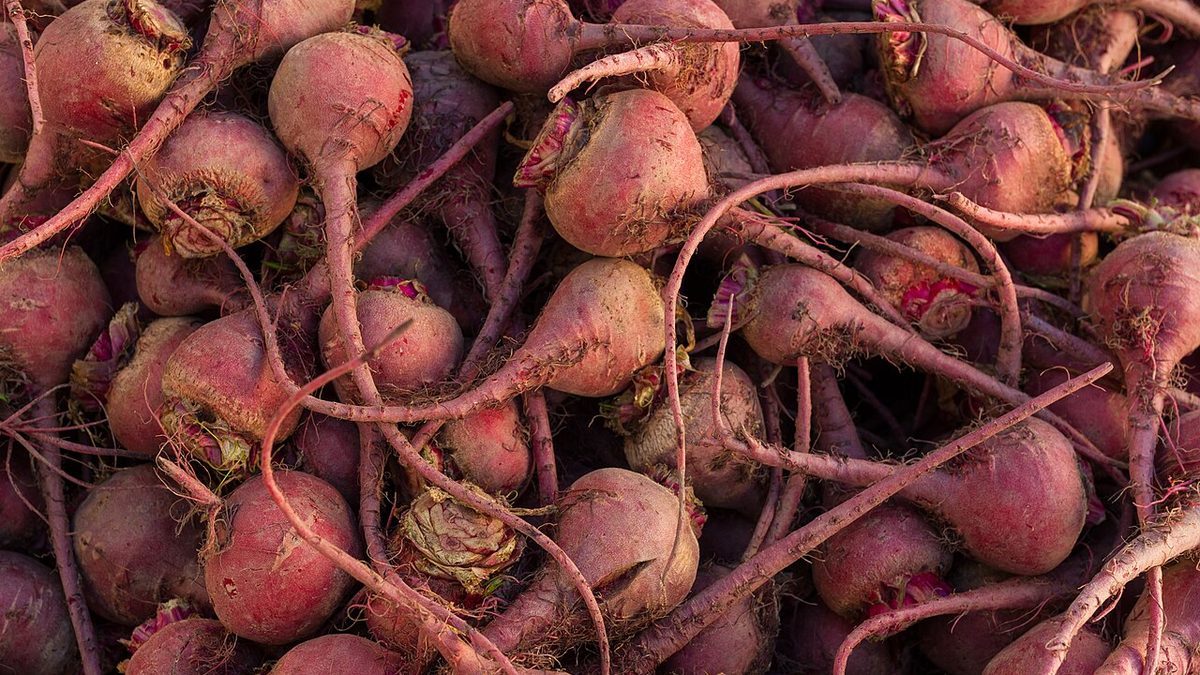
Metabolism · October 10, 2026
Six capsules of a beet compound a day for eight weeks: two of six blood markers moved, and nobody can yet say what that means
Betaine is sold with promises about energy and cell health, mostly on the strength of experiments in dishes and in rats. A team in Poland gave 3 g a day to women with overweight, with a proper placebo and nobody knowing who got what. An antioxidant enzyme rose by about a quarter. The rest of the story is quieter, and the authors are the first to say so.
Read the analysis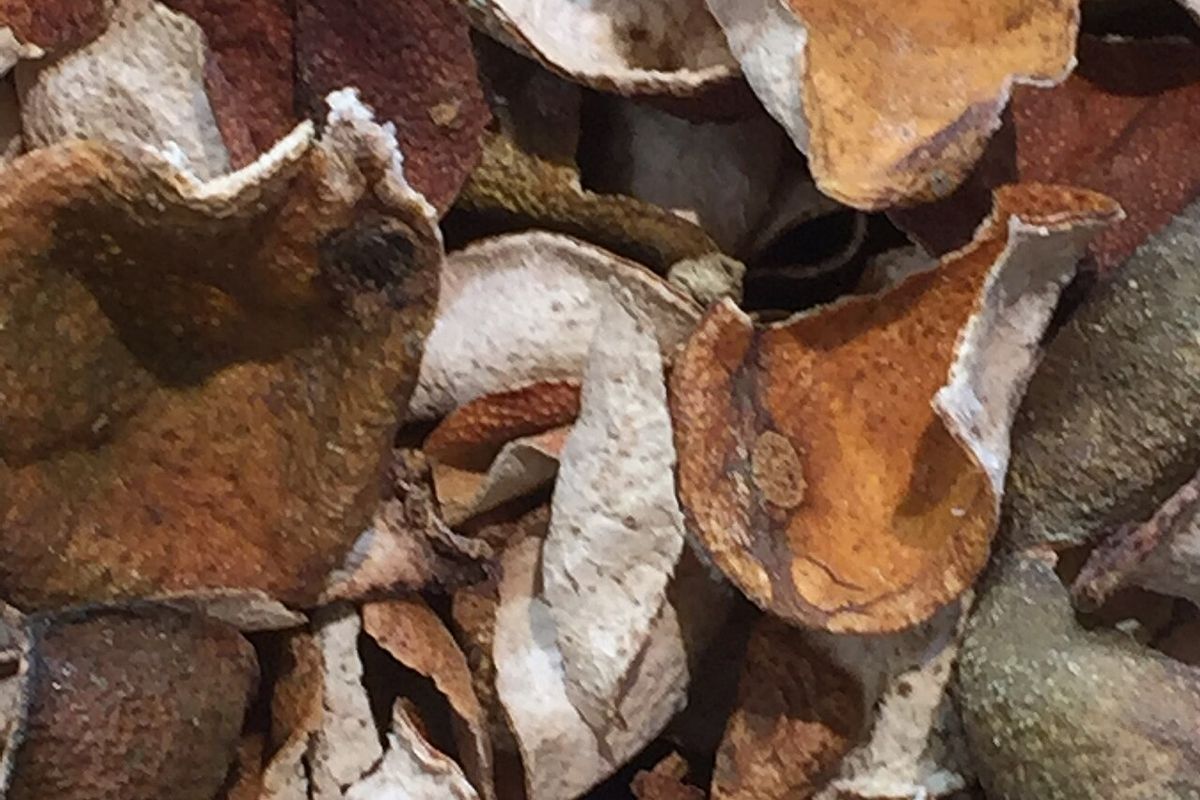
Sports nutrition · October 10, 2026
Twelve of 15 women fighters lost weight on a citrus-peel compound without dieting. The average drop was 0.7 kg, and the researchers made the powder
Making weight is the grim part of boxing, judo and taekwondo: saunas, sweat suits, days of barely eating. A team in Shanghai tried something gentler, a month of a citrus compound called tangeretin stirred into a morning protein shake, with no cut in food at all. Fat went down and five athletes reached their weight class. Before anyone reorders their supplement shelf, the size of the effect and who ran the trial both matter.
Read the analysis
Probiotics · October 10, 2026
A probiotic for psoriatic arthritis, tested against a dummy powder for 12 weeks. More people got better on the dummy
Doctors in Austria gave people with psoriatic arthritis an everyday shop-bought probiotic or a look-alike placebo to stir into water each morning. The bacteria reached the gut in most of those taking it, yet joints, skin, gut-leakiness markers and the microbiome looked no different from placebo. The same team's earlier, unblinded pilot had looked promising, which is part of the story.
Read the analysis
Ancient grains · October 10, 2026
Two flatbreads with about the same calories. Pregnant women given the amaranth one gained 2 kg more
In ten communities in southern Ethiopia, anaemic pregnant women were brought a 200 g flatbread at home every day for six months: maize in five places, amaranth and chickpea in the other five. The amaranth group put on more weight, and far fewer of them ended the trial with the thin upper arm that signals undernutrition. What nobody recorded is how the babies did, and the paper's own numbers don't always agree with each other.
Read the analysis
Oral health · October 10, 2026
The tongue bacteria that put leafy-green nitrate to work were more common in people without prediabetes
Researchers swabbed the tongues of 472 people and read the genes of everything living there. One microbe, Rothia mucilaginosa, and the bacterial work of reducing nitrate, the compound plentiful in vegetables, stood out in the people who didn't have prediabetes. It is an association, not proof, but it adds to a strange idea: part of what your food does may depend on your mouth.
Read the analysis
Iron · October 10, 2026
The same iron pill, eight weeks, and an inherited cholesterol particle that seemed to hold some women back
Fifty-two young women with low iron took the same daily supplement with lunch for eight weeks, and on average their iron stores climbed. But those born with more lipoprotein(a), a particle in the blood set mostly by genes, started with less stored iron and ended with less iron moving through their blood. It's a small, early clue about why the usual fix doesn't work equally well for everyone.
Read the analysis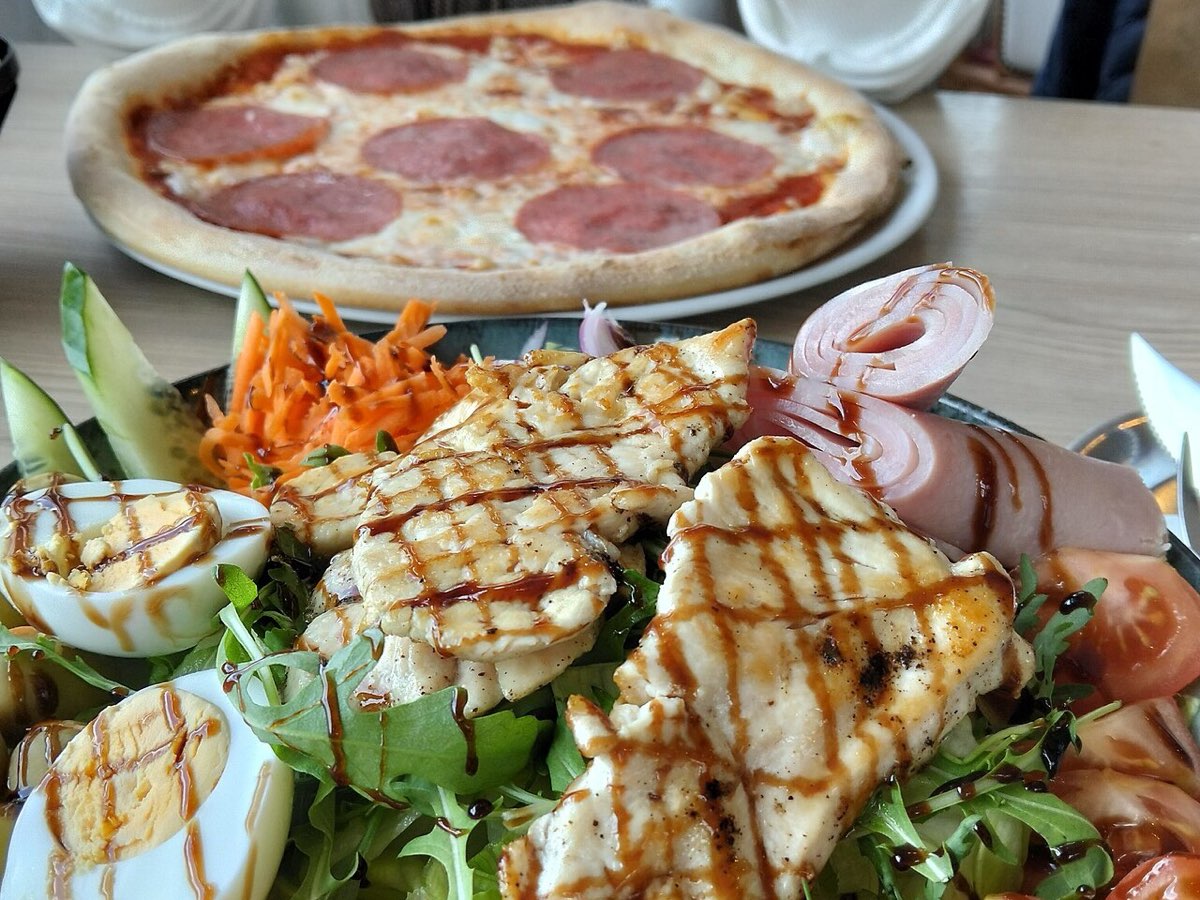
Mood and food · October 9, 2026
A sad song and a bad memory let taste get to the decision first, most of all in women with bulimia
Women with and without bulimia rated 43 foods, then chose between them after writing about something upsetting to a famously mournful piece of music. Their final choices barely moved. But a closer look at how fast they decided showed that a low mood let tastiness speak before healthiness got a word in, and the size of that head start tracked how often the women with bulimia felt they lost control over eating.
Read the analysis
Food processing · October 9, 2026
Same calories, same carbs, same salt: the ultra-processed plate still pulled more insulin
Researchers built two 300-calorie meals that matched on almost everything a nutrition label shows. One was all ultra-processed, the other wasn't. Blood sugar came out the same, but insulin climbed higher and stayed up longer after the processed meal, and the body burned its fuel differently.
Read the analysisFrom our articles
Read, then eat a little better
Plain-language guides on nutrition and wellness, backed by research.

Supplements and vitamins
Spermidine from food or capsules: measured milligrams in wheat germ, soybeans and cheese, and what the one year-long trial found
Wheat germ holds about 22 to 34 mg of spermidine per 100 g, matured cheese about 0.12 mg. The only year-long capsule trial used 0.9 mg a day and found no memory benefit. Measured values, worked doses and safety.
22 Nov 2026

Supplements and vitamins
Zinc carnosine for the gut lining: what the two human trials gave, the zinc in each dose, and the copper catch
Zinc carnosine is only about 22.6% zinc, so 75 mg twice a day is roughly 34 mg of zinc a day. Here are the doses and results of the 10-person NSAID permeability trial and the 20-person aspirin pilot, and the copper cautions.
22 Nov 2026

Women's health
Inositol for PCOS: the 40:1 ratio, trial doses, and food milligrams
Why do randomized trials in polycystic ovary syndrome prioritize the 40:1 myo to D-chiro inositol ratio? Here is the science behind the ovarian epimerase paradox, clinical ovulation and insulin metrics, and why cantaloupe cannot replace 4,000 mg trial powder.
21 Nov 2026
Start with a virtual consultation
Tell Dr. Triveni what you want to change. You will leave with a clear next step, whether you are in Toronto, London, New York or Chennai.