Newsfeed
Nutrition research, analysed
A new analysis every hour. Each one covers a recent study or report: What was found, the numbers behind it and the sources to check. We write about research from the last two weeks, not the news of the day.

Caffeine · October 9, 2026
Three espressos' worth of caffeine didn't sharpen self-control, not even in people with more ADHD symptoms
Some people with ADHD traits say coffee helps them focus, and surveys back them up. A double-blind trial gave 36 young adults 250 mg of caffeine or a lookalike placebo in decaf coffee and tested how well they could hold back a response. Caffeine changed nothing measurable, and having more symptoms didn't make it work better.
Read the analysis
Global health · October 9, 2026
Give families a free month of nutrient sachets at the vaccine clinic, and measles vaccination climbs 20 points
In ten health areas of northern Nigeria, caregivers who brought a baby to the clinic went home with a month's supply of small fortified food sachets, whether or not the child was vaccinated that day. A year later, a randomised trial found card-verified measles coverage had risen 20 percentage points more there than in the ten areas without them.
Read the analysis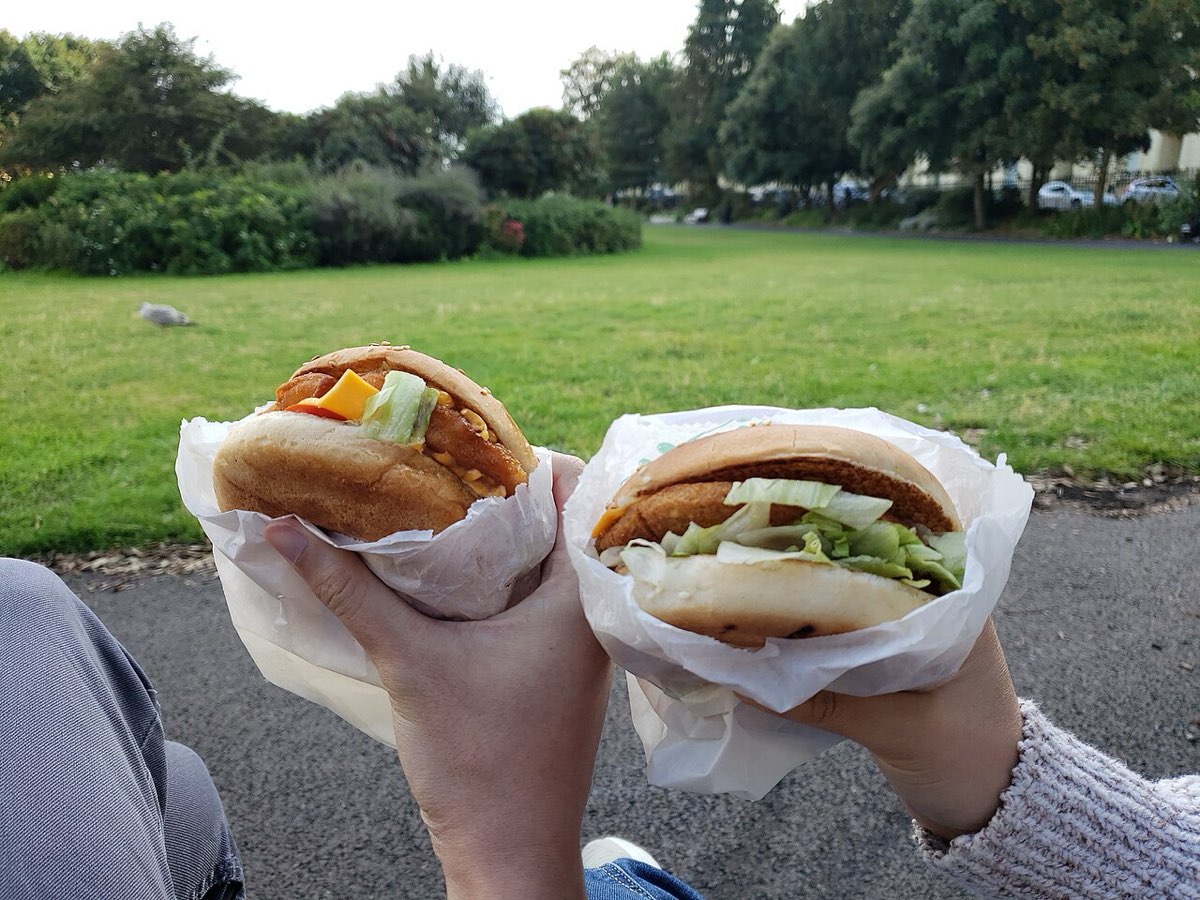
Research methods · October 9, 2026
Two in three Americans who called themselves vegetarian had eaten meat, chicken or fish when asked what they ate the day before
In a US national health survey, 2.2% of adults said they were vegetarian. Then the same people listed everything they had eaten the previous day, and 68% of them named meat, poultry or fish. A new analysis shows what that gap does to studies of vegetarian diets: for one outcome, the apparent effect flipped direction.
Read the analysis
Mental health · October 9, 2026
Vegetables, calcium and fizzy drinks tracked depression in 1,039 young South Africans, until income came into the sums
Nearly three in ten young adults in a South African study scored high for depression. Those who did ate fewer vegetables, less calcium and drank more sugary drinks. But once the researchers allowed for income, education, sex and race, almost every link faded, and five years later only milk still stood out. What a careful null result tells us about food and mood.
Read the analysis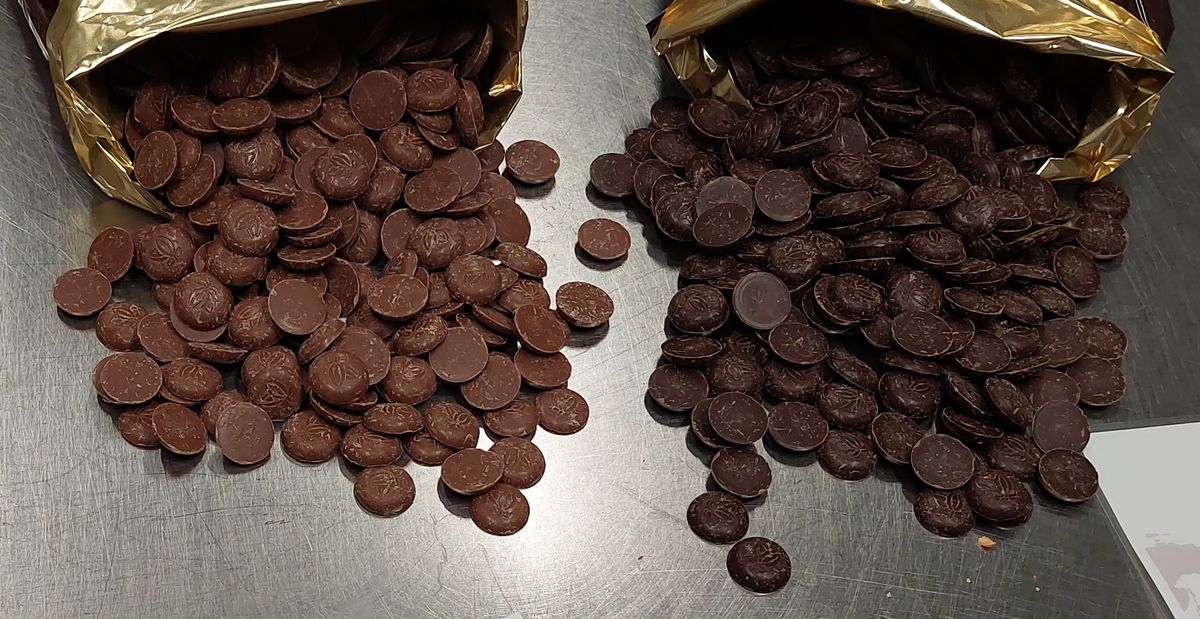
Food processing · October 9, 2026
Same recipe, same sugar, one extra machine: this milk chocolate sent insulin up less
A Japanese confectioner's lab made two milk chocolates from identical ingredients, but pushed half the sugar, cocoa and milk powder of one through a hot, high-pressure extruder first. Eighteen men ate 76 grams of each on separate mornings. The extruded bar raised insulin less in the first half hour and kept them feeling full a little longer. Here is what the numbers do and don't show.
Read the analysis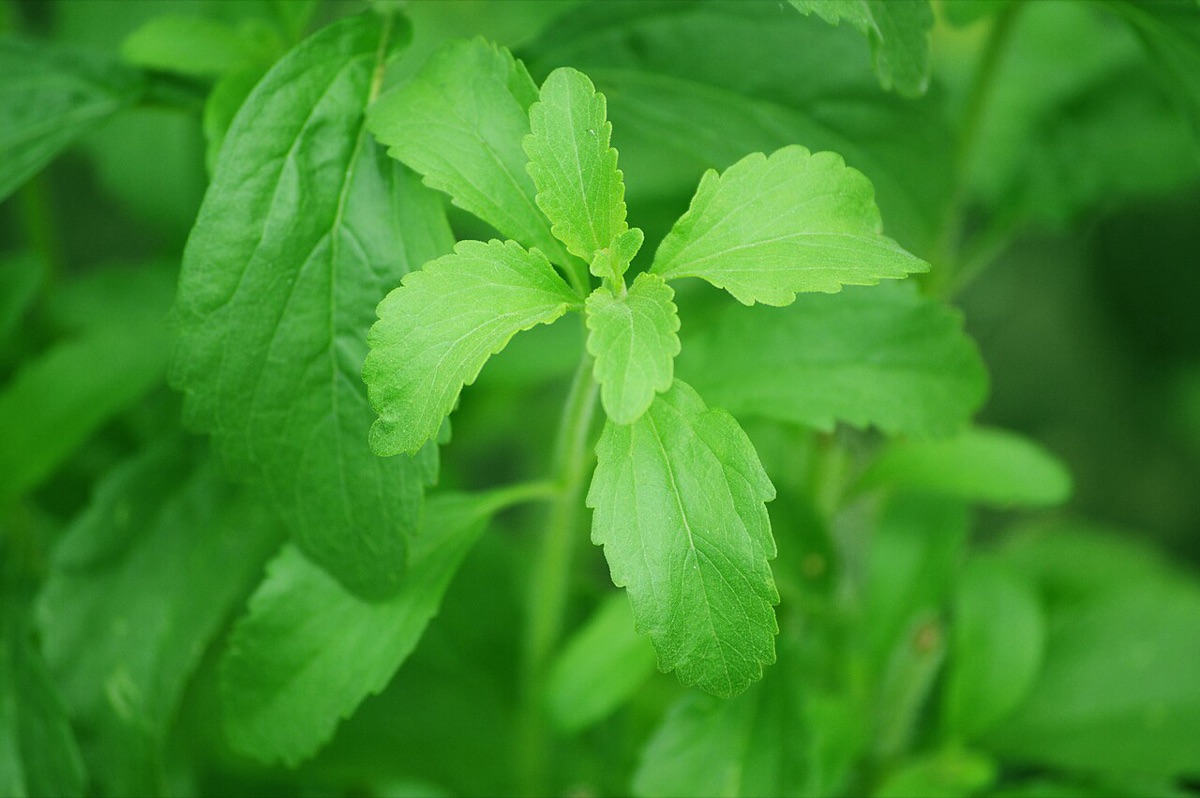
Food and the planet · October 9, 2026
Swap every spoonful of added sugar for stevia and the climate bill doesn't move. The water bill goes up 11%
A European team took the diets of Dutch adults who eat a lot, removed all 54 grams a day of added sugar on paper, and put stevia and sugar alcohols in its place. The carbon footprint came out exactly the same. What changed was where the emissions came from: fizzy drinks got cleaner, cakes and sweets got dirtier, and the whole diet drank more water.
Read the analysis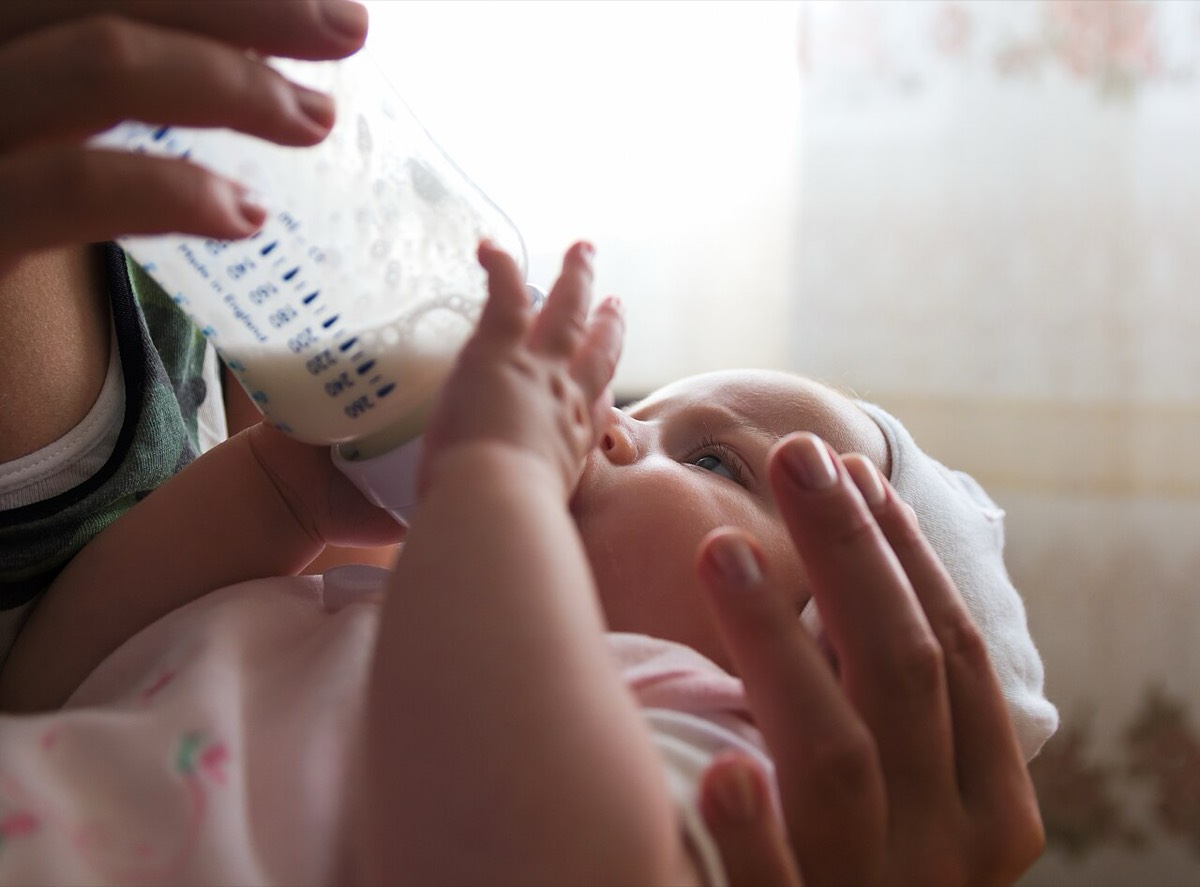
Infant nutrition · October 9, 2026
Does a toddler's sweet tooth start in breast milk? Hormones in the milk at six months lined up with tastes a year later
Researchers in Argentina measured four appetite and stress hormones in breast milk and in babies' blood at six months, then offered the same children bottles of sweet and fatty drinks at 18 months. The hormones lined up with what the toddlers drank and ate, though not always in the direction you'd guess, and only 28 children made it to the end.
Read the analysis
Cancer prevention · October 9, 2026
Stomach cancer was a little less common in people who ate more vitamin B6. Then the researchers counted the vegetables
Thirteen studies, more than 16,000 people across four continents: those whose diets carried more thiamin (B1) and vitamin B6 were somewhat less likely to be stomach cancer patients. It's a tidy-looking result, until you see what happened when the team allowed for fruit, vegetables, meat and alcohol.
Read the analysis
Nuts and mood · October 8, 2026
A handful of walnuts a day for eight weeks, and young adults said their mood lifted. Their urine told a more complicated story
In a small Barcelona trial, 31 young adults ate 40 g of walnuts a day for two months and spent another two months eating no nuts at all. Their mood scores improved on walnuts, and a serotonin by-product in their urine went up. But walnuts happen to contain serotonin themselves, everyone knew what they were eating, and part of the money came from the walnut industry.
Read the analysis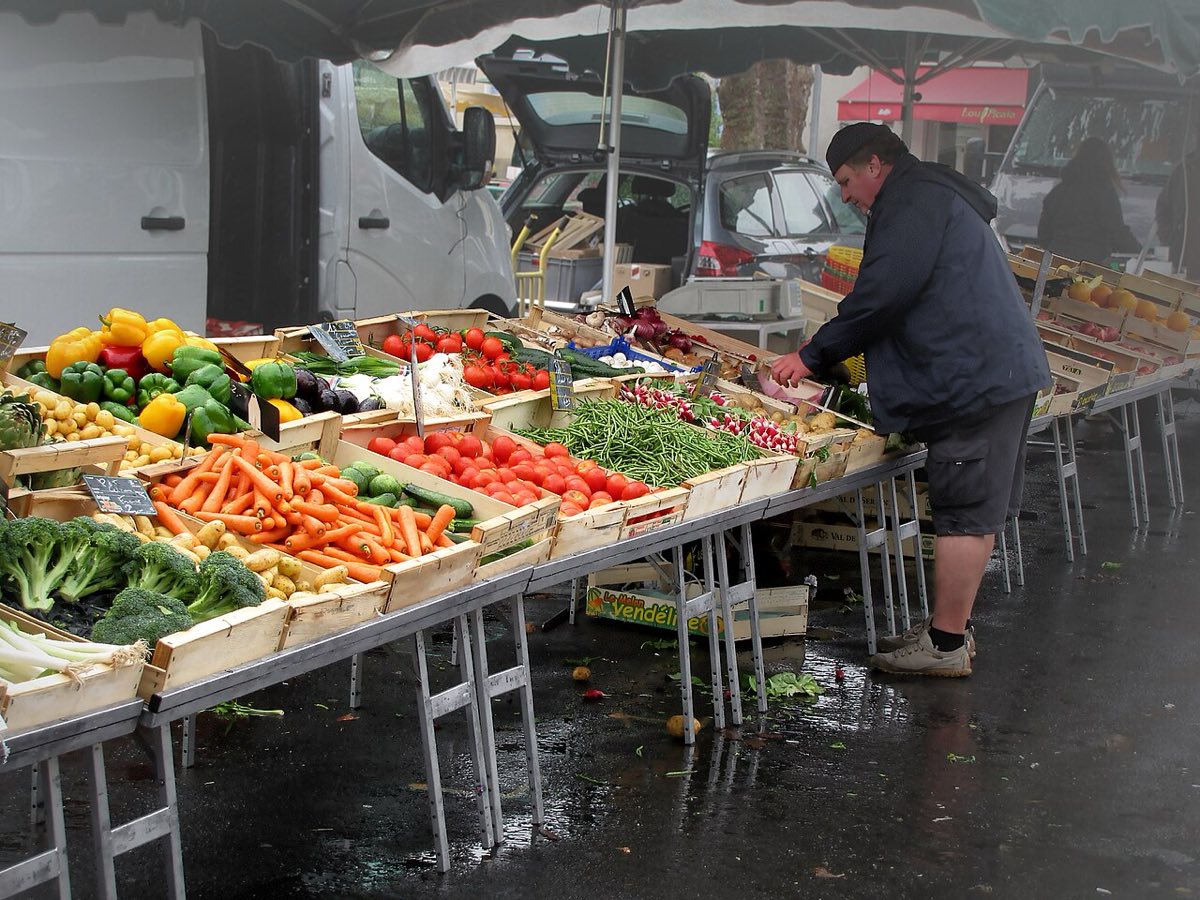
Inflammation · October 8, 2026
A rare artery disease that threatens eyesight was less common in French women who ate their plants the healthy way, and the sweets-and-white-bread version did nothing
Giant cell arteritis inflames the arteries at the temples and can cost people their sight, and nobody quite knows what triggers it. Following 60,187 French women for close to two decades, researchers found that those whose diets leaned hardest on whole grains, fruit, vegetables, nuts and legumes developed it about a third less often. The closely related muscle condition, polymyalgia rheumatica, showed no link at all.
Read the analysis
Blood sugar · October 8, 2026
The snack that moved blood sugar most wasn't the sweet one: in 785 adults wearing glucose sensors, bread and buns topped the list, and a brisk hour afterwards pulled it back down
For nine ordinary days, adults in Singapore without diabetes wore a glucose sensor and an activity tracker and logged every snack on their phones. Bread and buns went with the largest rise in blood sugar afterwards, ahead of fried food, sweets and sugary drinks. Afternoon and early-evening snacks hit harder than morning ones, and moving about after eating went with a smaller rise.
Read the analysis
Eye health · October 8, 2026
Can what children eat stop short sight getting worse? In 204,238 pupils, diet barely moved the needle; time outdoors and where they lived did more
A four-year study followed every short-sighted schoolchild it could in Tianjin, China, to see who slid into high myopia, the severe kind that raises the risk of serious eye disease later. Children whose families reported a more plant-based diet did a little better. Two hours a day outdoors helped more, and a poorer district was the strongest risk of all.
Read the analysisFrom our articles
Read, then eat a little better
Plain-language guides on nutrition and wellness, backed by research.

Supplements and vitamins
Spermidine from food or capsules: measured milligrams in wheat germ, soybeans and cheese, and what the one year-long trial found
Wheat germ holds about 22 to 34 mg of spermidine per 100 g, matured cheese about 0.12 mg. The only year-long capsule trial used 0.9 mg a day and found no memory benefit. Measured values, worked doses and safety.
22 Nov 2026

Supplements and vitamins
Zinc carnosine for the gut lining: what the two human trials gave, the zinc in each dose, and the copper catch
Zinc carnosine is only about 22.6% zinc, so 75 mg twice a day is roughly 34 mg of zinc a day. Here are the doses and results of the 10-person NSAID permeability trial and the 20-person aspirin pilot, and the copper cautions.
22 Nov 2026

Women's health
Inositol for PCOS: the 40:1 ratio, trial doses, and food milligrams
Why do randomized trials in polycystic ovary syndrome prioritize the 40:1 myo to D-chiro inositol ratio? Here is the science behind the ovarian epimerase paradox, clinical ovulation and insulin metrics, and why cantaloupe cannot replace 4,000 mg trial powder.
21 Nov 2026
Start with a virtual consultation
Tell Dr. Triveni what you want to change. You will leave with a clear next step, whether you are in Toronto, London, New York or Chennai.