Inflammation · October 8, 2026
A rare artery disease that threatens eyesight was less common in French women who ate their plants the healthy way, and the sweets-and-white-bread version did nothing
Giant cell arteritis inflames the arteries at the temples and can cost people their sight, and nobody quite knows what triggers it. Following 60,187 French women for close to two decades, researchers found that those whose diets leaned hardest on whole grains, fruit, vegetables, nuts and legumes developed it about a third less often. The closely related muscle condition, polymyalgia rheumatica, showed no link at all.
Giant cell arteritis is the kind of illness most people only hear about when it happens to a parent. It almost always starts after 50: a new, stubborn headache, a tender scalp, an aching jaw when chewing, sometimes blurred or double vision. The arteries at the temples are inflamed, and without quick treatment with steroids it can lead to blindness or stroke. Its cousin, polymyalgia rheumatica, brings pain and morning stiffness in the shoulders, neck and hips, and the two sometimes turn up in the same person. Age and being a woman raise the risk of both, but what else sets them off is still largely a mystery. A team at Université Paris-Saclay, Inserm and the Paris public hospitals asked whether diet plays a part. Their study was published in the European Journal of Nutrition on 7 October 2026.
They used E3N, a French study that has followed 98,995 women since 1990, all insured through a national health plan that mainly covers teachers. In 1993 the women filled in a detailed food questionnaire. From it the researchers scored three versions of a plant-based diet, using a method developed at Harvard. The overall score rewards eating plants and marks down animal foods. The 'healthful' score rewards only the better plant foods, such as whole grains, fruit, vegetables, nuts, legumes, vegetable oils, tea and coffee, and marks down refined grains, potatoes, juices, sweets and sugary drinks along with animal foods. The 'unhealthful' score turns that around. Cases were picked up from repeated questionnaires and confirmed against the medicines the women were reimbursed for.
Of 60,187 women who could be included, 602 developed one of the two conditions over a median of 17.6 years after filling in the food questionnaire: 142 giant cell arteritis, 373 polymyalgia rheumatica and 87 where the doctors couldn't say which. For the two together, and for polymyalgia on its own, none of the three diet scores made any difference. Giant cell arteritis was the exception. Women in the top third of the healthful score had a 38% lower risk than those in the bottom third, after allowing for age, energy intake and other factors, and the risk fell step by step across the thirds. The overall plant score gave an odd pattern: the middle third, not the top, had the lowest risk. The unhealthful score showed nothing.
This needs reading carefully. The result rests on 142 cases split three ways, so the confidence interval runs from a 61% lower risk to only 3% lower, close to no effect at all. Diet was measured once, in 1993, years before most of the illnesses began, and people's eating changes. It's an observational study, so women who ate the healthy plant foods may have differed in other ways the adjustment didn't capture, and the findings come from French women, many of them teachers, not from men or other countries. We could read only the paper's summary, so the exact list of factors the authors allowed for comes from it alone. The authors call it the first evidence from a long-running study that diet quality is tied to giant cell arteritis, and a reason to look harder at food and inflammatory rheumatic disease, not a prevention plan. Still, it's one more case where the kind of plant food mattered more than simply eating less meat.
60,187 French women, diet scored in 1993, a median 17.6 years of follow-up
602
Women who developed giant cell arteritis or polymyalgia rheumatica: 142 GCA, 373 PMR, 87 undifferentiated
0.62
Hazard ratio for giant cell arteritis, top v bottom third of the healthful plant-based score (95% CI 0.39 to 0.97; trend p = 0.04)
38%
Lower risk of giant cell arteritis in the top third of the healthful score
0.65
Hazard ratio for giant cell arteritis, middle v bottom third of the overall plant-based score (95% CI 0.43 to 0.98), a non-linear pattern
No link
Any of the three scores with polymyalgia rheumatica, or with both conditions together
No link
The unhealthful plant-based score (refined grains, sweets, sugary drinks) with either condition
From the abstract of the paper in the European Journal of Nutrition, published 7 October 2026. Hazard ratios from Cox models adjusted for age, energy intake and other confounders. '38% lower' is our arithmetic from the 0.62 hazard ratio. Diet scores follow the plant-based diet indices of Satija and colleagues (2016). One author reports consulting fees and honoraria from drug companies outside the topic of the study; the others declare no competing interests.
- The healthful plant-based score was first used in 2016 on about 200,000 US nurses and health professionals: those with the highest scores had about 45% lower risk of type 2 diabetes than those with the lowest.
- The E3N women were aged 40 to 65 when the study began in 1990, and about 80% have kept answering the follow-up questionnaires sent every two to three years.
- Doctors start steroids for suspected giant cell arteritis before tests confirm it, because waiting risks permanent loss of sight.
- Pain in the jaw while eating or talking is one of the main warning signs of giant cell arteritis, alongside a new severe headache and tenderness at the temples.
- Plant-based diet quality and risk of giant cell arteritis and polymyalgia rheumatica: findings from the E3N prospective cohort studyEuropean Journal of Nutrition, 7 October 2026 · The study; all its figures in this item come from the abstract
- Abstract on PubMed (PMID 42841951)PubMed, US National Library of Medicine · Free abstract with the case numbers and hazard ratios
- Plant-Based Dietary Patterns and Incidence of Type 2 Diabetes in US Men and Women: Results from Three Prospective Cohort StudiesPLOS Medicine, 2016 · Where the overall, healthful and unhealthful plant-based scores come from; hPDI hazard ratio 0.55 for type 2 diabetes
- Cohort Profile: The French E3N Cohort StudyInternational Journal of Epidemiology, 2015 · Who the E3N women are and how they are followed
- Temporal arteritis (giant cell arteritis)NHS · Symptoms, urgent treatment and the link with polymyalgia rheumatica
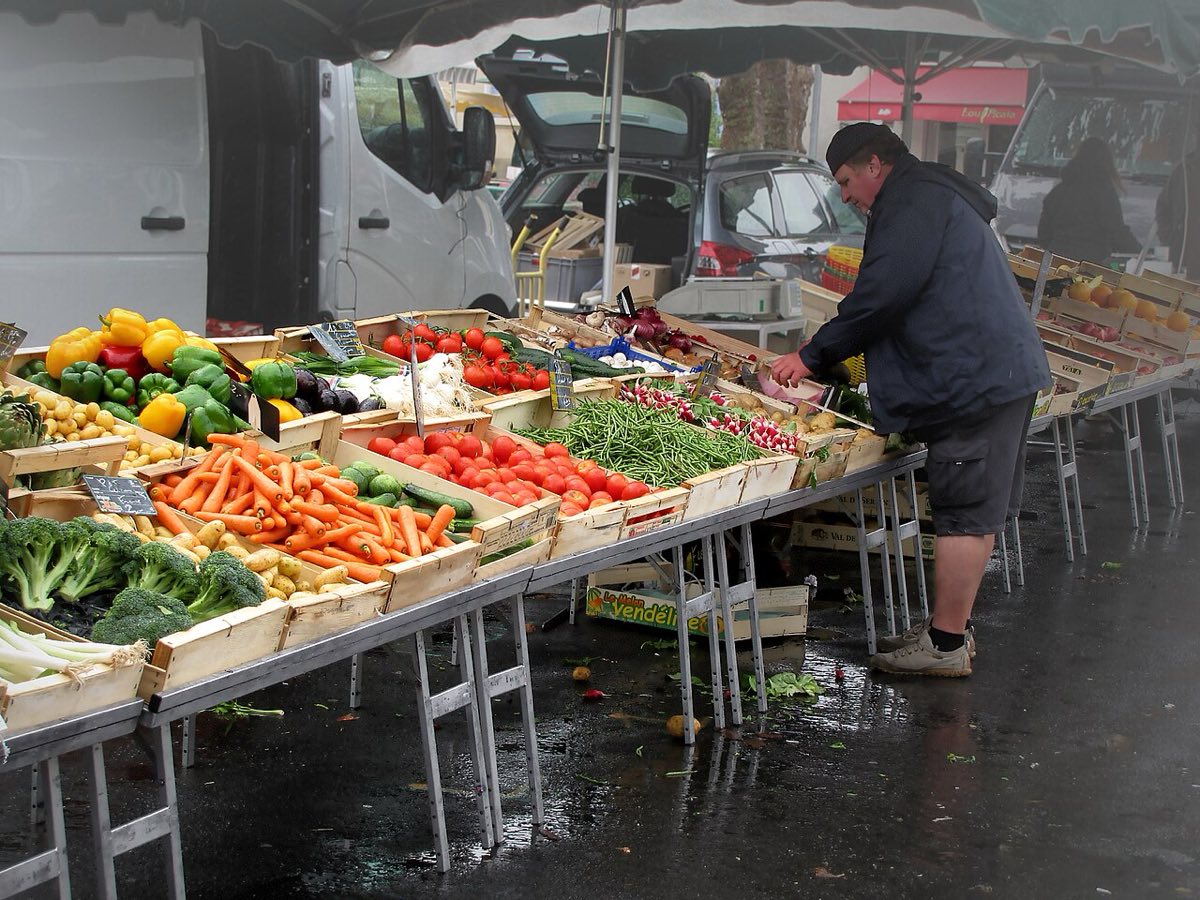
- Greengrocer At A Street Market In France Dordogne (photo)Joenomias Menno De Jong, via Wikimedia Commons · CC0 image
General information, not medical advice. A new headache with scalp tenderness, jaw pain when chewing or changes in your vision after 50 needs a doctor the same day. If you have giant cell arteritis or polymyalgia rheumatica, talk to your doctor or a registered dietitian before changing your diet, and don't stop steroids on your own.
Analysis by NutroPractic from the sources listed. Written for general readers; it does not replace advice from your own doctor.
Newsfeed for your website
Want this feed on your website?
Add it to any site with one copy-and-paste snippet. No sign-up, and it updates itself every hour.
Start with a virtual consultation
Tell Dr. Triveni what you want to change. You will leave with a clear next step, whether you are in Toronto, London, New York or Chennai.