Cancer prevention · October 9, 2026
Stomach cancer was a little less common in people who ate more vitamin B6. Then the researchers counted the vegetables
Thirteen studies, more than 16,000 people across four continents: those whose diets carried more thiamin (B1) and vitamin B6 were somewhat less likely to be stomach cancer patients. It's a tidy-looking result, until you see what happened when the team allowed for fruit, vegetables, meat and alcohol.
Stomach cancer is one of the world's most common cancers, and scientists have spent decades asking what diet has to do with it. Salt and preserved foods turn up again and again; individual vitamins much less clearly. A team led from the University of Milan has now looked at four B vitamins, thiamin (B1), riboflavin (B2), niacin (B3) and pyridoxine (B6), by pooling the original data of 13 case-control studies in the Stomach cancer Pooling (StoP) Project. The paper appeared in the European Journal of Nutrition on 7 October 2026.
A case-control study starts with people who already have the disease, the cases, and compares them with similar people who don't, the controls, asking both groups what they usually ate. Here that meant 5,252 people with stomach cancer and 11,397 without, with the research groups behind the studies spread across Europe, Asia and the Americas. Within each study the researchers split people into four equal groups by how much of each vitamin their diet supplied, then worked out how the odds of stomach cancer changed with each step up, allowing for the usual risk factors, before combining the studies.
Each step up in B6 intake came with 14% lower odds of stomach cancer, and each step up in thiamin with 7% lower odds. Niacin was borderline and riboflavin showed nothing clear. Allowing for Helicobacter pylori, the stomach bacterium most strongly tied to the disease, didn't change the main results. In men, the highest thiamin intakes looked more protective than in women. Riboflavin was linked with a higher, not lower, risk of the diffuse type of stomach cancer, though not the more common intestinal type.
The catch sits in one sentence of the summary: once the team also allowed for alcohol, meat, and fruit and vegetable intake, the links 'were weakened or no more apparent'. B6 comes from foods like chickpeas and other legumes, bananas, fish, poultry, nuts and whole grains, so people eating more of it are often simply eating more plants and fewer of the things already tied to stomach cancer. The vitamin may be a marker of a better diet rather than the active ingredient. Case-control designs add their own wobble: people diagnosed with cancer may remember their past eating differently, and the 13 studies measured diet in different ways, which the authors flag themselves when they call for more uniform methods. They conclude that B1 and B6 'might' lower risk. We read the abstract and the paper's funding record; the full text was not reachable for us. Nothing here suggests taking B-vitamin pills against stomach cancer, but it fits well with an ordinary plate built around legumes, whole grains, fish and fruit.
13 pooled case-control studies: 5,252 stomach cancer cases, 11,397 controls
16,649
People in the pooled analysis: 5,252 with stomach cancer and 11,397 without
0.86
Odds ratio for each quartile step up in vitamin B6 intake (95% CI 0.82 to 0.91)
0.93
Odds ratio for each quartile step up in thiamin (B1) intake (95% CI 0.88 to 0.97)
0.95
Niacin (B3), borderline (95% CI 0.90 to 1.00)
0.97
Riboflavin (B2), no clear link (95% CI 0.93 to 1.02)
Weakened
The links after allowing for alcohol, meat, and fruit and vegetable intake
Figures from the abstract of the paper in the European Journal of Nutrition, published 7 October 2026 (open access, CC BY 4.0). Quartiles were set within each study; an odds ratio below 1 means lower odds of stomach cancer per step up in intake. Main results held after adjusting for H. pylori infection. Funders in the paper's Crossref record include Italy's Ministry of Health, Portugal's Ministry of Science, Technology and Higher Education and the Generalitat Valenciana; the authors declare no competing interests.
- About two-thirds of the world's population carries Helicobacter pylori, the stomach bacterium most strongly tied to stomach cancer, according to US public health estimates.
- Stomach cancer has been becoming less common in most of the world, even as cancer of the cardia, the part of the stomach that joins the oesophagus, has risen in recent decades.
- Thiamin deficiency in the US is seen most often in people who drink heavily, because alcohol makes thiamin harder to absorb.
- Large doses of vitamin B6 from supplements can damage nerves, causing numbness and trouble coordinating movement; food sources don't carry that risk.
- Dietary intake of vitamins B1, B2, B3, and B6, and the risk of gastric cancer: pooled analyses within the Stomach cancer Pooling (Stop) projectEuropean Journal of Nutrition, 7 October 2026 · The study (open access); figures in this item come from its abstract, funding from its Crossref record
- Abstract on PubMed (PMID 42841975)PubMed, US National Library of Medicine · Free abstract with the design, odds ratios and the effect of further adjustment
- Helicobacter pylori and cancerUS National Cancer Institute · How common H. pylori is, and trends in stomach cancer and cardia cancer
- Vitamin B6MedlinePlus, US National Library of Medicine · Food sources and the effects of large doses
- ThiaminMedlinePlus, US National Library of Medicine · Food sources and why heavy drinkers run short
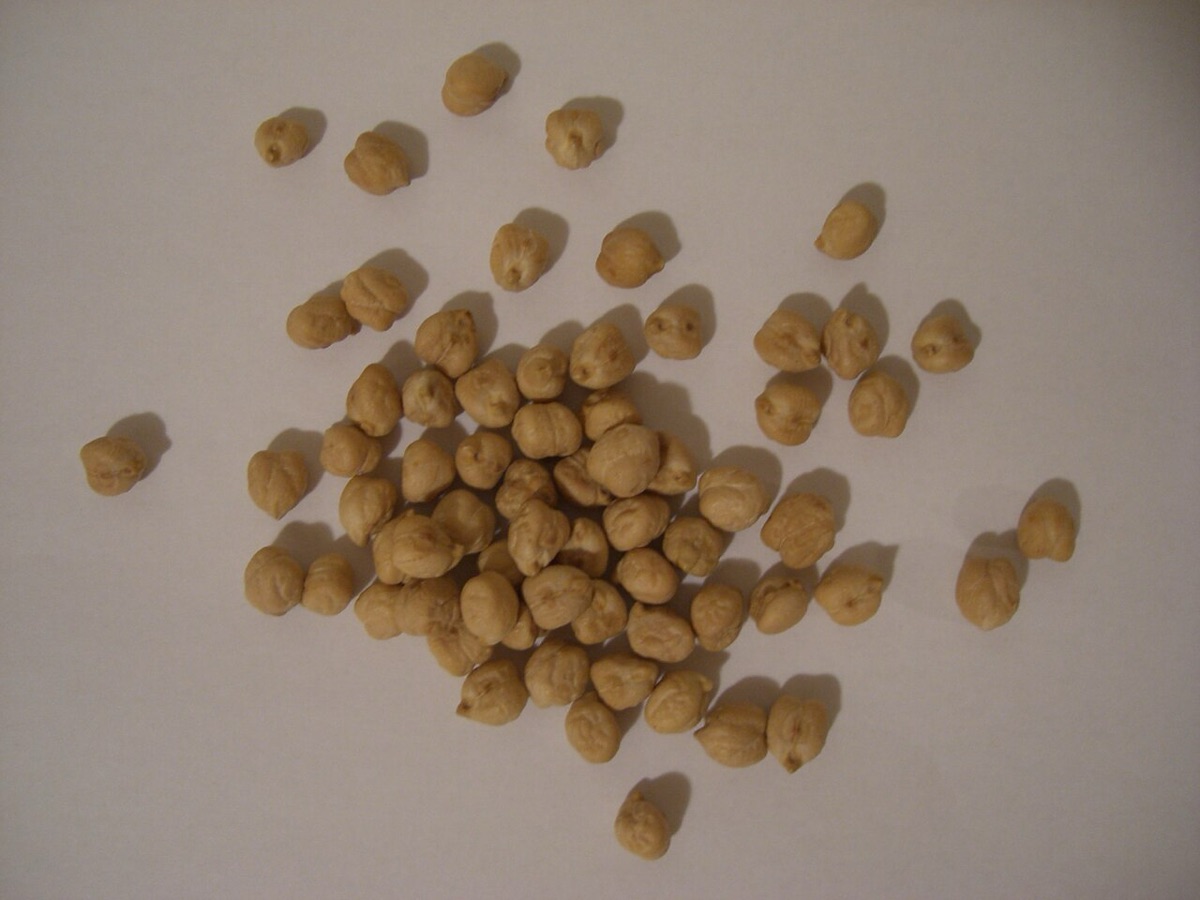
- Dry chickpea (photo)Yuvalif, via Wikimedia Commons · Public domain image
General information, not medical advice. This study shows an association, not cause and effect. Don't start high-dose B-vitamin supplements without talking to a doctor: too much B6 can harm nerves. Ongoing indigestion, difficulty swallowing, unexplained weight loss or black stools need a doctor's check.
Analysis by NutroPractic from the sources listed. Written for general readers; it does not replace advice from your own doctor.
Newsfeed for your website
Want this feed on your website?
Add it to any site with one copy-and-paste snippet. No sign-up, and it updates itself every hour.
Start with a virtual consultation
Tell Dr. Triveni what you want to change. You will leave with a clear next step, whether you are in Toronto, London, New York or Chennai.