Newsfeed
Nutrition research, analysed
A new analysis every hour. Each one covers a recent study or report: What was found, the numbers behind it and the sources to check. We write about research from the last two weeks, not the news of the day.

Insect protein · October 8, 2026
A cricket-protein shake three times a week: older adults' blood pressure dipped, but adding exercise classes didn't beat either one alone
In a small Thai trial, 44 people in their sixties with raised blood pressure took 30 g of powdered house cricket protein after training, or on its own, or a sugary dummy drink, for 12 weeks. Systolic pressure fell in every group except the dummy one. Whether the insects did anything that ordinary protein or plain exercise wouldn't is another matter.
Read the analysis
Weight maintenance · October 8, 2026
Coming off a weight-loss jab: people left to usual care regained about 11% of their weight in four months, those given ready meals or a coaching app about 4%
Thirty-nine Texans who had lost weight on semaglutide-type drugs and then stopped were split three ways: their usual care, four months of free home-delivered healthy meals, or a paid-up weight-coaching app. Weight crept back far more slowly with either kind of help. The trial was a small pilot, though, and the group left alone happened to start out different in ways that matter.
Read the analysis
Gut health · October 8, 2026
A fermented brown rice powder for ulcerative colitis: in a trial that waited 20 years to be published, symptoms didn't improve, though an inflammation marker may have
Fifty-two people with ulcerative colitis in Osaka took a daily powder of brown rice fermented with koji mould, or a lookalike made of roasted flour, for 14 weeks. Symptom scores improved in about one in five on either. A blood marker of inflammation fell in more of the rice-powder group, but not by a margin the trial could be sure of. The study ran in 2006 and appeared this month, paid for by the powder's maker.
Read the analysis
Sports nutrition · October 8, 2026
A chickpea protein drink after every ride: two weeks later, cyclists' blood showed fewer signs of muscle stress, but nobody checked whether they actually recovered faster
Twenty-four amateur road racers in Seville drank either 12 g of a chickpea protein hydrolysate or a sugar-based dummy after training for 14 days. The chickpea group's markers of tissue stress and inflammation drifted down while the placebo group's crept up. Body composition didn't change, the riders already ate twice the protein they needed, and the study never measured soreness or speed.
Read the analysis
Supplement forms · October 8, 2026
Ubiquinol or plain CoQ10? In a five-way trial of shop-shelf capsules, both lifted blood levels, the gap between them was too small to be sure of, and no one felt more energetic
150 healthy adults over 40 took one capsule a day for eight weeks: ordinary CoQ10, the 'ready-to-use' ubiquinol form, an annatto extract meant to help the body make its own, ubiquinol plus that extract, or a dummy. Blood CoQ10 roughly doubled or tripled on the CoQ10 products. The annatto extract alone did nothing, and energy and wellbeing scores didn't change in any group.
Read the analysis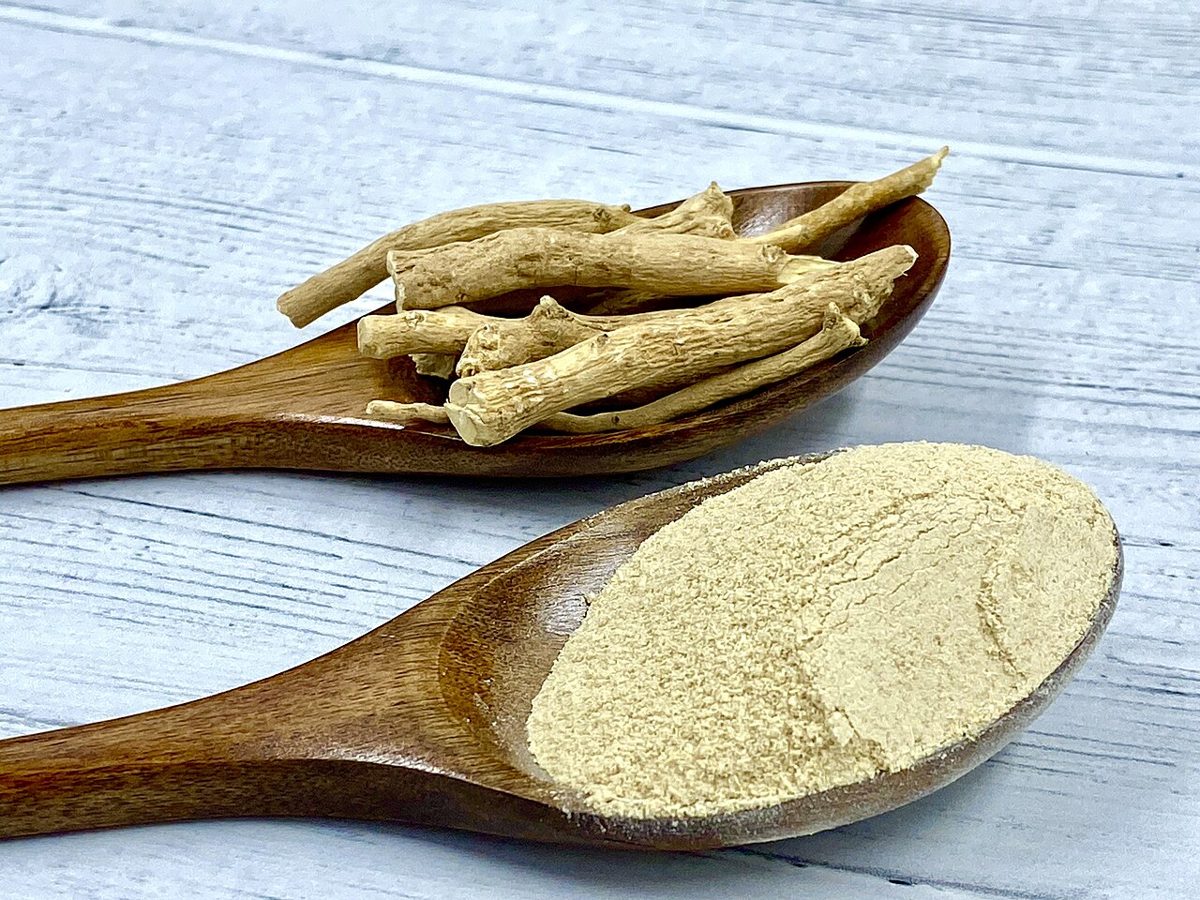
Supplements and sleep · October 8, 2026
Morning ashwagandha, evening magnesium and theanine: in a two-week trial, the night-time sleep capsules didn't add anything, and taking both was no better than the morning ones alone
A placebo-controlled trial gave 115 healthy, active adults a morning stress blend, an evening sleep blend, both or neither. The morning capsules nudged stress, mood and how well people felt they slept; the evening blend did little on its own, and the overall sleep score didn't move in any group. The study was paid for by the company that made the capsules.
Read the analysis
Weight loss · October 8, 2026
Women at higher risk of breast cancer lost almost 11 kg in 12 weeks on shakes and vegetables. A year later most were still about 8 kg down, though only 4 of 47 had signed up to lower their cancer risk
In a Manchester programme, 47 women in their 30s and 40s living with obesity swapped their meals for 850 kcal a day of shakes and non-starchy vegetables for three months, then moved to a Mediterranean-style diet with remote dietitian support. Nearly eight in ten finished the year, but four in ten needed a 'reset' after regaining weight, and the strength exercises mostly didn't happen.
Read the analysis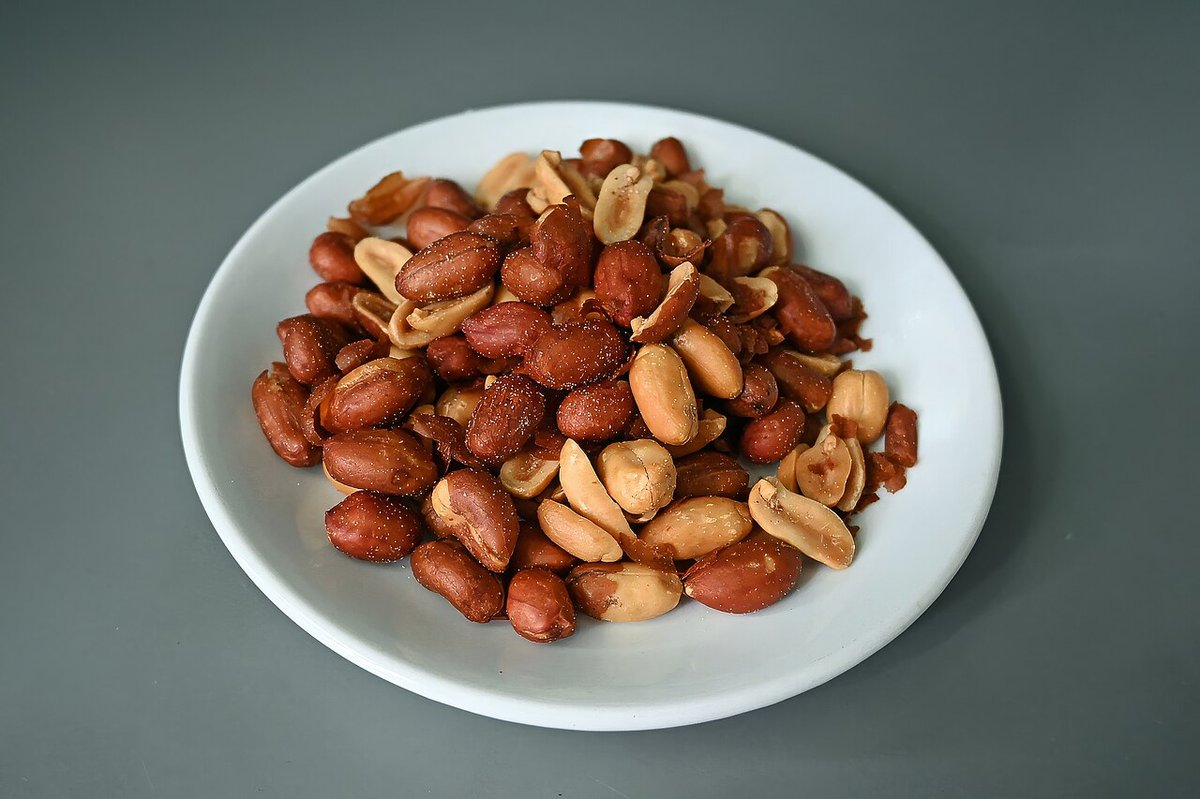
Brain health · October 8, 2026
A handful of peanuts a day for four months changed how older brains responded to insulin, in memory regions in particular
In a Dutch crossover trial, 31 healthy adults aged 60 to 75 ate 60 g of unsalted, skin-roasted peanuts every day for 16 weeks and, in a separate 16 weeks, none. Brain scans after a puff of insulin up the nose showed a better blood-flow response in memory-related areas after the peanut period, with no change in liver fat or metabolic blood markers.
Read the analysis
Eating behaviour · October 8, 2026
A three-year Mediterranean diet programme worked for weight loss. People with signs of food addiction lost as much at first, then gained much of it back
In a Spanish trial of 448 older adults with overweight and metabolic syndrome, a calorie-reduced Mediterranean diet with exercise and coaching eased food addiction symptoms and helped people lose weight. But those who met the food addiction criteria at the start had regained much of their year-one loss by year three; the others kept it off.
Read the analysis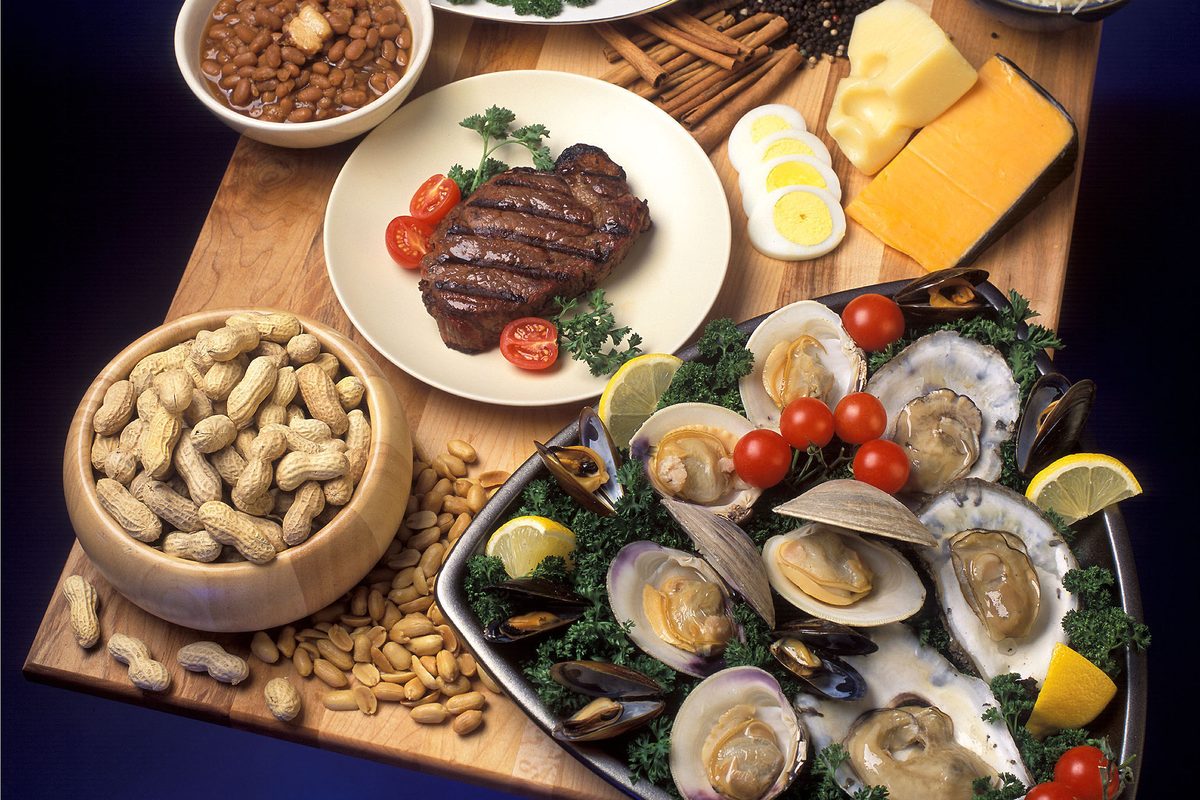
Healthy ageing · October 8, 2026
Nursing home residents low in zinc took 30 or 60 mg a day for a year. Only the higher dose fixed it for everyone
In a Boston trial, 105 older nursing home residents with low blood zinc took 30 mg, 60 mg or a 5 mg control capsule every day for a year. Every resident on 60 mg reached a normal level by month 8; on 30 mg fewer than half did. Copper levels, the usual worry with high-dose zinc, held steady.
Read the analysis
Pregnancy · October 8, 2026
Extra vitamin D in pregnancy gave children stronger-looking bones at age 6. By 13, the difference had gone
A Danish trial gave pregnant women 2,800 or 400 IU of vitamin D a day from week 24. Their children's bone scans looked better in the high-dose group at ages 3 and 6. Thirteen years on, the scans of 416 children showed no difference, and broken bones were about as common in both groups.
Read the analysis
Food is medicine · October 8, 2026
A weekly bag of beans, grains and fresh produce from a hospital food pantry: the more bags people collected over nearly three years, the more their weight and blood pressure came down
In a Boston-area pantry built into a health centre, 68 adults who could not reliably afford food picked up free plant-based groceries for an average of 2.7 years. Each extra 100 bags went with about 2.6 kg more weight loss and a lower diastolic blood pressure. Blood sugar did not move, and there was no comparison group.
Read the analysisFrom our articles
Read, then eat a little better
Plain-language guides on nutrition and wellness, backed by research.
Supplements and vitamins
Spermidine from food or capsules: measured milligrams in wheat germ, soybeans and cheese, and what the one year-long trial found
Wheat germ holds about 22 to 34 mg of spermidine per 100 g, matured cheese about 0.12 mg. The only year-long capsule trial used 0.9 mg a day and found no memory benefit. Measured values, worked doses and safety.
22 Nov 2026

Supplements and vitamins
Zinc carnosine for the gut lining: what the two human trials gave, the zinc in each dose, and the copper catch
Zinc carnosine is only about 22.6% zinc, so 75 mg twice a day is roughly 34 mg of zinc a day. Here are the doses and results of the 10-person NSAID permeability trial and the 20-person aspirin pilot, and the copper cautions.
22 Nov 2026

Women's health
Inositol for PCOS: the 40:1 ratio, trial doses, and food milligrams
Why do randomized trials in polycystic ovary syndrome prioritize the 40:1 myo to D-chiro inositol ratio? Here is the science behind the ovarian epimerase paradox, clinical ovulation and insulin metrics, and why cantaloupe cannot replace 4,000 mg trial powder.
21 Nov 2026
Start with a virtual consultation
Tell Dr. Triveni what you want to change. You will leave with a clear next step, whether you are in Toronto, London, New York or Chennai.