Supplement forms · October 8, 2026
Ubiquinol or plain CoQ10? In a five-way trial of shop-shelf capsules, both lifted blood levels, the gap between them was too small to be sure of, and no one felt more energetic
150 healthy adults over 40 took one capsule a day for eight weeks: ordinary CoQ10, the 'ready-to-use' ubiquinol form, an annatto extract meant to help the body make its own, ubiquinol plus that extract, or a dummy. Blood CoQ10 roughly doubled or tripled on the CoQ10 products. The annatto extract alone did nothing, and energy and wellbeing scores didn't change in any group.
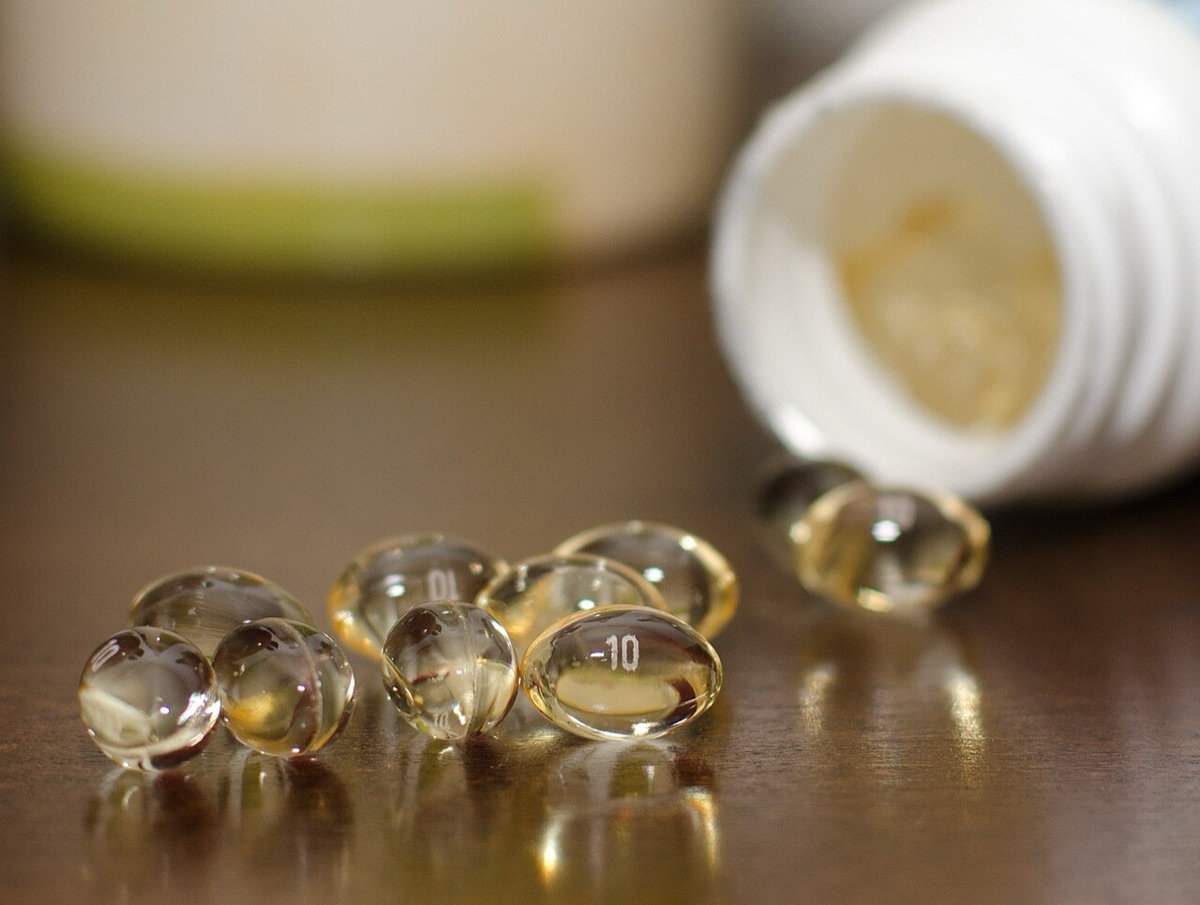
Coenzyme Q10 sits in every cell, helping mitochondria turn food into usable energy and mopping up some of the oxidative damage along the way. The body makes its own, but CoQ10 is also one of the best-selling supplements, and the shelf offers a choice. There is ubiquinone, the oxidised form that has been sold for decades, and ubiquinol, the reduced form, usually more expensive and marketed as easier to absorb. More recently, geranylgeraniol, a compound extracted from annatto seeds, has been sold to help the body build more CoQ10 itself. A trial published in the Journal of Nutrition and Metabolism on 27 September 2026 put all of them side by side.
Researchers led from the University of Maryland School of Medicine recruited 150 adults aged 40 or over at clinics across the United States between October 2024 and June 2025. Their average age was 52, three in four were women, and nobody had taken a statin in the previous six months. Each was randomly given one of five bottles that looked the same from the outside: 200 mg of ubiquinone, 200 mg of ubiquinol, 300 mg of geranylgeraniol, a capsule with 200 mg of ubiquinol and 120 mg of geranylgeraniol, or a placebo. These were ordinary products bought off the shelf, taken at the label dose of one capsule a day with a meal for eight weeks.
At the start, everyone's blood CoQ10 sat a little under 1 mg per litre. Eight weeks later it had risen to about 2.4 on ubiquinone, 3.2 on ubiquinol and 3.4 on the ubiquinol and geranylgeraniol combination, while the placebo group stayed put. Ubiquinol came out ahead of ubiquinone on average, but the difference was not statistically significant, so the trial can't say one form is better. The combination edged out plain ubiquinone by about 1 mg per litre, though only just past the significance line. Geranylgeraniol on its own didn't move CoQ10 at all. Cholesterol and liver tests didn't change, and questionnaires on energy, vigour and overall physical and mental health showed no difference from placebo in any group.
A few cautions. The volunteers were healthy, so a higher CoQ10 number in the blood is all the trial measured; it says nothing about whether anyone's health improved. The ubiquinone was a dry powder capsule while the ubiquinol products were oil-filled softgels, and the capsules weren't disguised, so participants could in principle have noticed differences. A small signal of better kidney numbers in the geranylgeraniol groups was not adjusted for the many tests run, and the authors call it hypothesis-generating. And the study was paid for in full by Designs for Health, the company that sells both geranylgeraniol products tested; the lead author sits on its scientific advisory board, though the paper states the company had no role in the design, analysis or writing.
Eight weeks, one capsule a day: blood CoQ10 in mg per litre
150
Healthy adults aged 40 or over, randomised into five groups of 30
0.95 → 2.41
Ubiquinone (200 mg), average start and end
0.94 → 3.24
Ubiquinol (200 mg); the edge over ubiquinone was not statistically significant
0.95 → 3.40
Ubiquinol plus geranylgeraniol
0.96 → 0.95
Geranylgeraniol (300 mg) alone, no different from placebo
0
Groups whose energy, vigour or wellbeing scores changed versus placebo
From the open-access paper (CC BY 4.0) in the Journal of Nutrition and Metabolism, published 27 September 2026; registered as NCT06640465. Placebo went from 0.93 to 0.96 mg/L. Funded by Designs for Health, which makes the geranylgeraniol products tested. Three adverse events were reported (two stomach upsets and one case of palpitations); two people stopped because of them.
- Whichever form you swallow, the authors note that most CoQ10 in the blood ends up as ubiquinol: ubiquinol is largely oxidised in the gut and converted back after absorption, and ubiquinone is reduced the same way.
- Geranylgeraniol is found in annatto, the orange seed used to colour cheeses such as Red Leicester and many snack foods.
- Statins block the same chemical pathway the body uses to make CoQ10, which is why people on statins were kept out of this trial.
- The researchers have put the anonymised raw data online on Figshare for anyone to re-analyse.
- A Randomized, Double-Blind, Placebo-Controlled Trial Comparing the Effects of Commercially Available Ubiquinone, Ubiquinol, and Geranylgeraniol Dietary Supplements on Plasma CoQ10 ConcentrationsJournal of Nutrition and Metabolism, 27 September 2026 · Open access; all figures in this item
- Full text on PubMed CentralPMC, US National Library of Medicine · Methods, results tables, funding and conflicts of interest
- Trial registration NCT06640465ClinicalTrials.gov · Prospective registration
- Raw study dataFigshare · Deidentified data released by the authors
- Softgels (photo)Globallystoners, via Wikimedia Commons · CC0 image
General information, not medical advice. CoQ10 supplements can interact with some medicines, including warfarin and other blood thinners, and may affect blood pressure and blood sugar. If you take a statin or any regular medicine, or are pregnant or breastfeeding, talk to your doctor or pharmacist before starting a supplement.
Analysis by NutroPractic from the sources listed. Written for general readers; it does not replace advice from your own doctor.
Newsfeed for your website
Want this feed on your website?
Add it to any site with one copy-and-paste snippet. No sign-up, and it updates itself every hour.
Start with a virtual consultation
Tell Dr. Triveni what you want to change. You will leave with a clear next step, whether you are in Toronto, London, New York or Chennai.