Insect protein · October 8, 2026
A cricket-protein shake three times a week: older adults' blood pressure dipped, but adding exercise classes didn't beat either one alone
In a small Thai trial, 44 people in their sixties with raised blood pressure took 30 g of powdered house cricket protein after training, or on its own, or a sugary dummy drink, for 12 weeks. Systolic pressure fell in every group except the dummy one. Whether the insects did anything that ordinary protein or plain exercise wouldn't is another matter.
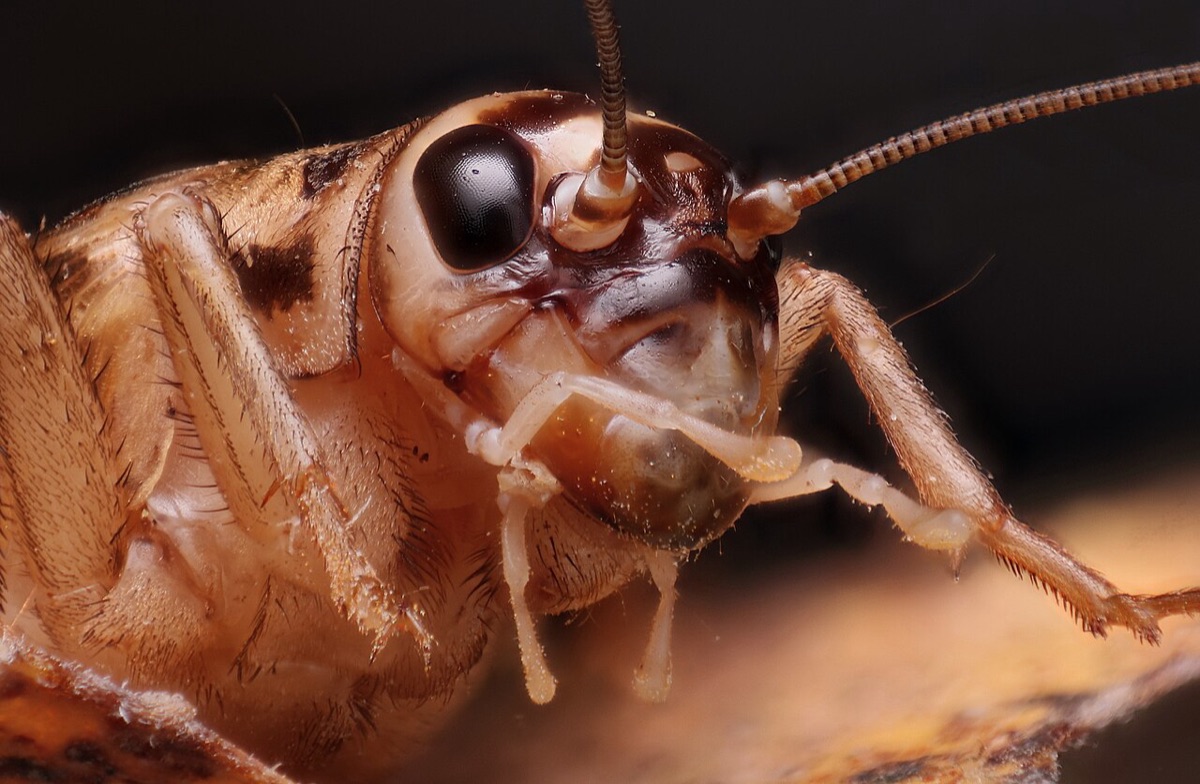
Insects keep turning up in conversations about the protein we'll eat in future, mostly on the grounds of cost and land use. A team at Kasetsart University in Thailand has been testing a more personal question: does a protein made from house crickets do anything for the bodies of older people? Their latest paper, published online in the Annals of Geriatric Medicine and Research on 30 September 2026, looks at blood pressure, artery stiffness and heart rhythm.
Between August 2021 and July 2022 they recruited adults from community health centres in Nakhon Pathom province whose blood pressure was raised (a systolic reading of 120 to 139 mmHg, or a diastolic of 80 to 89) or was under control with medicine. Forty-four finished the study, 39 of them women, with an average age of about 65. They were split four ways for 12 weeks. One group drank a placebo made mostly of maltodextrin, a cheap starch, matched for calories. One took 30 g of enzyme-treated ('hydrolysed') house cricket protein three times a week without exercising. One did supervised hour-long sessions three times a week, brisk aerobic work followed by elastic-band and body-weight strength exercises, and drank the placebo afterwards. The last group trained and took the cricket protein straight after each session.
Systolic pressure fell by 5.1 mmHg with training alone, 3.5 mmHg with the protein alone and 7.2 mmHg with both, while the placebo group's barely moved. Resting heart rate followed a similar pattern; in the combined group it went from 67 to 62 beats a minute. By the end, the combined group's mean arterial pressure (a weighted average of the two readings) was 8.7 mmHg lower than the placebo group's. But the comparison that matters most for anyone wondering whether to buy cricket powder came out flat: the combined group did no better than training alone or protein alone. A measure of artery stiffness, pulse wave velocity, fell in all three active groups, but not by a different amount from the placebo group. Nobody had side effects, and liver and kidney blood tests didn't change.
The authors are unusually frank about the limits. This is a secondary analysis of a trial built to study muscle, not blood pressure; their earlier paper reported gains in strength and lower inflammation. It wasn't sized for these outcomes, it tested many measures without correcting for multiple comparisons, and it was registered only after it had finished. There was no comparison with whey, soy or any other protein, so nothing here shows that crickets beat any other protein, and the drop in the protein-only group could partly be people regressing towards their usual readings. Lab studies have found peptides in cricket protein that block ACE, the same enzyme some blood pressure drugs target, but the trial measured none of that. What it does show is that a supervised exercise routine of an hour, three times a week, lowered blood pressure in older adults as it has in many earlier trials, and that cricket protein was well tolerated alongside it.
12 weeks in 44 older adults with raised blood pressure: placebo vs cricket protein vs training vs both
44
Adults finished (39 women, 5 men; average age 64.7): 10 placebo, 11 training, 11 protein, 12 both
30 g × 3
Hydrolysed house cricket protein per serving, three times a week (after training in the combined group)
−5.1 / −3.5 / −7.2
Fall in systolic pressure, mmHg: training alone / protein alone / both; the placebo group didn't change
8.7 mmHg
How much lower mean arterial pressure was in the combined group than the placebo group at the end
No difference
Between the combined group and training alone or protein alone, on every measure
0
Adverse events reported; liver and kidney enzymes unchanged
From the accepted manuscript in the Annals of Geriatric Medicine and Research, published online 30 September 2026 (figures quoted, not adapted). Within-group changes were compared with Bonferroni-adjusted tests; between-group differences at the end were significant only for mean arterial pressure and rate-pressure product, and only against placebo. The trial was assessor-blinded, with groups assigned by minimisation on age and lean mass, and was registered retrospectively (TCTR20230208010). Twelve participants took blood pressure medicine, spread evenly across the groups. Funded by the National Research Council of Thailand; the authors declare no conflicts of interest.
- In January 2023 the European Union authorised partially defatted house cricket powder as a novel food, one of a handful of insects now allowed on EU shelves.
- A 2013 report from the UN Food and Agriculture Organization counted more than 1,900 insect species documented as eaten by people, most of them in tropical countries.
- Rate-pressure product, one of the measures that improved, is simply systolic pressure multiplied by heart rate: a rough guide to how much oxygen the heart muscle needs at rest.
- 'Hydrolysed' means the protein has been broken into shorter chains with enzymes, which makes it easier to mix and digest; it is the same idea as hydrolysed whey in some sports drinks.
- People allergic to shellfish or house dust mites can react to insect protein, because they share a muscle protein called tropomyosin; the trial excluded anyone with an insect protein allergy.
- Effects of Concurrent Training plus Cricket Protein Hydrolysate Supplementation on Blood Pressure, Arterial Stiffness, and Heart Rate Variability in Older Adults: A Randomized Controlled TrialAnnals of Geriatric Medicine and Research, 30 September 2026 · Open-access accepted manuscript; all trial figures in this item
- PubMed record 42813244PubMed, US National Library of Medicine · Abstract and publication date
- Enhancing Muscle Strength and Reducing Inflammation: The Combined Effects of Hydrolyzed House Cricket Protein Supplementation and Concurrent Training in Older WomenFood Science & Nutrition, 2025 (full text on PMC) · The same trial's main results on muscle and inflammation
- Trial registration TCTR20230208010Thai Clinical Trials Registry · Registered February 2023, after the trial ended
- Commission Implementing Regulation (EU) 2023/5: Acheta domesticus (house cricket) partially defatted powder as a novel foodEUR-Lex, 3 January 2023 · EU authorisation of house cricket powder
- Edible insects: future prospects for food and feed securityFood and Agriculture Organization of the United Nations, 2013 · More than 1,900 edible insect species
- Acheta domesticus (common house cricket) (photo)Matthew Lindsey, via Wikimedia Commons · CC BY 2.0 image
General information, not medical advice. If you have high blood pressure, keep taking any prescribed medicine and talk to your doctor before starting a new exercise routine or supplement. Avoid insect-based foods if you are allergic to shellfish or dust mites unless a doctor says otherwise.
Analysis by NutroPractic from the sources listed. Written for general readers; it does not replace advice from your own doctor.
Newsfeed for your website
Want this feed on your website?
Add it to any site with one copy-and-paste snippet. No sign-up, and it updates itself every hour.
Start with a virtual consultation
Tell Dr. Triveni what you want to change. You will leave with a clear next step, whether you are in Toronto, London, New York or Chennai.