Iron · October 10, 2026
The same iron pill, eight weeks, and an inherited cholesterol particle that seemed to hold some women back
Fifty-two young women with low iron took the same daily supplement with lunch for eight weeks, and on average their iron stores climbed. But those born with more lipoprotein(a), a particle in the blood set mostly by genes, started with less stored iron and ended with less iron moving through their blood. It's a small, early clue about why the usual fix doesn't work equally well for everyone.
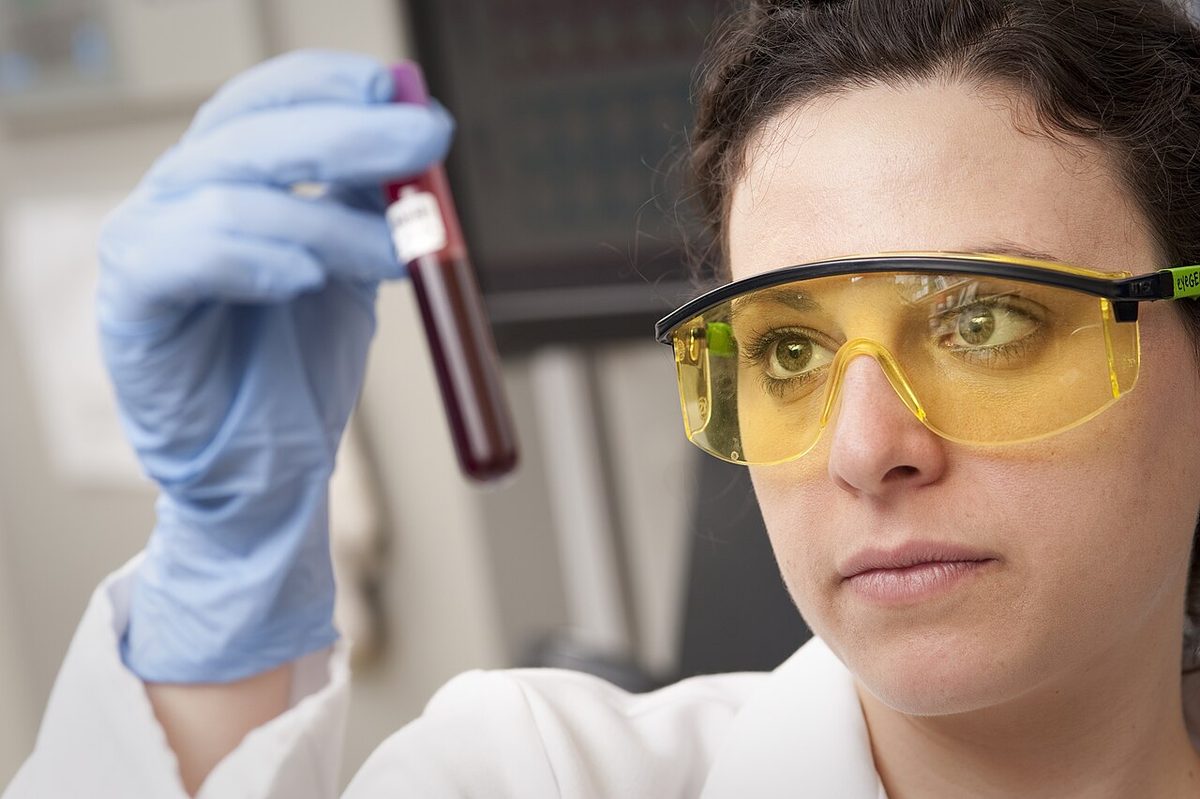
Low iron is one of the most common nutrient problems among women who menstruate, and the standard answer is simple: eat more iron and, if stores are low, take a supplement. Most women's numbers improve. Some improve a lot less than others, and nobody can reliably say in advance who those women will be. A study published online in The Journal of Nutrition on 5 October 2026 by researchers at Pennington Biomedical Research Center at Louisiana State University points to an unexpected suspect: lipoprotein(a), or Lp(a), a cholesterol-carrying particle better known for raising the risk of heart disease.
Lp(a) is unusual among blood fats because it is set mostly by the genes you inherit rather than by what you eat. About one person in five has an elevated level, usually without knowing it, since it isn't part of a routine cholesterol test. The authors describe it as a pro-inflammatory particle, and higher levels have been linked with a greater risk of anaemias caused by deficiency, which made the Pennington team ask whether it might also get in the way of treatment.
To find out, they went back to a trial they had already run. Fifty-two women aged about 25 on average, with a healthy average BMI and low iron stores (ferritin below 25 µg/L), took 32 mg of elemental iron as ferrous sulfate every day for eight weeks, with a lunch that contained either 4 oz (113 g) of beef or the same amount of a plant-based meat. That trial, published in 2025, found that iron status improved over the eight weeks whichever lunch the women ate: ferritin, the body's main storage measure, rose by 10.7 µg/L on average and haemoglobin by 0.5 g/dL. In the new analysis, the researchers took each woman's Lp(a) at the start and asked whether it predicted where her iron markers began and ended.
It did, for some of them. Women with higher Lp(a) at the start had lower ferritin and lower estimated body iron before the supplement began. After eight weeks, higher starting Lp(a) went with lower transferrin saturation and lower serum iron, the measures of how much iron is actually being carried around the blood for use, and with higher C-reactive protein, a marker of inflammation. The other iron and anaemia measures showed no link. The authors call this a blunted response in iron transport and say it needs confirming in larger studies. That caution is fair: this was a secondary look at a 52-person trial that wasn't set up to test Lp(a), the women were young and mostly healthy, there was no group without a supplement, and an association like this can't show that Lp(a) itself is the cause. For now it is a lead, not a reason to test or change treatment.
Lp(a) and the response to an iron supplement
52
Women of reproductive age with low iron stores, average age 25, in the original randomised trial
< 25 µg/L
Ferritin needed to take part, a sign of low iron stores
32 mg
Elemental iron taken daily as ferrous sulfate with a beef or plant-based meat lunch, for 8 weeks
+10.7 µg/L
Average rise in ferritin over the 8 weeks in the original trial, with either lunch
2 + 2
Iron measures lower with higher Lp(a): ferritin and body iron at the start, transferrin saturation and serum iron at the end
1 in 5
People estimated to have elevated Lp(a), mostly inherited (background figure, not from the study)
Study figures from the abstract of the paper in The Journal of Nutrition (published online ahead of print on 5 October 2026; accepted 26 September) and from the original trial's report in The American Journal of Clinical Nutrition (2025). The trial was randomised and double-blinded, comparing beef with a plant-based meat at lunch; this analysis pooled both groups. The links were tested with linear regression on each woman's starting Lp(a); the paper reports them as small per-unit changes with confidence intervals, which aren't repeated here. Trial registration NCT04793906. The 1 in 5 figure comes from a Western Australia health fact sheet.
- Lp(a) is pronounced 'L-P-little-a'. It looks much like LDL cholesterol but carries an extra protein, apolipoprotein(a), made in the liver.
- A child of a parent with high Lp(a) has about a 50% chance of inheriting it, and it affects men and women equally.
- In the same trial, eating 4 oz of beef with the supplement every day didn't improve iron status any more than a plant-based meat did, even though beef is thought to carry a 'meat factor' that helps absorb iron from other foods.
- Ferritin is a protein that stores iron, and its level in the blood is the usual first test for low iron stores. Inflammation can push ferritin up, which is why doctors sometimes check an inflammation marker such as C-reactive protein alongside it.
- Transferrin saturation is the share of the blood's iron-carrying protein, transferrin, that actually has iron on board; it shows how much iron is on its way to the bone marrow to make new red blood cells.
- Higher lipoprotein(a) concentration is associated with a blunted response to iron repletion in women with low iron stores: a secondary analysis of a randomized controlled trialThe Journal of Nutrition, 5 October 2026 · The study; figures and limits in this item come from its abstract
- PubMed record and abstract (PMID 42833517)PubMed · Abstract, authors, publication dates and trial registration
- Effects of consuming an iron supplement with a meal containing animal or plant-based meat on indicators of iron status and anemia in women of reproductive age with iron deficiency: a randomized, controlled studyThe American Journal of Clinical Nutrition, 2025 · The original trial: design, the 32 mg dose, the 4 oz lunches and the average improvements
- Meals to Improve Absorption of Iron Supplements (NCT04793906)ClinicalTrials.gov · Trial registration from Pennington Biomedical Research Center
- Lipoprotein (a) fact sheetChild and Adolescent Health Service, Government of Western Australia · Background: how common elevated Lp(a) is and how it is inherited
General information, not medical advice. This small study found an association in young women taking iron supplements; it doesn't show that Lp(a) causes a poor response, and it isn't a reason on its own to stop, start or change an iron supplement or to ask for extra tests. If you have low iron or symptoms such as tiredness, breathlessness or heavy periods, talk to a doctor, who can check your iron and find the right treatment.
Analysis by NutroPractic from the sources listed. Written for general readers; it does not replace advice from your own doctor.
Newsfeed for your website
Want this feed on your website?
Add it to any site with one copy-and-paste snippet. No sign-up, and it updates itself every hour.
Start with a virtual consultation
Tell Dr. Triveni what you want to change. You will leave with a clear next step, whether you are in Toronto, London, New York or Chennai.