Food processing · October 9, 2026
Same calories, same carbs, same salt: the ultra-processed plate still pulled more insulin
Researchers built two 300-calorie meals that matched on almost everything a nutrition label shows. One was all ultra-processed, the other wasn't. Blood sugar came out the same, but insulin climbed higher and stayed up longer after the processed meal, and the body burned its fuel differently.
Most of the case against ultra-processed food rests on two kinds of evidence. Large population studies link eating a lot of it to obesity, diabetes and other illness, and feeding trials show people eat more when their diet is ultra-processed. What neither settles is why. Ultra-processed foods also tend to be richer in calories, sugar, fat and salt, so it is hard to tell whether the processing itself matters or just the nutrients that come with it. A study published on 5 October 2026 in Nature Metabolism tried to take the nutrients out of the question.
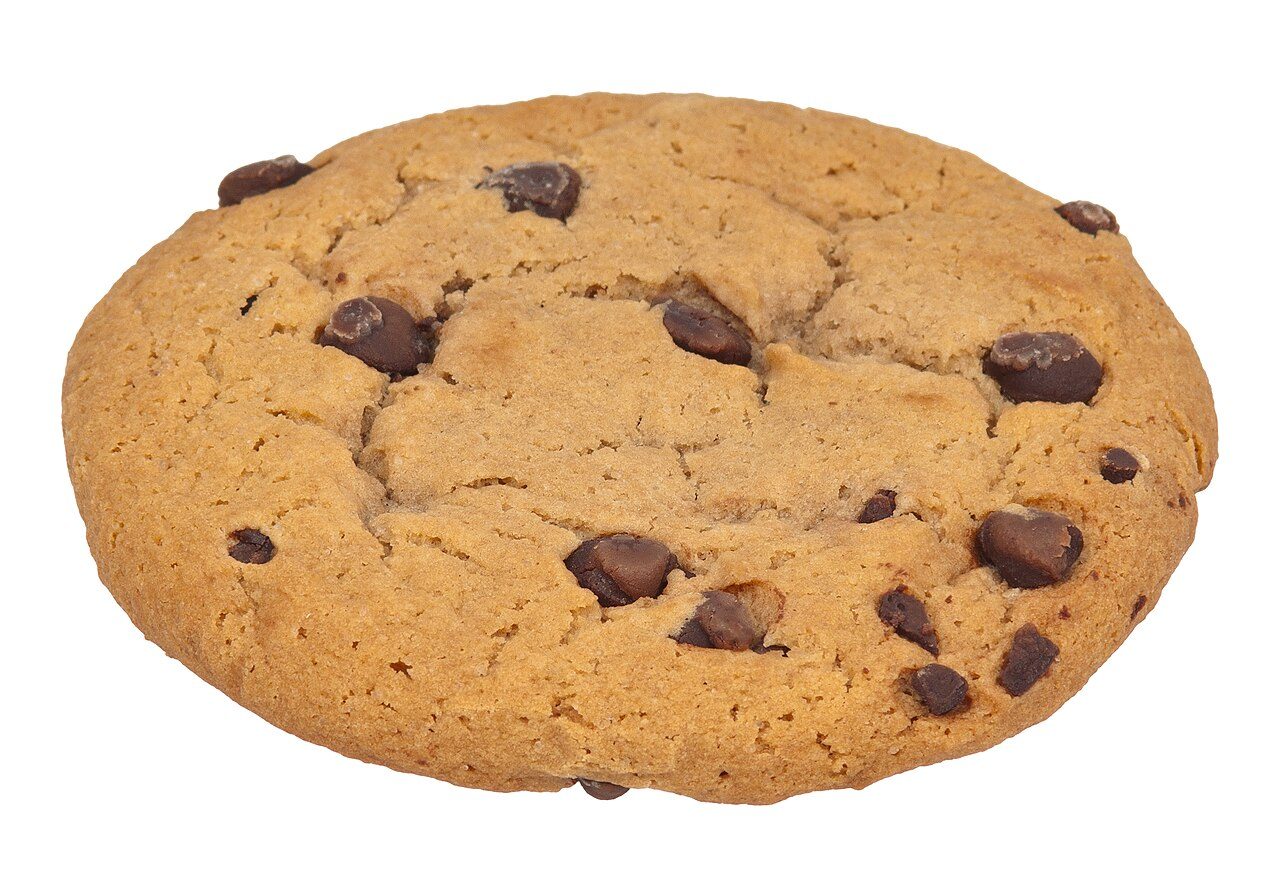
A team at Virginia Tech's Fralin Biomedical Research Institute in Roanoke assembled two meals of about 300 kcal. The ultra-processed one, as the researchers described it to the press, was small portions of deli turkey, instant mashed potatoes, frosted wheat cereal, veggie chips, white bread, a chocolate chip cookie and a bite of peanut butter and jelly. The other used less processed foods such as egg, cheese, sliced banana and dried cranberries. The two plates were matched to within 1.6% on weight, calories, energy density, protein, fat, carbohydrate, glycaemic index and load, fibre, sodium and water. Thirty-two healthy-weight adults, average age 26, ate each meal on a separate morning in random order, finishing within ten minutes, and then spent three hours in a sealed room that measured every breath while a catheter drew blood eight times.
Blood sugar over the three hours came out almost identical. The shape differed a little: glucose rose faster after the less processed meal and was higher at 20 minutes, while after the ultra-processed meal it lingered and was slower to come back down. Insulin told a clearer story. It was similar for the first 20 minutes, then ran higher after the ultra-processed meal at 40, 60, 90 and 120 minutes, and the total insulin response over three hours was significantly larger. People also burned slightly more energy after the processed plate, and their bodies kept burning relatively more fat and less carbohydrate, as if the meal were being handled in a different way even though its nutrients were the same. Hunger, fullness and how much people liked or wanted the food did not differ.
On a separate day, 52 of the volunteers looked at pictures of 14 ultra-processed and 14 less processed foods in a brain scanner and bid up to $5 for each. They valued the two groups about equally, but people whose carbohydrate burning differed most between the two meals also showed the biggest differences in how reward areas of the brain, including the striatum, responded to the pictures. The authors read this as a possible route by which the body learns to prize these foods, but it is an association, not proof. The study has clear limits. It tested one small meal, once, in young healthy-weight volunteers. The protein came from different foods on each plate, which could itself change insulin, and the ultra-processed plate had more additives and a different food structure that was not measured. It cannot say whether the bigger insulin response, repeated meal after meal, leads to weight gain or diabetes. What it does show is that two meals with the same nutrition label don't necessarily land the same way in the body.
Two nutrition-matched meals, two different responses
~300 kcal
Size of each test meal, matched to within 1.6% on weight, calories, macronutrients, glycaemic index and load, fibre, sodium and water
P = 0.92
No difference in total blood sugar over three hours between the two meals
40 to 120 min
Window in which insulin was higher after the ultra-processed meal; total insulin response was larger (P < 0.001)
54.4%
Share of the volunteers' usual calories that came from ultra-processed food, close to the US average of 55%
32 and 52
Adults who completed both meal sessions, and who completed the brain scan, out of 57 enrolled
1.5 min
How much longer people took to eat the ultra-processed meal, which the authors judge too small to matter
Figures from the open-access paper in Nature Metabolism (published 5 October 2026), a randomised crossover study registered as NCT06017986. Volunteers were 31.6% men, average age 26 and average BMI 22.8. The paper reports differences in insulin, energy use and fuel burning as statistical tests on the area under the curve rather than as simple percentages, so none are given here. Funded by the US National Institutes of Health (R01 DK132389) and a National Science Foundation fellowship.
- Ultra-processed food is a category of the Nova system, which sorts foods into four groups by how they are made rather than by their nutrients; ultra-processed foods are industrial products usually containing additives not used in home cooking.
- The same food can behave differently depending on how it is processed: the authors point out that instant oats, pre-cooked at high heat, have a higher glycaemic index than steel-cut oats even though both are just oats.
- To make sure the 28 food pictures were sorted correctly, 67 raters, 17 of them registered dietitians, classified them, and the two sets were matched on 26 traits including calories, colour, size and brightness.
- Insulin went back to near its starting level by three hours after both meals, so the difference was in the height and length of the rise, not in where people ended up.
- The meals were eaten in a whole-room calorimeter, a small sealed room that works out how much energy a person uses, and whether they are burning fat or carbohydrate, from the oxygen they breathe in and the carbon dioxide they breathe out.
- Metabolic and neural responses to ultraprocessed foods: a randomized, controlled, crossover studyNature Metabolism, 5 October 2026 · The study (open access); design, results and limitations in this item come from its full text
- Trial registration NCT06017986ClinicalTrials.gov · Registered study plan
- Ultraprocessed meals produce distinct metabolic and brain responsesNews-Medical, 5 October 2026 · News coverage with the researchers' description of the meals
- Ultra-processed meals raise insulin despite matched nutrients, study suggestsFood Ingredients First · Trade press coverage listing the foods on each plate
General information, not medical advice. This study looked at one small meal in young, healthy-weight adults and measured short-term responses; it doesn't show that ultra-processed food causes diabetes or weight gain, or tell you what to eat. If you have diabetes or take medicine that affects blood sugar, talk to a doctor or registered dietitian before changing your diet.
Analysis by NutroPractic from the sources listed. Written for general readers; it does not replace advice from your own doctor.
Newsfeed for your website
Want this feed on your website?
Add it to any site with one copy-and-paste snippet. No sign-up, and it updates itself every hour.
Start with a virtual consultation
Tell Dr. Triveni what you want to change. You will leave with a clear next step, whether you are in Toronto, London, New York or Chennai.