Oral health · October 10, 2026
The tongue bacteria that put leafy-green nitrate to work were more common in people without prediabetes
Researchers swabbed the tongues of 472 people and read the genes of everything living there. One microbe, Rothia mucilaginosa, and the bacterial work of reducing nitrate, the compound plentiful in vegetables, stood out in the people who didn't have prediabetes. It is an association, not proof, but it adds to a strange idea: part of what your food does may depend on your mouth.
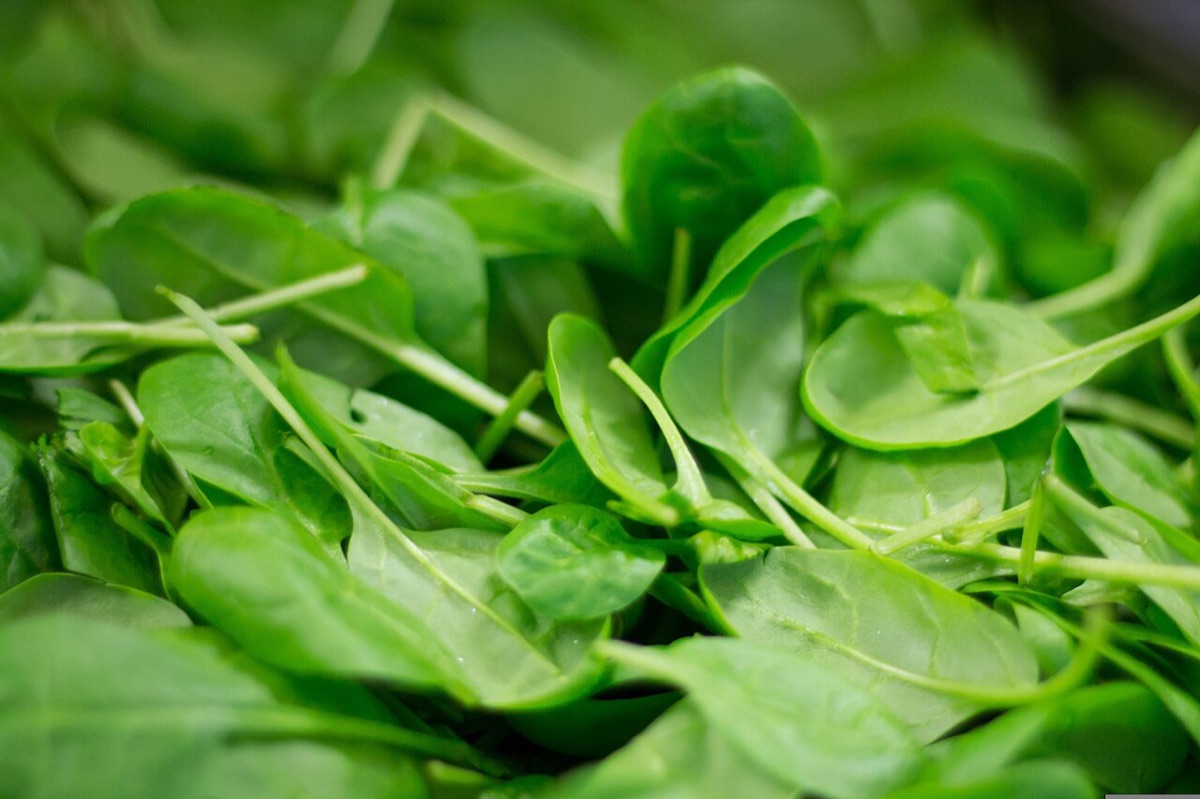
Nitrate is the compound that makes spinach and other leafy greens interesting to physiologists. You swallow it with your vegetables, it is absorbed, and then something odd happens: the salivary glands pull nitrate back out of the blood and pour it into saliva. Bacteria living in the mouth turn that nitrate into nitrite, and some of the nitrite goes on to become nitric oxide, a molecule the body uses to relax blood vessels. That first step is done by the bacteria, not by us.
A study published online in Cell Reports Medicine on 7 October 2026 by researchers at the National University of Singapore asked whether that bacterial step has anything to do with early trouble with blood sugar. They took samples from the top surface of the tongue of 472 people in a population-based cohort and used metagenomic sequencing, which reads the genes of every microbe present, to see which bacteria were there and what they were equipped to do. Eleven types of bacteria and nine microbial pathways differed between people with and without prediabetes.
Two findings stood out. Rothia mucilaginosa was the only microbe linked with a lower prevalence of prediabetes, and nitrate reduction was the pathway most strongly linked with it. People without prediabetes also had more nitrate and nitrite in their saliva, which fits the idea that more of the nitrate they took in was available to be used. When the team grew a Rothia strain isolated from the study in the lab, it could take nitrate down two routes in low-oxygen conditions: one towards nitric oxide, and one towards ammonium, which doesn't make nitric oxide. Adding these microbial features to the usual clinical risk factors improved the researchers' estimate of who would progress to prediabetes.
None of this shows that the bacteria protect anyone. It comes from one group of people, the main comparison is between those who had prediabetes and those who didn't, and people with healthier blood sugar may differ in diet, habits or gum health in ways that also shape their mouth bacteria. Several authors declare commercial interests, listed in the paper. The authors go as far as suggesting that tongue cleaning may affect these microbial functions, which is an idea to test, not advice. What the study does is add weight to earlier work showing that wiping out mouth bacteria has measurable effects elsewhere in the body, and it gives a reason to treat the mouth as part of how food becomes health.
Tongue bacteria, nitrate and prediabetes
472
People in the population-based cohort whose tongue microbes were profiled
11
Types of bacteria linked with prediabetes; Rothia mucilaginosa was the only one linked with a lower prevalence
9
Microbial pathways linked with prediabetes; nitrate reduction was the strongest one linked with a lower prevalence
2 routes
Ways the isolated Rothia strain broke down nitrate in the lab: towards nitric oxide and towards ammonium
90%
Drop in oral nitrite production after a week of antiseptic mouthwash in 19 healthy volunteers (earlier study, 2013)
2 to 3.5 mmHg
Rise in blood pressure in that same mouthwash week (earlier study, 2013)
Study figures from the abstract of the paper in Cell Reports Medicine (published online ahead of print on 7 October 2026; accepted 9 September), the only part available to us; the full paper reports effect sizes and the details of the cohort, which aren't repeated here. The mouthwash figures come from a separate small trial in Free Radical Biology and Medicine (2013) and are background, not results of the new study.
- Mouthwash has turned up in this research before: in the San Juan Overweight Adults Longitudinal Study, people who used over-the-counter mouthwash twice a day or more had about twice the rate of new high blood pressure over three years as those who used it less, after adjusting for other risk factors.
- Nitrite from mouth bacteria was long seen only as a risk, because it can help form N-nitrosamines, which may cause cancer. More recent research has shown it is also a source of nitric oxide.
- Some mouth bacteria turn nitrite into ammonium instead of nitric oxide. Which route wins seems to depend on conditions in the mouth, such as oxygen and the balance of nitrate and other nutrients.
- In Europe, nitrate is allowed as a food additive in cured meats to protect against botulism and keep the meat red, and it is also found naturally, in high amounts, in certain vegetables, leafy ones among them.
- Oral microbial nitrate metabolism is associated with lower prevalence of prediabetesCell Reports Medicine, 7 October 2026 · The study; figures and claims in this item come from its abstract
- PubMed record and abstract (PMID 42843345)PubMed · Abstract, authors, publication and acceptance dates, declared interests
- Physiological role for nitrate-reducing oral bacteria in blood pressure controlFree Radical Biology and Medicine, 2013 · Background: how salivary glands concentrate nitrate, and the one-week mouthwash trial
- Over-the-counter mouthwash use, nitric oxide and hypertension riskBlood Pressure, 2020 · Background: the San Juan cohort and frequent mouthwash use
- Pathways linking oral bacteria, nitric oxide metabolism, and healthJournal of Dental Research, 2022 · Background review: nitric oxide versus ammonium routes, mouthwash, tongue cleaning
- Nitrites and nitrates added to foodEuropean Food Safety Authority · Background: nitrate in cured meats and in vegetables
General information, not medical advice. This study found an association between mouth bacteria and prediabetes; it doesn't show that changing your mouth bacteria, cleaning your tongue or stopping mouthwash will change your blood sugar. Don't stop a mouthwash your dentist prescribed. If you are worried about prediabetes or diabetes, ask a doctor about a blood sugar test.
Analysis by NutroPractic from the sources listed. Written for general readers; it does not replace advice from your own doctor.
Newsfeed for your website
Want this feed on your website?
Add it to any site with one copy-and-paste snippet. No sign-up, and it updates itself every hour.
Start with a virtual consultation
Tell Dr. Triveni what you want to change. You will leave with a clear next step, whether you are in Toronto, London, New York or Chennai.