Sports nutrition · October 10, 2026
Twelve of 15 women fighters lost weight on a citrus-peel compound without dieting. The average drop was 0.7 kg, and the researchers made the powder
Making weight is the grim part of boxing, judo and taekwondo: saunas, sweat suits, days of barely eating. A team in Shanghai tried something gentler, a month of a citrus compound called tangeretin stirred into a morning protein shake, with no cut in food at all. Fat went down and five athletes reached their weight class. Before anyone reorders their supplement shelf, the size of the effect and who ran the trial both matter.
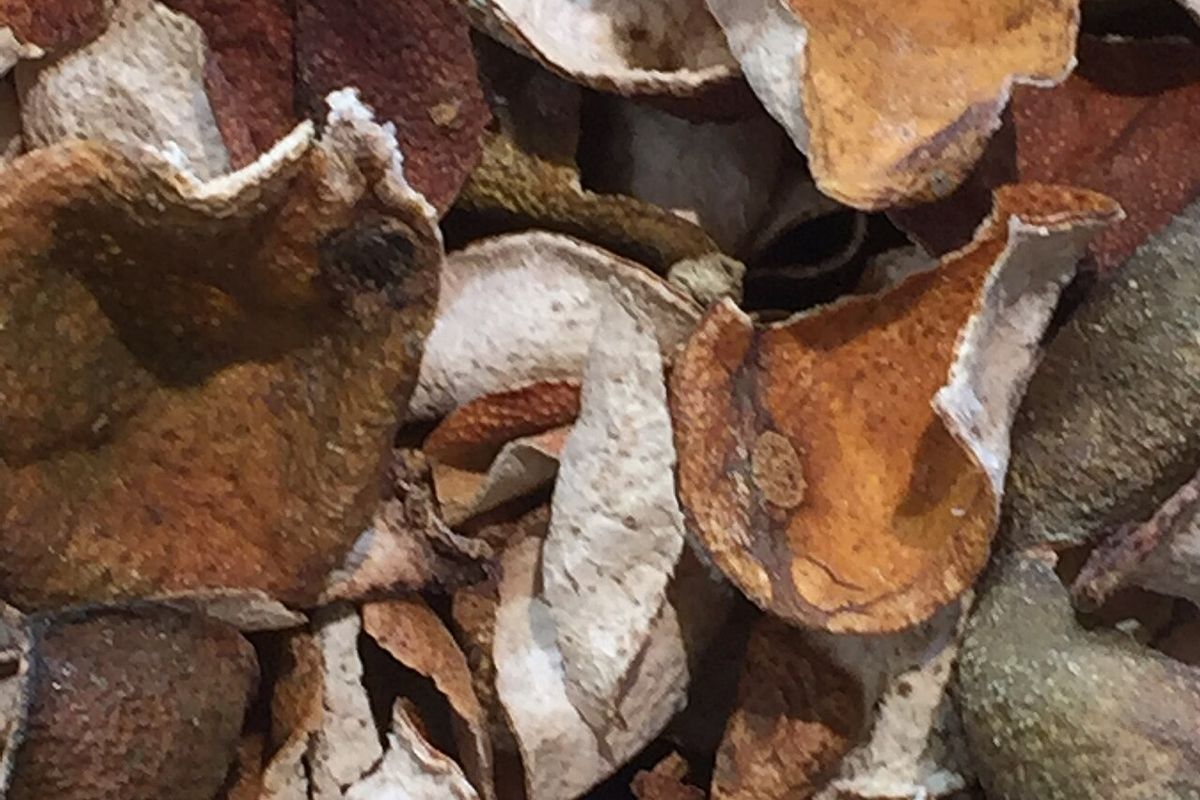
In sports with weight classes, the contest starts on the scales. Most fighters train heavier than the class they compete in and strip the difference off beforehand, slowly by eating less or quickly by sweating out water in saunas and plastic suits. Both routes cost something: strength, stamina, mood, sometimes health. So a supplement that shifts a little fat while an athlete keeps eating normally would be welcome. Researchers at Shanghai University of Sport think tangeretin might be one. It is a flavonoid found in citrus fruit, most of it in the peel, and the team has been testing it in athletes for several years.
Their latest trial, published online in the Journal of the International Society of Sports Nutrition on 7 October 2026, enrolled 30 women from Shanghai's professional teams: 11 taekwondo athletes, 9 from sanda (Chinese kickboxing), 4 wrestlers, 3 boxers and 3 judokas, average age about 19. They were paired by sport and level, and one of each pair was randomly given the supplement. For 30 days in November and December 2023, every athlete drank a 30 g whey protein shake at breakfast under the researchers' eyes. For half of them, 400 mg of the powder was tangeretin. Nobody was asked to eat less or train differently. Meals came from the training centre's kitchen, the base was closed, and dormitories were checked for outside food.
After a month the tangeretin group weighed 0.72 kg less on average (61.58 kg down to 60.86 kg), while the placebo group was 0.30 kg heavier. Twelve of the 15 on tangeretin lost some weight and five were at or under their competition class; in the placebo group six lost weight and two made their class. Body scans put the change down to fat: about 540 g less in the tangeretin group and about 770 g more in the placebo group, with lean mass up about 600 g on tangeretin and flat on placebo. Body fat went from 23.9% to 22.9%. HDL, the 'good' cholesterol, rose about 9%. The fitness story is thinner than the paper's summary suggests. Treadmill time to exhaustion improved in the tangeretin group and a few leg-strength readings rose, but on aerobic capacity the two groups could not be told apart statistically, and the same was true for triglycerides, cortisol and testosterone. No one reported side effects.
Now the caveats, and there are several. A 0.7 kg loss is about 1% of body weight; the paper itself notes that many fighters cut 5 to 15%. This was a rehearsal, with no real weigh-in or bout at the end, so nobody knows whether it helps on the day. Fifteen athletes per group is very few, and the tangeretin group started out with more lean mass and stronger legs. The supplement is the research team's own product, which they describe as self-developed, and the paper says everyone except the authors was unaware of who got what, which is not the same as a trial where the investigators are blind too. No trial registration number is given. The funding came from a laboratory at the same university, and the authors declare no conflict of interest. None of that makes the result wrong. It makes it a first, small signal from the people with the most reason to hope for one, and it needs repeating by someone else, with a real weigh-in at the end.
Tangeretin against placebo in 30 female combat-sports athletes
30
Women from Shanghai professional teams in five combat sports, average age about 19; 15 took tangeretin and 15 a placebo
400 mg
Tangeretin a day for 30 days in a 30 g whey protein shake; the placebo was the same shake without it. No calorie restriction for either group
-0.72 kg vs +0.30 kg
Average change in body weight, tangeretin against placebo (a 1.17% loss against a 0.49% gain)
5 of 15 vs 2 of 15
Athletes who reached their competition weight class, tangeretin against placebo; 12 and 6 lost any weight at all
23.9% to 22.9%
Body fat in the tangeretin group on DXA scans; the placebo group stayed at about 24.4%
No difference
Between the groups in the change in maximal oxygen uptake, time to exhaustion, triglycerides, cortisol or testosterone
Figures are from the full open-access paper in the Journal of the International Society of Sports Nutrition (published online 7 October 2026), tables 1 to 6. The group difference over time was statistically significant for body weight (p = 0.018), body-fat percentage (p = 0.008), total fat mass (p = 0.001), lean body mass (p = 0.036) and HDL cholesterol (p = 0.021). It was not significant for maximal oxygen uptake (p = 0.445), time to exhaustion (p = 0.166), triglycerides (p = 0.545), cortisol (p = 0.164) or testosterone (p = 0.077); the improvements the abstract lists for these are before-and-after changes inside the tangeretin group. Fat and lean changes in grams are our subtraction of the paper's before and after averages.
- Tangeretin takes its name from the tangerine. It belongs to a small family of citrus flavonoids called polymethoxyflavones, which sit mostly in the peel rather than the juicy flesh.
- At the 2024 Paris Olympics the Indian wrestler Vinesh Phogat was disqualified before her final for being 100 g over her weight class, a case the paper opens with.
- According to studies the authors cite, 85 to 90% of combat-sports athletes cut weight before competing, and about 3% miss a competition because they don't make it.
- One older study quoted in the paper found that after 36 hours of rapid dehydration, wrestlers' maximal oxygen uptake fell by 6.7% and their time to exhaustion by 13.4%.
- The paper reports, citing the China Anti-Doping Agency, 16 doping cases among Chinese combat-sports athletes between January 2020 and December 2024, every one involving a banned diuretic, a drug class used to shed water weight.
- Effect of tangeretin supplements on simulated precompetition weight loss in female combat sports athletesJournal of the International Society of Sports Nutrition, published online 7 October 2026 · The study (open access, CC BY-NC); methods, results tables, discussion, funding and conflict-of-interest statement read in full
- Full text on PubMed Central (PMC13647342)PubMed Central · The full text used for the figures; also the source of the background facts the authors cite (weight-cutting rates, dehydration study, anti-doping cases)
- PubMed record and abstract (PMID 42841334)PubMed · Abstract, authors, publication date
General information, not medical advice. This was one small, month-long trial of a single tangeretin product in young professional athletes eating supervised meals; it doesn't show that tangeretin helps other people lose weight or is safe over longer periods. Supplements can carry banned substances or interact with medicines, so competitive athletes should check with their team doctor or anti-doping body first, and rapid weight cutting by dehydration or severe dieting carries real health risks.
Analysis by NutroPractic from the sources listed. Written for general readers; it does not replace advice from your own doctor.
Newsfeed for your website
Want this feed on your website?
Add it to any site with one copy-and-paste snippet. No sign-up, and it updates itself every hour.
Start with a virtual consultation
Tell Dr. Triveni what you want to change. You will leave with a clear next step, whether you are in Toronto, London, New York or Chennai.