Food allergy · October 12, 2026
Keeping egg and peanut off the plate is one job. In a Sydney study, one in six young children with food allergies also screened at risk of a feeding disorder, and their parents carried far more stress
Researchers asked the parents of 107 children under five, waiting in three Sydney allergy clinics, how their child eats. Most mealtimes were ordinary. But one child in six scored in the range that flags a possible feeding disorder, and their parents' stress and mealtime worry were well above everyone else's. It was a questionnaire, not a diagnosis, and there was no group without allergies to compare with.
When a small child is diagnosed with a food allergy, the advice is about what to keep away: egg, milk, peanut, sesame, whatever the tests showed. Less is said about what happens to the rest of eating. A child who has been sick after meals for months before anyone worked out why may come to expect that food hurts. A parent who is frightened of a reaction may stop offering anything new. A team of speech pathologists and allergy specialists from the University of Queensland and Sydney hospitals set out to measure how often that tips into real feeding trouble. Their paper was published online in Pediatric Allergy and Immunology on 7 October 2026.
Between February 2023 and July 2024, posters in the paediatric allergy clinics of three Sydney hospitals invited the parents of children aged six months to four years eleven months, each with at least one diagnosed IgE-mediated food allergy (the fast kind that can cause anaphylaxis), to fill in an online survey on their phone. Children with autism, non-IgE allergies or other conditions that affect eating were left out. Of 191 parents who opened the survey, 107 ended up in the analysis. Six in ten children had more than one food allergy, and just over half had already had anaphylaxis. Egg (54%), milk (42%), tree nuts (30%) and peanut (28%) were the most common.
The main tool was the Behavioural Pediatric Feeding Assessment Scale, 35 questions on how often things happen at meals: whether the child enjoys eating, tries new foods, comes to the table, stays there, has tantrums. A total above 84 is the usual flag for a child at risk of a clinically significant feeding problem. Seventeen children, 15.9%, were above it. Three were infants, six were toddlers and eight were preschoolers. When parents were simply asked whether they had ever been worried about their child's mealtime behaviour, 27.1% said yes, nearly twice the number the questionnaire flagged.
The parents who said they were worried described a recognisable picture. Compared with the others, their children more often did not enjoy eating, would not try new foods, did not come readily to the table, got up during meals, ate no vegetables, had tantrums at mealtimes and had a poor appetite. The number of behaviours parents counted as a problem also rose with age, from an average of about 2 in infants to about 5 in toddlers and preschoolers.
The striking numbers are about the parents. Across the whole group, general parenting stress was ordinary: an average of 35.8 on the Parental Stress Scale, against about 37 in the families the scale was built on. But mealtime-related quality of life, measured with the Feeding Swallowing Impact Scale, averaged 30.5, which the authors say is above the 95th percentile of a recent UK sample of 904 children aged one to seven. In other words, most of these families were not stressed in general, but feeding was weighing on them. For the 17 children over the feeding cut-off, it was heavier still: their parents averaged 44.4 on the stress scale against 34.3 for the rest, and 43.9 against 28.1 on the feeding impact scale, with the worry subscale highest of all. The authors note that a stress level around 45 is similar to what has been reported by parents of children with developmental delay, paediatric bipolar disorder or autism.
The authors are open about the limits. Everything came from parents; no child was examined by a feeding therapist, and the questionnaire cannot diagnose paediatric feeding disorder, which needs a medical, nutritional, skills and psychosocial assessment. Some children may fit avoidant/restrictive food intake disorder (ARFID) instead. Parents filled in the survey on the day their child was having an oral food challenge, a test that can bring on a reaction, which is hardly a calm moment. Parents already worried about eating may have been more likely to take part. Three in four preschoolers had a history of anaphylaxis, more than in children with food allergy generally. And with only 17 children over the cut-off, the team could not work out which factors predicted the risk.
A few things we noticed ourselves. The paper sets its 16% beside a general-population rate of diagnosed feeding disorder of 2.7% to 4.1%. Those are different yardsticks, a screening score against a clinical diagnosis, and the study had no group of children without allergies scored the same way in the same clinics, so the size of the gap is uncertain. Close to half of the parents who opened the survey did not end up in it (84 of 191), most of them because they never started. And the stress table gives a lowest score of 0, which the Parental Stress Scale's usual scoring (18 items, each scored 1 to 5) cannot produce; it is probably a slip, but it is one we could not check.
Our reading: this is a small first look rather than a prevalence figure, but its practical point holds. Allergy care tends to be about what a child must not eat. For a minority of families, the harder daily problem is getting the child to eat at all, and that strain shows up in the parents. If mealtimes with an allergic toddler have become a battle, or the list of foods the child accepts keeps shrinking, that is worth raising at the allergy clinic. Feeding therapy from a speech pathologist or occupational therapist, alongside a dietitian, is a recognised kind of help, and the authors argue it should be offered more readily to these families.
Cross-sectional survey of the parents of 107 children aged 6 months to 4 years 11 months with diagnosed IgE-mediated food allergy, three paediatric allergy clinics in Sydney, Australia, February 2023 to July 2024
15.9%
Children scoring above 84 on the Behavioural Pediatric Feeding Assessment Scale frequency score, the cut-off for risk of a clinically significant feeding problem (17 of 107: 3 infants, 6 toddlers, 8 preschoolers)
27.1%
Parents who said they had ever been concerned about their child's behaviour at mealtimes (29 of 107)
44.4 vs 34.3
Average Parental Stress Scale score for parents of children above the feeding cut-off, against the rest (p < .001). The scale's typical average is 37.1
43.9 vs 28.1
Average Feeding Swallowing Impact Scale score (higher is worse) for parents of children above the feeding cut-off, against the rest (p < .001)
30.5
Average Feeding Swallowing Impact Scale score for the whole group, which the authors place above the 95th percentile of UK norms
54.2%
Children with a confirmed history of anaphylaxis: 31% of infants, 53% of toddlers, 76% of preschoolers
Figures are from the open-access paper in Pediatric Allergy and Immunology (doi 10.1111/pai.70508, volume 37, issue 10, e70508, published online 7 October 2026, CC BY-NC-ND 4.0), read in full on PubMed Central: introduction, methods, results, Tables 1 to 4, discussion, limitations, funding and conflict of interest statement. The supplementary demographic questionnaire was not read. Sites: The Children's Hospital at Westmead (47 children), Sydney Children's Hospital (49) and Royal North Shore Hospital (11). 191 caregivers opened the survey; 46 did not start it, 13 did not finish the feeding scale and 25 were ineligible (other conditions or age). Age groups: infants 6 to 18 months (32), toddlers 19 to 36 months (38), preschoolers 37 to 59 months (37); mean age 30.0 months. Boys 57, girls 42, not stated 8. More than one food allergy: 59.8% (31% of infants, 76% of toddlers, 68% of preschoolers). Allergies: egg 54.2%, milk 42.1%, tree nuts 29.9%, peanut 28.0%, sesame 13.1%, 'nuts' 5.6%, fish 4.7%, wheat 3.7%, soy 3.7%, shellfish 2.8%. Behavioural Pediatric Feeding Assessment Scale: 25 child items and 10 parent items, each rated for frequency (total frequency score, cut-off above 84) and as a problem or not (total problem score, cut-off above 9). Whole group frequency score 71.7 (SD 14.2, range 47 to 115); problem score 4.1 (SD 5.9), above 9 in 15 children (14.0%). Problem score by age: 2.1, 4.8 and 5.1 (p = .024; infants differed from toddlers and from preschoolers). Parental Stress Scale completed by 101 parents, Feeding Swallowing Impact Scale by 92. Feeding impact subscales, children above against below the cut-off: daily activities 13.1 vs 9.0, worry 18.0 vs 11.0, feeding 12.8 vs 8.2 (all p ≤ .002). Seven behaviours were reported more often by concerned parents (all p < .001): not enjoying eating, not willing to try new foods, not coming readily to meals, getting up from the table, not eating vegetables, tantrums at mealtimes and poor appetite. The general-population prevalence of paediatric feeding disorder (2.7% to 4.1%) and the comparison with parents of children with developmental delay, bipolar disorder or autism are the paper's, from work it cites. No regression analysis was done. The remarks on the missing comparison group, the different yardsticks and the stress scale's minimum score are ours. Funding: Speech Pathology Australia New Researcher Grant (2021). Conflicts of interest: none declared.
- Paediatric feeding disorder became a formal diagnosis only in 2019, when an international group proposed criteria: eating that is not right for the child's age, lasting at least two weeks, with a problem in at least one of four areas, medical, nutritional, feeding skill or psychosocial.
- In Australia, food allergy in young children peaks at about 10% around the first birthday, with egg and peanut the most common, the paper notes. Most children do outgrow their food allergies, but the authors cite work suggesting that difficult eating habits learnt early can stay after the allergy has gone.
- The authors describe how a feeding problem can build: a delayed diagnosis means months of discomfort after meals, the child learns that eating hurts, the worried parent offers only what the child will accept, and the menu narrows further on top of the foods that are medically banned.
- Parents of children with food allergy often keep the job of feeding to themselves because a mistake could cause a reaction. The paper notes that this, like caring for a child with a feeding disorder, can lead families to pull back from eating with others.
- The lead author is a speech pathologist, and the study was funded by Speech Pathology Australia. In many countries, speech pathologists and occupational therapists are the clinicians who treat feeding problems in small children, working with dietitians.
- Feeding characteristics in young children with IgE-mediated food allergies: A cross-sectional observational studyPediatric Allergy and Immunology, 7 October 2026 · The study. Open access, read in full; supplementary questionnaire not read
- Full text on PubMed Central (PMC13646849)US National Library of Medicine · Version read for this item
- PubMed record (PMID 42844973)US National Library of Medicine · Abstract and authors
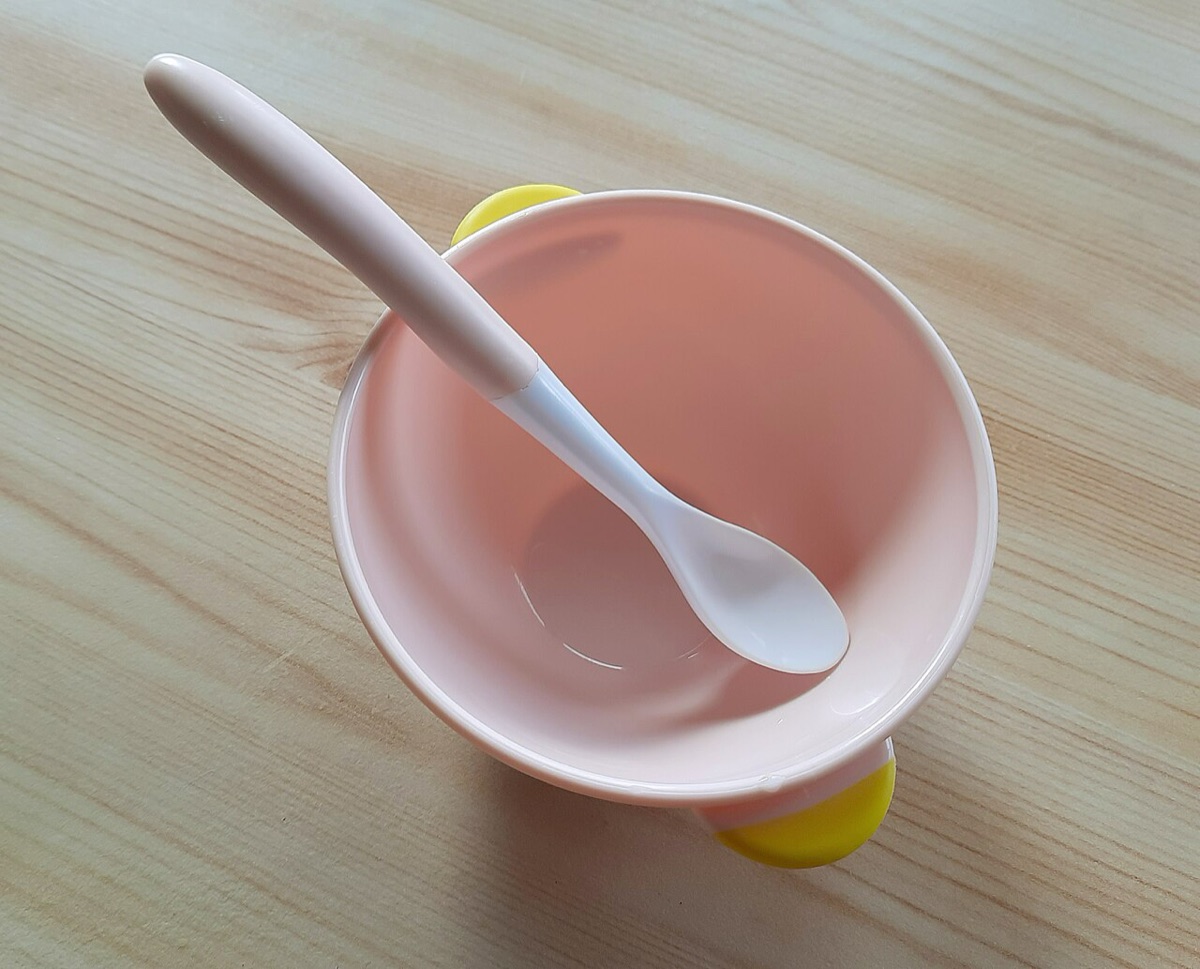
- Baby feeding - spoon and bowlWikimedia Commons · Image, CC0, MAKY.OREL
General information, not medical advice. If your child has a food allergy and mealtimes have become a struggle, the foods they accept are shrinking, or you are worried about their growth, talk to their allergy team or doctor; a dietitian and a feeding therapist can help. Never reintroduce an allergen at home without your allergy specialist's advice.
Analysis by NutroPractic from the sources listed. Written for general readers; it does not replace advice from your own doctor.
From our articles
Read, then eat a little better
Plain-language guides on nutrition and wellness, backed by research.

Global data
Diabetes, obesity, child malnutrition and hunger, 1980 to 2050: what the numbers show
How diabetes, obesity, child malnutrition and hunger have changed since 1980, with sourced figures and a basic projection to 2050. Click a condition to explore the chart and its facts.
5 Oct 2026

Indian kitchen
Rice, roti and blood sugar: building a balanced Indian plate with the ICMR-NIN 2024 guidelines
About one in nine Indian adults has diabetes and many more have prediabetes. You don't have to give up rice or roti. How the ICMR-NIN Dietary Guidelines for Indians (2024) suggest building a plate, plus simple habits that help keep blood sugar steady.
3 Oct 2026

Micronutrients
Vitamin D and B12: two common gaps, from northern winters to vegetarian kitchens
Vitamin D runs low in Canadian and European winters, and surprisingly often in sunny India too. Vitamin B12 is a risk for vegetarians, people over 50 and people on certain medicines. Who is at risk, what the official advice is in North America, Europe and India, and where to get both.
3 Oct 2026
Newsfeed for your website
Want this feed on your website?
Add it to any site with one copy-and-paste snippet. No sign-up, and it updates itself every hour.
Start with a virtual consultation
Tell Dr. Triveni what you want to change. You will leave with a clear next step, whether you are in Toronto, London, New York or Chennai.