Kitchen safety · October 12, 2026
A rice dish left on a warm kitchen counter overnight put a healthy man in his twenties on the urgent list for a new liver. Reheating it did not help: the toxin that did the damage is not destroyed by heat
Doctors in Rotterdam describe a young man found seizing in bed, his blood sugar too low to read, the morning after eating reheated rice. His brother ate the same dish and had two days of vomiting. Because the family had frozen the leftovers, a food lab could measure what was in them: a bacterial toxin at 100 to 400 times the top of its test range. He recovered fully. Here is what happened, and the simple kitchen habit that prevents it.
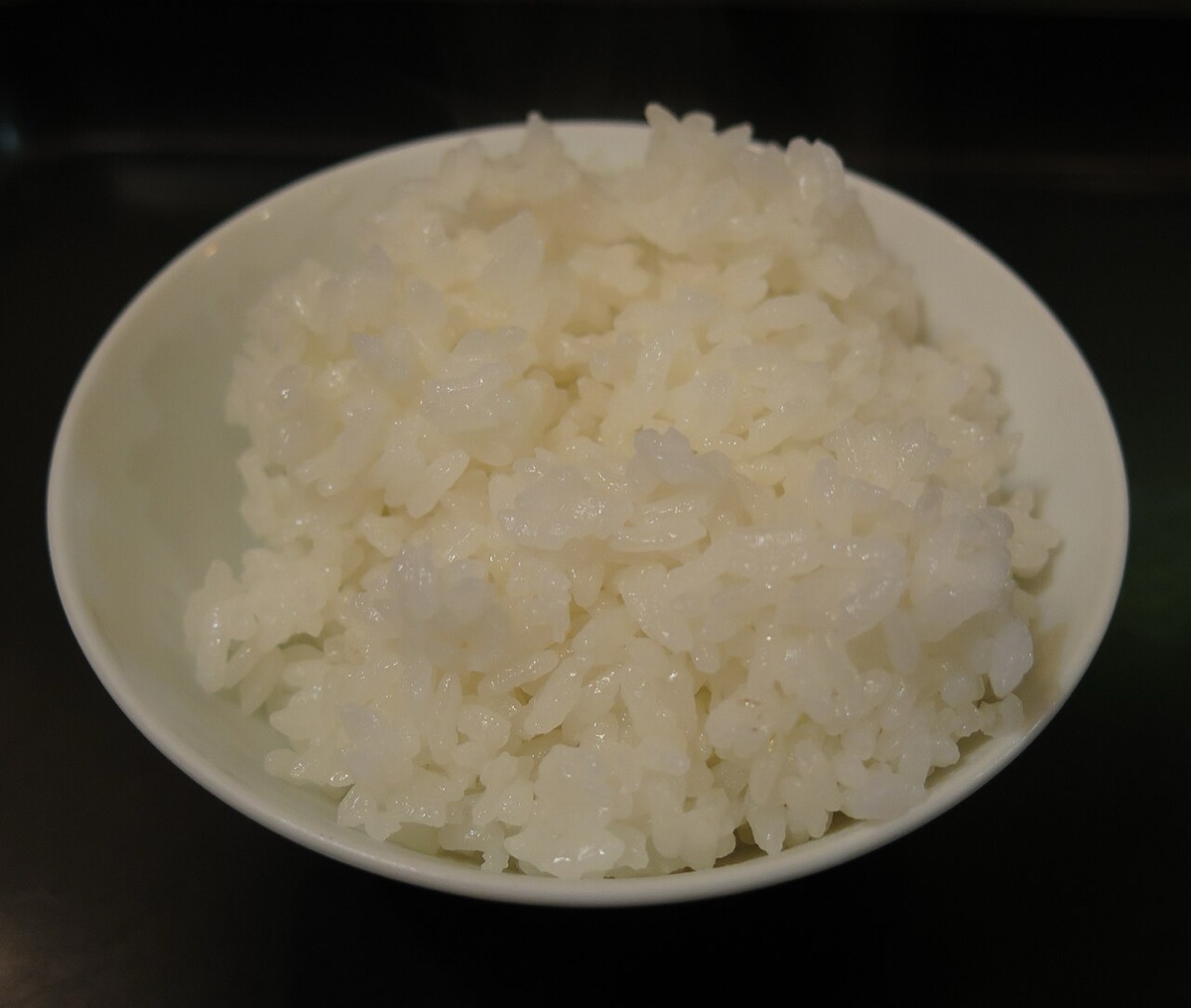
Most people who have had food poisoning from rice remember a miserable afternoon of vomiting and not much else. A case report from Erasmus MC in Rotterdam, published in BMJ Case Reports on 5 October 2026, is a reminder that the same toxin can, very rarely, do far worse. It describes a man in his early twenties with no medical history who came within days of an emergency liver transplant after eating a home-cooked rice dish.
The dish had been made the day before and, by accident, left out on the kitchen counter during a Dutch summer, with the room above 30 °C. The next evening it was reheated and eaten. He felt unwell after dinner and went to bed early. In the morning a family member found him unresponsive and having a seizure. The ambulance crew's glucose meter could not even give a number, the reading was so low. His brother had eaten the same rice and spent up to two days with vomiting and diarrhoea.
In hospital things moved fast. Lactic acid built up in his blood until it reached 18 mmol/L; in a healthy person at rest it is below about 2. His liver enzymes, which in a healthy adult usually sit below about 50 units per litre, passed 17,000. His blood stopped clotting properly, ammonia that a working liver would clear rose to 251 µmol/L, and his kidneys began to fail. He was put on a ventilator and dialysis, needed drugs to hold up his blood pressure, and was placed on Eurotransplant's high-urgency list for a new liver.
For the first days nobody knew why. The team tested for viruses, drugs including paracetamol, alcohol, autoimmune disease, inherited metabolic disorders, blood clots in the liver's veins and a long list of infections, and found nothing. The answer came from the family. Talking to them in more detail, the doctors learned about the rice. And his parents had kept a leftover portion and frozen it soon after the meal.
That frozen portion is what makes this report unusual. With help from Wageningen Food Safety Research, the rice was tested for cereulide, a toxin made by the soil bacterium Bacillus cereus. It held 9,600 to 38,400 micrograms per kilogram, 100 to 400 times above the highest level the laboratory's method can measure precisely. The bacterium in the rice carried the genes for making cereulide and belonged to a type known for producing a lot of it. A blood sample taken about 18 hours after the meal also contained the toxin, which shows it got into his body and was already in the food when he ate it, not made later in the leftovers.
The way it happens is simple. Bacillus cereus spores are common on rice and other dry foods and survive harvesting, milling and boiling. Once cooked rice sits warm and moist, the spores wake up, multiply and make cereulide. The toxin is a small ring-shaped molecule that resists heat, acid and digestive enzymes, so reheating the rice, however thoroughly, does not break it down. Inside the body it lets potassium leak across the membranes of mitochondria, the parts of the cell that make energy. The liver, packed with mitochondria and the first organ to receive what the gut absorbs, takes the biggest hit.
Why was one brother so much sicker than the other? The authors think vomiting is usually the body's defence: it gets most of the toxin out before much is absorbed. The brother vomited. The patient did not; he lay down and fell asleep, which probably let far more reach his bloodstream. That is the authors' explanation and it fits, but it cannot be proved from two people.
He got better. On day 3 his liver tests began to improve and on day 4 he came off the transplant list. His brain took longer. When sedation was lightened he barely responded and had bouts of stiffness and shaking; by day 10 he could follow instructions but was slow to think, struggled to find words and was weak and tremulous. The doctors put this down to the ammonia the failing liver had let build up in his brain. After 12 days he moved to a local hospital and went home 14 days after that. He has since gone back to work and to sport, has no sign of lasting liver damage, and is left only with a mild tremor in his hands.
Some caution is in order. This is one patient, and the authors say plainly that a single case cannot prove cause and effect; their conclusion rests on the timing, the toxin in the food and in his blood, and the absence of any other explanation. His stool was never tested, so an unusual infection cannot be completely ruled out. Several treatments were given at once, so nothing can be said about which one helped. And cases this severe are rare: the authors count only a small number in the medical literature. The ordinary outcome of eating badly stored rice is the brother's, not his. But the fix is easy and costs nothing. The UK Food Standards Agency advises cooling leftover rice quickly, ideally within an hour, in small portions rather than in the cooker or pan, keeping it in the fridge for no more than a day, and reheating it only once, until it is steaming hot all the way through.
One patient, a man in his early twenties, treated at Erasmus MC Rotterdam after eating home-cooked rice left unrefrigerated for about a day in summer
9,600 to 38,400 µg/kg
Cereulide toxin measured in the frozen leftover rice, 100 to 400 times above the lab's upper limit of quantification (96 µg/kg)
Over 30 °C
Room temperature in the kitchen where the cooked rice was left on the counter until it was reheated the next day
18 mmol/L
Highest blood lactate, measured at the time of transfer to the liver transplant centre
17,446 U/L
Highest ALT, a liver enzyme, in the paper's table of results; the first reading in hospital was 1,290
Day 4
Taken off Eurotransplant's high-urgency liver transplant list as his liver recovered
26 days
In hospital in total: 12 at the academic centre, then 14 more at a regional hospital before going home
Figures are from the open-access case report in BMJ Case Reports (doi 10.1136/bcr-2026-275511, volume 19, issue 10, e275511, published 5 October 2026, CC BY-NC 4.0), read in full on PubMed Central: background, case presentation, Table 1 (laboratory values), investigations, differential diagnosis, treatment, outcome, discussion and limitations. Authors from Erasmus MC University Medical Center Rotterdam and Wageningen University & Research; no specific funding declared, no competing interests, and the patient consented to publication. The leftover rice was frozen shortly after the meal and tested by LC-MS/MS; the Bacillus cereus isolate was sequence type 26 and carried the cereulide synthetase genes cesA-D and the non-haemolytic enterotoxin genes nheA-C. Cereulide was confirmed qualitatively (not measured) in a serum sample taken about 18 hours after the meal, with a method the authors note is not clinically validated for serum. Other peaks in Table 1: INR 8.7, ammonia 256 µmol/L, factor V as low as 0.02 U/mL, creatine kinase 18,604 U/L (muscle breakdown, which appeared 48 to 72 hours after admission). Table 1 has eight time columns, but some rows have only seven values, so we give the highest ALT without its exact time. The 26-day total is our sum of the 12 and 14 days the report gives. The 'below about 50 units per litre' for ALT and 'below about 2' for resting lactate are general reference values, not from the paper. Storage advice is from the UK Food Standards Agency's home food fact checker (last updated 21 August 2026), not from the case report.
- Bacillus cereus can make two different illnesses. Cereulide, made in the food before it is eaten, causes the fast vomiting type; other toxins, made in the gut, cause the diarrhoeal type.
- Rice is so often the culprit that the vomiting type has a nickname, 'fried rice syndrome', according to the case report.
- A recent European surveillance report suggests cereulide-producing Bacillus cereus may cause 15% to 20% of food poisoning outbreaks caused by toxins, the authors write, and in 2018 it was the most often identified cause of such outbreaks in Belgium.
- Without working mitochondria, a cell falls back on breaking down glucose without oxygen, which yields 2 units of the energy molecule ATP per glucose against about 30 to 32 with them, and leaves lactic acid behind. That is why the patient's blood sugar crashed and his lactate soared.
- Hospitals rarely test for cereulide itself. Standard tests look for the bacterium or its genes, which can be missed when a lot of ready-made toxin is eaten with few live bacteria. Keeping and freezing leftovers helps doctors find out what happened.
- Fulminant multi-organ failure associated with cereulide-producing Bacillus cereus after consumption of improperly stored riceBMJ Case Reports, 5 October 2026 · The case report. Open access, read in full
- Full text on PubMed Central (PMC13646522)US National Library of Medicine · Version read for this item
- PubMed record (PMID 42833842)US National Library of Medicine · Abstract and authors
- Home food fact checker: riceFood Standards Agency (UK), updated 21 August 2026 · Advice on cooling, storing and reheating cooked rice, read for this item
- Fulminant liver failure in association with the emetic toxin of Bacillus cereusNew England Journal of Medicine, 1997 · An earlier case cited by the report; not read for this item
- Bowl of white rice 01Wikimedia Commons · Image, CC0, photo by Douglas Perkins
General information, not medical advice. This is a single case report, and illness this severe after eating rice is rare. If someone becomes very drowsy, confused, has a seizure or cannot be woken after a meal, call emergency services; if you have ordinary food poisoning that does not settle, or are worried, talk to a doctor.
Analysis by NutroPractic from the sources listed. Written for general readers; it does not replace advice from your own doctor.
From our articles
Our guides on this subject
Plain-language guides on nutrition and wellness, backed by research.

Indian kitchen
Rice, roti and blood sugar: building a balanced Indian plate with the ICMR-NIN 2024 guidelines
About one in nine Indian adults has diabetes and many more have prediabetes. You don't have to give up rice or roti. How the ICMR-NIN Dietary Guidelines for Indians (2024) suggest building a plate, plus simple habits that help keep blood sugar steady.
3 Oct 2026

Global data
Diabetes, obesity, child malnutrition and hunger, 1980 to 2050: what the numbers show
How diabetes, obesity, child malnutrition and hunger have changed since 1980, with sourced figures and a basic projection to 2050. Click a condition to explore the chart and its facts.
5 Oct 2026

Micronutrients
Vitamin D and B12: two common gaps, from northern winters to vegetarian kitchens
Vitamin D runs low in Canadian and European winters, and surprisingly often in sunny India too. Vitamin B12 is a risk for vegetarians, people over 50 and people on certain medicines. Who is at risk, what the official advice is in North America, Europe and India, and where to get both.
3 Oct 2026
Newsfeed for your website
Want this feed on your website?
Add it to any site with one copy-and-paste snippet. No sign-up, and it updates itself every hour.
Start with a virtual consultation
Tell Dr. Triveni what you want to change. You will leave with a clear next step, whether you are in Toronto, London, New York or Chennai.