Women's health · October 18, 2026
Ten days of rhodiola before their periods, and 24 taekwondo athletes in Tehran got calmer and 60 milliseconds quicker. The trial is small, unregistered and tested 17 symptoms at once
A new placebo-controlled trial says a common herbal supplement eased irritability, anxiety and cravings in female fighters with PMS, and sped up their reactions. The results are tidy. That is part of the problem.
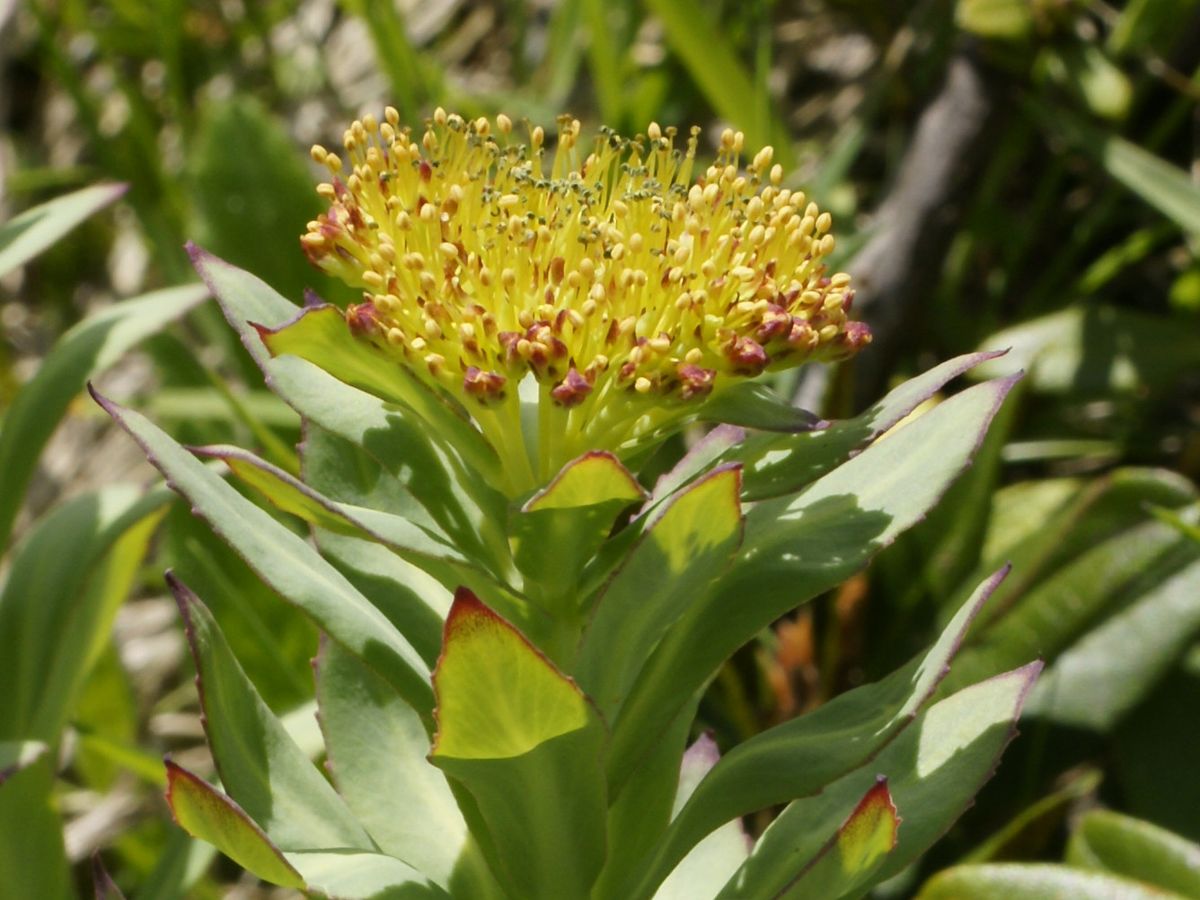
Taekwondo is decided in fractions of a second: see the opening, kick, get out. For women who have bad premenstrual symptoms, the days before a period can blunt exactly that. A team from Allameh Tabataba'i University in Tehran, with a co-author at the German Sport University Cologne, tried an herb many athletes already buy: Rhodiola rosea, also called roseroot or golden root, a plant of cold mountains and northern coasts long used in Russia and Scandinavia against fatigue. Their trial was published in the Journal of the International Society of Sports Nutrition on 15 October 2026.
They recruited 24 women aged 18 to 28 from Tehran clubs, each with at least five years of training and moderate-to-severe PMS on a standard 19-item questionnaire. Half took one 500 mg capsule a day of a shop-bought extract (NOW Foods, standardised to 3% rosavins and 1% salidroside), and half took identical capsules of maltodextrin. Each woman took them for ten days, starting between days 15 and 19 of her cycle, and was tested about three days before her period was due, once in the cycle before and once at the end. Everyone ate the same supervised diet during those ten days, and caffeine and alcohol were off limits before tests.
On paper, rhodiola won clearly. Of 17 symptoms scored from 0 to 3, ten were lower in the rhodiola group afterwards: irritability, low mood, anxiety, social withdrawal, poor concentration, oversleeping, food cravings, crying, skin problems and lower abdominal pain. Bloating, breast tenderness, swelling, body aches, gut symptoms, insomnia and libido did not differ. On a floor-mat test where a number lights up and you step on the matching square, the rhodiola group averaged 220 milliseconds against 280. After a treadmill run to exhaustion they rated the effort 13.5 on the 6-to-20 Borg scale, against 14.9. They did not last longer on the treadmill (10.2 against 9.7 minutes, not a real difference), and their estimated fitness was unchanged. Blood serotonin and GABA were higher. No side effects were reported.
Now the reasons for caution, several of which the authors list themselves. Twelve women per group is very few. The trial was not registered before recruitment began, so there is no public record of which outcome was meant to be the main one; with 17 symptoms, reaction time, effort, two fitness measures and two blood markers, a few chance 'wins' are expected, and the paper does not correct for testing that many things at once. Only the after-treatment scores, adjusted for the starting ones, are shown; the starting scores themselves are not. Eight of the ten symptom differences come out at exactly 0.7 points, a pattern that is unusually neat for such a small group. A 60-millisecond gain, more than a fifth faster, would be a big effect for any supplement, let alone after ten days. Nobody checked whether the women could tell which capsule they had, and the cycle phase was estimated from dates and an app rather than confirmed with hormone tests.
The blood results need care too. Most serotonin in blood sits in platelets, and GABA in the bloodstream says little about GABA in the brain; the authors make that point and call these peripheral markers only. The trial had no funding and the authors report no competing interests, which removes one worry but not the others.
What it adds up to is a signal, not a recommendation. Reviews of rhodiola so far, including the US National Center for Complementary and Integrative Health's summary, say there isn't enough reliable evidence to show it helps with any health purpose, and this trial is too small and loosely specified to change that on its own. A registered trial with more women, one named main outcome and hormone-confirmed timing would tell us whether these ten days really made a difference.
Rhodiola rosea vs placebo for 10 days before menstruation: randomised double-blind trial, 24 female taekwondo athletes with moderate-to-severe PMS, Tehran, Iran
24
Athletes randomised, 12 per group; all 24 finished
500 mg a day
Standardised rhodiola extract, for 10 days from cycle day 15 to 19
10 of 17
PMS symptoms scored lower with rhodiola than placebo afterwards
220 vs 280 ms
Visual reaction time on a stepping test, rhodiola vs placebo (adjusted)
13.5 vs 14.9
Perceived effort after a treadmill test to exhaustion, Borg 6–20 scale
10.2 vs 9.7 min
Time on the treadmill before exhaustion: no real difference
0
Side effects reported
Not registered
The trial was not registered before recruitment began
Figures from Yarahmadi Y, Tayebi SM, Bassami M, Donath L, 'Short-term Rhodiola rosea supplementation improves premenstrual symptoms, reaction time, and perceived exertion in female taekwondo athletes: a randomised double-blind placebo-controlled trial', Journal of the International Society of Sports Nutrition 2026;23(1):2743154, published 15 October 2026, doi 10.1080/15502783.2026.2743154 (Table 2 and Results). All between-group values are baseline-adjusted means from ANCOVA. Symptoms were scored with the Premenstrual Symptoms Screening Tool (0 to 3 per item). Estimated VO₂max was calculated from treadmill time, not measured. No funding; the authors report no competing interests.
- Rhodiola rosea is a succulent in the stonecrop family. Its common name, roseroot, comes from the rose-like smell of the cut root.
- The capsules in this trial were an ordinary retail product, standardised to 3% rosavins and 1% salidroside, the two compound groups most rhodiola extracts are sold on.
- The US National Center for Complementary and Integrative Health rates rhodiola as possibly safe for up to 12 weeks, with dizziness, headache, insomnia and dry mouth among reported side effects, and an interaction with the blood pressure drug losartan.
- In the US, herbal supplements like rhodiola are not approved by the FDA before they go on sale, unlike medicines.
- About 90% of the body's serotonin is made in the gut, and most of what circulates in blood is carried inside platelets, which is why blood serotonin is a poor window on the brain.
- Short-term Rhodiola rosea supplementation improves premenstrual symptoms, reaction time, and perceived exertion in female taekwondo athletes: a randomised double-blind placebo-controlled trialJournal of the International Society of Sports Nutrition, 15 October 2026 · The trial paper (open access, CC BY-NC): design, supplement, results and limitations
- Full text of the trial paperPubMed Central · Same paper, free to read
- RhodiolaUS National Center for Complementary and Integrative Health (NIH) · Plain-language summary of the evidence and safety
General information, not medical advice. This small trial tested one rhodiola product for ten days in young female athletes with PMS. Herbal supplements can interact with medicines and are not well studied in pregnancy or breastfeeding. Talk to your doctor or a registered dietitian before starting a supplement or if premenstrual symptoms affect your daily life.
Analysis by NutroPractic from the sources listed. Written for general readers; it does not replace advice from your own doctor.
From our articles
Read, then eat a little better
Plain-language guides on nutrition and wellness, backed by research.
Supplements and vitamins
Spermidine from food or capsules: measured milligrams in wheat germ, soybeans and cheese, and what the one year-long trial found
Wheat germ holds about 22 to 34 mg of spermidine per 100 g, matured cheese about 0.12 mg. The only year-long capsule trial used 0.9 mg a day and found no memory benefit. Measured values, worked doses and safety.
22 Nov 2026

Supplements and vitamins
Zinc carnosine for the gut lining: what the two human trials gave, the zinc in each dose, and the copper catch
Zinc carnosine is only about 22.6% zinc, so 75 mg twice a day is roughly 34 mg of zinc a day. Here are the doses and results of the 10-person NSAID permeability trial and the 20-person aspirin pilot, and the copper cautions.
22 Nov 2026

Women's health
Inositol for PCOS: the 40:1 ratio, trial doses, and food milligrams
Why do randomized trials in polycystic ovary syndrome prioritize the 40:1 myo to D-chiro inositol ratio? Here is the science behind the ovarian epimerase paradox, clinical ovulation and insulin metrics, and why cantaloupe cannot replace 4,000 mg trial powder.
21 Nov 2026
Newsfeed for your website
Want this feed on your website?
Add it to any site with one copy-and-paste snippet. No sign-up, and it updates itself every hour.
Start with a virtual consultation
Tell Dr. Triveni what you want to change. You will leave with a clear next step, whether you are in Toronto, London, New York or Chennai.