Fatigue · October 19, 2026
120 tired but healthy Korean adults took L-arginine or a placebo for eight weeks: the higher dose eased fatigue scores, but most still ended up above the study's 'tired' cut-off
L-arginine is sold as an energy and circulation supplement. In this double-blind trial, 6 g a day cut fatigue scores more than a placebo did and blood lactate fell a little faster after a treadmill run, while 3 g a day did no better than placebo on fatigue. Here's what the numbers show, and why the sleep results and the trial's set-up call for caution.
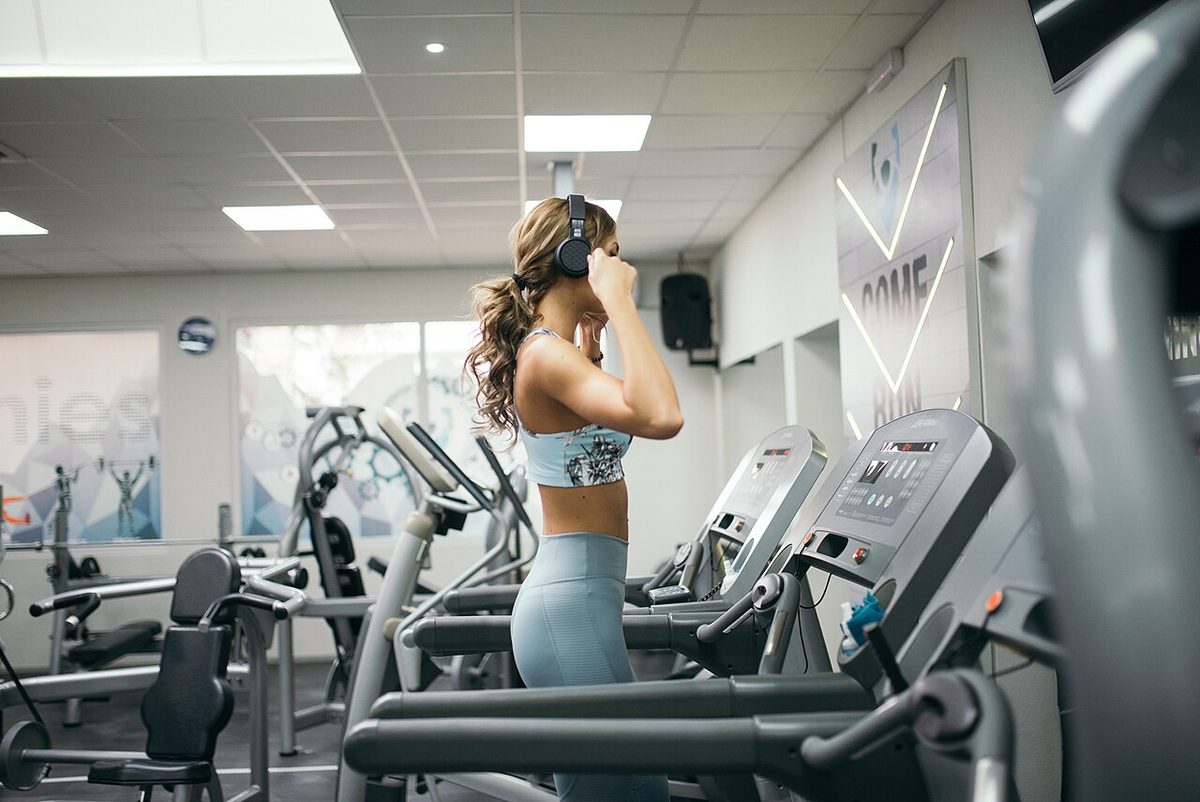
Plenty of adults feel worn out most days without any illness to explain it. L-arginine, an amino acid the body uses to make nitric oxide, a molecule that helps blood vessels relax, is marketed as a way to boost energy and blood flow, but trials in otherwise healthy, everyday-tired people are scarce. A study published on 14 October in the journal Nutrients tested it in exactly that group.
Researchers at Daejeon University in South Korea recruited 120 people aged 30 to 59 who lived independently, had no major illness, and scored at least 27 on the Fatigue Severity Scale, a nine-item questionnaire on which higher scores mean more fatigue. That bar is lower than the score of 36 often used to mark clinically significant fatigue, so these were tired people rather than patients. About 79% were women. They were randomly split into three groups of 40 and drank a lemon-orange liquid sachet twice a day for eight weeks: 3 g of L-arginine a day, 6 g a day, or a placebo with the same sweetener and flavour. Neither the participants nor the researchers knew who was getting what.
On the main measure, the 6 g group's fatigue score fell by 6.41 points over eight weeks against 2.23 points with the placebo, a difference that held up after the researchers corrected for making several comparisons. The 3 g group fell by 2.30 points, essentially the same as placebo. Even so, the 6 g group's average ended at 28.82, still above the threshold of 27 used to enrol people, which the authors themselves describe as a reduction in fatigue rather than its resolution. A second fatigue questionnaire moved in the same direction at 6 g, but that result did not survive the correction, and two further fatigue measures showed no clear difference.
Participants also ran on a treadmill for 30 minutes at about 70% of their maximum effort, before and after the eight weeks, with blood taken to measure lactate, a by-product of hard muscle work. At 6 g a day, lactate 15 minutes after the run was about 0.39 mmol/L lower than with placebo, and total lactate across the test was also lower; 3 g made no difference. The levels involved were small, though: on average lactate barely rose above the normal resting range after the run, and the blood draws skipped the 3 to 8 minutes after exercise when lactate usually peaks. Resting levels of nitrite, a marker of nitric oxide, did not differ between the groups.
Sleep, scored with the Pittsburgh Sleep Quality Index, improved slightly with both doses compared with placebo, by about 1.2 points at 3 g and 0.9 points at 6 g on a scale where lower is better. These were exploratory results that were not corrected for multiple comparisons, and both active groups started with worse daytime-functioning scores than the placebo group. No serious side effects occurred; two people in the 6 g group reported mild heartburn and palpitations, which the investigators judged unrelated to the product.
The authors list several limits: a single centre, a sample too small to compare the two doses or spot uncommon side effects, mostly women, and several analysis choices, including the correction for multiple comparisons and which participants counted as the main analysis group, made after the fact. The trial was registered in Korea's clinical trial registry only after it had finished, although the main outcome had been approved by the ethics board beforehand. It was funded by ARI BnC Co., Ltd., and Daesang Wellife Co., Ltd. supplied the sachets free of charge; the authors say neither company had a role in the design, analysis or writing.
Oral L-arginine (3 or 6 g a day) versus placebo for eight weeks in community-dwelling Korean adults aged 30 to 59 with persistent fatigue
139 → 120 → 119
Adults screened, randomised (40 per group), and included in the main analysis
−6.41 vs −2.23
Change in Fatigue Severity Scale score at 8 weeks, 6 g a day versus placebo (Holm-adjusted p = 0.024)
−2.30
Change in the same score at 3 g a day: no different from placebo (p = 0.935)
28.82
Average fatigue score in the 6 g group at 8 weeks, still above the enrolment cut-off of 27
−0.39 mmol/L
Blood lactate 15 minutes after a 30-minute treadmill run, 6 g a day versus placebo
About 79%
Share of participants who were women
Study: Kang E-B, Hong S-B, Yoon N, Lee N, Kim B, 'Effects of Oral L-Arginine on Everyday Persistent Fatigue, Sleep, and Post-Exercise Lactate Recovery in Community-Dwelling Working-Age Adults: A Double-Blind, Placebo-Controlled Randomized Trial', Nutrients 2026, 18(20), 3375, published 14 October 2026 (received 8 September, revised 9 October, accepted 13 October), doi 10.3390/nu18203375, CC BY, read in full on the publisher's site. Single centre (Cheongchun Hospital, Daejeon); recruitment July to December 2024; block randomisation 1:1:1; liquid sachets of 1.5 g or 3.0 g L-arginine, or placebo, twice daily. Full analysis set n = 119 with last observation carried forward (presented as primary post hoc; per-protocol n = 114 gave the same primary conclusion). Baseline FSS 35.23 (6 g) versus 34.23 (placebo). FSS change week 8: 6 g −6.41 ± 8.02 versus placebo −2.23 ± 6.02 (p = 0.012; Holm-adjusted 0.024); week 4 −3.87 versus −1.18 (p = 0.006). CIS total at 6 g nominal p = 0.029, not significant after Holm adjustment. PSQI total, baseline-adjusted difference versus placebo: 3 g −1.19 (95% CI −2.06 to −0.33), 6 g −0.89 (−1.77 to −0.02), nominal p values, exploratory. Lactate at 15 min recovery, 6 g: −0.39 mmol/L (95% CI −0.61 to −0.17; Holm-adjusted p = 0.002); total lactate AUC −1278 mmol/L·s (Holm-adjusted p = 0.041). Resting plasma nitrite: no between-group difference. Adverse events: no serious events; heartburn and palpitations in 2 of 39 assessed at 6 g at week 4 versus 0 of 40 placebo (p = 0.241), both mild and judged unrelated. Holm adjustment, choice of primary analysis set and several ANCOVAs were post hoc. Registered retrospectively at CRIS (KCT0012357) on 30 July 2026. Funding: ARI BnC Co., Ltd.; products supplied free by Daesang Wellife Co., Ltd.; authors declare no conflicts.
- The Fatigue Severity Scale has nine statements, each rated 1 to 7, so totals run from 9 to 63; a total of 36 or more is often used to mark clinically significant fatigue.
- The paper notes that South Koreans worked 1,901 hours per employed person in 2022, 149 hours more than the OECD average of 1,752, one reason the authors chose everyday fatigue as their target.
- Resting nitrite, a stand-in for nitric oxide, didn't rise even in the 6 g group; the authors point to the 'arginine paradox', the idea that extra arginine can act locally without raising levels measured in the blood.
- People with very high or very low fitness were left out: only those whose maximum oxygen uptake fell between the 25th and 85th percentiles of Korean norms could join.
- Effects of Oral L-Arginine on Everyday Persistent Fatigue, Sleep, and Post-Exercise Lactate Recovery in Community-Dwelling Working-Age Adults: A Double-Blind, Placebo-Controlled Randomized TrialNutrients, October 2026 · The study: design, results, safety, limitations and funding
- Clinical Research Information Service (CRIS), registration KCT0012357Korea Disease Control and Prevention Agency · Korea's clinical trial registry, where the trial was registered after it finished
General information, not medical advice. This was a small, single-centre trial with fatigue and sleep reported by the participants themselves. Fatigue that lasts can have many causes, so it's worth seeing a doctor before trying supplements, especially if you take medicines for blood pressure or your heart.
Analysis by NutroPractic from the sources listed. Written for general readers; it does not replace advice from your own doctor.
From our articles
Read, then eat a little better
Plain-language guides on nutrition and wellness, backed by research.

Supplements and vitamins
Spermidine from food or capsules: measured milligrams in wheat germ, soybeans and cheese, and what the one year-long trial found
Wheat germ holds about 22 to 34 mg of spermidine per 100 g, matured cheese about 0.12 mg. The only year-long capsule trial used 0.9 mg a day and found no memory benefit. Measured values, worked doses and safety.
22 Nov 2026

Supplements and vitamins
Zinc carnosine for the gut lining: what the two human trials gave, the zinc in each dose, and the copper catch
Zinc carnosine is only about 22.6% zinc, so 75 mg twice a day is roughly 34 mg of zinc a day. Here are the doses and results of the 10-person NSAID permeability trial and the 20-person aspirin pilot, and the copper cautions.
22 Nov 2026

Women's health
Inositol for PCOS: the 40:1 ratio, trial doses, and food milligrams
Why do randomized trials in polycystic ovary syndrome prioritize the 40:1 myo to D-chiro inositol ratio? Here is the science behind the ovarian epimerase paradox, clinical ovulation and insulin metrics, and why cantaloupe cannot replace 4,000 mg trial powder.
21 Nov 2026
Newsfeed for your website
Want this feed on your website?
Add it to any site with one copy-and-paste snippet. No sign-up, and it updates itself every hour.
Start with a virtual consultation
Tell Dr. Triveni what you want to change. You will leave with a clear next step, whether you are in Toronto, London, New York or Chennai.