Meal timing · October 18, 2026
Nearly 200,000 nurses and doctors, 16 years of follow-up: the ones who ate after dinner or after bedtime had 20 to 30% more fatty liver disease and cirrhosis
A team in Portland and Boston went back to three of America's longest-running health studies and asked a simple question: does it matter when people eat, not just what? The late-night eaters fared worse on their livers, even after accounting for weight, calories and alcohol. The researchers are careful about what that does and doesn't prove.
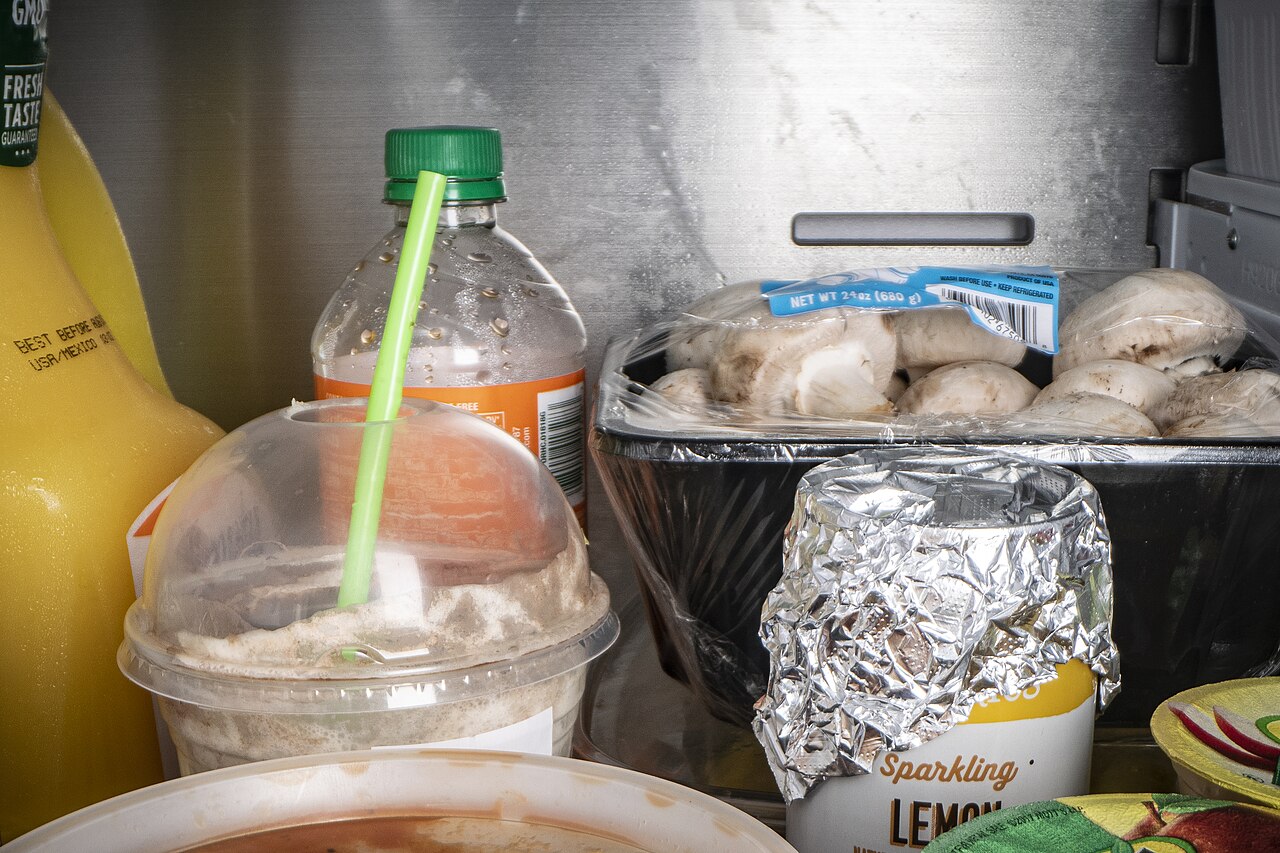
Fatty liver disease, now called metabolic dysfunction-associated steatotic liver disease or MASLD, is the build-up of fat in the liver in people who drink little or no alcohol. It is common: the researchers behind this study say it affects as much as 30% of the US population. Most people with it never know, but in a small share it progresses to inflammation, scarring and eventually cirrhosis. Advice so far has focused on what and how much people eat. A team led by hepatologist Robert Wilechansky at Oregon Health & Science University (OHSU), with colleagues at Massachusetts General Hospital in Boston, looked instead at when.
They used three long-running US cohorts: the Nurses' Health Study, the Nurses' Health Study II and the Health Professionals Follow-up Study. Together these covered 199,155 people, followed for a median of 16 years, who had reported their eating habits, daily routines and other lifestyle details on regular questionnaires. Late-night eating was defined broadly as eating after dinner or after bedtime. The paper, 'Late-Night Eating is Associated with MASLD and Cirrhosis', was published online in Clinical Gastroenterology and Hepatology in October 2026.
Compared with people who did not report eating late, those who did had a 20% to 30% higher rate of both fatty liver disease and cirrhosis. According to published reports on the study, the link held after the team accounted for age, body weight, total calories, diabetes, alcohol and physical activity, which means late eaters weren't simply eating more or weighing more. The authors describe it as among the first long-term analyses to draw a direct line between meal timing and fatty liver disease.
Why might the clock matter? The liver runs on a daily rhythm, and the body handles food differently at night. Study co-author Andrew McHill, a sleep and circadian researcher at OHSU, said eating at night 'reduces the ability of your body to metabolize foods as efficiently'. Earlier short-term experiments have pointed the same way, with late meals raising blood sugar more than the same food eaten earlier in the day.
The limits are real, and the authors list them. This is an observational study, so it shows a link, not cause and effect. Meal timing was self-reported and broadly defined, so the study can't say whether a biscuit at 10 pm counts the same as a full meal at midnight. Liver disease was also largely self-reported. And the participants, mostly white US health professionals, are not representative of everyone. Wilechansky also points out that of the people who develop fatty liver disease, only a small fraction go on to cirrhosis.
The practical message is cautious but simple. 'Confining your calorie intake to several hours before bedtime might be beneficial,' Wilechansky said. Whether moving meals earlier actually protects the liver is the next question: an OHSU team including Wilechansky is starting a clinical study that will track meal timing directly and test whether eating earlier improves fatty liver disease.
Late-night eating and liver disease in three US cohorts of nurses and health professionals
199,155
Women and men from the Nurses' Health Study, Nurses' Health Study II and Health Professionals Follow-up Study
16 years
Median follow-up
20-30%
Higher rate of fatty liver disease (MASLD) and of cirrhosis in people who ate after dinner or after bedtime
3
Long-running US cohorts pooled for the analysis
Up to 30%
Share of the US population with fatty liver disease, as cited by the researchers
Study: Wilechansky RM, Casey K, McHill AW, Chan AT, Simon TG, 'Late-Night Eating is Associated with MASLD and Cirrhosis: The Nurses' Health Study and Health Professionals' Follow-Up Study', Clinical Gastroenterology and Hepatology, published online October 2026, doi 10.1016/j.cgh.2026.09.047 (CC BY-NC-ND 4.0). The 20-30% range is as given in OHSU's release; participant numbers, follow-up and adjustments as given in published reports on the paper. Separate hazard ratios for each outcome were not available to us at the time of writing, so we haven't quoted them. Observational data: an association, not proof that late eating causes liver disease.
- MASLD is the new name for what used to be called non-alcoholic fatty liver disease (NAFLD). International liver societies agreed the change in 2023 to describe the condition by its metabolic causes rather than by what it isn't.
- The Nurses' Health Study began in 1976, the Health Professionals Follow-up Study (in men) in 1986 and the Nurses' Health Study II in 1989. Between them they have produced thousands of papers on diet and health.
- Fatty liver disease usually causes no symptoms. It is often found by chance on a blood test or an ultrasound done for another reason.
- The study was funded by the American Association for the Study of Liver Diseases Foundation, with the underlying cohorts supported by the US National Institutes of Health.
- Late-Night Eating is Associated with MASLD and Cirrhosis: The Nurses' Health Study and Health Professionals' Follow-Up StudyClinical Gastroenterology and Hepatology, October 2026 · The study
- Eating late at night linked to up to 30% higher risk of liver diseaseOregon Health & Science University, via ScienceDaily · University release: headline finding, definitions, limitations and quotes
- Metabolic dysfunction-associated steatotic liver disease (MASLD and MASH)US National Institute of Diabetes and Digestive and Kidney Diseases · Background on fatty liver disease, symptoms and diagnosis
General information, not medical advice. This study shows an association, not that eating late causes liver disease. If you have fatty liver disease, diabetes or another health condition, talk to your doctor before changing when or how you eat.
Analysis by NutroPractic from the sources listed. Written for general readers; it does not replace advice from your own doctor.
From our articles
Our guides on this subject
Plain-language guides on nutrition and wellness, backed by research.
Liver health
Fatty liver (MASLD): how much weight loss reverses it, and what coffee and alcohol do
About one adult in three has a fatty liver, and most find out by accident on a scan. Biopsy studies show how much weight loss clears the fat, calms the inflammation and even shrinks scarring. Here are the numbers, what diet and drinks do, the new medicines and the one blood test worth asking for.
30 Oct 2026
Liver health
Choline: how much you need, which foods have it, and what the PEMT gene variant and fatty liver research found
Most adults eat less choline than the 425 mg (women) or 550 mg (men) target: the average is 278 mg for women and 402 mg for men. In one feeding trial, 80% of women with two copies of a common PEMT gene variant developed liver or muscle damage on a low-choline diet, against 13% with none. A table of foods in mg, a worked day that reaches 540 mg, and what the fatty-liver studies do and don't show.
16 Nov 2026

Supplements and vitamins
Spermidine from food or capsules: measured milligrams in wheat germ, soybeans and cheese, and what the one year-long trial found
Wheat germ holds about 22 to 34 mg of spermidine per 100 g, matured cheese about 0.12 mg. The only year-long capsule trial used 0.9 mg a day and found no memory benefit. Measured values, worked doses and safety.
22 Nov 2026
Newsfeed for your website
Want this feed on your website?
Add it to any site with one copy-and-paste snippet. No sign-up, and it updates itself every hour.
Start with a virtual consultation
Tell Dr. Triveni what you want to change. You will leave with a clear next step, whether you are in Toronto, London, New York or Chennai.