Sports nutrition · October 19, 2026
Whey, eggs or pea protein after a workout? 51 studies with 1,128 adults found the best plant and animal proteins ranked close together. Only whey cleared the statistical bar
Researchers in Vienna pooled every trial they could find that took muscle samples before and after a weights session followed by one protein drink or food: 19 protein sources in all, from whey and beef to pea, mycoprotein, mealworm and spirulina. Native whey, pea, whole egg and mycoprotein came out on top of the ranking, but the evidence behind several of them is thin. Here's what the numbers say, and what they don't.
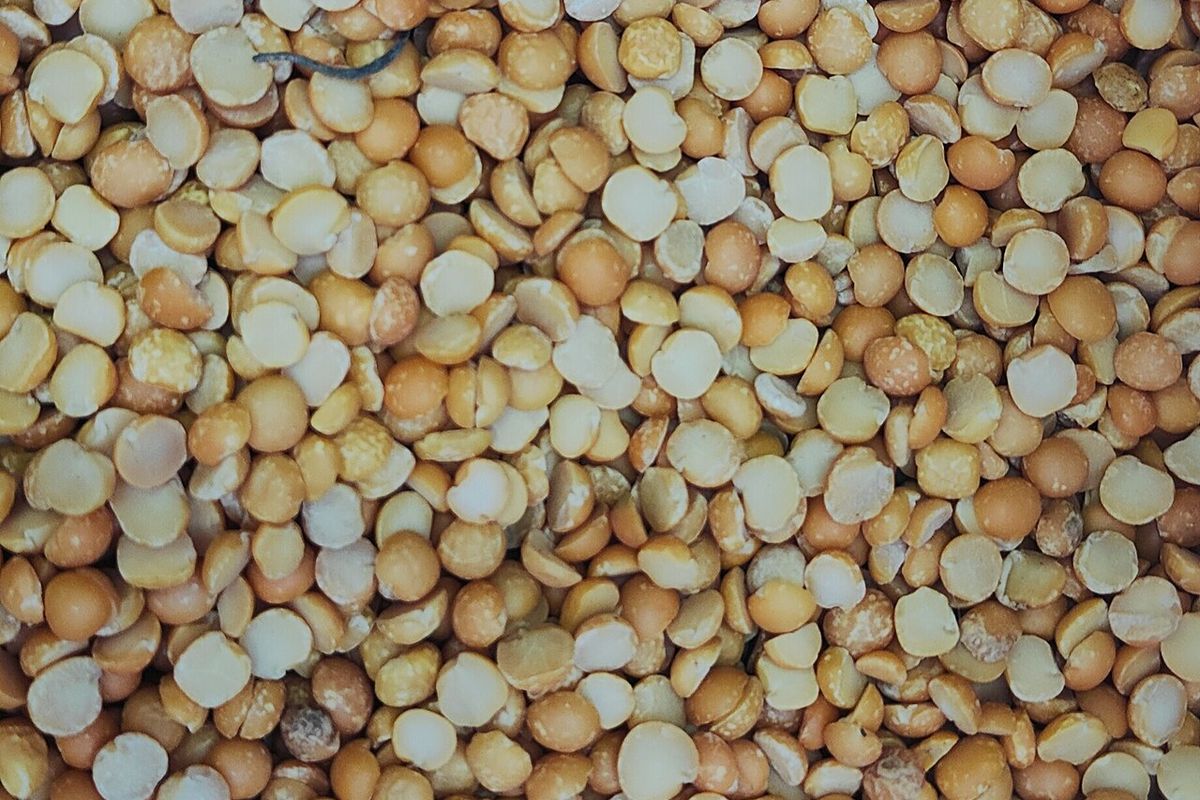
If you lift weights and drink a protein shake afterwards, does it matter whether the protein comes from milk, eggs or peas? Plant proteins have long been seen as second best for building muscle, because they tend to be harder to digest and lower in essential amino acids, leucine in particular. A review published on 12 October in the Journal of the International Society of Sports Nutrition set out to test that idea across as many studies as it could find.
The team, from the University of Vienna with colleagues in Freiburg and London, searched five databases and found 51 studies that met strict rules. Healthy adults did one weights session, took a single dose of one protein (no blends, and nothing added such as creatine), and had muscle samples taken from the thigh before and a few hours after, with no other food in between. Tracer techniques then showed how fast new muscle protein was being made per hour. In all, 1,128 people were studied, 906 men and 222 women, in trials published between 2007 and 2024.
The 19 protein sources included whey, native whey (filtered straight from milk rather than left over from cheese-making), casein, milk, cheese, quark, beef, salmon, whole eggs and egg white, and from the plant and fungus side soy, pea, potato, fava bean, mycoprotein, chlorella and spirulina, plus collagen and mealworm protein. Because few trials compare two proteins head to head, the authors used a network meta-analysis, which links direct and indirect comparisons into one ranking.
Native whey ranked highest, followed by pea protein, whole egg protein, mycoprotein and whey. The differences are small: compared with no protein, native whey and pea added an estimated 0.05 percentage points to the hourly rate of muscle building, whole egg 0.04, mycoprotein 0.03 and whey 0.02. For scale, the authors note that a weights session on its own raises the rate to about 0.03% an hour, and adding protein can lift it to about 0.05%. Only whey had a confidence range that stayed clearly above zero, largely because it was by far the most studied, with 37 study arms. Native whey rested on a single arm and pea protein on two.
A second analysis looked at dose. At the doses most often used in the studies, native whey (20 g), whole egg protein (18 g) and pea protein (25 g) gave the highest predicted rates, and native whey, whole egg, pea and mycoprotein all tended to do better at higher doses. Pea protein and mycoprotein matched the top animal proteins only at about 25 g, a little more than the 18 to 20 g where native whey and egg did well, which fits with plant proteins being somewhat less digestible. Fava bean and mealworm protein sat at the bottom, with almost no effect over no protein.
The authors are cautious. The studies varied widely (heterogeneity of about 93%), the network had inconsistencies driven mainly by casein comparisons, 82% of studies had some or high risk of bias, and the certainty of evidence was rated moderate at best and low for whey. Most participants were men, there was too little data to compare women and men or younger and older adults properly, and an hourly rate measured over a few hours after one session may not predict how much muscle someone gains over months. They did not test plant against animal protein as groups, so they call their dose findings hypothesis-generating. Open access was paid for by the University of Vienna, one author is funded by the German Research Foundation, and the authors reported no conflicts of interest.
Protein sources and hourly muscle protein synthesis after one weights session (51 studies, network meta-analysis)
51 studies
1,128 healthy adults (906 men, 222 women), published 2007 to 2024
19
Protein sources compared, from whey and beef to pea, mycoprotein, mealworm and spirulina
+0.05
Percentage points added to the hourly muscle-building rate by native whey and by pea protein vs no protein (neither statistically clear)
+0.02
Whey protein, the only source with a statistically clear effect (37 study arms)
18–25 g
Doses at which native whey (20 g), whole egg (18 g) and pea protein (25 g) gave the highest predicted rates
82%
Studies judged at some (72%) or high (10%) risk of bias
Study: Bischof K, Kripp AM, Petropoulou M, Stubbs B, König D, 'Impact of different protein sources on acute muscle protein synthesis following resistance training: a systematic review with standard and dose–response network meta-analyses', Journal of the International Society of Sports Nutrition 23(1), published 12 October 2026, doi 10.1080/15502783.2026.2740224, open access (CC BY), read in full on PubMed Central. Registered on OSF (doi 10.17605/OSF.IO/NYH65). Searched PubMed, EBSCOhost (MEDLINE, SPORTDiscus, CINAHL) and Scopus plus other sources; 51 studies, 117 study/treatment arms; healthy adults 18 or older; one resistance exercise bout then a single protein bolus (5 to about 69 g); vastus lateralis biopsies; hourly fractional synthetic rate over 2 to 7 h by stable isotope tracers. Standard NMA mean differences vs control (% per hour, 95% CI) and P-scores: native whey 0.05 (0.00 to 0.10), 0.81; pea 0.05 (−0.02 to 0.11), 0.77; whole egg 0.04 (−0.01 to 0.09), 0.72; mycoprotein 0.03 (−0.02 to 0.08), 0.66; whey 0.02 (0.01 to 0.04), 0.58. Certainty moderate for the first four, low for whey. Dose–response NMA (fractional polynomial, power 0.5) at common doses: native whey 20 g 0.06 (0.02 to 0.09); whole egg 18 g 0.04 (0.03 to 0.06); pea 25 g 0.04 (0.02 to 0.06). Lowest: fava bean and mealworm (about 0.00). Heterogeneity I² 92.7% (standard NMA); global inconsistency Q = 35.70, p < 0.001, mainly casein vs control and casein vs soy. Risk of bias: 18% low, 72% some concerns, 10% high. Funding: open access paid by the University of Vienna; one author funded by the German Research Foundation (DFG, grant 504730171). No conflicts of interest reported.
- In these studies, muscle building was measured from small samples of the vastus lateralis, the large muscle on the outer front of the thigh, taken with a needle before and a few hours after the workout.
- The authors note that a weights session on its own raises the muscle-building rate to about 0.03% an hour and that protein can lift it to about 0.05%, which is why the differences between protein sources look so small.
- The International Society of Sports Nutrition's 2017 position stand suggests 1.4 to 2.0 g of protein per kilogram of body weight a day for most people who exercise, with servings of about 20 to 40 g every three to four hours.
- Older adults tend to respond less to the same dose of protein and exercise, a pattern researchers call 'anabolic resistance'. Most of the studies in this review were in younger people.
- Impact of different protein sources on acute muscle protein synthesis following resistance training: a systematic review with standard and dose–response network meta-analysesJournal of the International Society of Sports Nutrition, October 2026 · The review: methods, rankings, dose–response results, risk of bias, limitations, funding and conflicts of interest
- Full text on PubMed CentralPubMed Central (US National Library of Medicine) · Open-access full text of the review
- International Society of Sports Nutrition position stand: protein and exerciseJournal of the International Society of Sports Nutrition, 2017 · Daily and per-meal protein suggestions for people who exercise
General information, not medical advice. This review looked at short-term muscle-building rates after a single workout in mostly young, healthy adults; it does not show how much muscle any protein will build over time. Most people can meet their protein needs from food. If you have kidney disease or another health condition, are pregnant, or are thinking about supplements, talk to your doctor or a registered dietitian first.
Analysis by NutroPractic from the sources listed. Written for general readers; it does not replace advice from your own doctor.
From our articles
Our guides on this subject
Plain-language guides on nutrition and wellness, backed by research.
Weight-loss medicines
Eating on Ozempic, Wegovy or Mounjaro: protein first, so the weight you lose isn't your muscle
GLP-1 medicines shrink your appetite, and with it often your protein. In the big trials a quarter to more than a third of the weight lost was lean mass. What the 2025 joint nutrition advisory recommends, the arithmetic for your own target, and four small plates that get there.
8 Oct 2026
Healthy ageing
Protein after 40: how much you really need, and why timing matters
The standard protein target was set to prevent deficiency, not to protect muscle as you age. What the research and expert groups suggest for adults over 40, how to spread protein across the day, and easy ways to hit 25 to 30 grams at breakfast.
3 Oct 2026
Women's health
Eating through menopause: what changes for your bones, muscle and heart, and what to put on the plate
Around the final period, bone density at the spine drops by about 2% a year and LDL cholesterol jumps within a year or two. Hot flushes get the attention, but these quieter changes are where food and strength training do the most. Targets for protein, calcium and vitamin D, an honest look at soy, and a week you can start on Monday.
8 Oct 2026
Newsfeed for your website
Want this feed on your website?
Add it to any site with one copy-and-paste snippet. No sign-up, and it updates itself every hour.
Start with a virtual consultation
Tell Dr. Triveni what you want to change. You will leave with a clear next step, whether you are in Toronto, London, New York or Chennai.