Heart health · October 19, 2026
Blueberries and the heart: 38,088 women followed for 28 years. Berry pigments went with better cholesterol numbers, but not with fewer heart attacks or strokes
Harvard researchers went back to food questionnaires filled in by American women in the early 1990s and tracked who later had a heart attack, a stroke or died of heart disease. Women who ate the most anthocyanins, the pigments that colour blueberries and other red and purple foods, looked a little better at first. Once diet, lifestyle and health were taken into account, the link disappeared. Their blood tests told a different story.
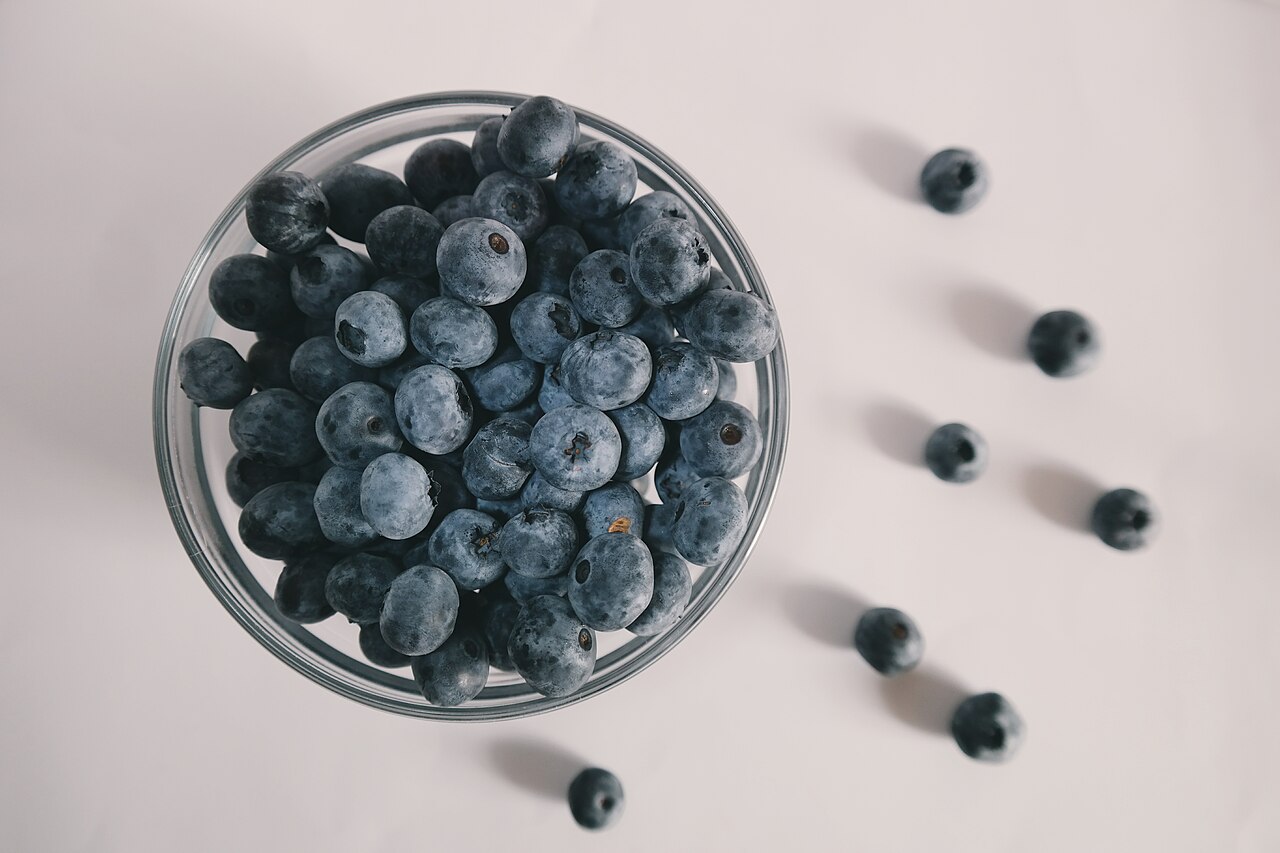
Blueberries have a reputation as a heart food. They are rich in anthocyanins, the pigments that make berries, red cabbage and red grapes red, purple and blue, and small trials have suggested these compounds can nudge blood fats and inflammation in the right direction. Whether eating more of them actually means fewer heart attacks and strokes is less clear. A study published online on 10 October in the Journal of the American Heart Association looked at that question over almost three decades.
The researchers, from Brigham and Women's Hospital, Harvard Medical School and the Harvard T.H. Chan School of Public Health, used the Women's Health Study. It began as a trial of low-dose aspirin and vitamin E in women aged 45 and over, and the women have been followed ever since. Between 1992 and 1995, 38,088 of them filled in a detailed food questionnaire, from which the team estimated how much total anthocyanin, six anthocyanin subclasses and blueberries each woman ate.
Over a median of 28 years, 2,752 women had a major cardiovascular event: a heart attack or stroke they survived, or death from cardiovascular disease. When the team adjusted only for age, calorie intake and which trial pills the women had been given, those who ate more anthocyanins had somewhat lower risk. Compared with the lowest fifth of intake, the hazard ratios across the other four fifths were 0.87, 0.79, 0.81 and 0.88, but risk did not fall steadily as intake rose (P for trend 0.23).
Once the analysis also took account of clinical, lifestyle and other dietary factors, there was no significant link between anthocyanins and cardiovascular events, or with heart attack, stroke or cardiovascular death on their own. The same was true for each anthocyanin subclass and for blueberries. In other words, the women who ate more of these foods probably differed in other ways that explain the early gap.
The blood tests pointed the other way. In 26,912 women who gave a blood sample at the start, higher intake of total anthocyanins and of every subclass except pelargonidin (the pigment that colours strawberries red) went with lower odds of an unhealthy HDL ('good') cholesterol level and of high triglycerides. That fits with earlier small trials, but because diet and blood were measured at the same time, it can't show that the berries caused the better numbers.
The picture is not settled. A 2013 study of 93,600 younger women in the Nurses' Health Study II, aged 25 to 42 at the start, found that those with the highest anthocyanin intake had about a 32% lower risk of heart attack over 18 years. The women in this new study were older, their diet was measured only once at the start, and food questionnaires rely on memory, so the results may not apply to everyone. The full paper wasn't openly available, so this report is based on the journal's published summary.
Anthocyanins, blueberries and heart disease in the Women's Health Study (38,088 women, median 28 years)
38,088
Women who filled in a food questionnaire in 1992 to 1995
28 years
Median follow-up for heart attack, stroke and cardiovascular death
2,752
Women who had a major cardiovascular event
0.79–0.88
Hazard ratios for the four higher fifths of anthocyanin intake vs the lowest, adjusted for age, calories and trial treatment only (no steady trend, P = 0.23)
None
Significant links with heart attack, stroke, cardiovascular death or blueberries once lifestyle, clinical and diet factors were added
26,912
Women with blood tests: more anthocyanins went with lower odds of poor HDL cholesterol and high triglycerides
Study: Park SJ, Hamaya R, Lee IM, Buring JE, Ridker PM, Sesso HD, 'Anthocyanin and Blueberry Intake, Lipids, C-Reactive Protein, and the Risk of Cardiovascular Disease in Women', Journal of the American Heart Association, published online 10 October 2026, e049770, doi 10.1161/JAHA.126.049770 (PubMed 42857977). Figures from the journal's published abstract; the full text was not openly accessible. Baseline semiquantitative food frequency questionnaire 1992 to 1995; intake of total anthocyanins, 6 anthocyanin subclasses and blueberries. Outcome: confirmed major adverse cardiovascular events (nonfatal myocardial infarction, nonfatal stroke, cardiovascular death). Age-, energy- and WHS treatment-adjusted HRs across quintiles of total anthocyanins: 1.00, 0.87 (0.78 to 0.98), 0.79 (0.70 to 0.89), 0.81 (0.72 to 0.91), 0.88 (0.79 to 0.99); P-trend 0.23. Further adjustment for clinical, lifestyle and dietary factors: no significant associations with events or their components, with similar null findings for subclasses and blueberries. Cross-sectional, 26,912 women with baseline blood: higher total anthocyanins and subclasses except pelargonidin associated with lower multivariable-adjusted odds of adverse HDL cholesterol and triglycerides (P-trend < 0.05); hs-CRP was also examined. Context: Women's Health Study aspirin trial, 39,876 women aged 45 or over (Ridker et al., NEJM 2005); Nurses' Health Study II, 93,600 women aged 25 to 42, 405 heart attacks over 18 years, HR 0.68 (0.49 to 0.96) highest vs lowest anthocyanin quintile (Cassidy et al., Circulation 2013).
- Anthocyanins change colour with acidity: red cabbage juice turns pink in vinegar and blue-green in baking soda water, which makes it a favourite kitchen science experiment.
- The word anthocyanin comes from the Greek words for 'flower' and 'dark blue'.
- The Women's Health Study started as a trial of low-dose aspirin in 39,876 women; aspirin every other day did not lower their heart attack risk but did cut ischaemic stroke by about a quarter.
- A hazard ratio below 1 means lower risk in that group. Here the early ratios of about 0.8 faded once other differences between the women were accounted for, a common pattern in diet research.
- Anthocyanin and Blueberry Intake, Lipids, C-Reactive Protein, and the Risk of Cardiovascular Disease in WomenJournal of the American Heart Association, October 2026 · The study: methods and main results
- PubMed record and abstractPubMed (US National Library of Medicine) · Published summary used for the figures here
- High anthocyanin intake is associated with a reduced risk of myocardial infarction in young and middle-aged womenCirculation, 2013 · Earlier Nurses' Health Study II findings in younger women
- A randomized trial of low-dose aspirin in the primary prevention of cardiovascular disease in womenNew England Journal of Medicine, 2005 · The Women's Health Study trial these women came from
General information, not medical advice. This was an observational study: it shows links, not cause and effect, and diet was measured once, decades ago. Berries are a healthy part of most diets, but they are not a replacement for treatment of high cholesterol, high blood pressure or heart disease. Talk to your doctor or a registered dietitian before changing your diet or medicines.
Analysis by NutroPractic from the sources listed. Written for general readers; it does not replace advice from your own doctor.
From our articles
Our guides on this subject
Plain-language guides on nutrition and wellness, backed by research.

Cardiovascular wellness
Psyllium husk: how much soluble fibre lowers LDL cholesterol and stabilizes post-meal glucose in clinical trials
Viscous soluble fibre forms a thick gel matrix in the small intestine that binds bile acids and blunts post-meal glucose spikes. Across dozens of randomized controlled trials, 7 to 10.2 grams of psyllium daily lowers LDL cholesterol by 6% to 12% without stripping HDL, while reducing postprandial glucose surges by 15% to 25% in metabolic syndrome and type 2 diabetes. Discover the bile acid sequestration mechanism, trial meta-analyses, exact timing before meals, water ratios, and titration protocols to avoid gas and cramping.
13 Nov 2026
Heart health
Eggs and cholesterol: what changed in the guidelines, and who should still count them
The US dropped its 300 mg cholesterol limit in 2015, then a 2019 study linked every extra half egg a day with more heart disease. Here is how much an egg really moves LDL, what the large studies found, why people with type 2 diabetes or high LDL may want a ceiling, and why what you eat with the egg matters more than the egg.
18 Oct 2026
Heart health
Oats and beta-glucan: how many grams lower LDL, and how much steel-cut, rolled and instant oats it takes
The 3 g a day of beta-glucan behind the FDA and EFSA claims lowers LDL by about 0.25 mmol/L (10 mg/dL). That is roughly 60 to 68 g of dry oats or 50 g of oat bran a day. Grams per portion, glycaemic index by oat type and the gluten caveat.
17 Nov 2026
Newsfeed for your website
Want this feed on your website?
Add it to any site with one copy-and-paste snippet. No sign-up, and it updates itself every hour.
Start with a virtual consultation
Tell Dr. Triveni what you want to change. You will leave with a clear next step, whether you are in Toronto, London, New York or Chennai.