Newsfeed
Nutrition research, analysed
A new analysis every hour. Each one covers a recent study or report: What was found, the numbers behind it and the sources to check. We write about research from the last two weeks, not the news of the day.
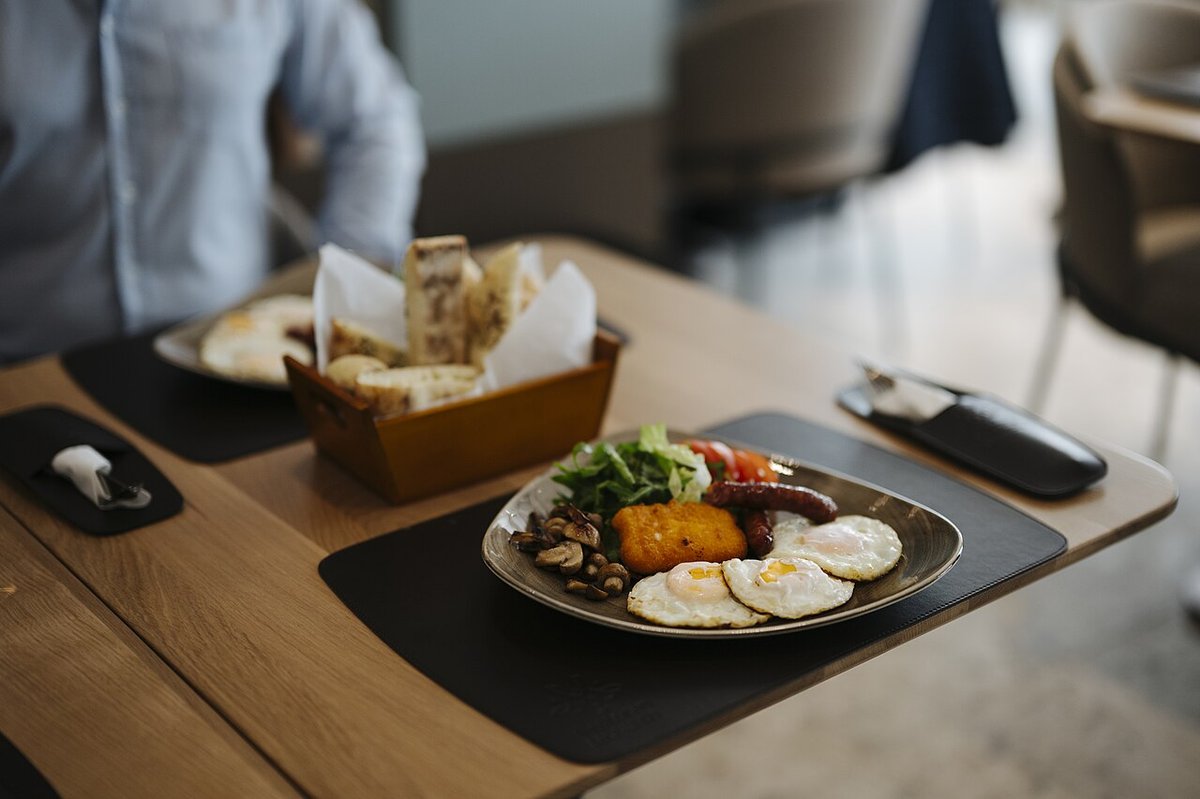
Heart health · November 7, 2026
Three routine blood markers formed a heart-failure risk score. In 198 patients, each step up went with 2.6 times the death hazard — but the study came from one hospital
The score combined inflammation, albumin and lymphocytes and separated two-year survival groups neatly. It predicted risk; it did not show that changing any one blood result would change survival.
Read the analysis
Women's health · November 7, 2026
A brain-health diet score seemed to track with milder premenstrual symptoms. In 405 women, the link disappeared once age and other differences entered the model
Nearly 47% screened positive for PMS, and their food choices changed around symptoms. The study took one snapshot, so it cannot tell whether diet shaped symptoms or symptoms shaped eating.
Read the analysis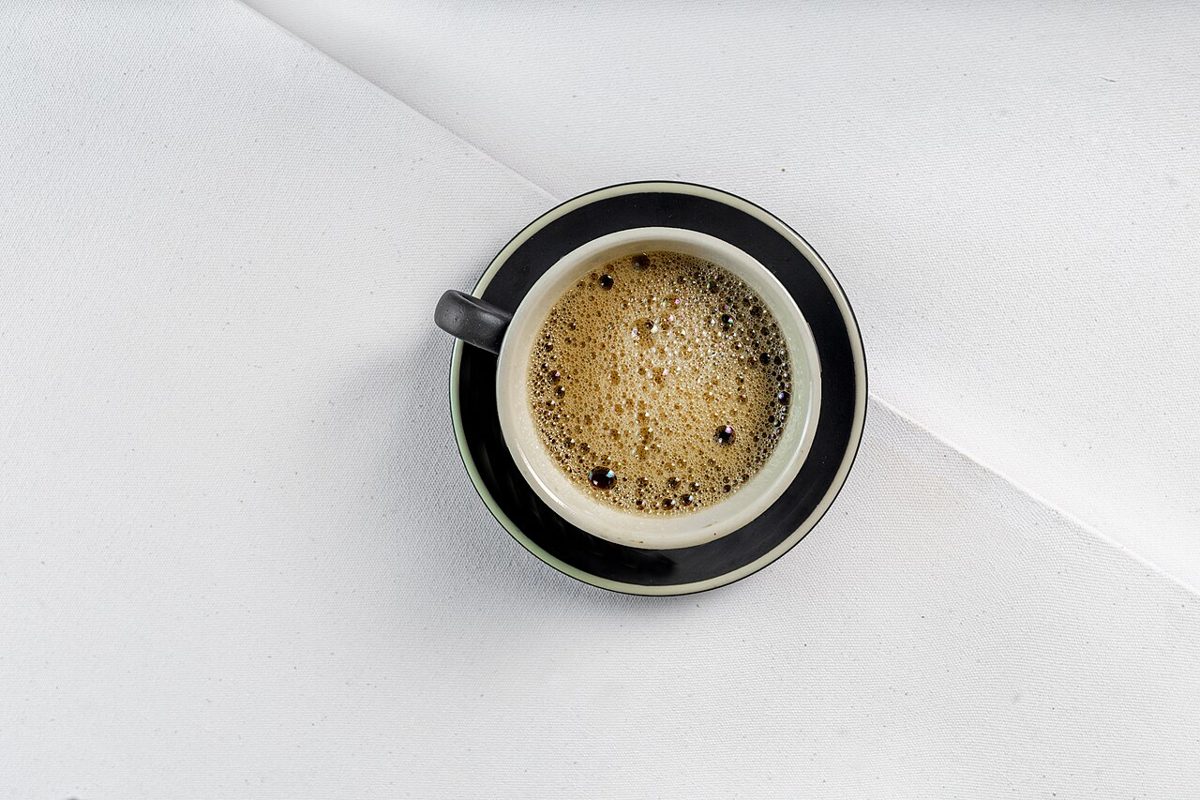
Sports nutrition · November 7, 2026
Caffeine helped sprints and jumps in a 97-study review, not match skills or fatigue. With 1,516 athletes, the clearest result was how uneven the benefits were
Small pooled gains appeared for eight performance categories, while lower-limb skills, real-match technique and endurance did not clearly improve. The analysis could not identify one best dose or format.
Read the analysis
Gut health · November 7, 2026
A 13-part ‘gut microbiota’ diet score tracked with 19% lower bowel-disease risk. In 198,204 UK adults, coffee was the only ingredient that stood alone
Over 9.46 years, 1,170 people developed Crohn's disease or ulcerative colitis. The pattern held after extensive adjustment, but weakened in people with repeated food records and never measured anyone's microbiome.
Read the analysis
Diet and joint health · November 6, 2026
A better polyunsaturated-to-saturated fat ratio barely moved arthritis risk. Across 93,129 adults, the main estimate was a 1.9% difference — and failed a tougher test
Three ageing cohorts produced a statistically significant result by one method and an inconclusive one by another. The paper is a useful lesson in how a very large sample can make a very small association look firmer than it is.
Read the analysis
Pregnancy · November 6, 2026
In 9,008 pregnancies with gestational diabetes, weight gain ran fastest before the diagnosis, then slowed. In women with obesity it stayed above the national target, and a new local range didn't clearly beat the old one
By the time the glucose test comes back, one of the fastest stretches of weight gain is already over. A large hospital study in southern China mapped when the kilos go on, and how much the numbers can really guide a woman's care.
Read the analysis
Mental health · November 6, 2026
Can people with schizophrenia or bipolar disorder keep to a ketogenic diet? In a Queensland trial, 26 of 40 assigned to it finished 12 weeks, and those who did spent 70% of it in ketosis. Whether their symptoms improved is still unreported
Weekly dietitian visits, daily finger pricks and meals people cooked for themselves. The first results from this randomised trial answer a practical question, and only that one.
Read the analysis
Vitamin D · November 6, 2026
Women on placebo reached 57% at the vitamin D target around summer, then slipped. Weekly calcifediol held above 93%, in a drug-maker's analysis of 261 women that didn't test it against ordinary vitamin D
A placebo arm that rose and fell with the calendar and a capsule that didn't make a clean picture. The blood numbers are convincing. What they can and can't tell you depends on who was left out and what the capsule was compared with.
Read the analysis
Child health · November 6, 2026
Follow 463,244 Mexican schoolchildren for four school years and the steepest climb in overweight wasn't among the heaviest children. It was in the third of pupils on the path just below them
A single class weigh-in hides who is drifting and who is stable. Linking the same children year after year in one big registry gave four separate paths, and they split by sex, by town and by how well-off the area was.
Read the analysis
Weight-loss surgery · November 6, 2026
After gastric bypass, the low-prealbumin flag missed about three in four, or more, of the patients losing an outsized share of lean mass. In Lausanne, 178 patients' blood tests and body scans told different stories
Prealbumin dropped, then partly bounced back. Lean mass just kept falling. Swiss researchers compared the old blood marker with body scans for up to three years, and a low result told them little about who was losing the most lean tissue.
Read the analysis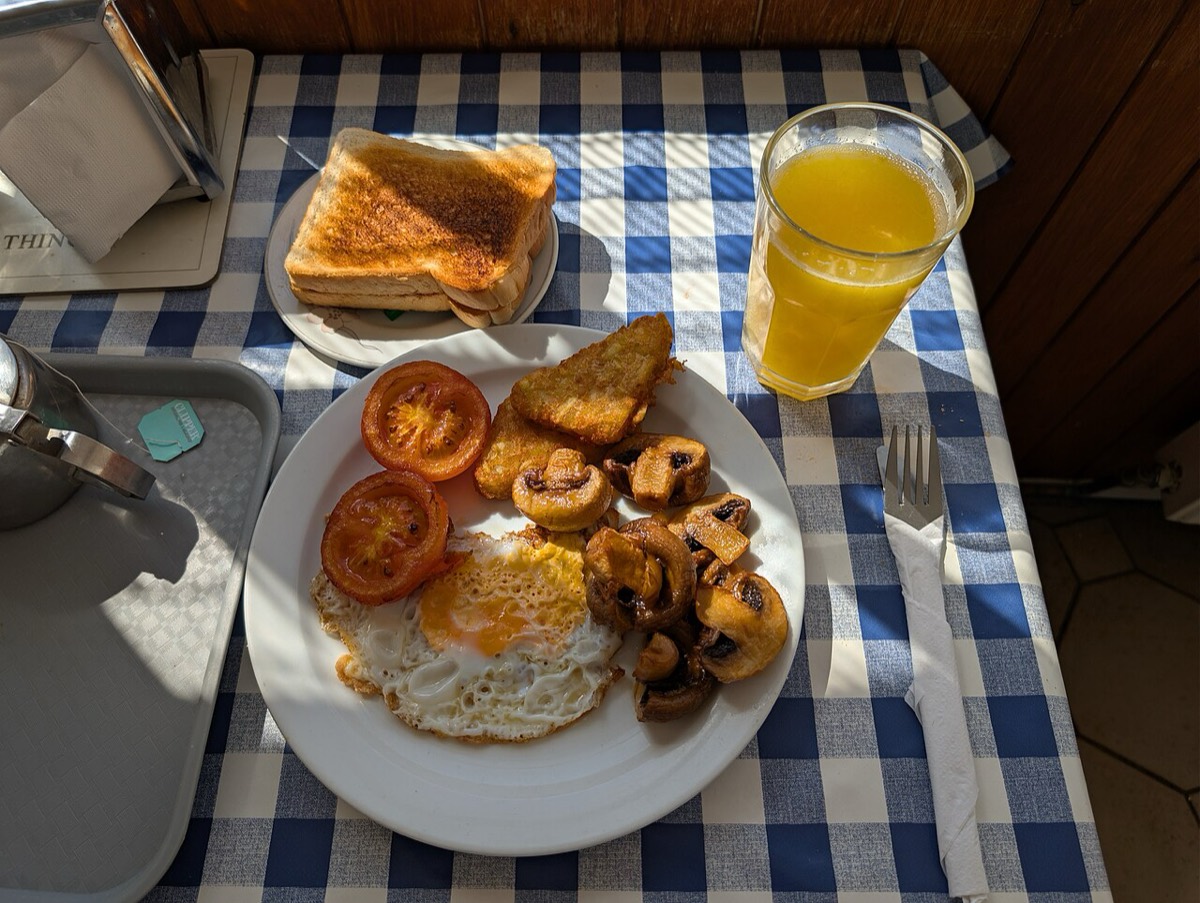
Blood sugar · November 5, 2026
Drink the apple juice 30 minutes before breakfast and the glucose peak dropped by 0.51 mmol/L in 19 young adults. The total glucose rise over the morning didn't move
Same juice, same bread, same egg; only the timing changed. The spike got smaller, but the sugar still went in. A small Beijing trial shows what a lower peak can and can't tell you.
Read the analysis
Population nutrition · November 5, 2026
Reported calories fell year after year in China while BMI kept rising. A 135,235-observation comparison shows why national trends cannot explain one waistline
Across two long-running surveys, Chinese adults reported less energy but gained BMI and waist size; Americans reported stable energy while waists grew. The curves challenge a calories-only story, but they do not track what happened inside the same person.
Read the analysisFrom our articles
Read, then eat a little better
Plain-language guides on nutrition and wellness, backed by research.

Women's health
Inositol for PCOS: the 40:1 ratio, trial doses, and food milligrams
Why do randomized trials in polycystic ovary syndrome prioritize the 40:1 myo to D-chiro inositol ratio? Here is the science behind the ovarian epimerase paradox, clinical ovulation and insulin metrics, and why cantaloupe cannot replace 4,000 mg trial powder.
21 Nov 2026

Everyday eating
Extra virgin olive oil polyphenols: the EU health claim, smoke point myths, and cooking stability
Does extra virgin olive oil degrade when cooked? What does the EU 5 mg polyphenol health claim require, how does oleocanthal act like ibuprofen, and why does oxidative stability matter more than smoke point in domestic frying? Here is the clinical and culinary data.
21 Nov 2026

Food and nutrition
L-theanine and caffeine: what cognitive trials measured on sustained attention, and milligrams in matcha vs green tea
Combining L-theanine with caffeine produces clean focus without caffeine jitters. Here is what randomized trials measured on attention-switching, EEG alpha brain waves, and the exact milligrams across ceremonial matcha, culinary powder, gyokuro, and sencha.
20 Nov 2026
Start with a virtual consultation
Tell Dr. Triveni what you want to change. You will leave with a clear next step, whether you are in Toronto, London, New York or Chennai.