Newsfeed
Nutrition research, analysed
A new analysis every hour. Each one covers a recent study or report: What was found, the numbers behind it and the sources to check. We write about research from the last two weeks, not the news of the day.

Healthy ageing · November 10, 2026
Thirty-one care-home residents ate less energy and several nutrients in summer — yet their muscle measures did not move in one clear direction
Calf circumference increased while women's grip strength fell, a reminder that one winter and one summer food recall cannot explain muscle change.
Read the analysis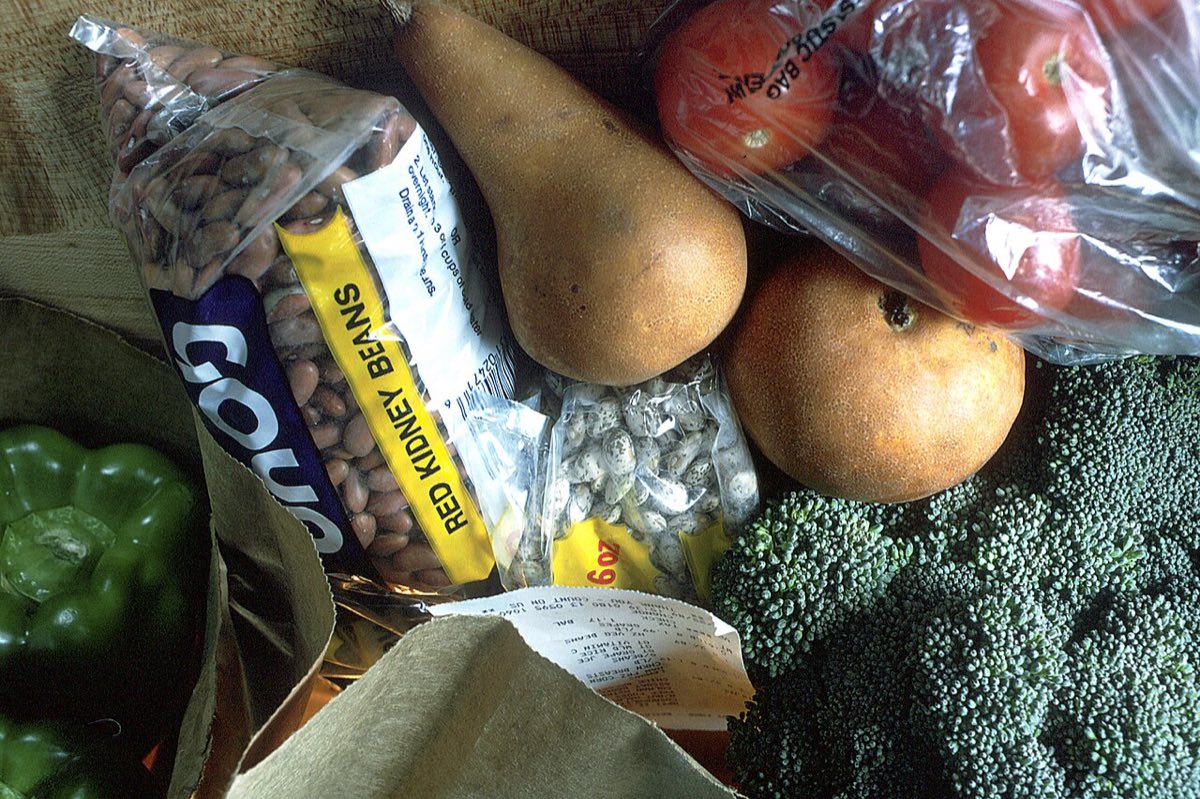
Kidney nutrition · November 10, 2026
A 15-day plant-based programme raised vitamin C by 91 mg in kidney disease — but vitamin B12, vitamin D, zinc and selenium intake fell
Food records from a 40-person pilot show why 'plant-based' is not a complete nutrition prescription, especially when kidney function changes what needs monitoring.
Read the analysis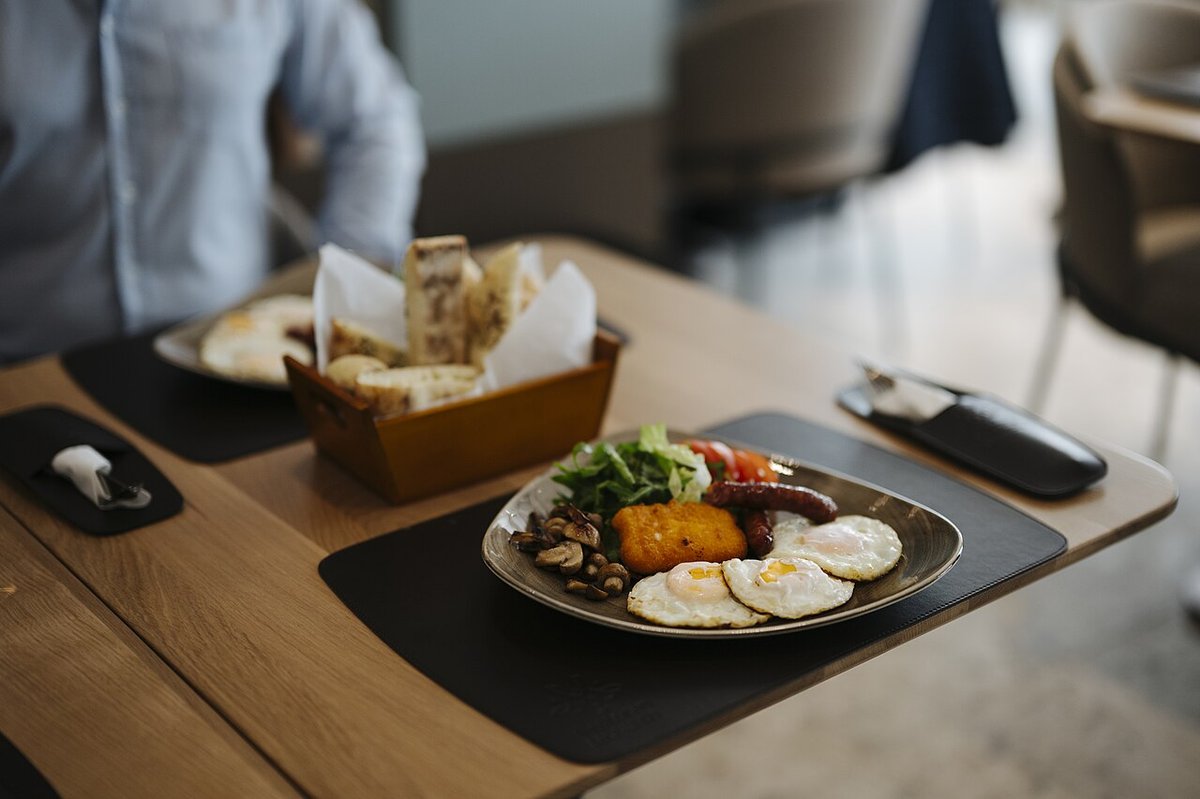
Eating behaviour · November 10, 2026
Seven days of mindful eating raised eating-concern scores in 87 midlife women — while a 0.40 kg weight change was too early to mean much
The assessor-blinded trial found no advantage for blood pressure, waist size or anxiety, and its eating-attitude result moved in an unfavourable direction.
Read the analysis
Child nutrition · November 10, 2026
A vitamin A–microbiome signal came from just 13 at-risk children and 26 matches — useful biology, not a supplement trial
The small case-control study found functional differences in gut microbes without a difference in overall microbial diversity.
Read the analysis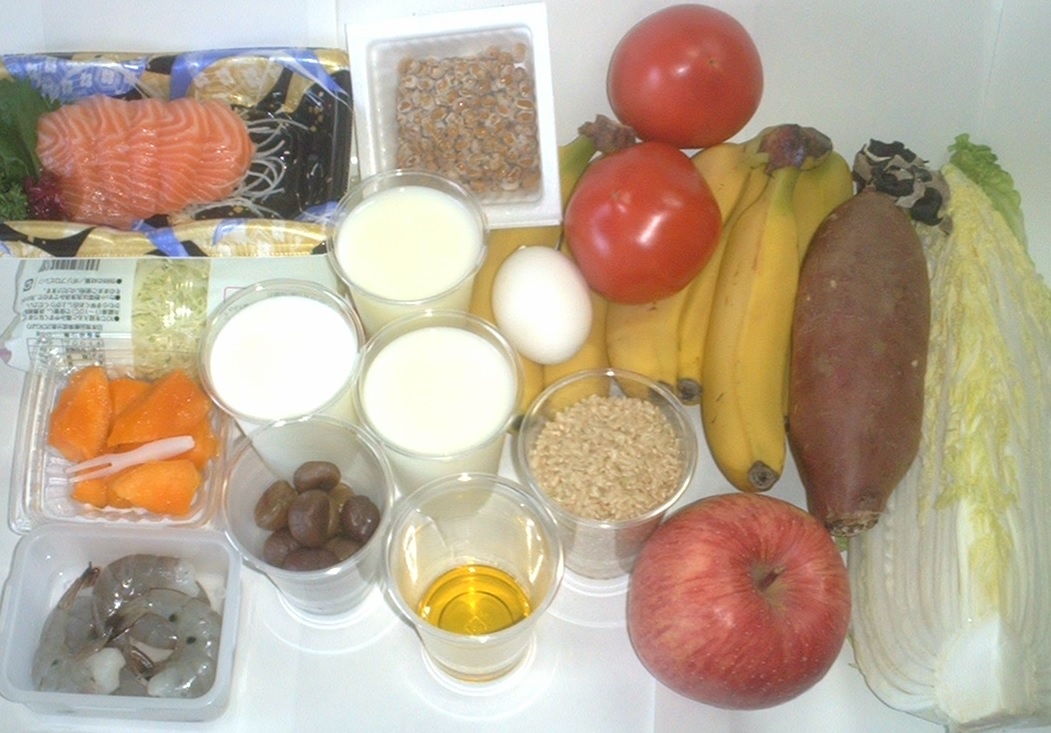
Heart health · November 10, 2026
Stored blood from 690 trial participants showed broader metabolic shifts when DASH was added to lifestyle counselling
The secondary analysis found changes across fats, amino acids and inflammation-related markers, with weight loss appearing to drive much of the pattern.
Read the analysisMen's health · November 10, 2026
Healthier diet scores tracked with slightly different sex-hormone levels in 1,622 older men — not a testosterone treatment
The cross-sectional study and 21-study review found a mixed pattern, with small associations that cannot show diet changed anyone’s hormones.
Read the analysis
Clinical nutrition · November 10, 2026
After at least four days in hospital, only one in three nutritionally at-risk patients met both energy and protein needs
Across seven Danish hospitals, risk was common, appetite symptoms affected half, and adequate intake ranged from 11.8% to 49.4% by hospital.
Read the analysis
Blood sugar · November 10, 2026
One fortified bread added 4.1 percentage points of glucose time-in-range — but only 31 people ate it for two weeks
Lupin, pea protein and wheat fibre improved several sensor readings versus refined bread in a short crossover trial in type 2 diabetes.
Read the analysis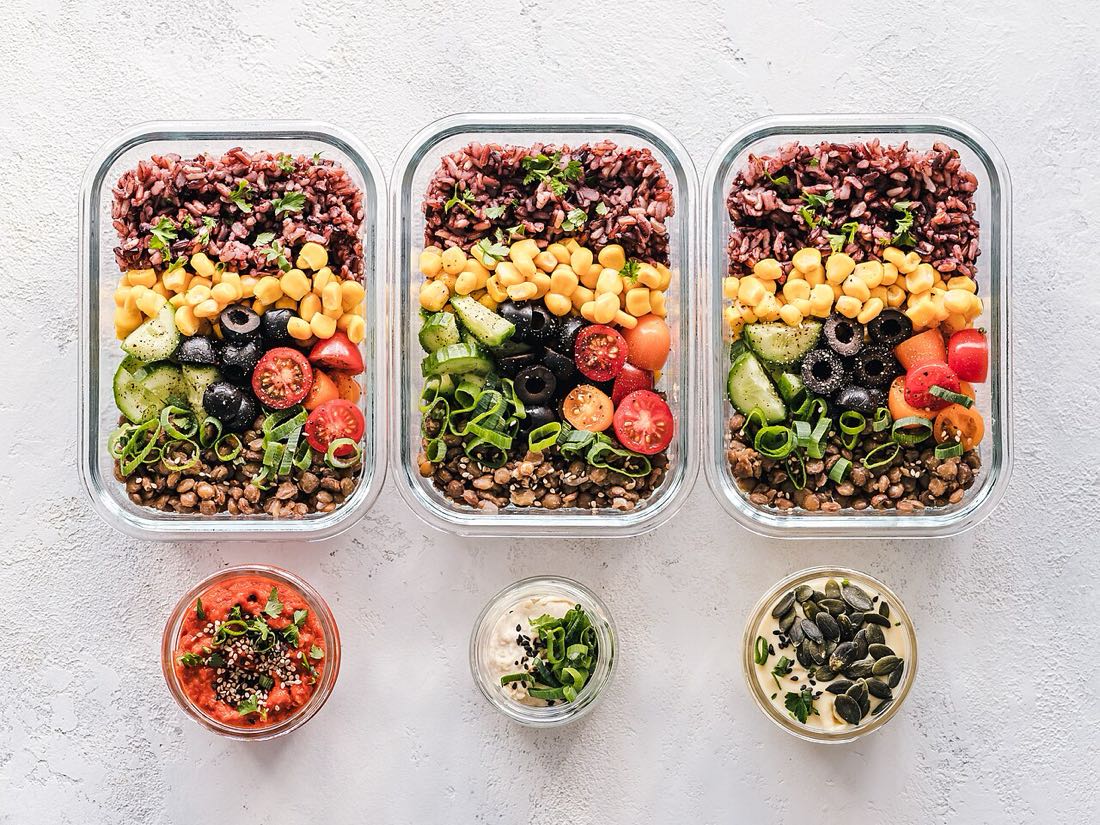
Gut health · November 9, 2026
Three diets ranged from 20% to 60% carbohydrate — the gut microbiome barely told them apart after weight loss
In a 20-week controlled-feeding trial, losing weight shifted gut bacteria more clearly than the carbohydrate-to-fat ratio used to maintain it.
Read the analysis
Sports nutrition · November 9, 2026
Protein changed the gut more than resistance training in 24 mice — with only six animals in each group
The experiment separated diet from exercise, but its small male-mouse groups cannot settle how much protein a person should eat for training.
Read the analysis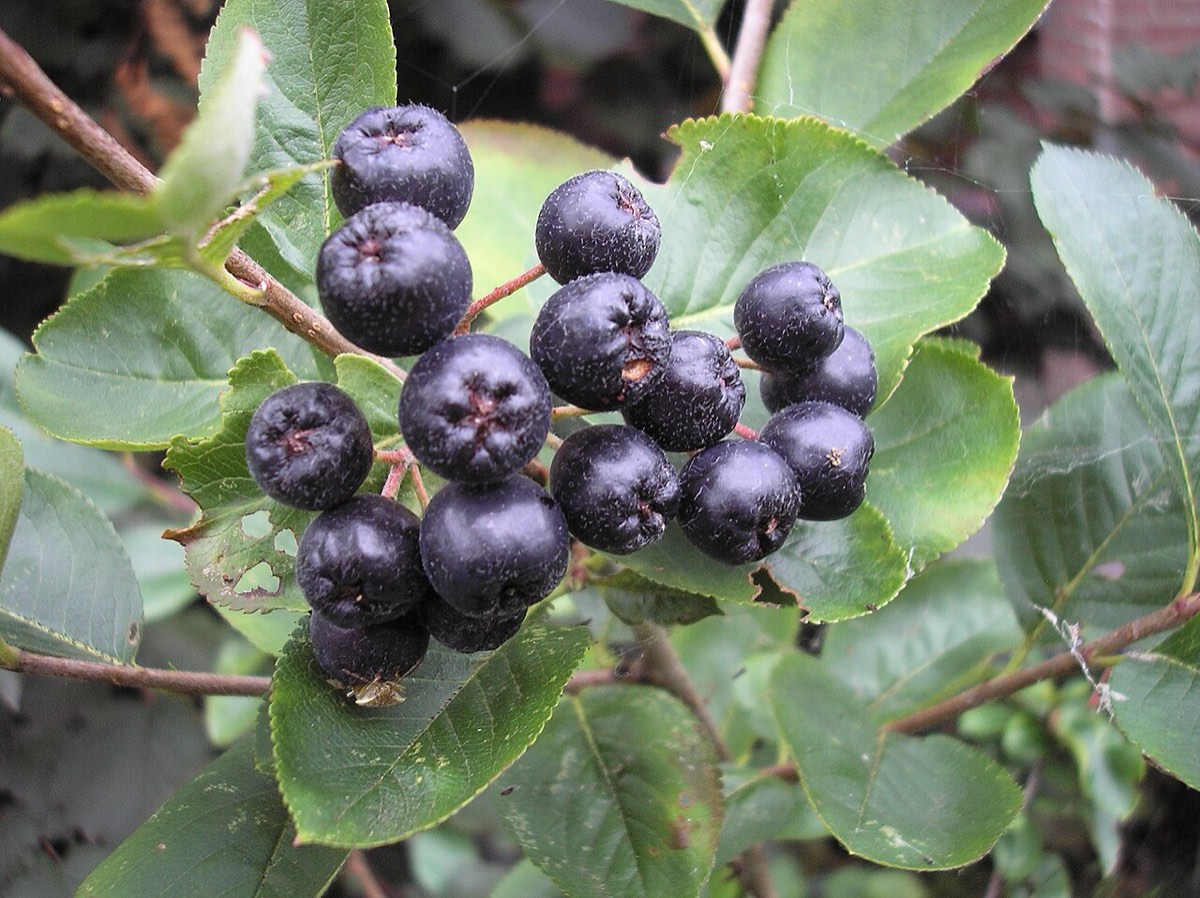
Food science · November 9, 2026
A desert fruit looked most ‘antioxidant’ after methanol extraction — that does not make methanol the best way to eat it
Grewia tenax extracts differed sharply by solvent, illustrating how a laboratory preparation can matter more than a food-health headline suggests.
Read the analysis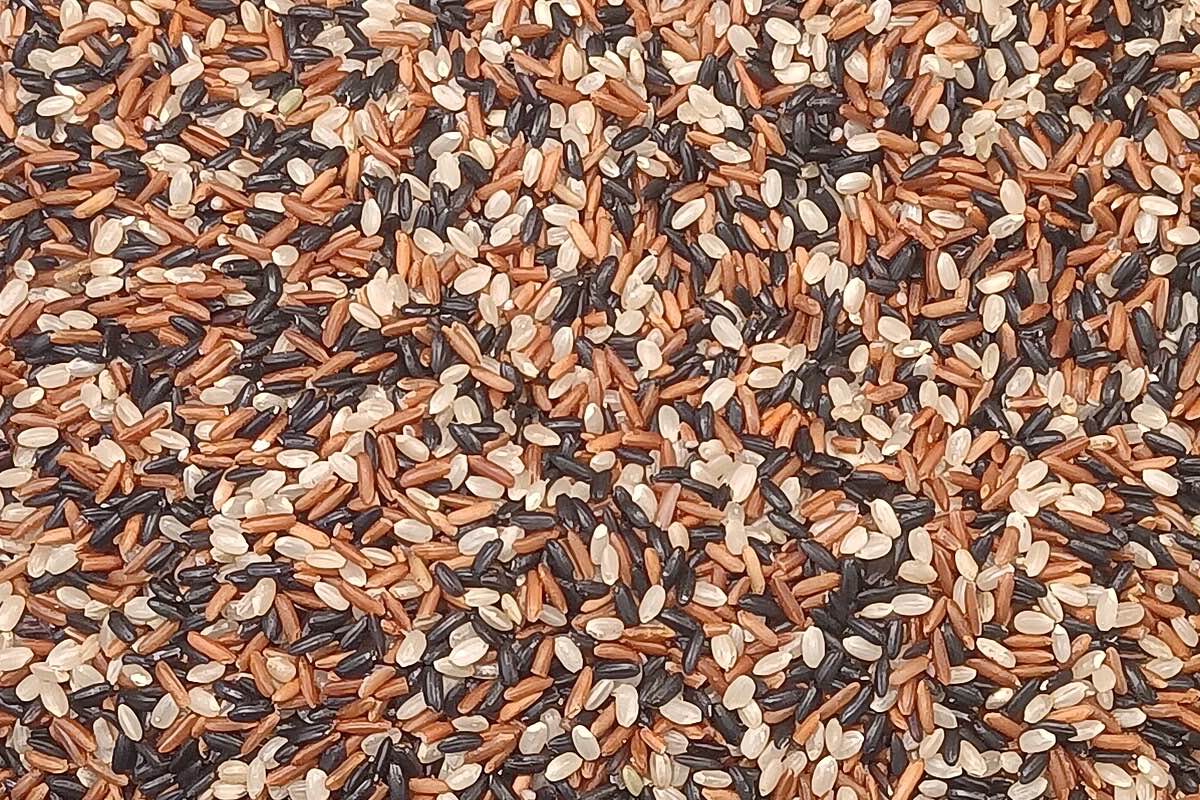
Gut health · November 9, 2026
A rice-bran fibre raised three fermentation acids roughly twofold — in pooled stool from six people, not in their bodies
The 24-hour laboratory experiment changed bacteria and acidity, a useful prebiotic lead that still needs a controlled feeding trial.
Read the analysisFrom our articles
Read, then eat a little better
Plain-language guides on nutrition and wellness, backed by research.

Women's health
Inositol for PCOS: the 40:1 ratio, trial doses, and food milligrams
Why do randomized trials in polycystic ovary syndrome prioritize the 40:1 myo to D-chiro inositol ratio? Here is the science behind the ovarian epimerase paradox, clinical ovulation and insulin metrics, and why cantaloupe cannot replace 4,000 mg trial powder.
21 Nov 2026

Everyday eating
Extra virgin olive oil polyphenols: the EU health claim, smoke point myths, and cooking stability
Does extra virgin olive oil degrade when cooked? What does the EU 5 mg polyphenol health claim require, how does oleocanthal act like ibuprofen, and why does oxidative stability matter more than smoke point in domestic frying? Here is the clinical and culinary data.
21 Nov 2026

Food and nutrition
L-theanine and caffeine: what cognitive trials measured on sustained attention, and milligrams in matcha vs green tea
Combining L-theanine with caffeine produces clean focus without caffeine jitters. Here is what randomized trials measured on attention-switching, EEG alpha brain waves, and the exact milligrams across ceremonial matcha, culinary powder, gyokuro, and sencha.
20 Nov 2026
Start with a virtual consultation
Tell Dr. Triveni what you want to change. You will leave with a clear next step, whether you are in Toronto, London, New York or Chennai.