Healthy ageing · November 10, 2026
Thirty-one care-home residents ate less energy and several nutrients in summer — yet their muscle measures did not move in one clear direction
Calf circumference increased while women's grip strength fell, a reminder that one winter and one summer food recall cannot explain muscle change.
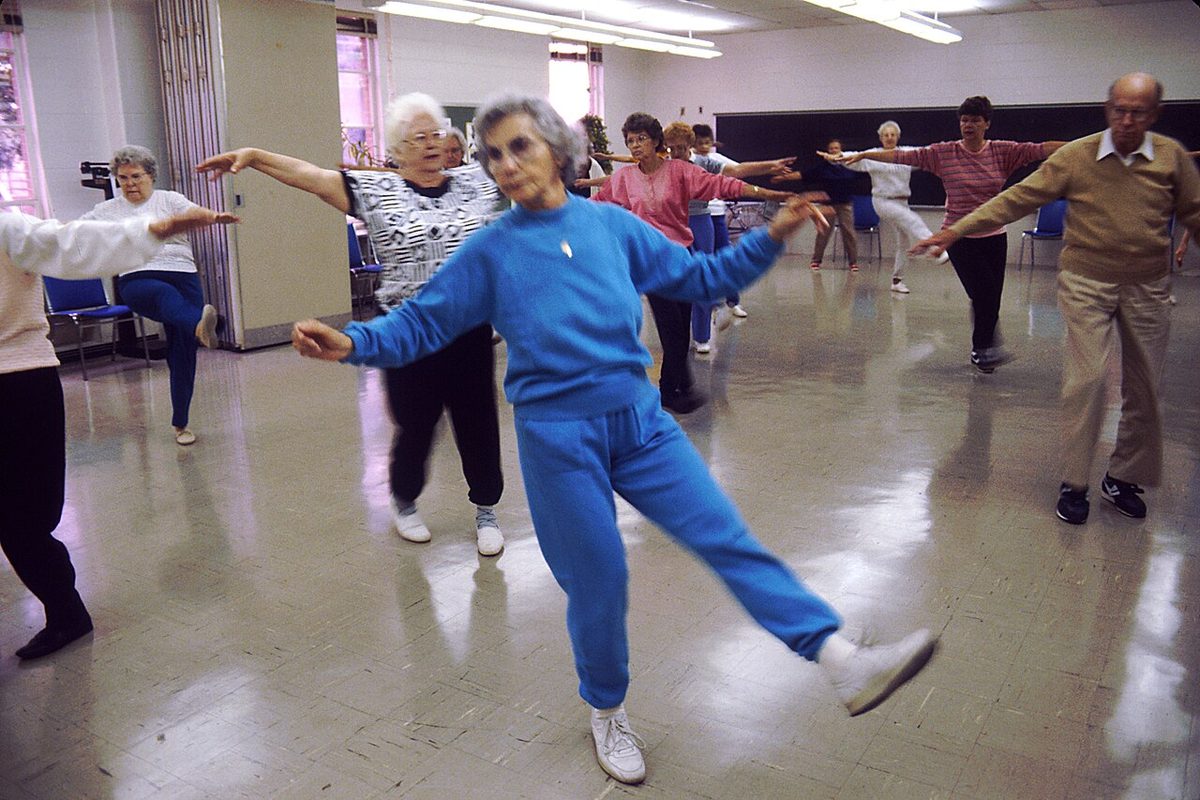
A menu that looks adequate on an annual average can still vary with season. Researchers in Türkiye assessed 31 residents of one long-term-care facility in winter and again in summer. Their mean age was 75.4 years, and 23 were men. Each assessment included body measurements, physical activity, Mediterranean-diet adherence and a single 24-hour food recall.
Reported energy and carbohydrate intake were lower in summer, particularly among men. Leucine, omega-3 and omega-6 fats, zinc and selenium also fell. Mediterranean-diet scores and physical activity did not change significantly between seasons.
The muscle-related results did not form a simple nutrition story. Calf circumference increased overall and among men, while handgrip strength decreased among women. With only eight women, that sex-specific result is especially fragile. A larger calf measurement can also reflect more than muscle, and a single day's recall in each season may not represent usual intake.
The study is best treated as a signal for care homes to review menus and intake across the year, not evidence that summer causes muscle loss. Repeated food records, direct body-composition measurements and multiple facilities would be needed to test that.
Winter-to-summer diet and muscle measures in one Turkish long-term-care facility (European Geriatric Medicine, 6 November 2026)
31
Residents assessed in both winter and summer
75.4 years
Mean age
74.2%
Participants who were men
1 recall
One 24-hour food recall in each season
Stable
Mediterranean-diet adherence and physical activity
Exploratory repeated-measures study in one facility. Seasonal associations cannot show that dietary changes caused the muscle-measure changes.
- Handgrip strength is often used as a quick marker of muscle function, but it is influenced by pain, motivation and technique.
- Leucine is an essential amino acid involved in signalling muscle-protein synthesis.
- A 24-hour recall describes one day; several non-consecutive recalls are usually needed to estimate an individual's usual intake.
- Seasonal variation in dietary intake and its association with muscle-related parameters among institutionalized older adultsEuropean Geriatric Medicine / PubMed · Primary abstract with the sample, methods and seasonal results. Published 6 November 2026.
- Article DOI recordEuropean Geriatric Medicine · Journal record for the study.
General information, not medical advice. Appetite loss, unplanned weight loss or declining strength in an older adult deserves assessment by a clinician and dietitian rather than a supplement chosen from one study.
Analysis by NutroPractic from the sources listed. Written for general readers; it does not replace advice from your own doctor.
From our articles
Our guides on this subject
Plain-language guides on nutrition and wellness, backed by research.
Medicines and nutrition
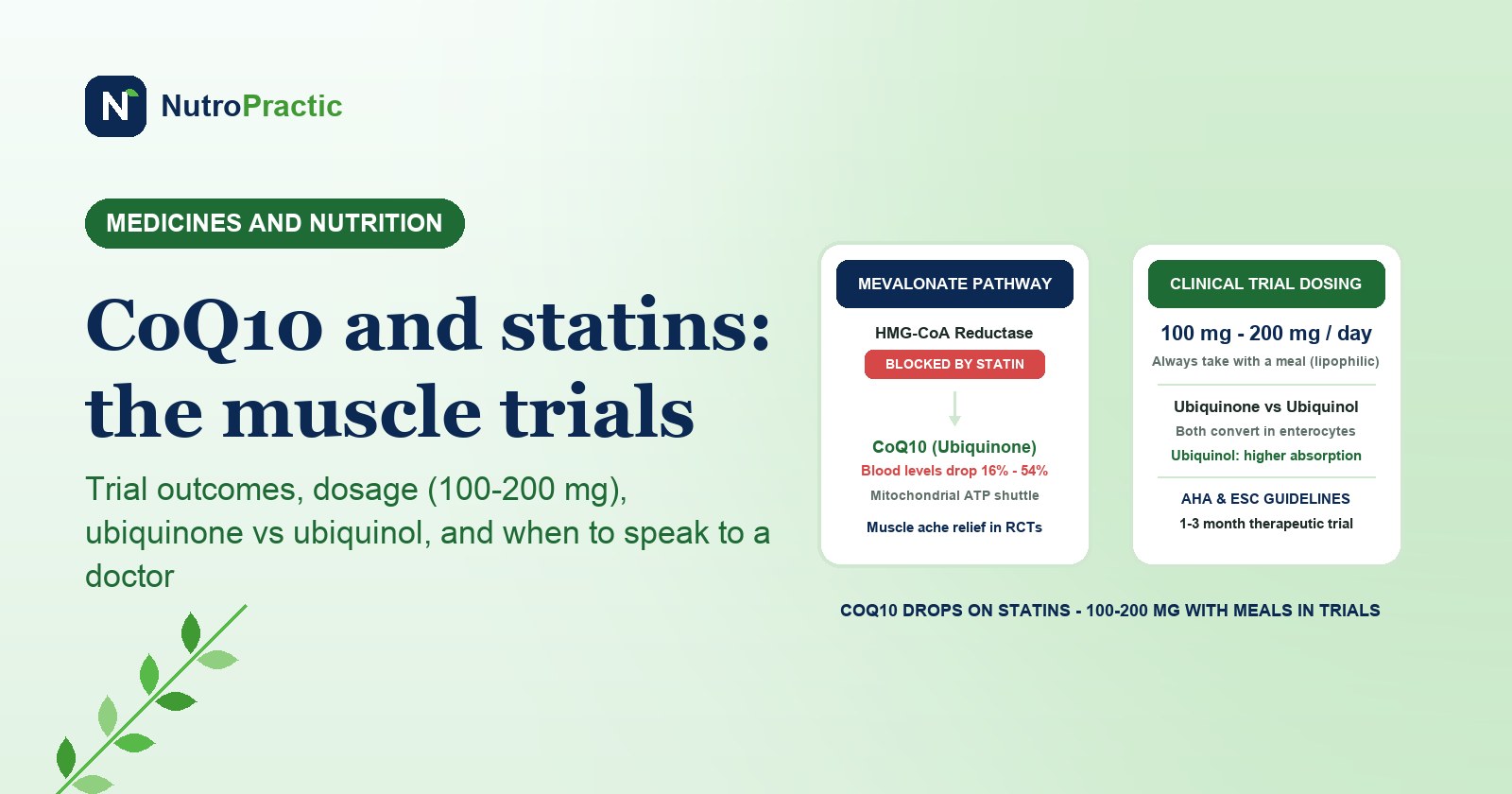
CoQ10 and statins: what the muscle symptom trials found, and who might benefit
Statin-associated muscle symptoms lead up to 30% of patients to discontinue life-saving cholesterol therapy. While statins deplete circulating CoQ10 by 16% to 54%, randomized clinical trials show mixed results for myalgia relief. Explore the trials, ubiquinone vs ubiquinol bioavailability, recommended doses, and clinical guideline recommendations.
14 Nov 2026

Women's wellness and nutrition
Creatine for women: cognitive performance, menstrual cycle phases, and bone density beyond muscle building
Creatine is widely stereotyped as a bodybuilding supplement for men, but female physiology tells a very different story. Women exhibit 70% to 80% lower endogenous creatine stores, reduced dietary intake, and cyclical fluctuations in brain creatine kinase across the follicular and luteal phases. Robust clinical trials demonstrate that 3 to 5 grams of daily creatine monohydrate enhances cognitive performance during sleep deprivation, augments clinical response in unipolar depression, preserves femoral neck bone geometry in postmenopausal women, and causes cellular intracellular hydration rather than subcutaneous bloating.
13 Nov 2026
Healthy ageing
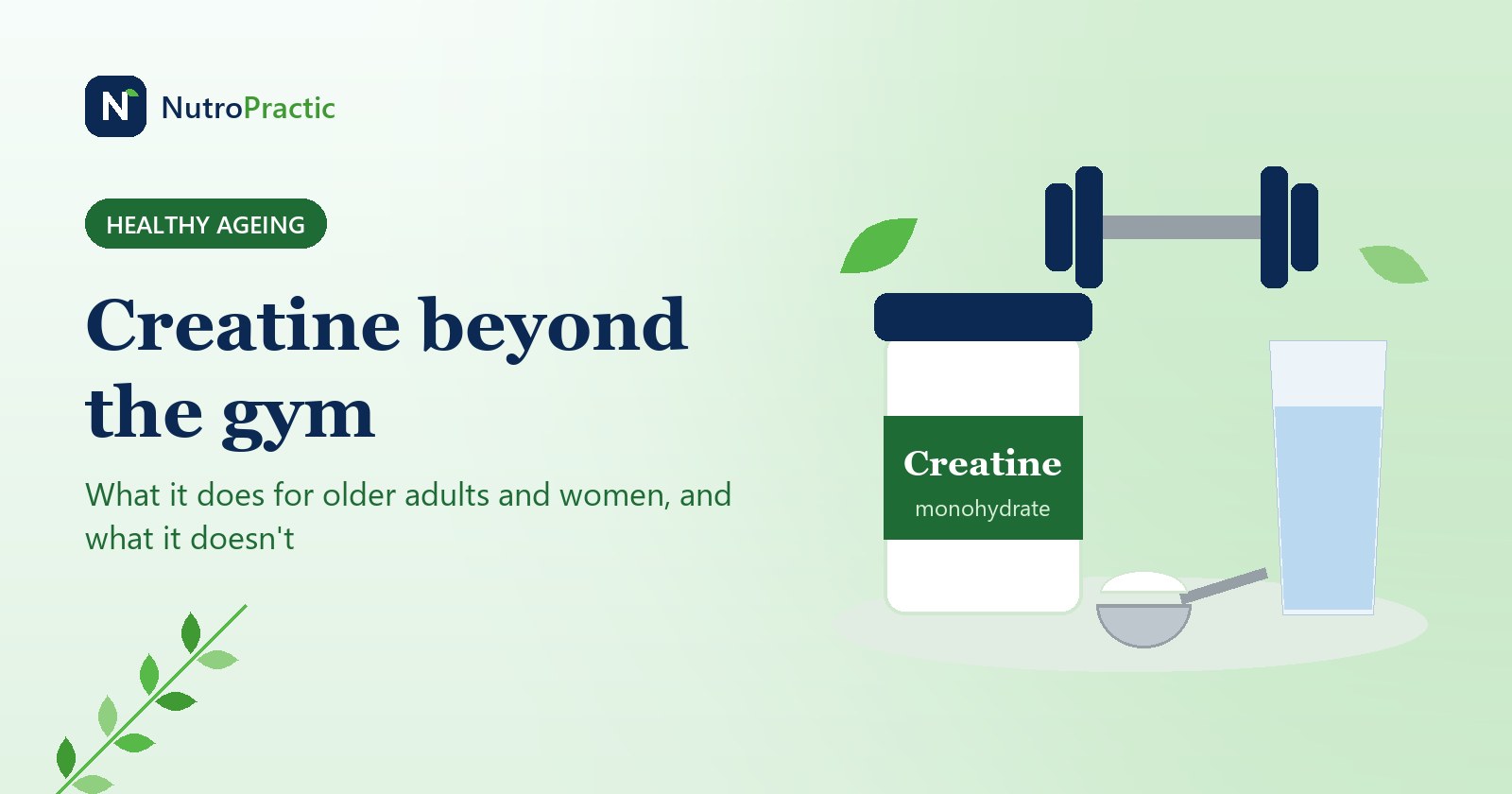
Creatine beyond the gym: what it does for older adults and women, and what it doesn't
Across 22 trials, adults in their late fifties to seventies who took creatine while doing resistance training gained about 1.4 kg more lean mass than those who trained without it. Two two-year trials found it did nothing for bone density after menopause. Where the evidence is solid, where it's early (memory, short nights), how much to take, and who should leave it alone.
10 Oct 2026
Newsfeed for your website
Want this feed on your website?
Add it to any site with one copy-and-paste snippet. No sign-up, and it updates itself every hour.
Start with a virtual consultation
Tell Dr. Triveni what you want to change. You will leave with a clear next step, whether you are in Toronto, London, New York or Chennai.