Food science · November 9, 2026
A desert fruit looked most ‘antioxidant’ after methanol extraction — that does not make methanol the best way to eat it
Grewia tenax extracts differed sharply by solvent, illustrating how a laboratory preparation can matter more than a food-health headline suggests.
Researchers ground whole Grewia tenax fruit, a wild food eaten in arid regions, and compared what methanol, ethanol and water pulled from it. They measured phenolic acids and ran three chemical antioxidant assays. This was food-characterization work: nobody ate an extract and no disease marker was measured.
Methanol recovered six detectable phenolic acids and 917.5 micrograms of gallic acid per gram, compared with 136.5 for ethanol and 188.2 for water. In the DPPH radical-scavenging test, activity was 59.11% for methanol, 55.07% for ethanol and 52.14% for water, all below the 89.01% ascorbic-acid reference.
The highest laboratory reading came from methanol, a solvent used for chemical extraction rather than eating. Antioxidant test-tube activity does not predict absorption, metabolism or a clinical benefit, and the study did not compare ordinary preparation methods or serving sizes. Its practical value is showing researchers which compounds are present and how strongly the extraction method shapes the result.
The solvent changed the headline
3 solvents
Methanol, ethanol and water compared
917.5 µg/g
Gallic acid in the methanol extract
136.5 µg/g
Gallic acid in the ethanol extract
188.2 µg/g
Gallic acid in the water extract
0 people
No absorption or health outcome tested
Chemical extraction and in vitro antioxidant assays. The findings characterize compounds; they do not establish a health effect from eating the fruit.
- DPPH is a purple laboratory radical whose colour fades when it reacts with reducing compounds.
- A solvent can extract more of one compound while being unsuitable for a food or supplement.
- Water recovered fewer phenolic acids but more gallic acid than ethanol in this experiment.
- The body transforms many plant compounds before they reach tissues, so a test-tube ranking may not survive digestion.
- Influence of solvent extraction on phenolic profile using HPLC–PDA, antioxidant activity, and nutritional values of Grewia tenax fruitsFrontiers in Nutrition, 4 November 2026 · Primary food-chemistry study; extraction methods, gallic-acid quantities, DPPH values and non-clinical limitation checked against the full paper.
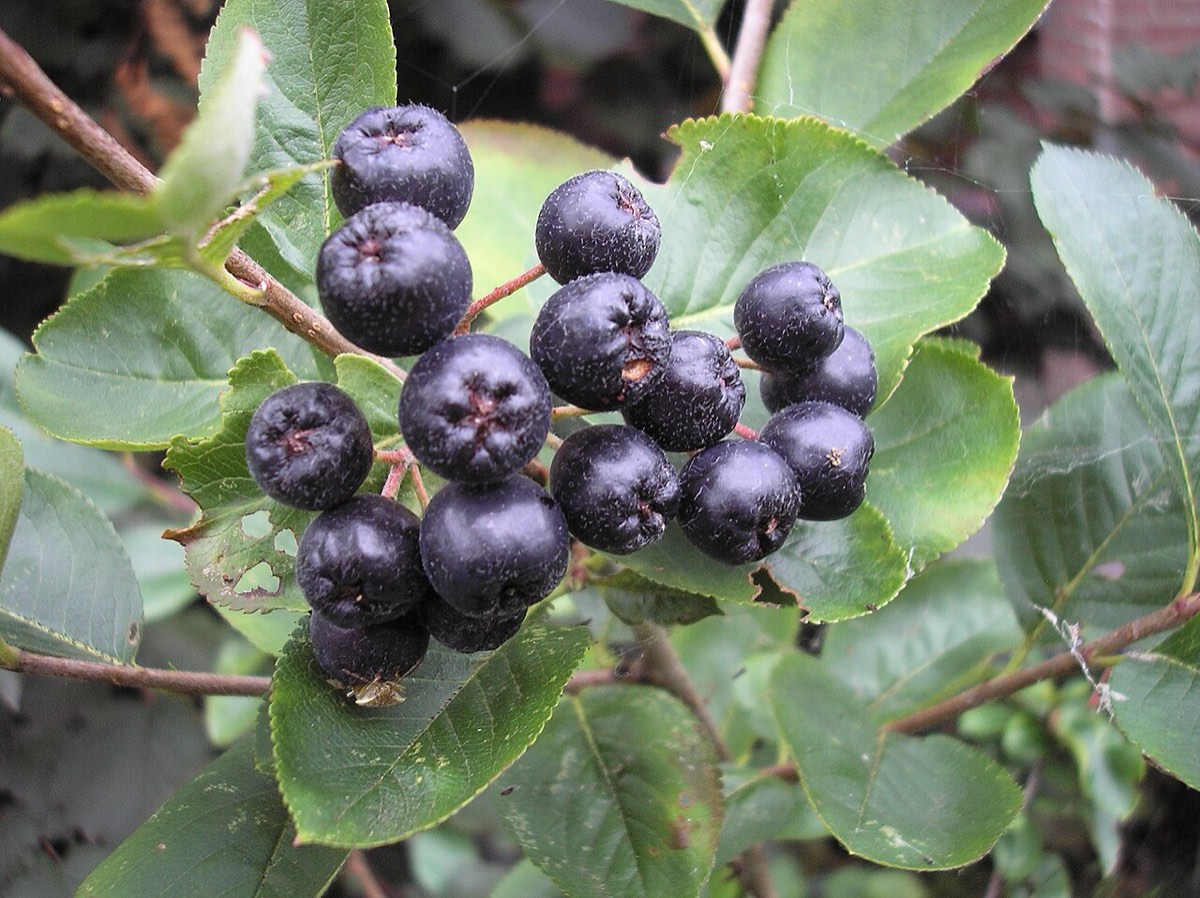
- Aronia berriesWikimedia Commons · MiraculixHB; public domain; a different berry used only as a general illustration.
General information, not medical advice. Laboratory antioxidant activity does not show that a fruit or extract prevents or treats disease, and laboratory solvents should never be consumed.
Analysis by NutroPractic from the sources listed. Written for general readers; it does not replace advice from your own doctor.
From our articles
Read, then eat a little better
Plain-language guides on nutrition and wellness, backed by research.

Women's health
Inositol for PCOS: the 40:1 ratio, trial doses, and food milligrams
Why do randomized trials in polycystic ovary syndrome prioritize the 40:1 myo to D-chiro inositol ratio? Here is the science behind the ovarian epimerase paradox, clinical ovulation and insulin metrics, and why cantaloupe cannot replace 4,000 mg trial powder.
21 Nov 2026

Everyday eating
Extra virgin olive oil polyphenols: the EU health claim, smoke point myths, and cooking stability
Does extra virgin olive oil degrade when cooked? What does the EU 5 mg polyphenol health claim require, how does oleocanthal act like ibuprofen, and why does oxidative stability matter more than smoke point in domestic frying? Here is the clinical and culinary data.
21 Nov 2026

Food and nutrition
L-theanine and caffeine: what cognitive trials measured on sustained attention, and milligrams in matcha vs green tea
Combining L-theanine with caffeine produces clean focus without caffeine jitters. Here is what randomized trials measured on attention-switching, EEG alpha brain waves, and the exact milligrams across ceremonial matcha, culinary powder, gyokuro, and sencha.
20 Nov 2026
Newsfeed for your website
Want this feed on your website?
Add it to any site with one copy-and-paste snippet. No sign-up, and it updates itself every hour.
Start with a virtual consultation
Tell Dr. Triveni what you want to change. You will leave with a clear next step, whether you are in Toronto, London, New York or Chennai.