Kidney nutrition · November 10, 2026
A 15-day plant-based programme raised vitamin C by 91 mg in kidney disease — but vitamin B12, vitamin D, zinc and selenium intake fell
Food records from a 40-person pilot show why 'plant-based' is not a complete nutrition prescription, especially when kidney function changes what needs monitoring.
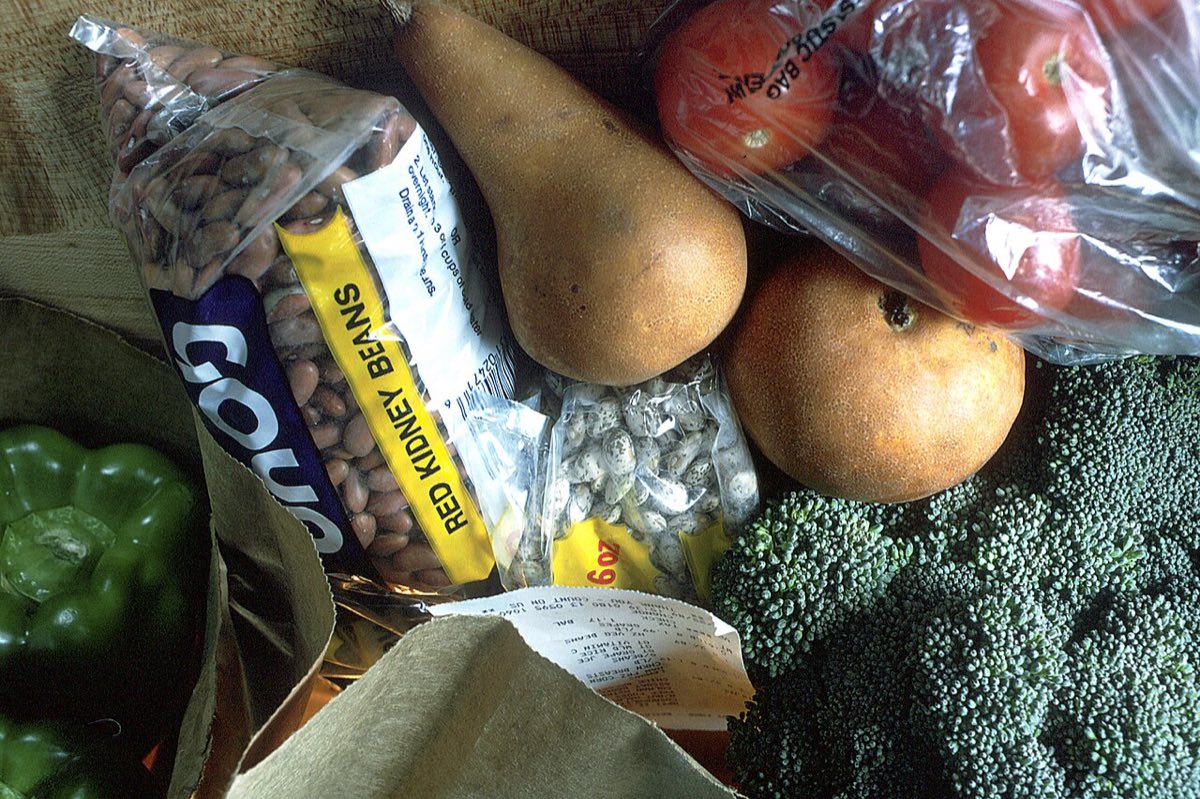
People with chronic kidney disease are sometimes encouraged to eat more plant foods, but the word 'plant-based' says little about whether a particular menu supplies enough vitamins and minerals. A secondary analysis published on 5 November examined three-day food records from 40 adults with stage 3 or 4 kidney disease. Twenty received a 15-day low-fat whole-food plant-based nutrition programme and 20 continued usual care.
Compared with the control group's change, the programme group's reported intake rose by about 91 mg for vitamin C, 135 micrograms for vitamin K, 73 micrograms for folate and 97 mg for magnesium. Added sugar fell by about 21.6 g. Those shifts show that a short education programme changed recorded food choices in the intended direction.
The trade-offs were just as clear. Reported vitamin B12 fell by 2.67 micrograms, vitamin D by 3.05 micrograms, selenium by 37.4 micrograms and zinc by 2.78 mg relative to the control change. Calcium and riboflavin also fell, while oxalate rose by 184 mg. In kidney disease, those numbers cannot be translated into a generic list of supplements: needs depend on kidney function, medicines, laboratory results and the rest of the diet.
This was a small, brief pilot based on food records, not blood nutrient status or long-term clinical outcomes. It supports structured dietitian guidance rather than the idea that every plant-heavy menu is automatically complete.
Micronutrient changes during a low-fat whole-food plant-based programme in stage 3–4 CKD (Journal of Renal Nutrition, 5 November 2026)
40
Adults: 20 programme and 20 usual care
15 days
Length of the nutrition programme
+90.55 mg
Between-group difference in vitamin C change
−2.67 µg
Between-group difference in vitamin B12 change
+183.60 mg
Between-group difference in oxalate change
Secondary analysis of self-reported three-day food records in a pilot trial. It measured intake, not nutrient status or kidney outcomes.
- Stage 3–4 chronic kidney disease covers a wide range of remaining kidney function, so advice must be individualised.
- Vitamin B12 is naturally concentrated in animal foods; people eating fully plant-based diets generally need a reliable fortified source or supplement chosen with a clinician.
- Oxalate is present in many plant foods, but its health relevance depends on total diet, absorption and a person's kidney-stone risk.
- Impacts of a low fat whole food plant-based diet on vitamin and mineral intake in advanced CKD populationsJournal of Renal Nutrition / PubMed · Primary abstract with allocation, food-record method and nutrient changes. Published 5 November 2026.
- Article DOI recordJournal of Renal Nutrition · Journal record for the secondary analysis.
General information, not medical advice. Chronic kidney disease can change safe amounts of potassium, phosphorus, protein, fluids and supplements. Do not make a restrictive diet or supplement change without your kidney clinician or renal dietitian.
Analysis by NutroPractic from the sources listed. Written for general readers; it does not replace advice from your own doctor.
From our articles
Our guides on this subject
Plain-language guides on nutrition and wellness, backed by research.
Micronutrients
Vitamin D and B12: two common gaps, from northern winters to vegetarian kitchens
Vitamin D runs low in Canadian and European winters, and surprisingly often in sunny India too. Vitamin B12 is a risk for vegetarians, people over 50 and people on certain medicines. Who is at risk, what the official advice is in North America, Europe and India, and where to get both.
3 Oct 2026
Women's health
Eating while breastfeeding: extra calories, iodine, caffeine, fish and alcohol, with the actual numbers
Breastfeeding usually adds about 330–400 kcal a day, but the smaller numbers can matter more: 290 mcg iodine, 400 IU vitamin D for baby, 8–12 oz fish a week, and a caffeine total you can actually add up.
6 Nov 2026
Micronutrients
Iodine: the nutrient that plant-based milks and sea salt left out
Iodine runs the thyroid and builds a baby's brain, and in the UK, much of Europe and parts of North America women of childbearing age are now mildly short of it. The reason is often a healthy-looking swap: oat milk for dairy, sea salt for table salt. Where iodine comes from, who needs more, and the seaweed trap.
30 Oct 2026
Newsfeed for your website
Want this feed on your website?
Add it to any site with one copy-and-paste snippet. No sign-up, and it updates itself every hour.
Start with a virtual consultation
Tell Dr. Triveni what you want to change. You will leave with a clear next step, whether you are in Toronto, London, New York or Chennai.