Gut health · November 9, 2026
Three diets ranged from 20% to 60% carbohydrate — the gut microbiome barely told them apart after weight loss
In a 20-week controlled-feeding trial, losing weight shifted gut bacteria more clearly than the carbohydrate-to-fat ratio used to maintain it.
Researchers studied the gut microbiome within the Framingham State Food Study, a controlled feeding trial in adults with overweight or obesity. After participants lost about 12% of their starting weight, 164 were assigned for 20 weeks to diets providing 20%, 40% or 60% of energy from carbohydrate. Protein stayed at 20%, while fat changed in the opposite direction.
Weight loss itself produced substantial changes in the microbial community. During maintenance, however, the three carbohydrate-to-fat ratios did not produce detectable differences in overall microbiome composition. One genus, Shuttleworthia, rose and fell alongside maintenance of total energy expenditure, but that correlation cannot show that the bacterium controlled energy use.
Providing food and separating carbohydrate from fat are strengths, but this was an ancillary microbiome analysis rather than a test of digestive symptoms or long-term disease. Stool samples also describe only part of the intestinal ecosystem. The result challenges a simple claim that lowering carbohydrate reliably creates a distinct 'better' microbiome; it does not decide which diet is best for an individual.
A wide macronutrient contrast, little microbial separation
164
Adults randomized after initial weight loss
20 weeks
Controlled weight-maintenance feeding
20% / 40% / 60%
Energy from carbohydrate in the three diets
20%
Energy from protein in every group
No clear difference
Overall microbiome composition between diet groups
Ancillary analysis of a randomized controlled-feeding trial. Microbiome outcomes were secondary, and an association with one bacterial genus does not establish cause.
- A controlled-feeding study supplies food, reducing uncertainty about what participants actually ate.
- A stool sample mainly represents microbes in the large intestine, not every part of the digestive tract.
- Carbohydrate and fat changed together here, while protein was held constant.
- Two diets can affect blood markers differently even when their average gut-microbe profiles look similar.
- Effects of dietary carbohydrate-to-fat ratio on the gut microbiome following weight lossCell Reports Medicine, 6 November 2026 · Primary randomized controlled-feeding ancillary study; diet ratios, duration, microbiome result and Shuttleworthia association checked against the open article summary.
- A randomized study of dietary composition during weight-loss maintenance: rationale, study design, intervention, and assessmentContemporary Clinical Trials, 2018 · Trial design source for randomization, weight-loss run-in, sample and controlled diet composition.
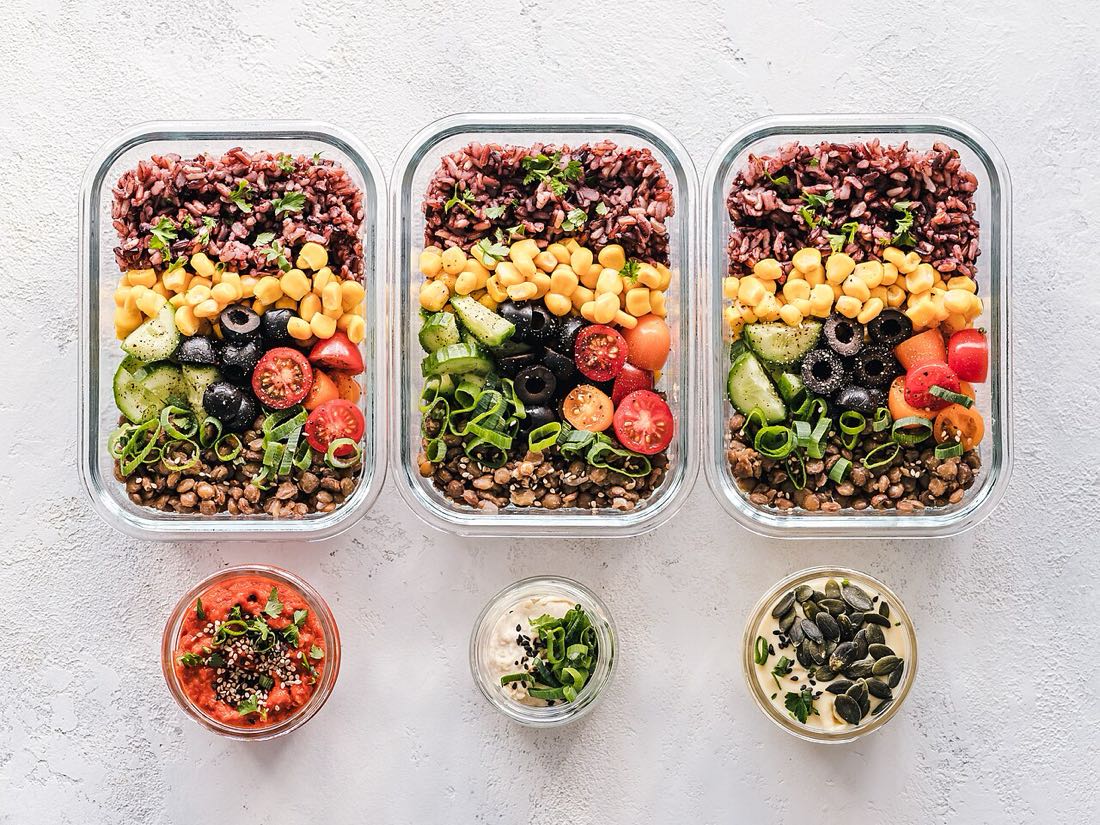
- Meal prep glass containerWikimedia Commons · Ella Olsson; CC BY 2.0; general diet illustration only.
General information, not medical advice. Macronutrient needs differ with medicines, diabetes, kidney disease, digestive symptoms and personal preferences; discuss major diet changes with a qualified clinician or dietitian.
Analysis by NutroPractic from the sources listed. Written for general readers; it does not replace advice from your own doctor.
From our articles
Our guides on this subject
Plain-language guides on nutrition and wellness, backed by research.

Gut health
Probiotic capsules: which ones have trial evidence, what they can do, and when to skip them
Children on antibiotics: 8% got diarrhoea with a probiotic, 19% without. Older hospital patients: 10.8% with, 10.4% without. Which capsules have evidence, what three guidelines say about IBS, what a course costs per case prevented, and who shouldn't take them.
2 Nov 2026

Gut health
Gluten-free without coeliac disease: who actually benefits, and what the blinded gluten challenges found
In blinded trials only 16% of people who said gluten made them ill reacted to gluten rather than placebo, and in Oslo fructans caused more bloating than gluten. Who really needs to avoid it, how to get tested before you stop, how much gluten is in a slice of bread or a roti, and what gluten-free food costs (159% more in the UK) and lacks.
1 Nov 2026
Gut health
Lactose intolerance: how much milk most people can actually tolerate, and which dairy is easiest
Most adults who don't digest lactose well still handle about 12 g at once, roughly a 250 ml glass of milk, in blinded trials. What the 12 g studies found, a lactose table for milk, yoghurt, cheese, chai and dahi, how lactase tablets and A2 milk compare, why the famous 68% figure was retracted, and how to keep calcium up if you cut back.
25 Oct 2026
Newsfeed for your website
Want this feed on your website?
Add it to any site with one copy-and-paste snippet. No sign-up, and it updates itself every hour.
Start with a virtual consultation
Tell Dr. Triveni what you want to change. You will leave with a clear next step, whether you are in Toronto, London, New York or Chennai.