Newsfeed
Nutrition research, analysed
A new analysis every hour. Each one covers a recent study or report: What was found, the numbers behind it and the sources to check. We write about research from the last two weeks, not the news of the day.
Blood sugar · November 5, 2026
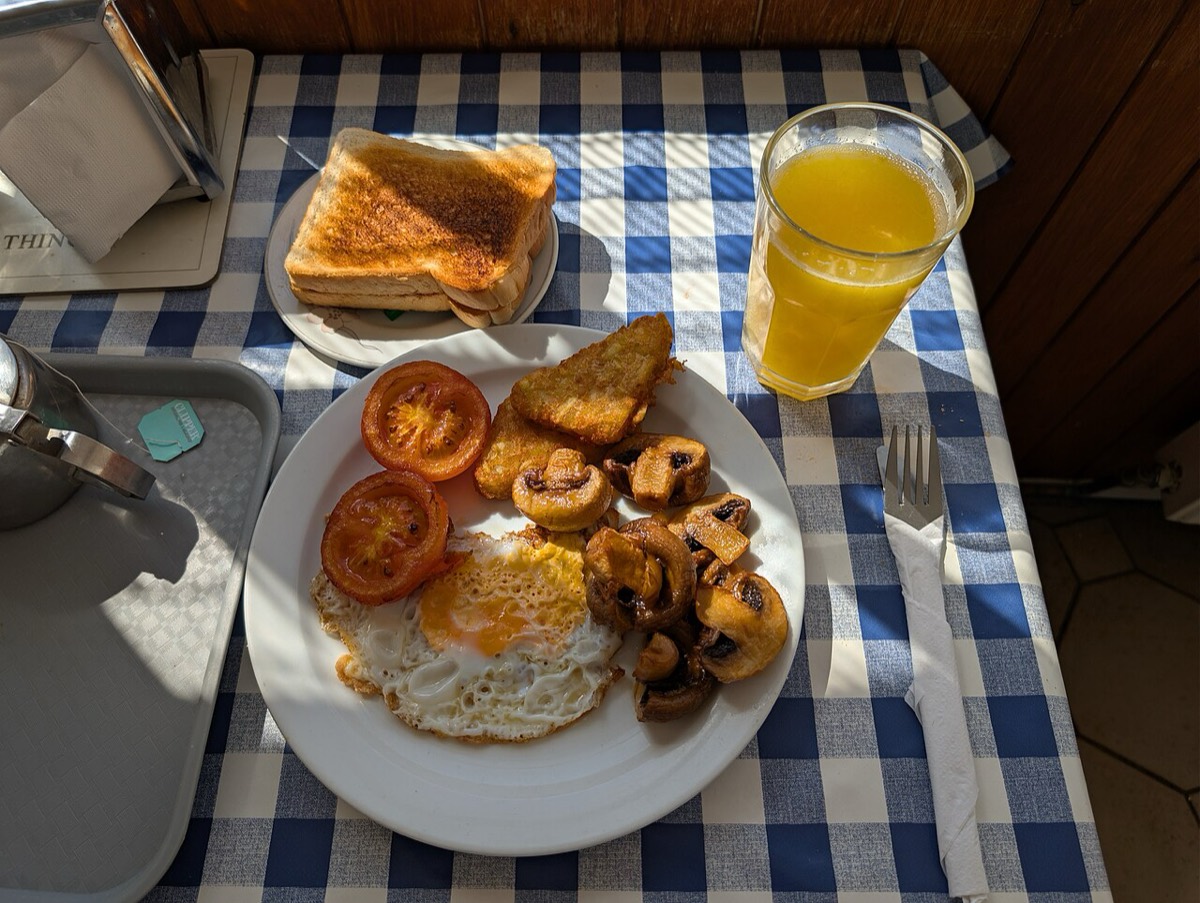
Drink the apple juice 30 minutes before breakfast and the glucose peak dropped by 0.51 mmol/L in 19 young adults. The total glucose rise over the morning didn't move
Same juice, same bread, same egg; only the timing changed. The spike got smaller, but the sugar still went in. A small Beijing trial shows what a lower peak can and can't tell you.
Read the analysis
Population nutrition · November 5, 2026
Reported calories fell year after year in China while BMI kept rising. A 135,235-observation comparison shows why national trends cannot explain one waistline
Across two long-running surveys, Chinese adults reported less energy but gained BMI and waist size; Americans reported stable energy while waists grew. The curves challenge a calories-only story, but they do not track what happened inside the same person.
Read the analysis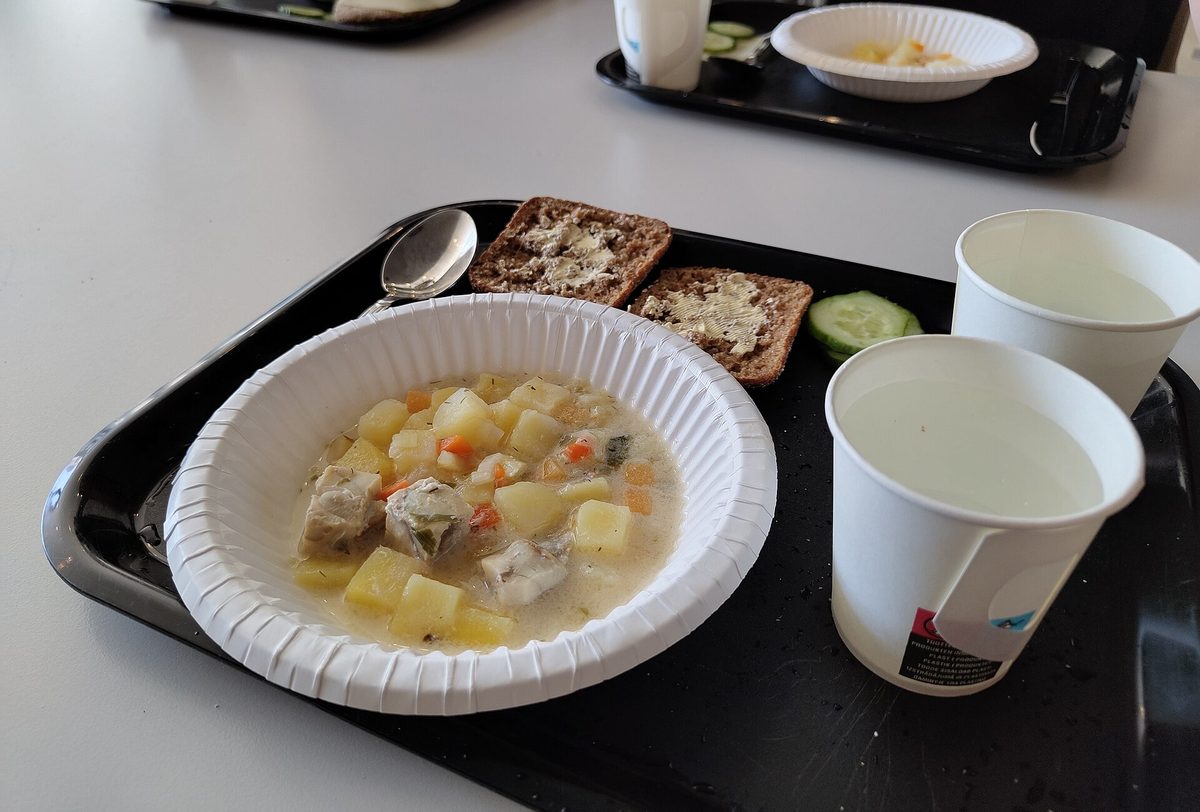
School meals · November 5, 2026
Put recess before lunch and children ate 9 more calories of fruit. Across 2,524 Virginia trays, overall lunch quality did not budge
Fruit waste was 36% after recess and 38% before it, a statistically neat but practically small gap. The study photographed one lunch at each school, so it cannot tell whether changing the timetable would change what children eat.
Read the analysis
Salt reduction · November 5, 2026
Four short videos beat a salt leaflet in a Chinese kindergarten study. Only 27% of the video group reached the final count, against 66% of the leaflet group
Two months on, caregivers sent the videos scored far higher on salt knowledge, while those handed a leaflet barely outdid those given nothing. The catch is in the flow chart: most of the video group had gone by then, and nobody measured a gram of salt.
Read the analysis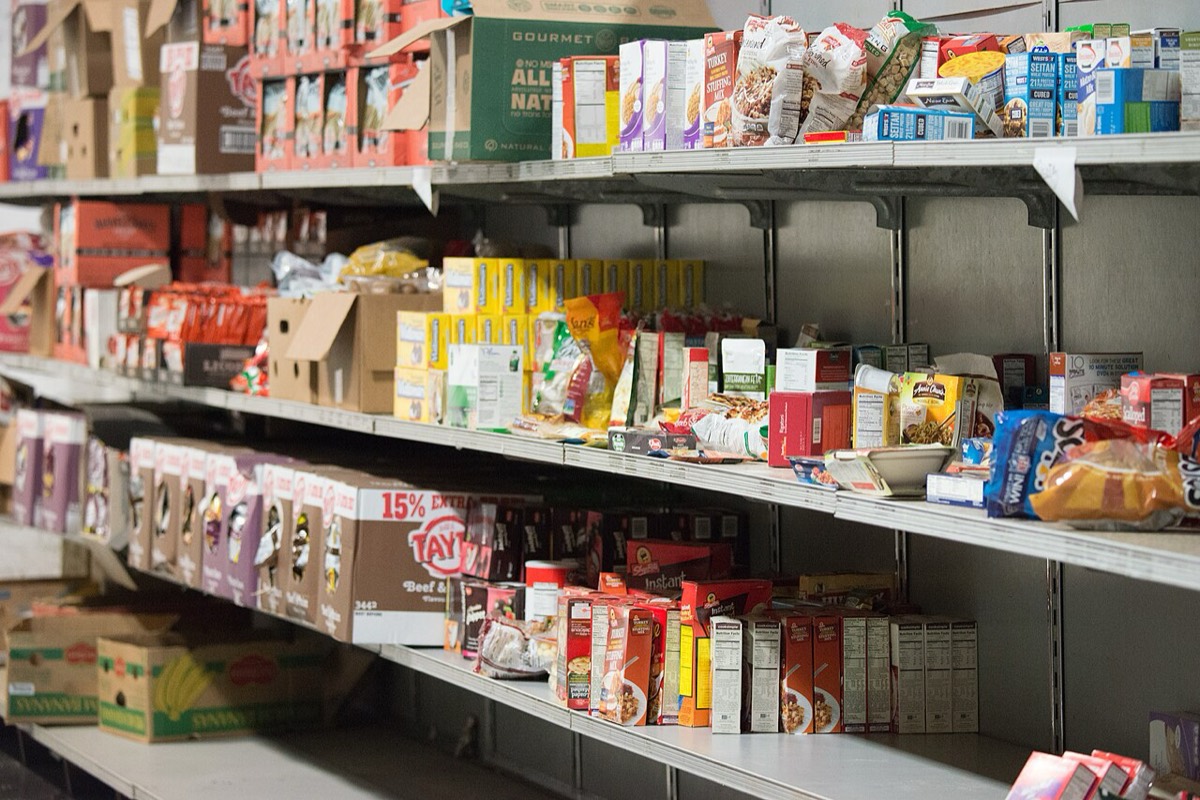
Food security · November 5, 2026
Erase food insecurity in a model and poorer older Americans gain the most. The main reason looks like head count: 40.8% of them went short, against 2.4% of the best-off
Researchers followed 6,695 US adults for years and asked who would feel better if nobody lacked money for food. The answer seems obvious until you ask why, and the study only checked people's food situation once.
Read the analysis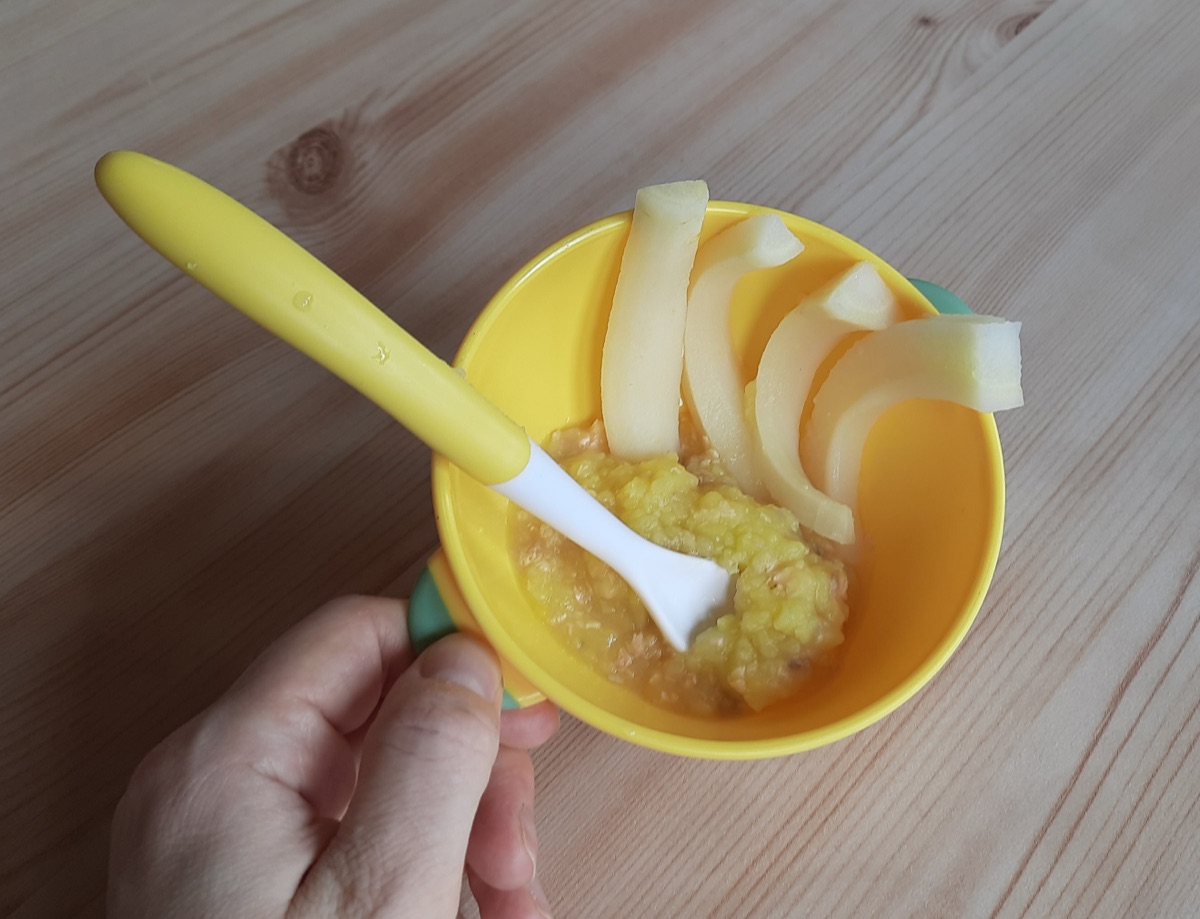
Infant nutrition · November 5, 2026
A richer baby ration added about 115 calories a day. The growth measure the trial was built around still didn't clearly move
Babies in 24 Indian village clusters ate more protein, more fat and a wider range of foods, and some of their measurements improved. Stunting still rose in both groups, and the most eye-catching numbers come with a catch that is easy to miss.
Read the analysis
Mental health · November 5, 2026
Low vitamin D turned up far more often in people with OCD. As a treatment, the review could point to one case report
Across six studies, vitamin D deficiency carried about four times the odds in people with OCD. Then come the awkward details: shifting definitions of deficiency, one very influential study, and no way to tell which problem came first.
Read the analysis
Healthy ageing · November 5, 2026
Older adults with the least inflammatory diet scores had 81% greater odds of favourable fitness. The study estimated VO2max — and cannot show diet caused it
A Guangzhou study paired a 79-item food questionnaire with a submaximal cycling test in 906 adults. The association was clearest among active participants, but diet, exercise and fitness can all travel together.
Read the analysis
Diet and immunity · November 5, 2026
Four days of high-fat feeding at the start of inflammation left a memory in mouse skin. The next flare was roughly twice as severe
The diet did not need time to cause obesity. It had to overlap with the opening days of a psoriasis-like skin reaction — and the effect was still visible when the mice were challenged again months later.
Read the analysis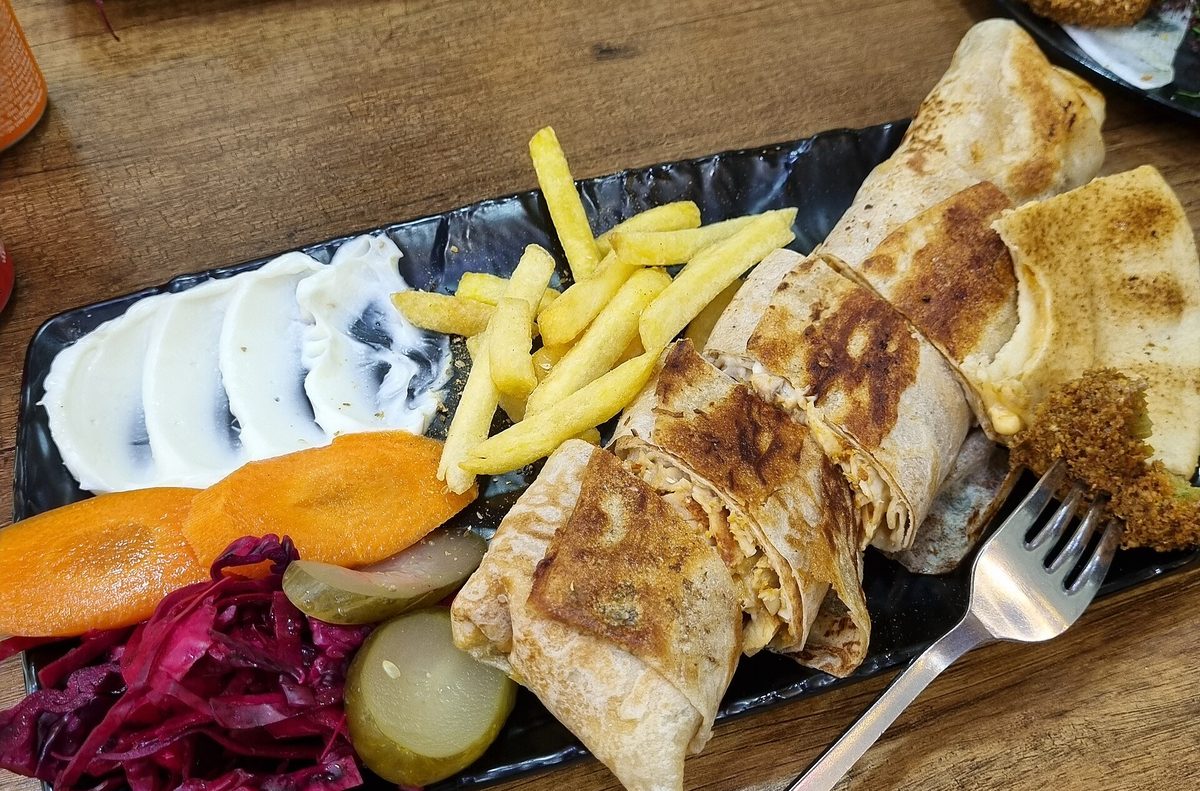
Food environment · November 5, 2026
Obesity was 33.7% in neighbourhoods with the fewest fast-food visits and 44.4% in those with the most. The phones did not show what each patient ate
More than one million Houston health-system patients were linked to their neighbourhood's share of food-place visits going to fast-food outlets. The gap persisted after adjustment, but this was a cross-sectional map of places and medical records — not a record of individual meals.
Read the analysis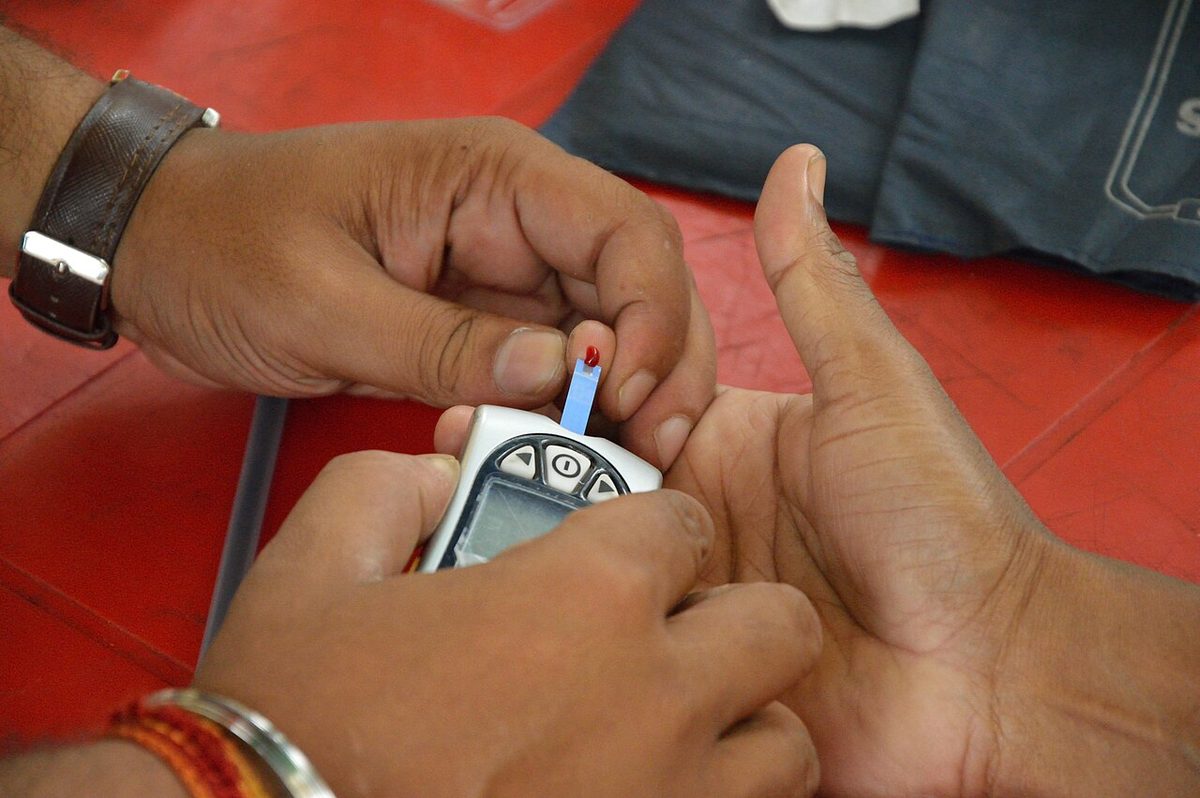
Type 1 diabetes · November 5, 2026
Eight lessons on counting carbs added 2.5 hours a day in glucose range. The study had 30 finishers — and no comparison group
Adults with type 1 diabetes spent 73% of the day between 70 and 180 mg/dL after a 12-week dietitian-led course, up from 62.5%. That is a useful signal, but the researchers chose their main outcome after seeing the data.
Read the analysis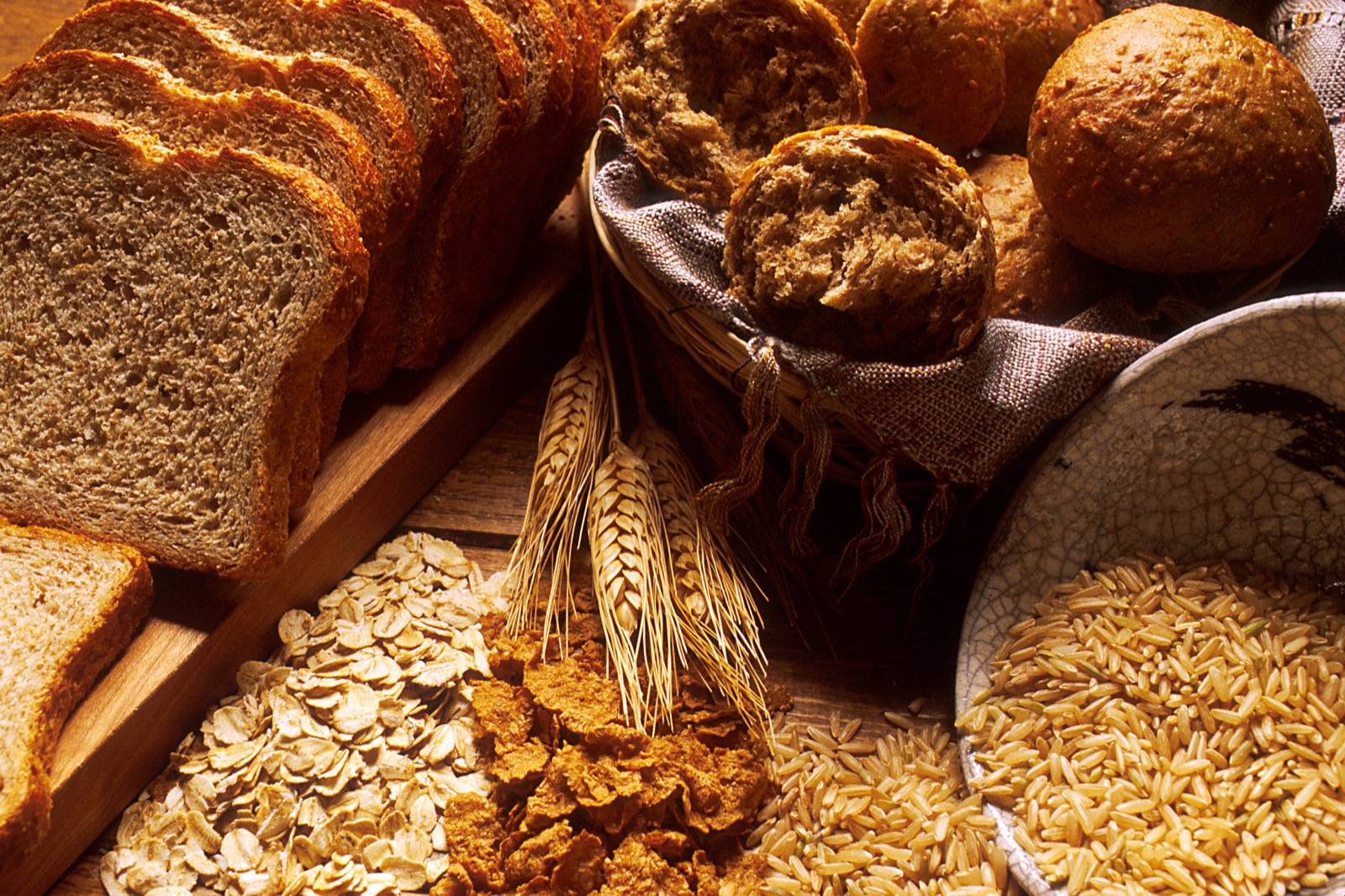
Weight and diet quality · November 5, 2026
A five-point diet-quality rise tracked with 19% lower obesity risk. The curve's most useful part was at the bottom, not the top
Researchers followed 1,527 adults in Hubei for a median 14 years, repeatedly measuring three days of food. Better scores went with fewer new obesity cases — but the result was observational, and the benefit flattened at higher scores.
Read the analysisFrom our articles
Read, then eat a little better
Plain-language guides on nutrition and wellness, backed by research.

Women's health
Inositol for PCOS: the 40:1 ratio, trial doses, and food milligrams
Why do randomized trials in polycystic ovary syndrome prioritize the 40:1 myo to D-chiro inositol ratio? Here is the science behind the ovarian epimerase paradox, clinical ovulation and insulin metrics, and why cantaloupe cannot replace 4,000 mg trial powder.
21 Nov 2026

Everyday eating
Extra virgin olive oil polyphenols: the EU health claim, smoke point myths, and cooking stability
Does extra virgin olive oil degrade when cooked? What does the EU 5 mg polyphenol health claim require, how does oleocanthal act like ibuprofen, and why does oxidative stability matter more than smoke point in domestic frying? Here is the clinical and culinary data.
21 Nov 2026

Food and nutrition
L-theanine and caffeine: what cognitive trials measured on sustained attention, and milligrams in matcha vs green tea
Combining L-theanine with caffeine produces clean focus without caffeine jitters. Here is what randomized trials measured on attention-switching, EEG alpha brain waves, and the exact milligrams across ceremonial matcha, culinary powder, gyokuro, and sencha.
20 Nov 2026
Start with a virtual consultation
Tell Dr. Triveni what you want to change. You will leave with a clear next step, whether you are in Toronto, London, New York or Chennai.