Women's health · November 7, 2026
A brain-health diet score seemed to track with milder premenstrual symptoms. In 405 women, the link disappeared once age and other differences entered the model
Nearly 47% screened positive for PMS, and their food choices changed around symptoms. The study took one snapshot, so it cannot tell whether diet shaped symptoms or symptoms shaped eating.
The MIND diet combines ideas from Mediterranean and DASH eating patterns, with an original focus on brain health. Researchers asked 405 adult women to complete a MIND diet adherence scale and a premenstrual symptom scale, then looked for a relationship between the two.
PMS was detected by the questionnaire in 46.7% of participants. At first glance, higher MIND diet scores went with slightly lower symptom scores. The correlation was −0.131: a weak relationship, even though its p-value of 0.008 crossed the conventional statistical threshold.
The picture changed in hierarchical regression, which considered other participant differences. The diet score no longer independently predicted symptom severity: beta was −0.070 and p=0.146. Age was the only significant predictor in that model, with older age associated with lower symptom scores.
Women in the PMS group also reported more frequent increases in refined grains, fried foods, sweets, coffee, packaged foods and sugary drinks during the premenstrual period. That can be read in two directions. Those foods might accompany worse symptoms, but appetite, cravings, sleep or mood changes may also lead people to choose them when symptoms are already present.
Volunteers were measured once, not assigned to diets and followed across cycles. Both food and symptoms were self-reported, and a screening scale is not a clinical diagnosis. The study therefore does not show that adopting the MIND diet treats PMS. Its useful finding is the opposite of a neat food cure: the apparent diet link was small and could not be separated from age and the other differences in this sample.
A weak correlation that did not survive adjustment
405
Adult women who volunteered for the cross-sectional survey
46.7%
Participants whose questionnaire scores met the study's PMS threshold
r=−0.131
Weak correlation between MIND diet adherence and total symptom score; p=0.008
β=−0.070
Diet score in the adjusted regression; p=0.146, not statistically significant
β=−0.320
Age in the model; increasing age was associated with lower symptom severity
One snapshot
Diet and symptoms were surveyed at the same period, so direction cannot be established
Descriptive cross-sectional study using self-report scales. Correlation shows two scores varied together but not why. The diet score did not independently predict PMS severity in the hierarchical model; age was the only significant predictor reported in the abstract.
- MIND stands for Mediterranean–DASH Intervention for Neurodegenerative Delay; it was designed around cognitive health, not PMS treatment.
- A correlation of −0.131 is close to zero, meaning the two scores shared little variation even before adjustment.
- A small p-value does not make a relationship large; sample size affects how easily a small correlation reaches statistical significance.
- Premenstrual cravings can make reverse causation especially plausible: symptoms may alter food choices during the same cycle.
- PMS and premenstrual dysphoric disorder are not interchangeable; severe symptoms that disrupt daily life deserve clinical assessment.
- MIND Diet Adherence and Premenstrual Syndrome Severity Among Adult Women: A Cross-Sectional StudyFrontiers in Nutrition, 5 November 2026 · Primary study record; design, sample, PMS prevalence, food changes, correlation and adjusted regression checked against the abstract.
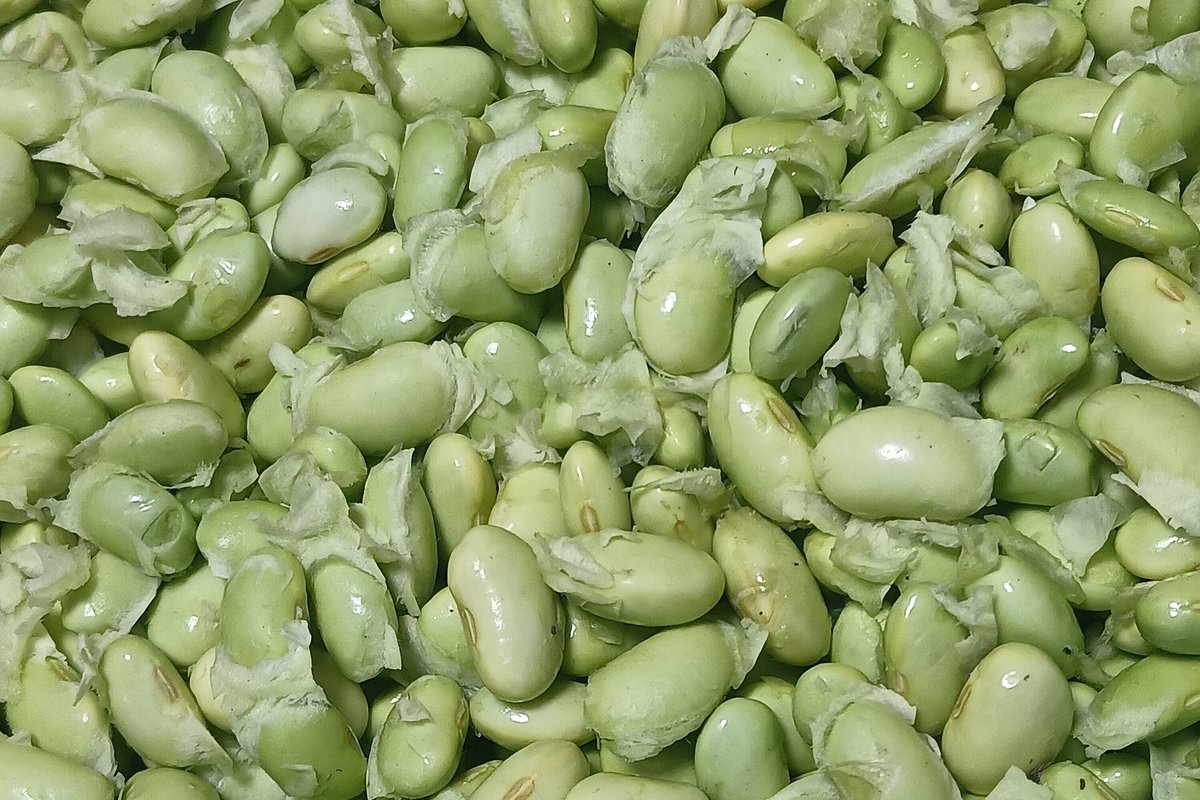
- Shelled edamame beansWikimedia Commons · Photo by Fumikas Sagisavas, CC0 1.0; reused as a general food illustration.
General information, not medical advice. This survey does not show that a diet treats PMS. Anyone with severe, new or disruptive menstrual-cycle symptoms should discuss them with a qualified clinician.
Analysis by NutroPractic from the sources listed. Written for general readers; it does not replace advice from your own doctor.
From our articles
Read, then eat a little better
Plain-language guides on nutrition and wellness, backed by research.
Everyday eating
Protein bars and shakes: what you get per 100 calories
Four current labels range from 6.3 to 20 g protein per 100 kcal. Here is how bars, shakes, eggs, yogurt and lentils compare—and when a supplement actually helps.
6 Nov 2026
Everyday eating
Instant noodles: the sodium in the whole packet, and what actually reduces it
Three official labels range from 750 to 1,520 mg sodium per packet. Here is the whole-pack arithmetic, what the broth study measured, and how to turn noodles into a more complete meal.
6 Nov 2026
Diabetes
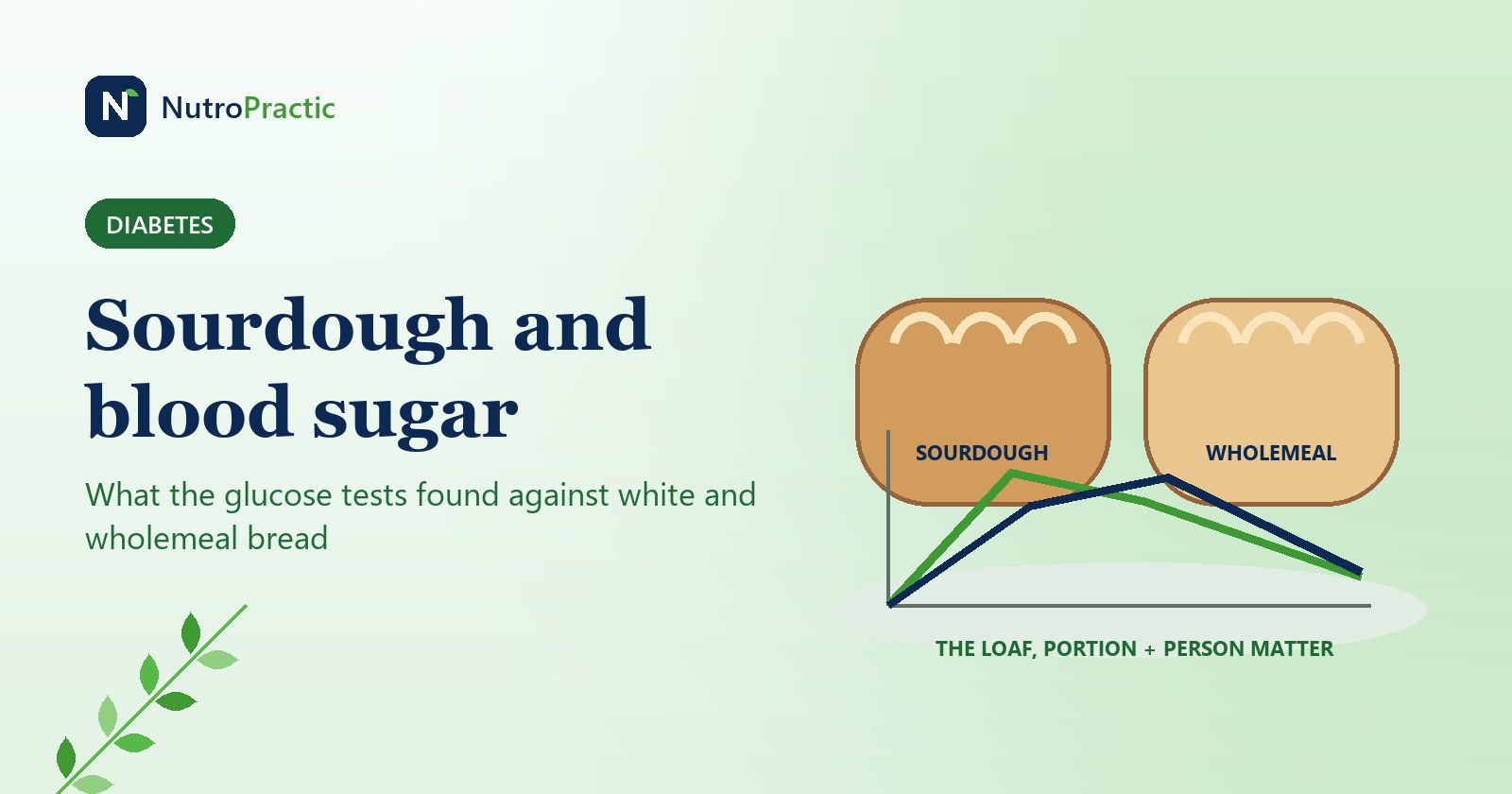
Sourdough and blood sugar: what the glucose tests found against white and wholemeal bread
Sourdough did not beat white bread on average in a 20-person crossover trial, and half responded better to white. A trial-by-trial look at fermentation, flour, portions, GI and how to test your own loaf fairly.
6 Nov 2026
Newsfeed for your website
Want this feed on your website?
Add it to any site with one copy-and-paste snippet. No sign-up, and it updates itself every hour.
Start with a virtual consultation
Tell Dr. Triveni what you want to change. You will leave with a clear next step, whether you are in Toronto, London, New York or Chennai.