Newsfeed
Nutrition research, analysed
A new analysis every hour. Each one covers a recent study or report: What was found, the numbers behind it and the sources to check. We write about research from the last two weeks, not the news of the day.

Weight management · November 4, 2026
16:8 or 5:2 fasting? In 68 women, the scale moved with both — and so did muscle mass
A four-week head-to-head trial found more weight and fat loss with 5:2 by the final week. Both groups also ate roughly 540 fewer calories a day and lost a little muscle, which makes the result less about a magic clock than it first appears.
Read the analysis
Climate and nutrition · November 4, 2026
Climate and nutrition research counted 78 studies. Only 3.8% examined the food environment, while half studied child stunting
Rainfall, heat and extreme weather were repeatedly linked with children's growth and food insecurity. But this new evidence map also shows how narrow the map is: most studies focused on young children in Africa, and very few asked what happened to food shops, prices or access.
Read the analysis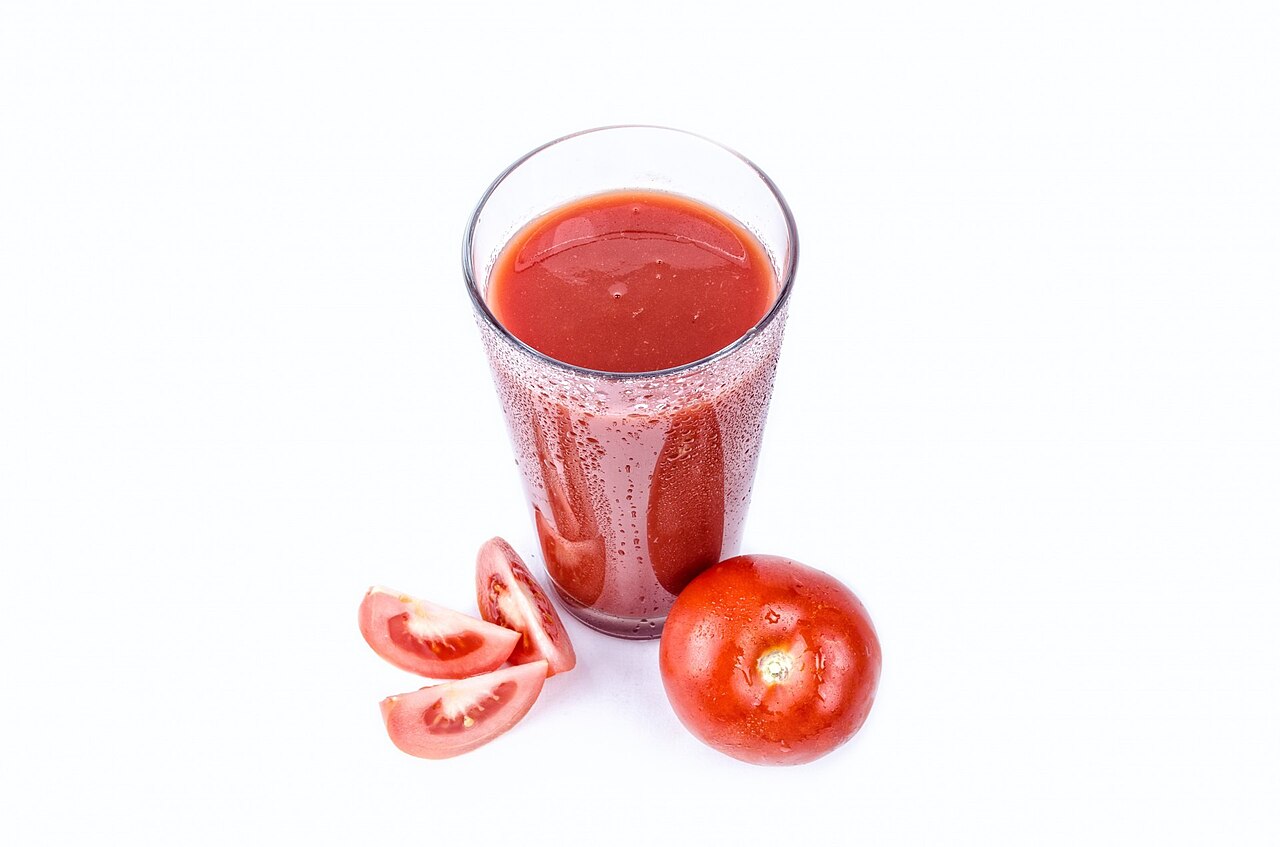
Food science · November 4, 2026
Tomato compounds reached the bloodstream in 11 adults — but more than 99% arrived in a changed form
After about half a litre of tomato juice, researchers tracked a little-studied family of plant compounds for 12 hours. The experiment maps what the body did with them; it does not show that they improve health.
Read the analysis
Food and immunity · November 4, 2026
Almonds raised some flu-vaccine antibody readings — but 93% versus 95% is the result that keeps the claim grounded
Adults ate 56 g of almonds or an equal-calorie pretzel snack for eight weeks. Some antibody levels rose more with almonds, yet the trial's main outcome — converting a vaccine response to at least one strain — was already near its ceiling in both groups.
Read the analysis
Gout and weight loss · November 4, 2026
Three calorie-cut diets, the same 8.47 kg average loss — and no clear winner for urate. The trouble came in week one
DASH, carbohydrate-restricted and low-purine diets lowered urate by different-looking amounts, but the differences were not statistically clear. A temporary first-week rise lined up with the early peak in gout flares.
Read the analysis
Teen nutrition · November 4, 2026
Plant protein tracked with better marks in 769 Spanish teenagers. The study modelled a swap, but nobody changed a meal
Replacing 5% of energy from animal protein with plant protein was linked to higher scores in language, maths and a foreign language. The eye-catching result came from one questionnaire and one set of grades, not a diet trial.
Read the analysis
Fasting · November 4, 2026
Eight days on water, and 9 of 15 men felt better than usual by the end, up from 3 on day one. All of them had done it before and expected it to help
Tension eased a little, while energy and pleasant mood didn't budge. Blood cortisol after a hard cycling test was higher than before the fast, yet no hormone change tracked how the men felt. There was no comparison group, and the three who quit, both women among them, were left out.
Read the analysis
Diabetes complications · November 4, 2026
A greener diet score tracked with better kidney numbers in 219 people with diabetic foot ulcers. It did not track with smaller wounds
After a year, the higher-scoring group had lower creatinine and urea and a higher estimated filtration rate. But this was not a diet trial, 81 of 300 eligible patients dropped out, and only nine ulcers fully healed — too few to answer the question patients care about most.
Read the analysis
Diabetes · November 4, 2026
Both groups ate whole grains. In 160 adults with diabetes, the less-milled ones finished 0.2 percentage points lower on HbA1c
The trial delivered wheat, rice and oats to whole households for 12 weeks. Grain processing, not the amount of whole grain or weight loss, separated the groups — but the glucose gap was small and only just cleared the statistical line.
Read the analysis
Running and diet · November 4, 2026
Seven runners, 21 days of plant-based meal kits, 3.4 kg less body fat. Nobody weighed what they left on the plate, and their usual diet always came first
Time to exhaustion rose against their usual diet and fat-free mass held. Then you notice that median weight had already fallen further before the first kit arrived, and that the fat loss implies a gap of about 1,250 calories a day from meals designed to match what they normally ate.
Read the analysis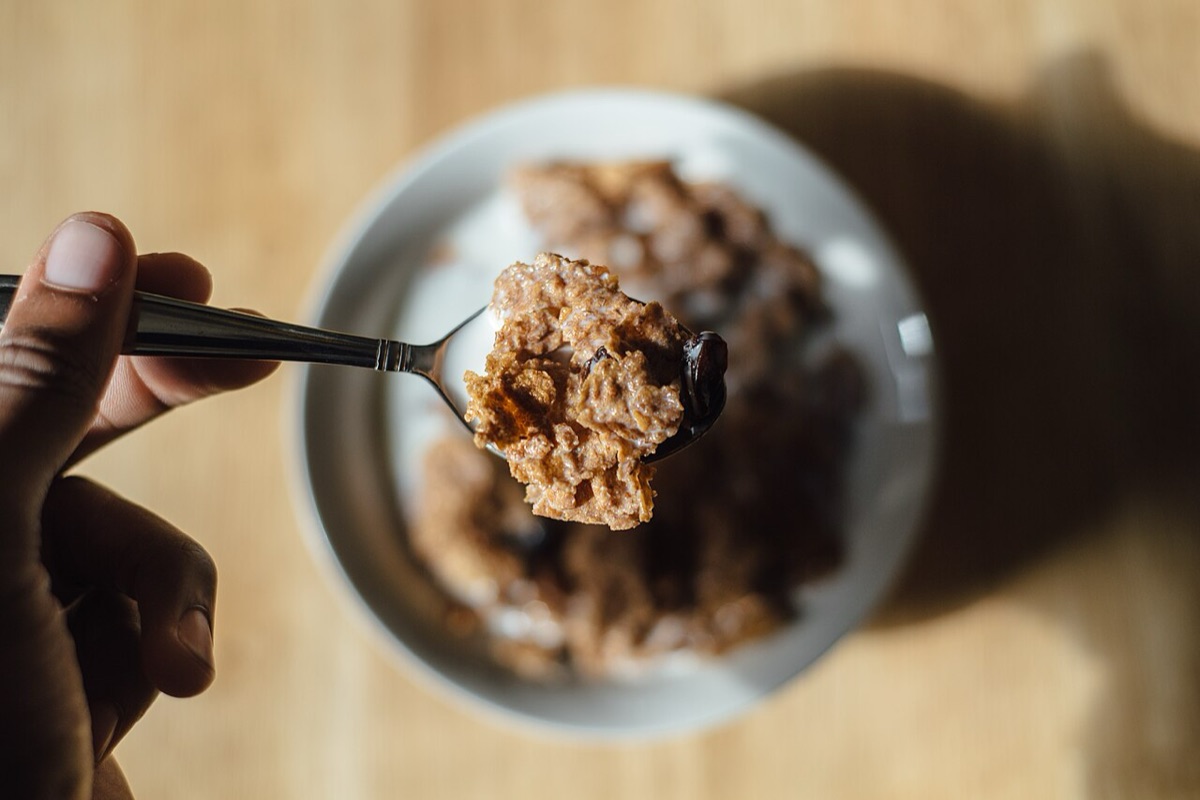
Gut health · November 4, 2026
Going lactose-free eased the belly pain of most people with a positive breath test. The proof: nine studies going back to 1979, and not one randomised trial made the cut
Across the studies that reported it, 59% to 100% of test-positive patients improved, against 0% to 32% of those who tested negative. It looks decisive until you see who knew the test result, how the improvement was judged and how small some of those groups were.
Read the analysis
Dietitian care · November 4, 2026
By six months, 3 in 10 patients had quietly stopped seeing their dietitian, and among 470 people at a Japanese clinic, living with family went with leaving sooner
People who were ready to change but hadn't settled into it left at 1.75 times the rate of those already changing, while age, smoking and even a past dropout made no clear difference. What this clinic's records can't say is whether leaving did anyone any harm.
Read the analysisFrom our articles
Read, then eat a little better
Plain-language guides on nutrition and wellness, backed by research.

Women's health
Inositol for PCOS: the 40:1 ratio, trial doses, and food milligrams
Why do randomized trials in polycystic ovary syndrome prioritize the 40:1 myo to D-chiro inositol ratio? Here is the science behind the ovarian epimerase paradox, clinical ovulation and insulin metrics, and why cantaloupe cannot replace 4,000 mg trial powder.
21 Nov 2026

Everyday eating
Extra virgin olive oil polyphenols: the EU health claim, smoke point myths, and cooking stability
Does extra virgin olive oil degrade when cooked? What does the EU 5 mg polyphenol health claim require, how does oleocanthal act like ibuprofen, and why does oxidative stability matter more than smoke point in domestic frying? Here is the clinical and culinary data.
21 Nov 2026

Food and nutrition
L-theanine and caffeine: what cognitive trials measured on sustained attention, and milligrams in matcha vs green tea
Combining L-theanine with caffeine produces clean focus without caffeine jitters. Here is what randomized trials measured on attention-switching, EEG alpha brain waves, and the exact milligrams across ceremonial matcha, culinary powder, gyokuro, and sencha.
20 Nov 2026
Start with a virtual consultation
Tell Dr. Triveni what you want to change. You will leave with a clear next step, whether you are in Toronto, London, New York or Chennai.