Gout and weight loss · November 4, 2026
Three calorie-cut diets, the same 8.47 kg average loss — and no clear winner for urate. The trouble came in week one
DASH, carbohydrate-restricted and low-purine diets lowered urate by different-looking amounts, but the differences were not statistically clear. A temporary first-week rise lined up with the early peak in gout flares.
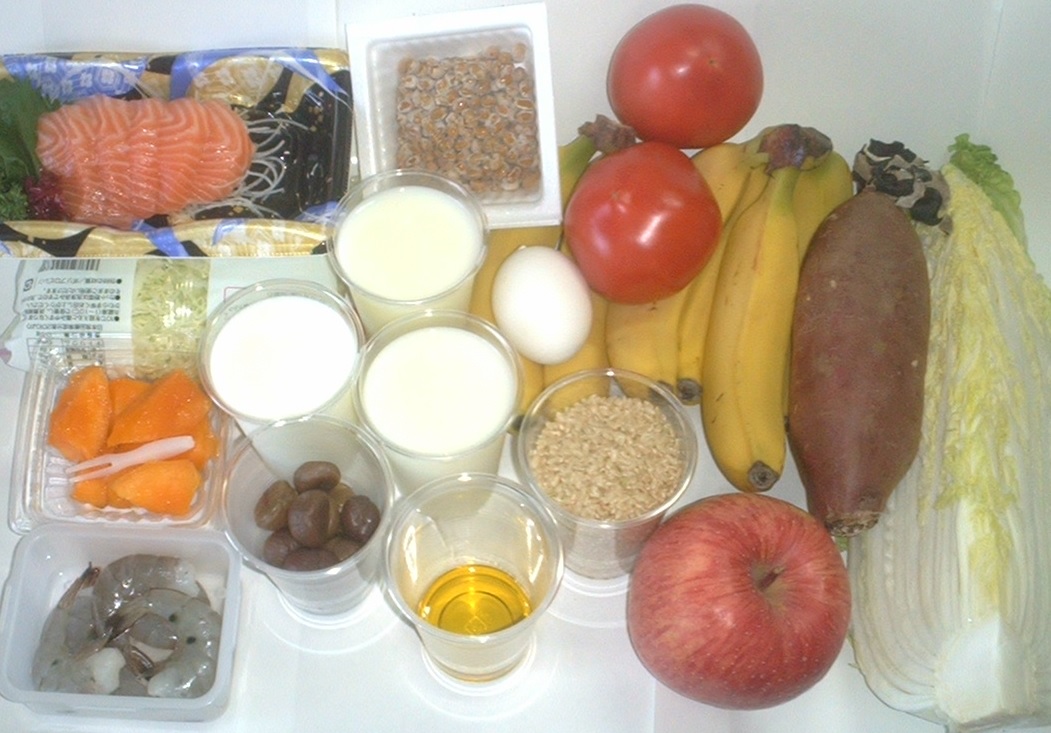
When urate is high and weight loss is the goal, diet advice can sound like a contest between named plans. A randomized trial published in Diabetes Care on 1 November put three of them side by side: a carbohydrate-restricted diet, the DASH pattern and a balanced low-purine diet. The 102 participants were men with overweight or obesity and hyperuricemia, the high blood urate state that raises the risk of gout.
All three plans restricted energy to 20–25 kilocalories per kilogram of ideal body weight a day, so this was not a test of diet labels while calories stayed unchanged. After 12 weeks, the men had lost 8.47 kilograms on average, or 9.3% of their starting weight. Weight loss did not differ between groups (p = 0.99). Eighty-five men, 83.3% of those randomized, completed follow-up.
Serum urate fell by an adjusted 0.89 mg/dL with the carbohydrate-restricted diet, 0.79 mg/dL with DASH and 0.50 mg/dL with the low-purine balanced diet. Those numbers look ranked, but the between-group comparison was not statistically significant (p = 0.48). The trial therefore cannot establish that one of these diets lowered urate better than the others over 12 weeks.
The time course may be more useful than the final ranking. Finger-prick monitoring picked up a temporary rise in urate during week one, at the same time as the early peak in gout flares. The abstract does not report the number of flares, so it would be wrong to turn this into a precise risk estimate. It does show why the opening days of structured weight loss deserve attention rather than assuming urate will move smoothly downward from the first meal.
DASH had two secondary advantages in this trial: adherence was higher than with the other two plans, and it was associated with less loss of soft lean mass than the carbohydrate-restricted diet. The abstract does not give the size of those differences, and the open-label design meant everyone knew which diet they were following. The study also included men only and lasted 12 weeks, so its findings cannot automatically be extended to women or to long-term weight maintenance.
The practical message is not that anyone with gout should start an aggressive diet alone. It is that several calorie-restricted patterns may produce substantial short-term weight loss and lower urate, while the start of weight loss can be an unstable period. People with gout or high urate can ask their clinician how quickly to lose weight, how to handle flare risk and whether medicine needs review while their eating pattern changes.
Three calorie-restricted diets in men with high urate (Diabetes Care, 1 November 2026)
102
Men randomized equally to carbohydrate-restricted, DASH or low-purine diets
85 (83.3%)
Participants who completed the 12-week follow-up
8.47 kg
Average weight loss across the three groups (9.3%); no group difference, p = 0.99
−0.89 mg/dL
Adjusted urate change with the carbohydrate-restricted diet
−0.79 mg/dL
Adjusted urate change with DASH
−0.50 mg/dL
Adjusted urate change with the low-purine balanced diet
p = 0.48
Between-group comparison of urate change: not statistically significant
This was a 12-week, open-label, active-comparator randomized trial. Every diet prescribed 20–25 kcal per kilogram of ideal body weight each day. Different-looking changes are not proof of a difference: the formal comparison found no statistically significant advantage for any diet. The primary abstract reports a temporary week-one urate rise and an early flare peak but not the number of flares.
- DASH stands for Dietary Approaches to Stop Hypertension; it was developed as an eating pattern rather than a list of foods to avoid.
- A low-purine diet limits compounds that the body breaks down into uric acid, but this trial's balanced low-purine plan did not beat the other calorie-restricted plans for urate reduction.
- The study used capillary blood urate monitoring to see an early change that a baseline and week-12 blood test alone could have missed.
- Soft lean mass includes water and non-fat tissues as well as muscle, so 'less soft lean mass loss' should not be read as a direct muscle measurement unless the full method says so.
- An open-label diet trial cannot hide meal assignments from participants, which can affect adherence and other behaviour even when allocation is randomized.
- Calorie-Restricted DASH, Carbohydrate-Restricted, and Low-Purine Diets for Weight Loss and Urate Control in Men With Overweight or Obesity and Hyperuricemia: A Randomized TrialDiabetes Care, 1 November 2026 · Primary paper record; trial design, calorie prescription, completion, weight, urate, early flare timing, adherence and body-composition conclusions checked against the abstract.
- PubMed record 42743064US National Library of Medicine · Primary abstract and bibliographic record.
- DASH01Wikimedia Commons · CC BY-SA 4.0 photograph by Yamada25.
General information, not medical advice. Rapid or restrictive weight loss can trigger problems and may coincide with gout flares. If you have gout, high urate, kidney disease or take urate-lowering medicine, discuss weight-loss pace, diet and flare prevention with your doctor or a registered dietitian.
Analysis by NutroPractic from the sources listed. Written for general readers; it does not replace advice from your own doctor.
From our articles
Our guides on this subject
Plain-language guides on nutrition and wellness, backed by research.

Joint health
Gout and uric acid: which foods matter, and how much diet can do
Gout is usually blamed on steak and beer. The studies say food does matter, but less than most people think: here is what lowers uric acid, what sets off a flare, what cherries really showed, and why most people with gout also need a tablet.
30 Oct 2026
Everyday eating
Fruit juice and smoothies for children and adults: how much counts, and what the AAP and NHS limits are based on
None under 1, 120 ml at 1 to 3, 150 ml for British adults, 250 ml for older Indian children. The limits side by side, sugar per glass against whole fruit, what the cohort studies on weight and diabetes found, and why smoothies are a closer call.
3 Nov 2026
Everyday eating
Serving sizes on food labels: why the numbers on the pack rarely match what you eat, and how to recalculate them
Adults in one UK test poured about 95 g of granola against a 45 g serving. Tropicana lists 150 ml in Britain and 240 ml in the US. What the FDA, EU and Indian rules require, and worked sums for cereal, crisps and peanut butter.
3 Nov 2026
Newsfeed for your website
Want this feed on your website?
Add it to any site with one copy-and-paste snippet. No sign-up, and it updates itself every hour.
Start with a virtual consultation
Tell Dr. Triveni what you want to change. You will leave with a clear next step, whether you are in Toronto, London, New York or Chennai.