Diabetes · November 4, 2026
Both groups ate whole grains. In 160 adults with diabetes, the less-milled ones finished 0.2 percentage points lower on HbA1c
The trial delivered wheat, rice and oats to whole households for 12 weeks. Grain processing, not the amount of whole grain or weight loss, separated the groups — but the glucose gap was small and only just cleared the statistical line.
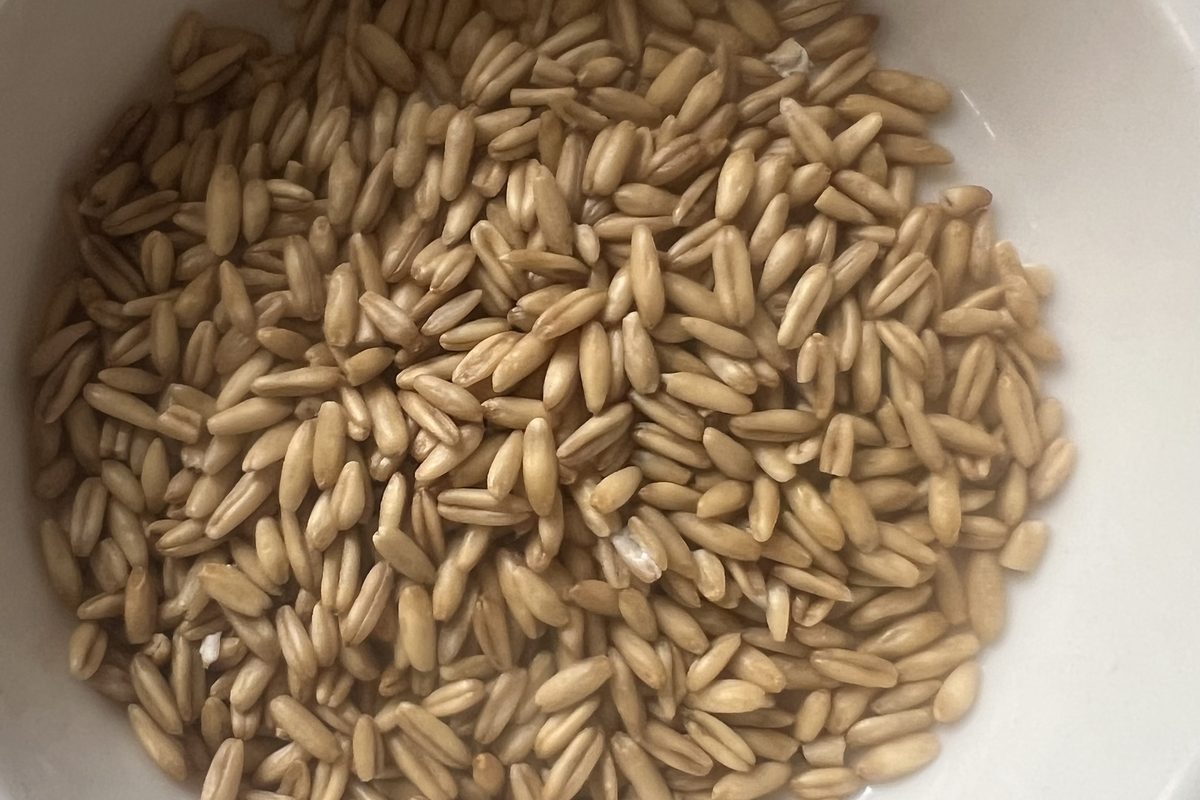
Wholemeal bread and intact grain kernels can both be called whole grain, even though the body does not meet them in quite the same form. A randomised trial from New Zealand, published in The American Journal of Clinical Nutrition on 26 October, asked whether that physical difference matters to people already living with type 2 diabetes.
The researchers randomly assigned 160 adults to 12 weeks of either less-processed or more-processed whole-grain foods. Both packages contained four foods made from whole-grain wheat, rice and oats. Enough was delivered for the household — 4.5 to 9 kilograms every two weeks, depending on family size — and participants were asked to swap these for the grain foods they ordinarily ate.
The average participant was 58.5 years old, had a BMI of 33.7 and began with an HbA1c of 56.4 mmol/mol, about 7.3% by standard conversion. At the end, 143 people, or 89%, provided blood samples. HbA1c was 2.2 mmol/mol lower in the less-processed group than in the milled-whole-grain group. That is about 0.2 percentage points by our conversion; the 95% confidence interval ran from 4.2 lower to 0.1 lower, so its least optimistic edge was close to no difference.
This was not simply a whole-grain-versus-refined-grain result. Reported whole-grain, refined-grain and nutrient intakes did not differ between groups, and the supplied foods provided roughly 20% of dietary energy. Body weight did not differ either. That makes the structure of the grains a plausible explanation for the glucose result, although the abstract does not report how faithfully each food was eaten or give meal-by-meal glucose measurements.
Of the secondary and exploratory outcomes, only self-reported bowel habits showed an indicated improvement with the less-processed grains. That restraint matters: the trial did not find a broad sweep of metabolic changes, and 17 randomised participants did not provide the final blood sample. It lasted three months, so it cannot tell us whether the small HbA1c separation persists or changes complications over years.
The practical distinction is between a grain that largely keeps its physical structure and one ground into flour, even when the flour still contains bran and germ. Steel-cut oats, wheat berries and brown rice are examples closer to the first end; wholemeal bread sits closer to the second. This trial supports paying attention to that distinction, not treating intact grains as a replacement for diabetes medicines or suggesting that every product labelled whole grain has the same effect.
Less-processed versus milled whole grains: 12-week randomised trial (26 October 2026)
160
Adults with type 2 diabetes randomised
143 (89%)
Provided an end-of-trial blood sample
12 weeks
Whole-grain food intervention
−2.2 mmol/mol
HbA1c difference favouring less-processed grains (95% CI −4.2 to −0.1)
≈−0.2 points
Same HbA1c difference in percentage units, our conversion
≈20%
Dietary energy supplied by the intervention foods
No difference
Body weight between interventions
The trial compared two forms of whole grain, not whole grain with refined grain. HbA1c reflects average blood glucose over roughly the previous two to three months. Percentage-unit conversions are our arithmetic (mmol/mol divided by 10.929, with 2.15 added for the absolute baseline); figures otherwise come from the published abstract.
- A grain can be nutritionally whole after milling because the bran, germ and endosperm remain, while its physical structure has still been broken down.
- The average starting HbA1c of 56.4 mmol/mol converts to about 7.3%. The trial's between-group difference converts to about one fifth of a percentage point.
- The researchers delivered enough grain foods for family size rather than feeding participants in a laboratory, which makes the setting more like home life but gives researchers less control over every bite.
- The trial registry is ACTRN12622000060741; registering a trial in advance lets readers compare the reported outcomes with the original plan.
- Bowel habits were self-reported and were the only secondary or exploratory outcome for which the abstract indicates an improvement.
- Impact of minimally processed versus milled whole grains on glycaemic control in type 2 diabetes: A 12-week randomised trialThe American Journal of Clinical Nutrition, 26 October 2026 · Primary paper; publication date, design, interventions, outcomes and trial registration checked against its abstract.
- PubMed record 42933538US National Library of Medicine · Primary abstract used for all study figures and limitations reported here.
- Uncooked oat groatsWikimedia Commons · CC0 photograph by Acsenray.
General information, not medical advice. This 12-week trial found a small difference between two forms of whole grain; it did not test stopping medicines or long-term diabetes complications. If you have diabetes, discuss major diet changes with your doctor or dietitian and keep taking prescribed medicines.
Analysis by NutroPractic from the sources listed. Written for general readers; it does not replace advice from your own doctor.
From our articles
Our guides on this subject
Plain-language guides on nutrition and wellness, backed by research.
Everyday eating
The fibre gap: why most adults fall short, and an easy 30-gram day
Most adults in the US, Canada and Europe eat far less fibre than recommended, even though higher intakes are linked to lower rates of heart disease, type 2 diabetes and bowel cancer. How much you need, where it hides, and a sample day that gets you to 30 grams.
3 Oct 2026
Diabetes
Fenugreek, cinnamon and turmeric for blood sugar: what the trials in an Indian kitchen measured
Fenugreek seed at 5-10 g a day lowered HbA1c by about 0.85 points in pooled trials, and in a 3-year Hyderabad study 23% went on to diabetes against 55%. Cinnamon trims fasting glucose by 15-25 mg/dL, but a teaspoon of cassia tops the coumarin limit. Curcumin: about 0.3-0.4 points, and rare liver injury from capsules. Doses in teaspoons, and a fair way to test it at home.
1 Nov 2026
Indian kitchen
Millets in an Indian kitchen: what they do for blood sugar, and how to cook them
Ragi, jowar, bajra and the small millets are sold as the answer to diabetes. A meta-analysis of 65 studies says they help on average, but two Chennai studies found ragi meals no better than white rice and cooked foxtail millet with a GI of 89. What actually makes the difference, and how to cook each one so it does.
30 Oct 2026
Newsfeed for your website
Want this feed on your website?
Add it to any site with one copy-and-paste snippet. No sign-up, and it updates itself every hour.
Start with a virtual consultation
Tell Dr. Triveni what you want to change. You will leave with a clear next step, whether you are in Toronto, London, New York or Chennai.