Food and immunity · November 4, 2026
Almonds raised some flu-vaccine antibody readings — but 93% versus 95% is the result that keeps the claim grounded
Adults ate 56 g of almonds or an equal-calorie pretzel snack for eight weeks. Some antibody levels rose more with almonds, yet the trial's main outcome — converting a vaccine response to at least one strain — was already near its ceiling in both groups.
Can a whole food change how the immune system answers a vaccine? A randomized trial published in The American Journal of Clinical Nutrition on 26 October tested that question in 90 healthy adults aged 40 to 64. For eight weeks, participants ate either 56 grams of almonds a day or 86 grams of pretzels chosen to provide the same energy. Everyone received a seasonal influenza vaccine halfway through the intervention.
The pre-specified primary outcome was seroconversion to at least one influenza strain by week eight. That happened in 38 of 41 people analysed in the almond group, or 93%, and 37 of 39 in the pretzel group, or 95%. There was no statistically significant difference (p = 1.000), and neither strain-specific seroconversion nor seroprotection differed between groups. In plain language, almost everyone mounted the trial's defined response, whichever snack they ate.
A more detailed antibody measurement produced a different-looking signal. For the A/Wisconsin/67/2022 H1N1 strain, the geometric mean antibody titre was 359 in the almond group and 110 in the control group. The geometric mean fold-change from before vaccination was 18 versus 4 for that H1N1 strain and 10 versus 5 for B/Yamagata. These laboratory differences are interesting, but they did not translate into more people crossing the study's seroconversion or seroprotection thresholds.
The investigators also found a higher absolute abundance of the gut bacterium Roseburia hominis after almonds, while short-chain fatty acids and stool consistency did not differ. The study was not a demonstration that almonds prevent influenza, shorten illness or make vaccination unnecessary. It measured immune markers four weeks after vaccination in healthy middle-aged adults, not infections during a flu season.
There are reasons to keep the finding in proportion. Only 90 people were randomized, the main response rate was already above 90% in both groups, and the trial compared almonds with pretzels rather than with no snack. It also cannot tell us whether another nut, a smaller portion or a longer period would give the same laboratory result. Several researchers reported funding from the Almond Board of California, including the lead author's doctoral studentship; that does not invalidate randomization, but it belongs in the interpretation.
For everyday eating, 56 grams is roughly two standard 28-gram servings and supplies substantial energy. Almonds can be a useful source of unsaturated fat, fibre and protein, but this trial is not a reason to add that portion on top of an otherwise complete diet or to treat food as a vaccine booster. The grounded conclusion is narrower: almonds altered some post-vaccination antibody measurements, while the trial's main yes-or-no immune-response outcome stayed essentially the same.
Almonds versus an equal-calorie pretzel snack around influenza vaccination (26 October 2026)
90
Healthy adults randomized; mean age 51 years and 73% female
56 g/day
Almond portion for eight weeks; control was 86 g/day of pretzels
93% vs 95%
Seroconversion to at least one strain: 38/41 with almonds and 37/39 with control
p = 1.000
No significant group difference in the primary seroconversion outcome
359 vs 110
Geometric mean H1N1 antibody titre after vaccination, almonds versus control
18-fold vs 4-fold
Geometric mean change in H1N1 antibody titre, almonds versus control
10-fold vs 5-fold
Geometric mean change in B/Yamagata antibody titre, almonds versus control
This randomized controlled trial vaccinated participants after four weeks on the assigned snack and measured the primary outcome four weeks later. Higher titres for selected strains are laboratory immune markers, not evidence of fewer influenza infections. The main outcome, seroconversion to at least one strain, did not differ; the near-ceiling response also leaves little room for one group to look better on that threshold.
- Seroconversion is usually defined by a specified rise in antibody level; it is a threshold outcome, so two people on opposite sides of the cut-off may have fairly similar measurements.
- A geometric mean is commonly used for antibody titres because the measurements span a wide range and tend to be skewed rather than evenly distributed.
- The vaccine was given at week four, meaning the participants had already eaten their assigned snack for a month before vaccination and continued for a month afterwards.
- The trial used an isocaloric control: the pretzel portion was selected to match the energy in the almonds, helping separate the food comparison from simply eating more calories.
- Roseburia hominis is a gut bacterium that can produce butyrate, but the trial found no group difference in measured short-chain fatty acids.
- Almonds and the optimization of immune responses to influenza vaccination, compared to a control snack, in healthy adults: a randomized controlled trialThe American Journal of Clinical Nutrition, 26 October 2026 · Primary paper record; design, portions, timing, participant characteristics, seroconversion, antibody titres, gut measures, registration and funding disclosures checked against the abstract and conflict-of-interest statement.
- PubMed record 42933536US National Library of Medicine · Primary abstract and bibliographic record used for all numerical results.
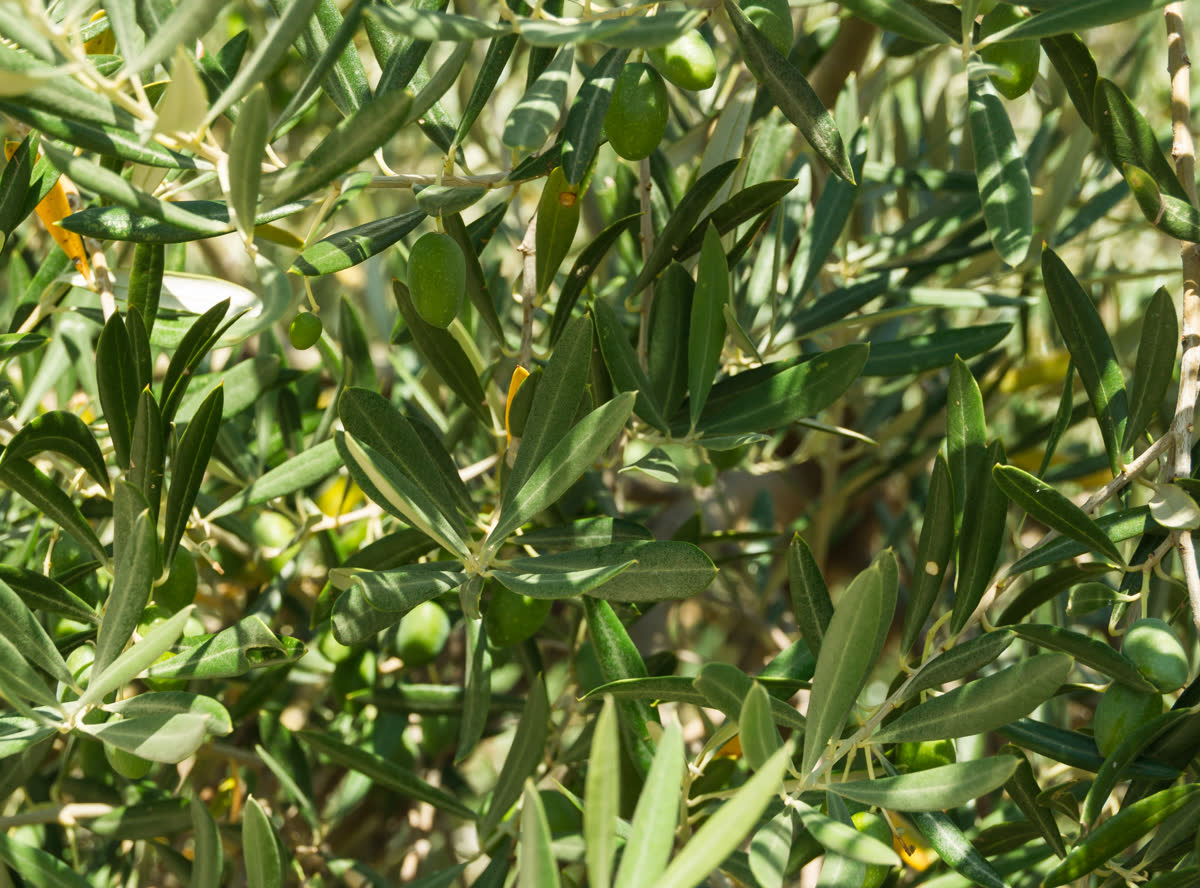
- Almonds in a tree, Andalusia, SpainWikimedia Commons · CC0 photograph by Jebulon; cropped and resized to 1,200 pixels wide.
General information, not medical advice. Food does not replace influenza vaccination or treatment. If you have a nut allergy, do not eat almonds; if you have questions about vaccination, immune conditions or medicines, speak with your doctor.
Analysis by NutroPractic from the sources listed. Written for general readers; it does not replace advice from your own doctor.
From our articles
Read, then eat a little better
Plain-language guides on nutrition and wellness, backed by research.
Everyday eating
Fruit juice and smoothies for children and adults: how much counts, and what the AAP and NHS limits are based on
None under 1, 120 ml at 1 to 3, 150 ml for British adults, 250 ml for older Indian children. The limits side by side, sugar per glass against whole fruit, what the cohort studies on weight and diabetes found, and why smoothies are a closer call.
3 Nov 2026
Everyday eating
Serving sizes on food labels: why the numbers on the pack rarely match what you eat, and how to recalculate them
Adults in one UK test poured about 95 g of granola against a 45 g serving. Tropicana lists 150 ml in Britain and 240 ml in the US. What the FDA, EU and Indian rules require, and worked sums for cereal, crisps and peanut butter.
3 Nov 2026
Everyday eating
Food label claims decoded: 'no added sugar', 'multigrain', 'natural' and 'high protein'
A no-added-sugar biscuit with only 13% fewer calories. A 7-grain loaf with refined flour listed first. A 'high protein' bar that clears the legal line at 21%. What each claim legally requires in the EU/UK, US and India, with worked reads of real packs.
2 Nov 2026
Newsfeed for your website
Want this feed on your website?
Add it to any site with one copy-and-paste snippet. No sign-up, and it updates itself every hour.
Start with a virtual consultation
Tell Dr. Triveni what you want to change. You will leave with a clear next step, whether you are in Toronto, London, New York or Chennai.