Climate and nutrition · November 4, 2026
Climate and nutrition research counted 78 studies. Only 3.8% examined the food environment, while half studied child stunting
Rainfall, heat and extreme weather were repeatedly linked with children's growth and food insecurity. But this new evidence map also shows how narrow the map is: most studies focused on young children in Africa, and very few asked what happened to food shops, prices or access.
When rain arrives late, a heatwave lasts or a flood cuts a road, the nutrition effect can travel through harvests, prices, household income and the food within reach. A scoping review published in Current Nutrition Reports on 29 October 2026 mapped 78 studies that connected climate variability or extreme weather with body measurements, food security or the food environment.
The research was concentrated in a small part of that chain. Half of the studies were conducted in Africa, 82% focused on children under five and 50% studied child stunting. Rainfall or temperature variability appeared in 71.7% of the studies, while 35.8% examined extreme events. Across the literature, unusual rainfall was associated with stunting and greater food insecurity; higher average temperatures and heatwaves were linked with lower weight-for-height, weight-for-age or birth weight in most of the studies that examined those outcomes.
Those patterns do not amount to one pooled effect size or prove that every hot spell causes a child to lose weight. This was a scoping review: its purpose was to show what has been studied and what the studies reported, not to combine comparable trials or establish a single causal estimate. The included work used different populations, exposures and outcomes, so a percentage describing the literature is not the same thing as a percentage describing a person's risk.
The gaps may be the most useful result. Only 12.8% of the studies addressed food security and just 3.8% examined the food environment — the availability, affordability and surroundings that shape what people can buy and eat. Nearly half of the included studies had been published since 2021, yet evidence remained heavily weighted toward child undernutrition rather than obesity, adult nutrition, food access or how several disadvantages overlap.
The grounded takeaway is not a new diet rule. It is that nutrition planning for climate shocks needs better local information: not only children's height and weight, but whether food remains available, affordable and reachable, and which households are most exposed. The review found recurring warning signals, while also showing that large parts of the route from weather to the dinner table are still poorly measured.
What the 29 October 2026 scoping review found in the research record
78
Studies included in the evidence map
50.0%
Studies conducted in Africa
82.0%
Studies focused on children younger than five
71.7%
Studies examining rainfall and/or temperature variability
12.8%
Studies addressing food security
3.8%
Studies addressing the food environment
These percentages describe the mix of studies in a scoping review, not the prevalence of malnutrition or the size of an individual's risk. Categories can overlap: for example, a study could examine climate variability and an extreme event. The review mapped associations and research gaps rather than pooling one effect estimate.
- A scoping review maps the breadth and gaps of a research field; unlike a meta-analysis, it does not necessarily combine results into one numerical effect.
- The food environment includes what food is available, affordable and accessible, as well as the places and conditions in which people choose it.
- Stunting means low height for age. It reflects impaired growth over time and is not a measure of a short-term change after one weather event.
- 47.4% of the studies in the review were published after 2021, showing how quickly this research area has grown.
- The authors reported no competing interests; the work was supported by Brazilian public research funding.
- Climate Events, Food Environment, and Nutritional Outcomes: A Scoping ReviewCurrent Nutrition Reports, 29 October 2026 · Primary open-access review; study count, geographic and age distribution, exposures, outcomes and limitations checked against the journal record.
- PubMed record 42955170US National Library of Medicine · Bibliographic record and abstract used to cross-check publication date and reported percentages.
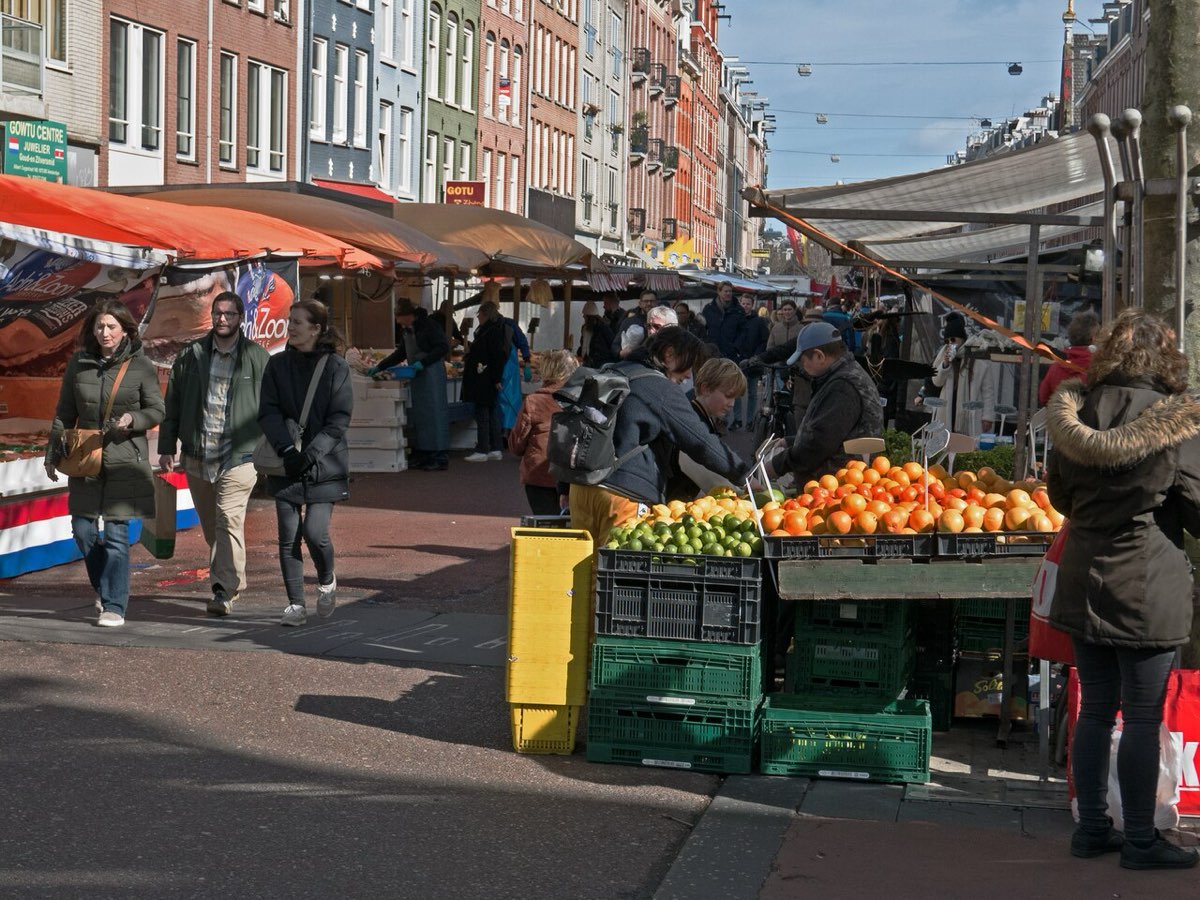
- Fruit stall at the Albert Cuyp market in AmsterdamWikimedia Commons · CC0 photograph by Fons Heijnsbroek; reused as a general illustration of a food environment.
General information, not medical advice. Climate events affect communities differently; local public-health, food-security and medical guidance should be used during heatwaves, floods, droughts or other emergencies.
Analysis by NutroPractic from the sources listed. Written for general readers; it does not replace advice from your own doctor.
From our articles
Our guides on this subject
Plain-language guides on nutrition and wellness, backed by research.
Global data
Diabetes, obesity, child malnutrition and hunger, 1980 to 2050: what the numbers show
How diabetes, obesity, child malnutrition and hunger have changed since 1980, with sourced figures and a basic projection to 2050. Click a condition to explore the chart and its facts.
5 Oct 2026
Everyday eating
Fruit juice and smoothies for children and adults: how much counts, and what the AAP and NHS limits are based on
None under 1, 120 ml at 1 to 3, 150 ml for British adults, 250 ml for older Indian children. The limits side by side, sugar per glass against whole fruit, what the cohort studies on weight and diabetes found, and why smoothies are a closer call.
3 Nov 2026
Everyday eating
Serving sizes on food labels: why the numbers on the pack rarely match what you eat, and how to recalculate them
Adults in one UK test poured about 95 g of granola against a 45 g serving. Tropicana lists 150 ml in Britain and 240 ml in the US. What the FDA, EU and Indian rules require, and worked sums for cereal, crisps and peanut butter.
3 Nov 2026
Newsfeed for your website
Want this feed on your website?
Add it to any site with one copy-and-paste snippet. No sign-up, and it updates itself every hour.
Start with a virtual consultation
Tell Dr. Triveni what you want to change. You will leave with a clear next step, whether you are in Toronto, London, New York or Chennai.