Newsfeed
Nutrition research, analysed
A new analysis every hour. Each one covers a recent study or report: What was found, the numbers behind it and the sources to check. We write about research from the last two weeks, not the news of the day.
Women's health · November 4, 2026
A 12-week postbiotic trial enrolled 121 women. Its main mood result was negative — the hopeful menopause findings came from a subgroup
The tablet changed two blood markers, but did not beat placebo for mood, total symptoms or sleep across the full group. Hot flashes improved only in a prespecified slice of the trial, and that signal did not survive a second statistical approach.
Read the analysis
Healthy ageing · November 4, 2026
38,577 adults started without frailty. Nine years later, higher blood DHA tracked with an 18% lower relative hazard
The omega-3 signal was specific: DHA was associated with lower frailty incidence, while total omega-3 and the non-DHA fraction were not. That makes the result interesting — and far from a prescription for fish-oil capsules.
Read the analysis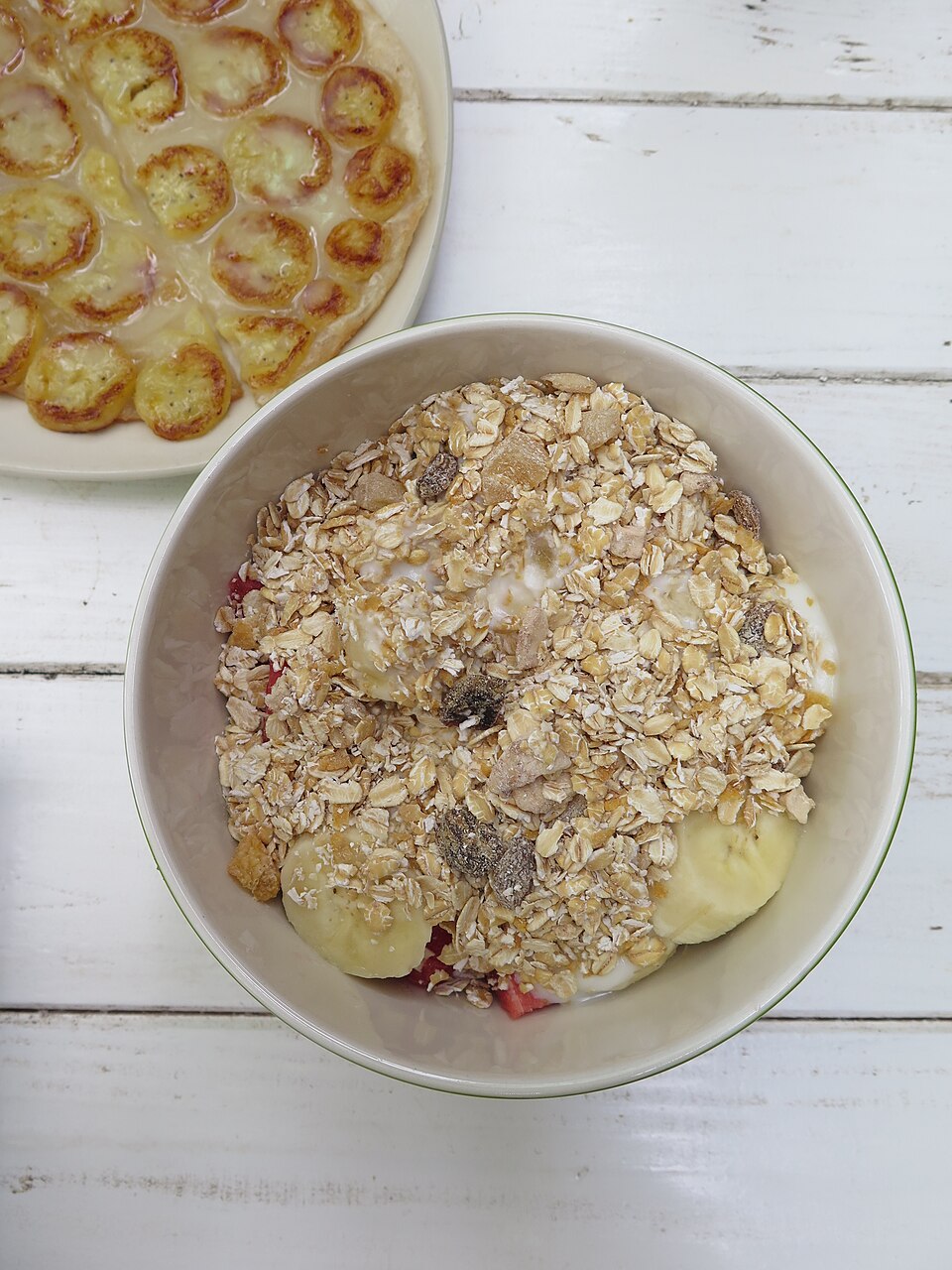
Everyday nutrition · November 4, 2026
Fifteen adults ate four different breakfasts. The low-carb, low-GI plate left them hungriest — but only for four hours
The smallest crossover study can still unsettle a tidy nutrition slogan. Here, a low glycaemic index did not make breakfast more filling, and three appetite hormones looked no different at the final blood draw.
Read the analysis
Children and families · November 4, 2026
One school put red, amber and green labels on its drink menu for two months. Students reported buying less sugar, energy and fat
The colour code was paired with one nutrition lesson, while another school received a standard poster. The result is promising — but the study cannot tell us whether labels alone changed what teenagers chose.
Read the analysis
Women's health · November 4, 2026
Mediterranean-diet scores were almost identical in 177 women with and without endometriosis. One spoonful of the questionnaire stood apart
Seven in ten women in each group cleared the same diet-score threshold. Sofrito was the lone food item to survive the statistical checks — an intriguing result that the researchers themselves treat as a clue, not a prescription.
Read the analysis
Diabetes care · November 4, 2026
A planet-friendly diet tracked with better kidney numbers in 219 people with diabetic foot ulcers. The ulcers did not look different
People whose food came closest to the EAT-Lancet pattern had lower creatinine and urea and a higher estimated filtration rate. It is an intriguing split result from one Iranian clinic — and not evidence that the diet healed a wound or protected a kidney.
Read the analysis
Sports nutrition · November 4, 2026
Two gym shakes, one winner by 0.9 kg of 'muscle'. The authors won't crown it, and the scan may have been counting water too
Thirty-three young men new to the weights trained for eight weeks on a daily sachet, and all of them grew. The gap against the 'placebo' has a simple explanation. The gap between the two recipes is much harder to defend, and two sums in the tables don't add up.
Read the analysis
Healthy ageing · November 4, 2026
Older adults whose diets had narrowed since about age 60 had the highest death risk of four groups. They did not clearly lose capacity any faster
A ten-year Chinese study of 16,068 people asked how often they ate eight foods, then and now. The signal for survival held up better than the signal for staying able, and the most striking figure in the paper depends on how you sort the diets.
Read the analysis
Blood pressure · November 4, 2026
The DASH diet left a chemical fingerprint: 12 of 15 blood markers differed in one controlled feeding trial
Researchers retested possible DASH-diet markers with measurements that have real units, not just relative signals. Seven matched the earlier laboratory method closely, while links with blood pressure remained clues rather than a clinical test.
Read the analysis
Weight management · November 4, 2026
16:8 or 5:2 fasting? In 68 women, the scale moved with both — and so did muscle mass
A four-week head-to-head trial found more weight and fat loss with 5:2 by the final week. Both groups also ate roughly 540 fewer calories a day and lost a little muscle, which makes the result less about a magic clock than it first appears.
Read the analysis
Climate and nutrition · November 4, 2026
Climate and nutrition research counted 78 studies. Only 3.8% examined the food environment, while half studied child stunting
Rainfall, heat and extreme weather were repeatedly linked with children's growth and food insecurity. But this new evidence map also shows how narrow the map is: most studies focused on young children in Africa, and very few asked what happened to food shops, prices or access.
Read the analysis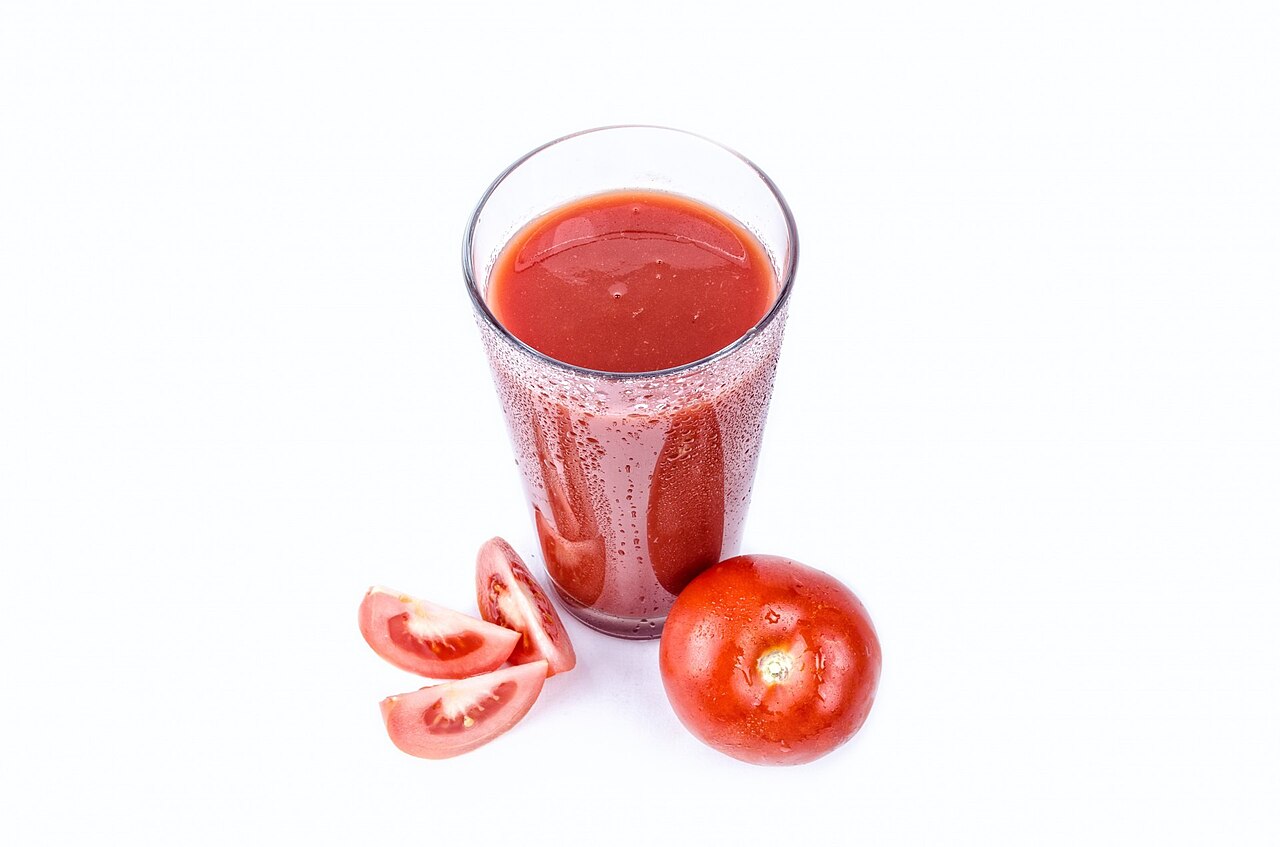
Food science · November 4, 2026
Tomato compounds reached the bloodstream in 11 adults — but more than 99% arrived in a changed form
After about half a litre of tomato juice, researchers tracked a little-studied family of plant compounds for 12 hours. The experiment maps what the body did with them; it does not show that they improve health.
Read the analysisFrom our articles
Read, then eat a little better
Plain-language guides on nutrition and wellness, backed by research.

Women's health
Inositol for PCOS: the 40:1 ratio, trial doses, and food milligrams
Why do randomized trials in polycystic ovary syndrome prioritize the 40:1 myo to D-chiro inositol ratio? Here is the science behind the ovarian epimerase paradox, clinical ovulation and insulin metrics, and why cantaloupe cannot replace 4,000 mg trial powder.
21 Nov 2026

Everyday eating
Extra virgin olive oil polyphenols: the EU health claim, smoke point myths, and cooking stability
Does extra virgin olive oil degrade when cooked? What does the EU 5 mg polyphenol health claim require, how does oleocanthal act like ibuprofen, and why does oxidative stability matter more than smoke point in domestic frying? Here is the clinical and culinary data.
21 Nov 2026

Food and nutrition
L-theanine and caffeine: what cognitive trials measured on sustained attention, and milligrams in matcha vs green tea
Combining L-theanine with caffeine produces clean focus without caffeine jitters. Here is what randomized trials measured on attention-switching, EEG alpha brain waves, and the exact milligrams across ceremonial matcha, culinary powder, gyokuro, and sencha.
20 Nov 2026
Start with a virtual consultation
Tell Dr. Triveni what you want to change. You will leave with a clear next step, whether you are in Toronto, London, New York or Chennai.