Diabetes care · November 4, 2026
A planet-friendly diet tracked with better kidney numbers in 219 people with diabetic foot ulcers. The ulcers did not look different
People whose food came closest to the EAT-Lancet pattern had lower creatinine and urea and a higher estimated filtration rate. It is an intriguing split result from one Iranian clinic — and not evidence that the diet healed a wound or protected a kidney.
A study published in Scientific Reports on 29 October 2026 followed 219 adults with type 2 diabetes and foot ulcers at a Tehran diabetes clinic. At the start, a nutritionist collected three 24-hour food recalls — two weekdays and one public holiday — and researchers scored each person's diet against the EAT-Lancet planetary health pattern. They then compared that score with kidney blood tests and the length, width and depth of the foot ulcer.
After adjustment for measured differences between participants, higher diet scores were associated with lower creatinine and blood urea and a higher estimated glomerular filtration rate, or eGFR. For each 10-point higher score, the reported regression estimates were -0.18 for creatinine, -14.18 for urea and +17.18 for eGFR. The paper's abstract does not make those numbers bedside targets: units, starting values and a person's clinical history are needed to interpret a kidney result.
The wound results went the other way. A 10-point higher diet score was not significantly associated with ulcer length, width or depth. That matters because an appealing story about a healthy diet could easily blur two separate outcomes. The study found a statistical relationship with kidney markers, not smaller diabetic foot ulcers.
It also cannot show that the eating pattern caused the kidney differences. Diet was measured at baseline from recalled food, people were not randomly assigned meals, and people who eat differently may also differ in medicines, diabetes control, income or care in ways an adjusted model cannot fully remove. Kidney function can also shape what clinicians advise someone to eat, so the direction of the relationship is not certain.
For somebody with diabetes and a foot wound, the practical message is not to self-prescribe a high-potassium or high-protein version of any diet. Foot ulcers need prompt clinical wound care, and kidney disease can change which foods and portions are safe. This study is a reason for better trials, not a treatment plan.
The clinic cohort in numbers
219
Adults with type 2 diabetes and a foot ulcer
3
24-hour food recalls at baseline
1 year
Follow-up period described by the study
+17.18
Adjusted eGFR estimate per 10-point higher diet score
-14.18
Adjusted blood-urea estimate per 10-point higher score
No clear link
Ulcer length, width or depth
Regression estimates come from an observational cohort and are not expected changes from adopting the diet. The reported 95% confidence intervals were -0.33 to -0.03 for creatinine, -22.89 to -5.46 for urea and 3.53 to 30.82 for eGFR; the three ulcer-size associations crossed zero.
- The planetary health diet is a reference pattern rich in vegetables, fruit, whole grains, legumes and nuts, with smaller suggested amounts of many animal-source foods. It was designed around both health and environmental goals.
- eGFR is an estimate of how well the kidneys filter blood. It is calculated from a blood marker such as creatinine together with personal characteristics; one result is interpreted in context and often repeated.
- Three separate 24-hour recalls can describe recent eating better than one recall, but they still may not represent a person's usual diet across seasons.
- A diabetic foot ulcer can worsen without dramatic pain because diabetes may damage sensation. New wounds, redness, swelling, discharge or fever need prompt medical attention.
- A confidence interval crossing zero means the data remain compatible with no association in that model; all three reported ulcer-dimension intervals crossed zero.
- Association between the Planetary Health Diet and foot ulcer size and renal biomarkers among diabetic patients with foot ulcers in a cohort studyScientific Reports, 29 October 2026 · Primary paper; publication date, cohort, dietary assessment, follow-up, adjusted kidney-marker estimates and null ulcer-size results checked against the open journal article.
- Diabetes and Your FeetUS Centers for Disease Control and Prevention · Clinical background on loss of sensation, foot checks and seeking care for diabetic foot problems.
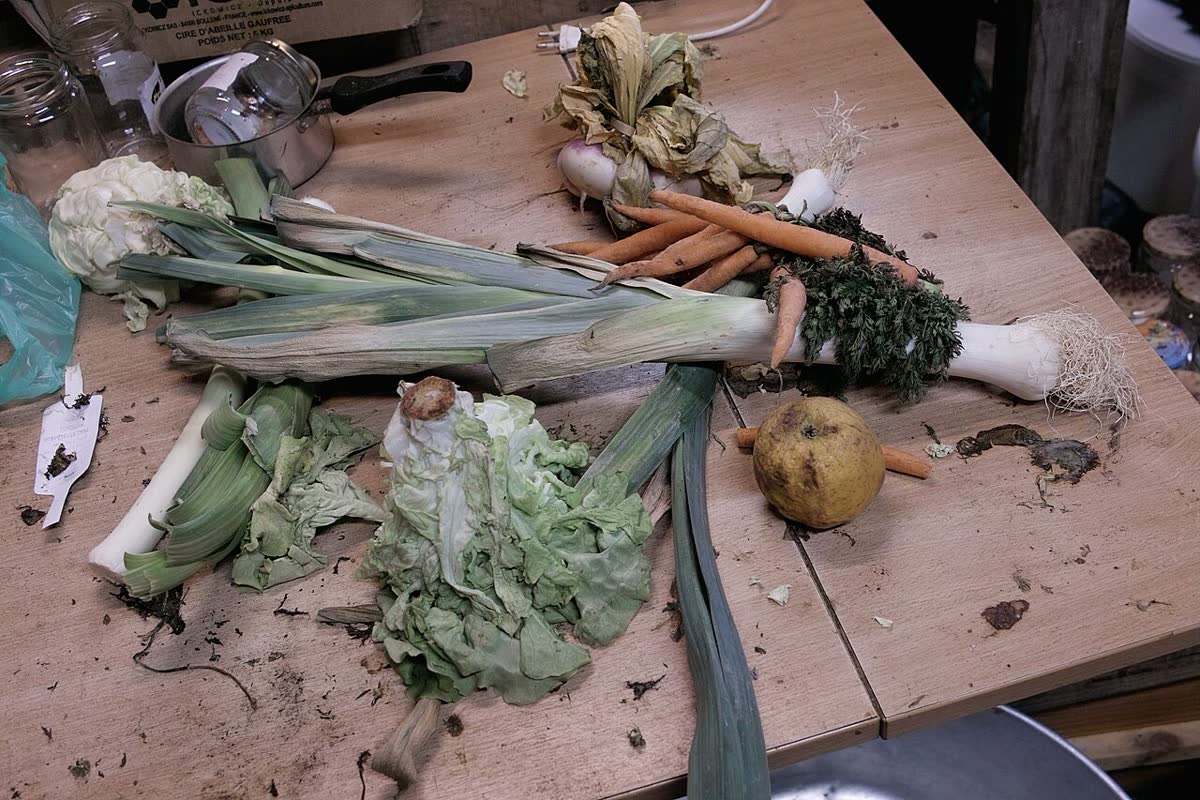
- Des legumes.jpgWikimedia Commons · CC0 photograph by Nicolas Vigier; used as a general illustration.
General information, not medical advice. A diabetic foot ulcer needs prompt professional care, and kidney disease can change safe food and fluid choices. Do not alter diabetes medicines, wound care or a renal diet because of this observational study; speak with your doctor and dietitian.
Analysis by NutroPractic from the sources listed. Written for general readers; it does not replace advice from your own doctor.
From our articles
Our guides on this subject
Plain-language guides on nutrition and wellness, backed by research.
Diabetes
Fenugreek, cinnamon and turmeric for blood sugar: what the trials in an Indian kitchen measured
Fenugreek seed at 5-10 g a day lowered HbA1c by about 0.85 points in pooled trials, and in a 3-year Hyderabad study 23% went on to diabetes against 55%. Cinnamon trims fasting glucose by 15-25 mg/dL, but a teaspoon of cassia tops the coumarin limit. Curcumin: about 0.3-0.4 points, and rare liver injury from capsules. Doses in teaspoons, and a fair way to test it at home.
1 Nov 2026

Diabetes
Potatoes and blood sugar: boiled, cooled, mashed or fried, and what the cohorts and trials found
Fries were linked to 20% higher diabetes risk per three servings a week in 205,000 US adults; boiled, baked and mashed potatoes to almost none. GI by cooking method, resistant starch in grams after chilling, the glycaemic load of a potato against a cup of rice, and how to fit aloo into an Indian plate.
30 Oct 2026
Women's health
PCOS and food: what the diet trials show for cycles, insulin and weight
PCOS affects about one woman in ten, and most are told to "lose weight" with little else. Here is what drives it, why insulin matters even in slim women, how much weight loss brings cycles back, what the low-GI and Mediterranean trials found, what inositol and metformin do, and which tests to ask for.
30 Oct 2026
Newsfeed for your website
Want this feed on your website?
Add it to any site with one copy-and-paste snippet. No sign-up, and it updates itself every hour.
Start with a virtual consultation
Tell Dr. Triveni what you want to change. You will leave with a clear next step, whether you are in Toronto, London, New York or Chennai.