Healthy ageing · November 4, 2026
38,577 adults started without frailty. Nine years later, higher blood DHA tracked with an 18% lower relative hazard
The omega-3 signal was specific: DHA was associated with lower frailty incidence, while total omega-3 and the non-DHA fraction were not. That makes the result interesting — and far from a prescription for fish-oil capsules.
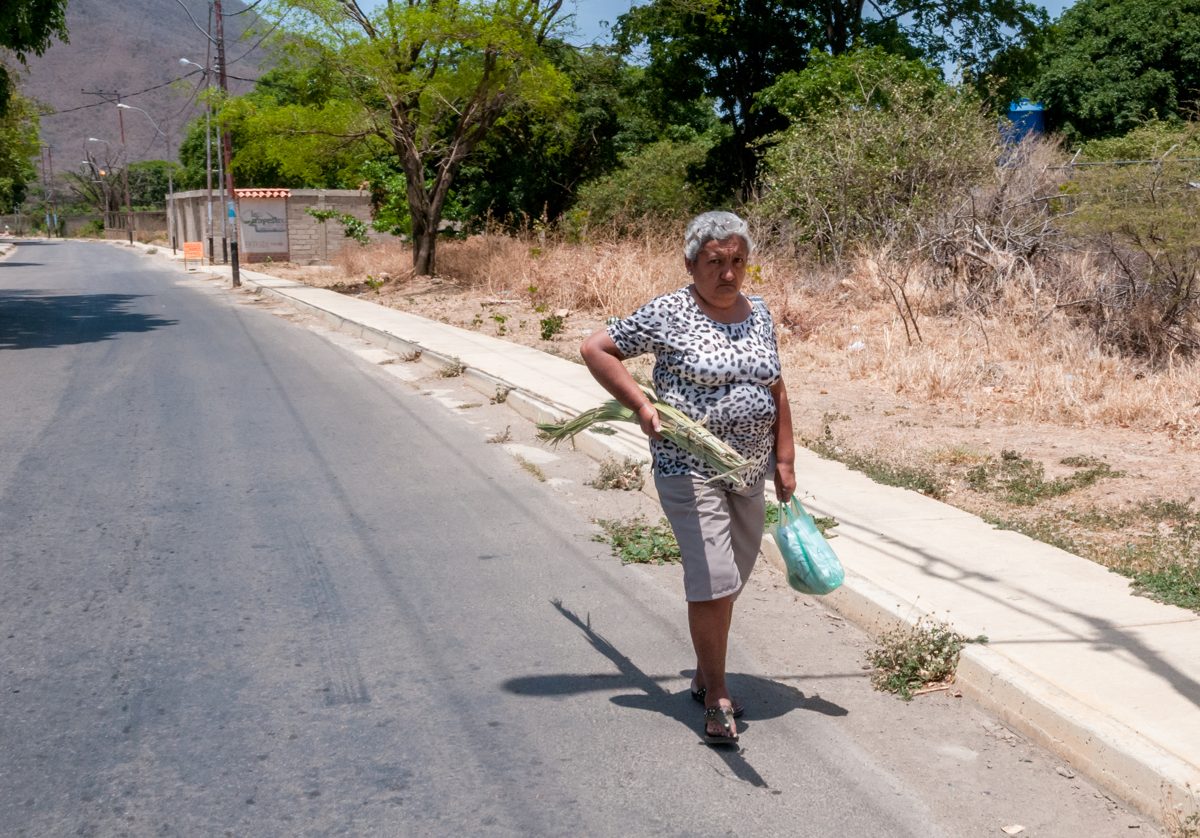
Frailty is not simply a birthday. It is a pattern of reduced reserve that can show up as exhaustion, weak grip, slow walking, low activity and unintentional weight loss. A prospective UK Biobank analysis published on 28 October 2026 asked whether omega-3 fats already circulating in the blood were associated with who developed that pattern years later.
The researchers began with 38,577 adults aged 40 to 69 who did not meet the study's frailty definition at enrolment. Plasma omega-3 fats were measured by nuclear magnetic resonance, and participants were followed for a median of 9.37 years. During that time, 1,024 people — about 2.7% of the cohort — became frail by meeting at least three of the five criteria.
DHA, or docosahexaenoic acid, was the part of the blood measurement that stood out. Across an inter-quintile-range increase in plasma DHA, the adjusted hazard ratio for developing frailty was 0.82. Put plainly, the model estimated an 18% lower relative hazard, with a 95% confidence interval from 3% to 31% lower. Higher DHA was also associated with lower incidence of two individual criteria: low physical activity and exhaustion.
The broader omega-3 labels did not behave the same way. Total plasma omega-3 had an adjusted hazard ratio of 0.91, with a confidence interval from 0.77 to 1.07, while non-DHA omega-3 had a hazard ratio of 0.98, from 0.83 to 1.16. Both intervals crossed 1, so neither association was statistically significant in the adjusted model. That specificity is useful because it argues against turning every omega-3 result into the same claim.
It also does not prove that taking DHA prevents frailty. This was an observational cohort, not a trial that assigned food or supplements. A blood DHA level can reflect diet, supplements, metabolism and other features of a person's health and lifestyle. Statistical adjustment can reduce measured differences between people, but it cannot remove every unmeasured explanation. UK Biobank participants are volunteers, and everyone was 40 to 69 at enrolment, so the result may not carry unchanged to the oldest adults or to other populations.
The practical message is therefore about a research lead, not a dose. Plasma DHA may help identify a group with different long-term frailty risk, but this paper did not test a supplement, compare fish servings or establish a target blood level. Preventing frailty is broader than one nutrient: strength and activity, enough food and protein, medical conditions, medicines and social circumstances can all matter. A clinical trial would be needed to learn whether deliberately raising DHA changes the outcome rather than merely travelling with it.
The DHA signal in the UK Biobank analysis
38,577
Adults aged 40 to 69 who were not frail at enrolment
9.37 years
Median follow-up; maximum follow-up was 13 years
1,024
Participants who developed frailty, about 2.7% of the cohort
HR 0.82
Adjusted frailty hazard per inter-quintile-range increase in plasma DHA
95% CI 0.69–0.97
Confidence interval for the DHA association; p = 0.019
HR 0.91
Total omega-3 association; 95% CI 0.77–1.07, not statistically significant
HR 0.98
Non-DHA omega-3 association; 95% CI 0.83–1.16, not statistically significant
3 of 5
Criteria required: low activity, exhaustion, slow walking, weight loss and low grip strength
Figures are from the paper's abstract. The 2.7% figure is 1,024 divided by 38,577 and is rounded. A hazard ratio is a relative rate over follow-up, not an 18-percentage-point change in absolute risk. The exposure was measured plasma DHA, not an assigned diet or supplement, so the study establishes association rather than causation.
- DHA is a long-chain omega-3 fat found in marine foods and algae; a blood level is not a direct record of one food or supplement.
- An inter-quintile range compares values spanning the middle 60% of a distribution — roughly the 20th to the 80th percentile — rather than comparing the very lowest and highest person.
- A hazard ratio of 0.82 describes the relative event rate over time. It does not mean that 18% of all participants avoided frailty.
- The study required at least three of five criteria for frailty, so a participant with one or two criteria was not counted as frail in the main outcome.
- Only low activity and exhaustion were individually associated with DHA in the reported results; the abstract did not report significant DHA associations for the other three criteria.
- One author disclosed owning stock in a laboratory that offers blood fatty-acid testing; the other authors reported no relevant financial relationships.
- Association between plasma docosahexaenoic acid levels and the incidence of frailty: A prospective analysis of the UK BiobankThe Journal of Nutrition, Health & Aging, 28 October 2026 · Primary open-access cohort study; sample, follow-up, frailty definition, adjusted hazard ratios, confidence intervals and disclosures checked against the published abstract and journal record.
- PubMed record: plasma DHA and incident frailtyUS National Library of Medicine · Publication date, study design, measurement method, outcome criteria and abstract results.
- Old woman walking in San Juan Bautista.jpgWikimedia Commons · CC0 photograph by Wilfredor, reused as a general illustration of mobility in later life.
General information, not medical advice. This observational study did not test fish, algae oil or omega-3 supplements and cannot show that raising DHA prevents frailty. Anyone concerned about weakness, weight loss, exhaustion or supplement interactions should discuss them with a qualified clinician or dietitian.
Analysis by NutroPractic from the sources listed. Written for general readers; it does not replace advice from your own doctor.
From our articles
Our guides on this subject
Plain-language guides on nutrition and wellness, backed by research.
Healthy ageing
Creatine beyond the gym: what it does for older adults and women, and what it doesn't
Across 22 trials, adults in their late fifties to seventies who took creatine while doing resistance training gained about 1.4 kg more lean mass than those who trained without it. Two two-year trials found it did nothing for bone density after menopause. Where the evidence is solid, where it's early (memory, short nights), how much to take, and who should leave it alone.
10 Oct 2026
Women's health
Eating through menopause: what changes for your bones, muscle and heart, and what to put on the plate
Around the final period, bone density at the spine drops by about 2% a year and LDL cholesterol jumps within a year or two. Hot flushes get the attention, but these quieter changes are where food and strength training do the most. Targets for protein, calcium and vitamin D, an honest look at soy, and a week you can start on Monday.
8 Oct 2026
Weight-loss medicines
Eating on Ozempic, Wegovy or Mounjaro: protein first, so the weight you lose isn't your muscle
GLP-1 medicines shrink your appetite, and with it often your protein. In the big trials a quarter to more than a third of the weight lost was lean mass. What the 2025 joint nutrition advisory recommends, the arithmetic for your own target, and four small plates that get there.
8 Oct 2026
Newsfeed for your website
Want this feed on your website?
Add it to any site with one copy-and-paste snippet. No sign-up, and it updates itself every hour.
Start with a virtual consultation
Tell Dr. Triveni what you want to change. You will leave with a clear next step, whether you are in Toronto, London, New York or Chennai.