Blood pressure · November 4, 2026
The DASH diet left a chemical fingerprint: 12 of 15 blood markers differed in one controlled feeding trial
Researchers retested possible DASH-diet markers with measurements that have real units, not just relative signals. Seven matched the earlier laboratory method closely, while links with blood pressure remained clues rather than a clinical test.
A food diary depends on memory. A blood sample may eventually offer a more objective clue to what someone has eaten. Researchers reporting in The Journal of Applied Laboratory Medicine on 2 November 2026 revisited blood samples from two classic controlled feeding studies, the DASH trial and DASH-Sodium, to see whether 15 candidate metabolites could reliably distinguish the DASH eating pattern from a control diet.
The important step was measurement. Earlier work had found the compounds with untargeted metabolomics, a broad laboratory scan that reports signals in relative units. The new study used targeted assays that measured actual serum concentrations. In the 216-person DASH sample, seven metabolites measured by the two methods lined up very closely, with correlation coefficients from 0.91 to 0.99.
The DASH intervention produced significantly different absolute concentrations for 12 of the 15 metabolites compared with the control diet. N-methylproline rose the most, while theobromine fell. Ten of the candidate markers also differed by diet in the 345-person DASH-Sodium sample. That partial repeat in a second controlled feeding trial strengthens the case that a group of compounds, rather than one magic marker, can reflect the eating pattern.
The researchers also found eight significant interactions linking metabolite levels, diet assignment and changes in systolic or diastolic blood pressure across both trials. That does not turn the markers into a diagnostic test or show that changing one compound will lower blood pressure. Metabolites can reflect several foods and biological processes, and this analysis reused stored samples from trials designed for broader dietary questions.
For now, the result is mainly a research tool. Better objective markers could help future studies check whether people actually followed a dietary pattern and explore how it affects blood pressure without relying only on questionnaires. It does not replace blood-pressure measurement, medical care or the practical DASH emphasis on vegetables, fruit, whole grains and lower-sodium choices.
What the targeted assays found
15
Candidate serum metabolites measured
216
Participants represented from the DASH trial
345
Participants represented from DASH-Sodium
7
Markers strongly correlated across laboratory methods
0.91–0.99
Correlation range for those seven markers
12 / 10
Markers differing by diet in DASH / DASH-Sodium
These are biomarker findings from stored serum in two controlled feeding trials, not thresholds for diagnosing diet quality or predicting an individual's blood-pressure response. The paper reports significant diet differences for 12 metabolites in DASH and 10 in DASH-Sodium.
- Targeted metabolomics measures chosen compounds in absolute concentrations; untargeted metabolomics scans broadly and often reports relative signal intensity.
- N-methylproline showed the largest increase with the DASH intervention in the new analysis.
- Theobromine, a compound found in cocoa and chocolate, decreased with the DASH intervention; a marker can reflect foods that were eaten less often as well as foods eaten more often.
- A correlation close to 1 means two measurement methods rank samples very similarly. It does not mean the metabolite itself causes the dietary effect.
- Controlled feeding trials provide participants' food, reducing uncertainty about what was eaten compared with a usual self-reported diet study.
- Targeted Metabolites Associated with the Dietary Approaches to Stop Hypertension (DASH) Diet and Blood Pressure Changes in the DASH and DASH-Sodium Feeding TrialsThe Journal of Applied Laboratory Medicine, 2 November 2026 · Primary study; publication date, samples, assay comparison, metabolite counts, correlations and blood-pressure interaction results checked against the journal abstract.
- DASH Eating PlanUS National Heart, Lung, and Blood Institute · Authoritative background on the foods and blood-pressure purpose of the DASH eating pattern.
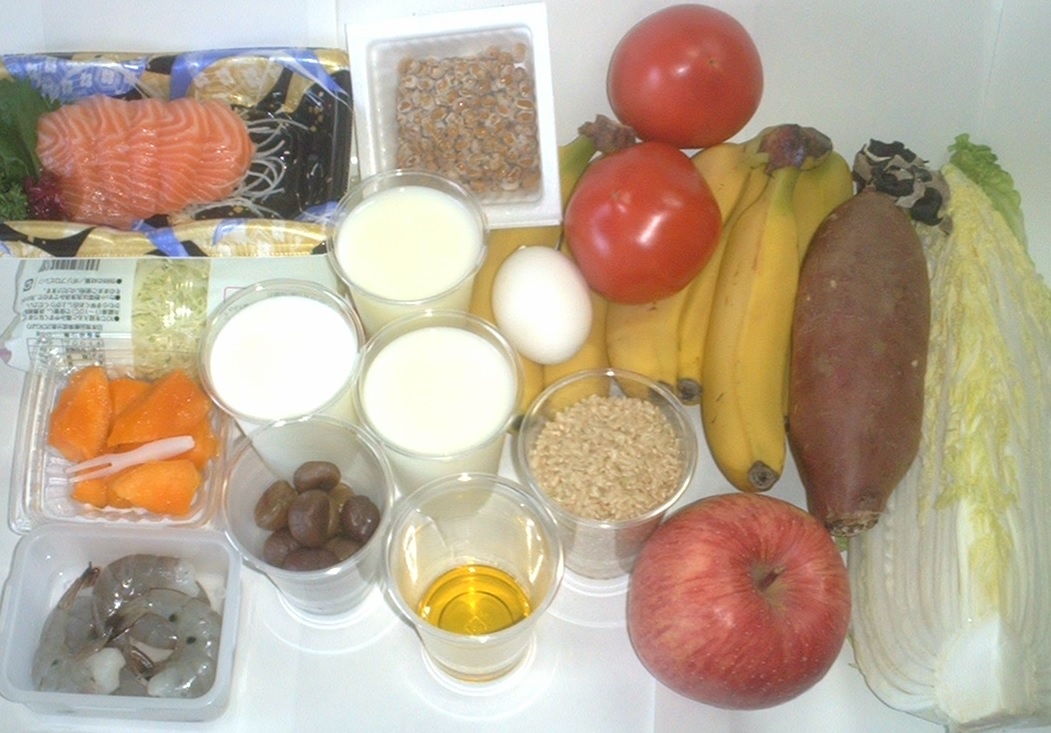
- DASH mealWikimedia Commons · CC BY-SA 4.0 photograph by Yamada25; reused as a general illustration.
General information, not medical advice. Do not use a research biomarker to judge your diet or change blood-pressure medicines; discuss dietary changes and blood-pressure care with your doctor or dietitian.
Analysis by NutroPractic from the sources listed. Written for general readers; it does not replace advice from your own doctor.
From our articles
Our guides on this subject
Plain-language guides on nutrition and wellness, backed by research.
Micronutrients
Iodine: the nutrient that plant-based milks and sea salt left out
Iodine runs the thyroid and builds a baby's brain, and in the UK, much of Europe and parts of North America women of childbearing age are now mildly short of it. The reason is often a healthy-looking swap: oat milk for dairy, sea salt for table salt. Where iodine comes from, who needs more, and the seaweed trap.
30 Oct 2026
Heart health
Coffee and your heart: what the trials found on rhythm, blood pressure and sleep
For years people with palpitations or atrial fibrillation were told to give up coffee. Two randomised trials and cohorts of half a million people now point the other way, with three real exceptions: sleep, very high blood pressure and how the coffee is brewed.
30 Oct 2026
Kidney health
Kidney stones and food: calcium, oxalate, salt, citrate and how much to drink
After a kidney stone, most people are told to cut out dairy. A five-year trial showed that low-calcium diets make calcium stones more likely to come back, not less. Here is what the evidence supports: how much to drink, why calcium belongs with meals, the few high-oxalate foods that matter, salt, meat, lemons, and the 24-hour urine test.
18 Oct 2026
Newsfeed for your website
Want this feed on your website?
Add it to any site with one copy-and-paste snippet. No sign-up, and it updates itself every hour.
Start with a virtual consultation
Tell Dr. Triveni what you want to change. You will leave with a clear next step, whether you are in Toronto, London, New York or Chennai.