Everyday nutrition · November 4, 2026
Fifteen adults ate four different breakfasts. The low-carb, low-GI plate left them hungriest — but only for four hours
The smallest crossover study can still unsettle a tidy nutrition slogan. Here, a low glycaemic index did not make breakfast more filling, and three appetite hormones looked no different at the final blood draw.
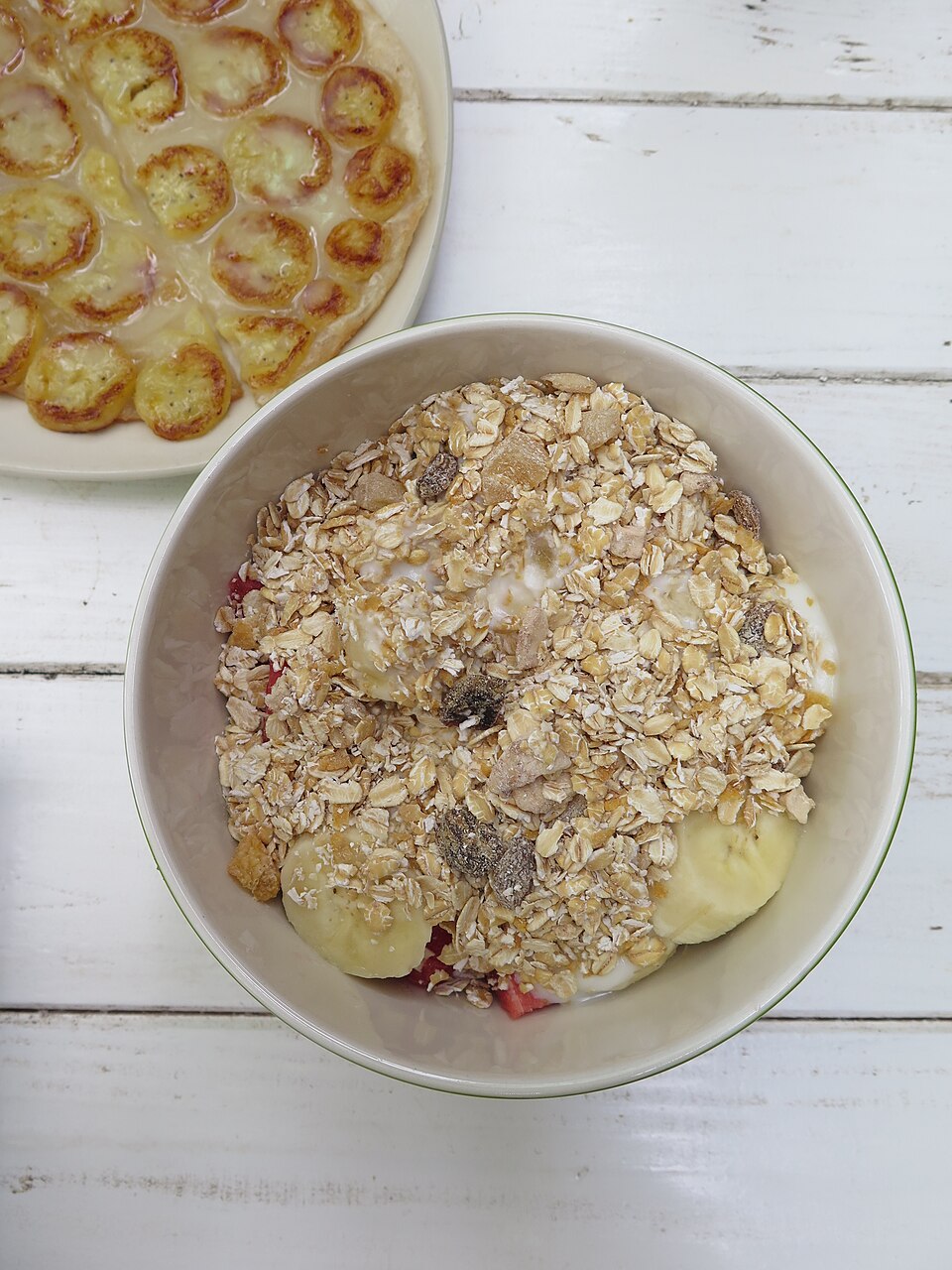
Breakfast advice often treats a lower glycaemic index as shorthand for staying full. A small controlled-feeding study published in Nutrients on 31 October 2026 produced a less convenient result. Fifteen healthy adults aged 19 to 25 ate four test breakfasts on separate days: higher- or lower-carbohydrate meals, each made with either low- or high-GI foods.
Carbohydrate supplied 65% of energy in the higher-carbohydrate meals and 45% in the lower-carbohydrate meals. The low-GI breakfasts used values of 55 or below; the high-GI breakfasts were above 70. Participants repeatedly rated fullness, hunger, desire to eat and how much they thought they could eat for four hours after each meal.
Across the breakfasts, the low-GI versions produced lower accumulated fullness than the high-GI versions. The combination that looked best on both labels — lower carbohydrate and lower GI — produced the highest accumulated hunger and prospective-eating scores of the four. Those interaction tests had p values of 0.0178 and 0.0153, respectively.
Three appetite-related hormones did not explain that pattern. Ghrelin, GLP-1 and GIP concentrations measured before breakfast and again at 240 minutes were similar across all four meals. That is not the same as showing the hormones never differed: with no intermediate hormone measurements, a rise or fall earlier in the morning could have been missed.
This is a useful challenge to simple food rules, not a breakfast prescription. Fifteen young, healthy people are too few to settle what works across ages or in diabetes, and this paper is an exploratory secondary analysis rather than a trial designed around a clinical outcome. The study measured one morning after standardised meals; it did not measure later snacking, daily energy intake or weight change. What a meal contains beyond its carbohydrate percentage and GI still matters, and the response may be different in ordinary life.
Four breakfasts, one short morning
15 adults
Healthy participants aged 19 to 25 in the crossover analysis
4 breakfasts
Each participant tested the four carbohydrate-by-GI combinations
45% vs 65%
Share of breakfast energy from carbohydrate
GI ≤55 vs >70
Low- and high-glycaemic-index meal definitions
240 minutes
Window used to total the subjective appetite ratings
p = 0.0178
Meal interaction for hunger; p = 0.0153 for prospective eating
3 hormones
Ghrelin, GLP-1 and GIP were similar between meals at 240 minutes
Figures come from the paper's abstract. This was an exploratory secondary analysis with a very small young-adult sample. Hormones were measured only while fasting and at 240 minutes, and the study did not test later food intake or long-term health outcomes.
- A crossover design lets every participant try every meal, so each person partly serves as their own comparison.
- Glycaemic index ranks carbohydrate foods by the blood-glucose response to a fixed amount of available carbohydrate; it does not describe the whole meal by itself.
- GLP-1 and GIP are released from the gut after eating and help coordinate insulin secretion, while ghrelin is often described as a hunger signal.
- Prospective eating is a rating of how much food someone thinks they could eat; it is not a record of what they actually ate later.
- A statistically detectable appetite-rating difference in 15 people does not establish that one breakfast pattern causes weight loss or weight gain.
- Effects of Breakfasts with Different Carbohydrate Contents and Glycemic Index Values on Postprandial Subjective Satiety and Plasma Gut Hormone Concentrations in Healthy AdultsNutrients, 31 October 2026 · Primary open-access study; design, meal definitions, sample, appetite results, hormone results and limitations checked against the published abstract.
- Glycaemic index and diabetesDiabetes UK · General explanation that GI is one property of carbohydrate-containing foods and does not by itself make a food healthy or unhealthy.
- Healthy Breakfast (Unsplash).jpgWikimedia Commons · CC0 photograph by Federica Diliberto, reused as a general breakfast illustration.
General information, not medical advice. This one-morning study in 15 healthy young adults does not establish the best breakfast for weight control, diabetes or any medical condition. Anyone managing blood glucose, appetite symptoms or an eating disorder should seek individual advice from a qualified clinician or dietitian.
Analysis by NutroPractic from the sources listed. Written for general readers; it does not replace advice from your own doctor.
From our articles
Read, then eat a little better
Plain-language guides on nutrition and wellness, backed by research.
Everyday eating
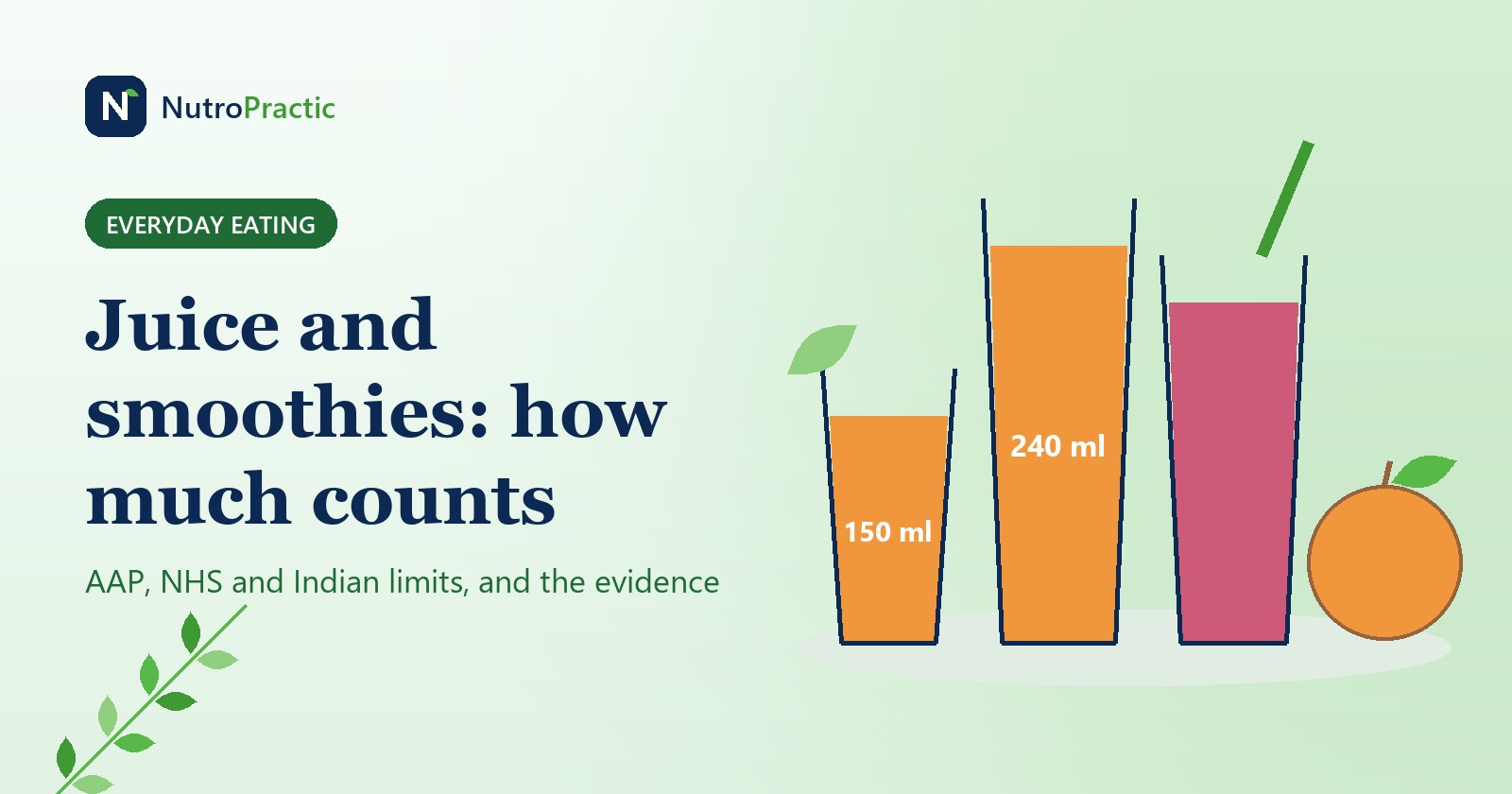
Fruit juice and smoothies for children and adults: how much counts, and what the AAP and NHS limits are based on
None under 1, 120 ml at 1 to 3, 150 ml for British adults, 250 ml for older Indian children. The limits side by side, sugar per glass against whole fruit, what the cohort studies on weight and diabetes found, and why smoothies are a closer call.
3 Nov 2026
Everyday eating
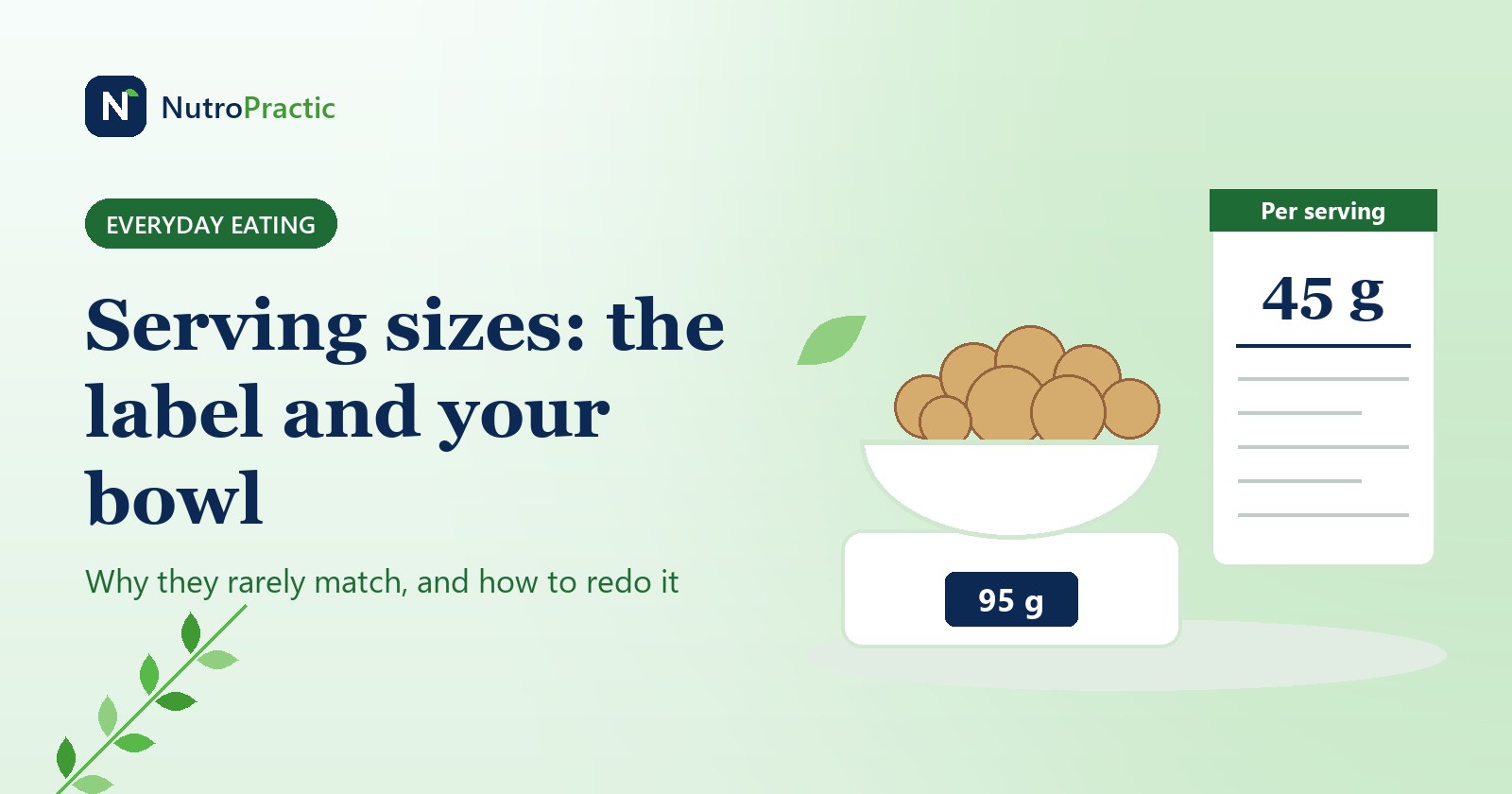
Serving sizes on food labels: why the numbers on the pack rarely match what you eat, and how to recalculate them
Adults in one UK test poured about 95 g of granola against a 45 g serving. Tropicana lists 150 ml in Britain and 240 ml in the US. What the FDA, EU and Indian rules require, and worked sums for cereal, crisps and peanut butter.
3 Nov 2026
Everyday eating
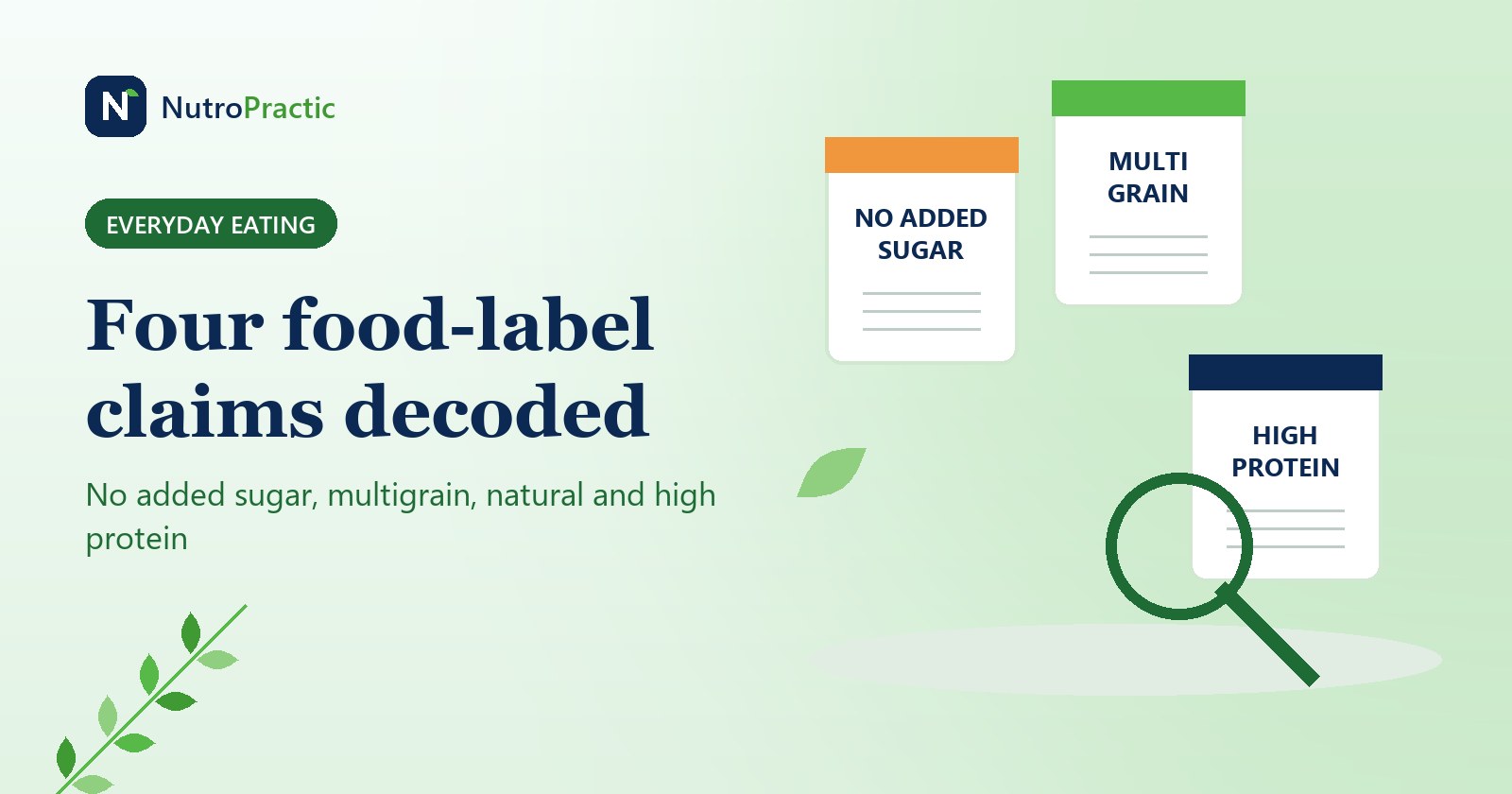
Food label claims decoded: 'no added sugar', 'multigrain', 'natural' and 'high protein'
A no-added-sugar biscuit with only 13% fewer calories. A 7-grain loaf with refined flour listed first. A 'high protein' bar that clears the legal line at 21%. What each claim legally requires in the EU/UK, US and India, with worked reads of real packs.
2 Nov 2026
Newsfeed for your website
Want this feed on your website?
Add it to any site with one copy-and-paste snippet. No sign-up, and it updates itself every hour.
Start with a virtual consultation
Tell Dr. Triveni what you want to change. You will leave with a clear next step, whether you are in Toronto, London, New York or Chennai.