Women's health · November 4, 2026
Mediterranean-diet scores were almost identical in 177 women with and without endometriosis. One spoonful of the questionnaire stood apart
Seven in ten women in each group cleared the same diet-score threshold. Sofrito was the lone food item to survive the statistical checks — an intriguing result that the researchers themselves treat as a clue, not a prescription.
Diet advice around endometriosis can become restrictive quickly. A study published in Nutrients on 31 October 2026 tested a quieter question: could a short Mediterranean-diet questionnaire distinguish women with diagnosed endometriosis from women without it, once their ages were reasonably comparable? Researchers surveyed 177 women in Spain — 77 members of an endometriosis patient association and 100 controls recruited from the community.
On the 14-point PREDIMED diet screen, the averages were almost the same: 8.6 in the endometriosis group and 8.5 in the control group. About 70% of each group reached the study's threshold for adequate adherence. Physical activity did not clearly differ after age adjustment either. The study therefore did not find a Mediterranean-diet pattern peculiar to endometriosis.
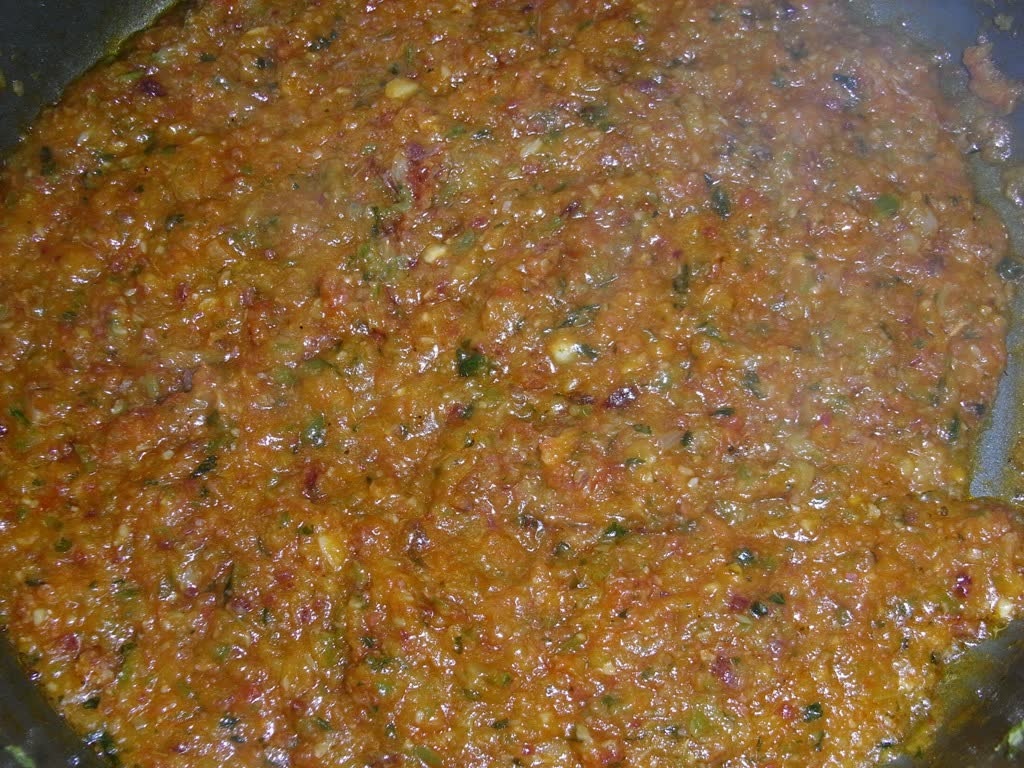
The one food question that held up after correcting for 13 comparisons was sofrito, the slow-cooked mixture of vegetables and olive oil used as a base for many Spanish dishes. Women with endometriosis reported eating it less often. But this was one answer in a cross-sectional survey, not an experiment in which anybody was assigned sofrito, and the paper does not claim that the dish prevents or treats the condition.
How the groups entered the study makes that lone difference especially hard to interpret. The cases came through a patient association and the controls through community recruitment. Women already living with a diagnosis may have changed what they eat, encountered dietary advice or reported their food differently. Geography and culture also differed between the groups. Diagnoses and disease stage were reported by participants rather than checked against medical records.
A machine-learning exercise produced an impressive-looking test-set AUC of 0.90 to 0.93 when symptoms and menstrual quality of life were included. When the researchers limited the model to earlier-life and dietary variables, performance fell to 0.67 in cross-validation and 0.73 in the held-out test set. In other words, the model mostly recognised the burden of an established condition; it was not an early-detection or risk tool.
Daytime sleepiness also looked a little higher before adjustment — an average Epworth score of 10.4 versus 8.8 — but the difference was no longer statistically clear after accounting for age. The useful result here is the null one: a brief Mediterranean-diet score and broad activity categories did not separate the groups. That offers no support for diagnosing endometriosis by diet, or for cutting out foods in hopes of treating it. Diet may still matter to an individual's overall health and symptoms, but that requires intervention studies designed to test it.
What the survey actually separated
177
Women surveyed in Spain
77 / 100
Endometriosis cases / community controls
8.6 / 8.5
Average Mediterranean-diet score out of 14
70.1% / 70.0%
Reached the study's adequate-diet threshold
1 of 13
Testable diet items surviving multiple-comparison correction: sofrito
0.67–0.73
AUC when the model used antecedent and dietary variables only
This was a cross-sectional case-control survey. The groups were recruited differently, food and activity were self-reported, and case status was not checked against clinical records. Similarity or difference here cannot show what caused endometriosis or what would improve symptoms.
- Every participant said extra-virgin olive oil was her main culinary fat, so that question could not distinguish the groups at all.
- The PREDIMED-14 is a brief adherence screen. It does not measure portion sizes, nutrients or a person's whole dietary pattern beyond its 14 questions.
- Only 33.9% of all participants scored at least 10 out of 14, even though about 70% cleared the study's lower adequate-adherence threshold of 8.
- The apparent sleepiness gap weakened after age adjustment: the age-adjusted p value was 0.062, just above the study's conventional significance cut-off.
- Within the 77 cases, reported disease stage was not clearly related to diet score, sofrito, sleepiness, body mass index, pain or menstrual quality-of-life measures.
- Mediterranean Diet, Physical Activity, and Sleep in Endometriosis: An Age-Comparable Case-Control Study with Exploratory Machine Learning DiscriminationNutrients, 31 October 2026 (open access, CC BY) · Primary paper; sample, recruitment, diet and activity comparisons, sofrito result, sleep findings, machine-learning analysis and limitations checked against the full text.
- EndometriosisWorld Health Organization · Clinical background on the condition, symptoms, diagnosis and established approaches to care.
- Sofrito.jpgWikimedia Commons · CC BY 2.0 photograph by Javier Lastras; reused as a general illustration.
General information, not medical advice. Diet questionnaires cannot diagnose or rule out endometriosis, and this study did not test a treatment. Persistent pelvic pain, painful periods, pain during sex or fertility concerns deserve assessment by a qualified clinician; discuss major or restrictive diet changes with your doctor or dietitian.
Analysis by NutroPractic from the sources listed. Written for general readers; it does not replace advice from your own doctor.
From our articles
Read, then eat a little better
Plain-language guides on nutrition and wellness, backed by research.
Everyday eating
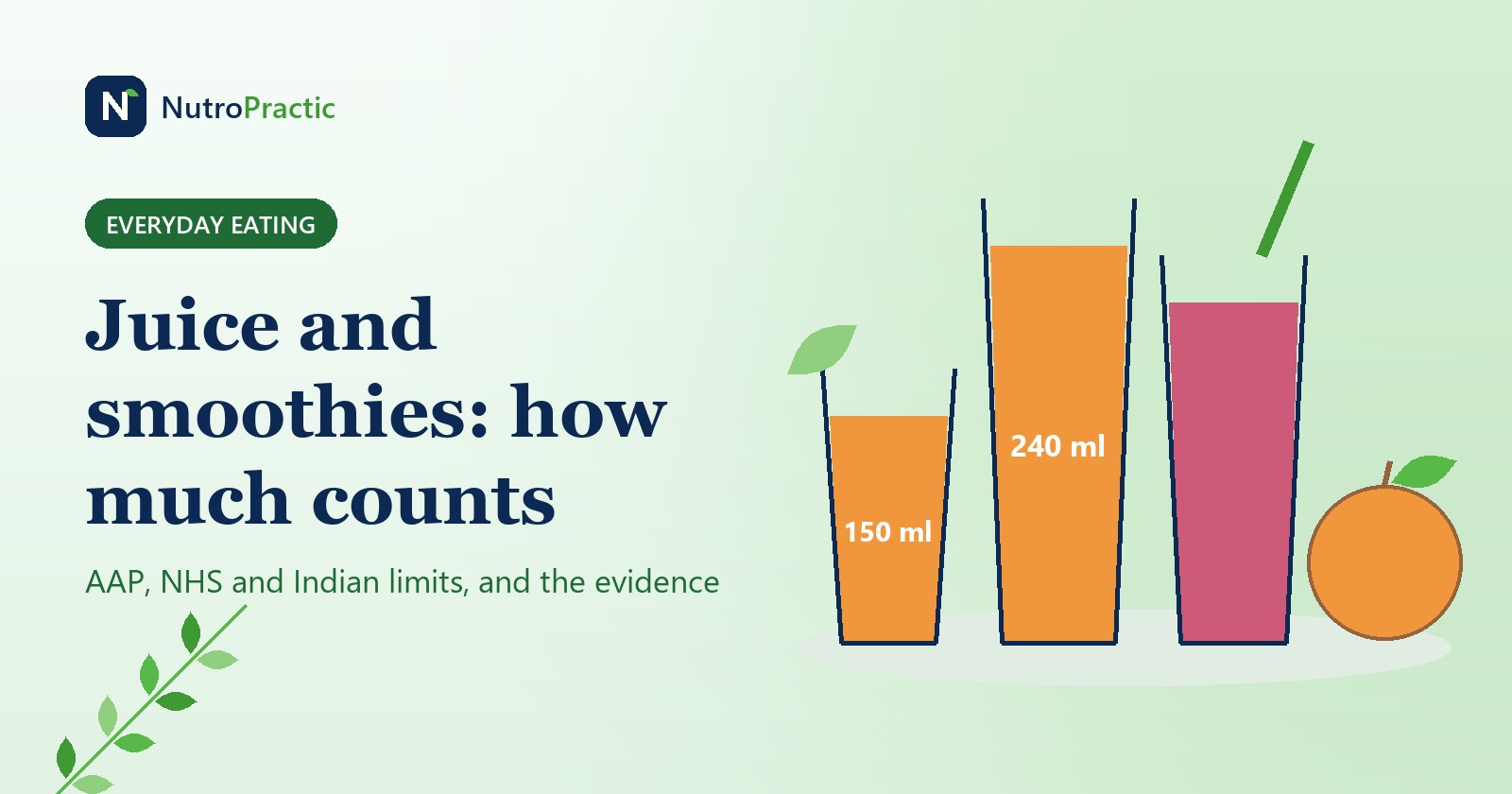
Fruit juice and smoothies for children and adults: how much counts, and what the AAP and NHS limits are based on
None under 1, 120 ml at 1 to 3, 150 ml for British adults, 250 ml for older Indian children. The limits side by side, sugar per glass against whole fruit, what the cohort studies on weight and diabetes found, and why smoothies are a closer call.
3 Nov 2026
Everyday eating
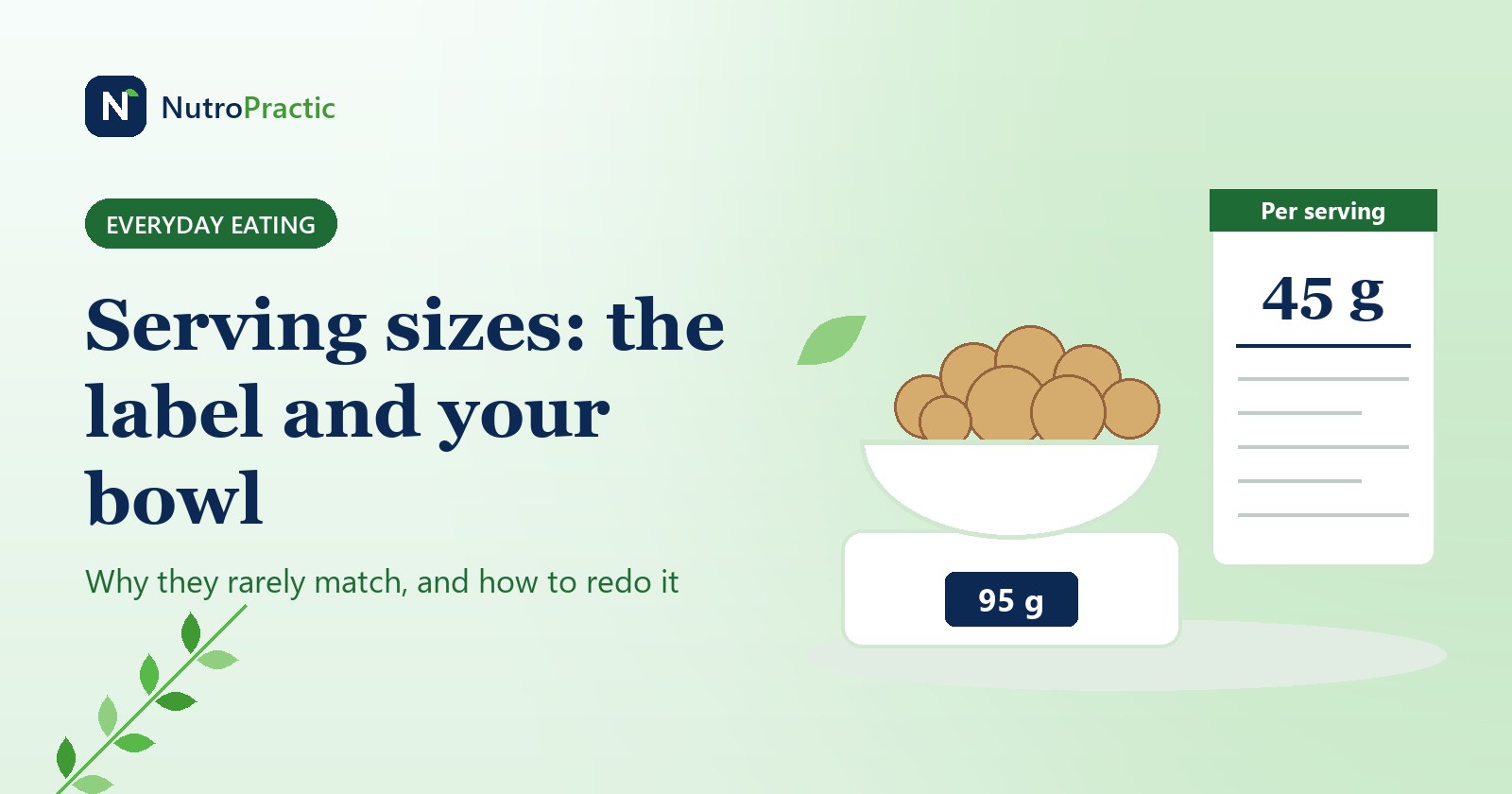
Serving sizes on food labels: why the numbers on the pack rarely match what you eat, and how to recalculate them
Adults in one UK test poured about 95 g of granola against a 45 g serving. Tropicana lists 150 ml in Britain and 240 ml in the US. What the FDA, EU and Indian rules require, and worked sums for cereal, crisps and peanut butter.
3 Nov 2026
Everyday eating
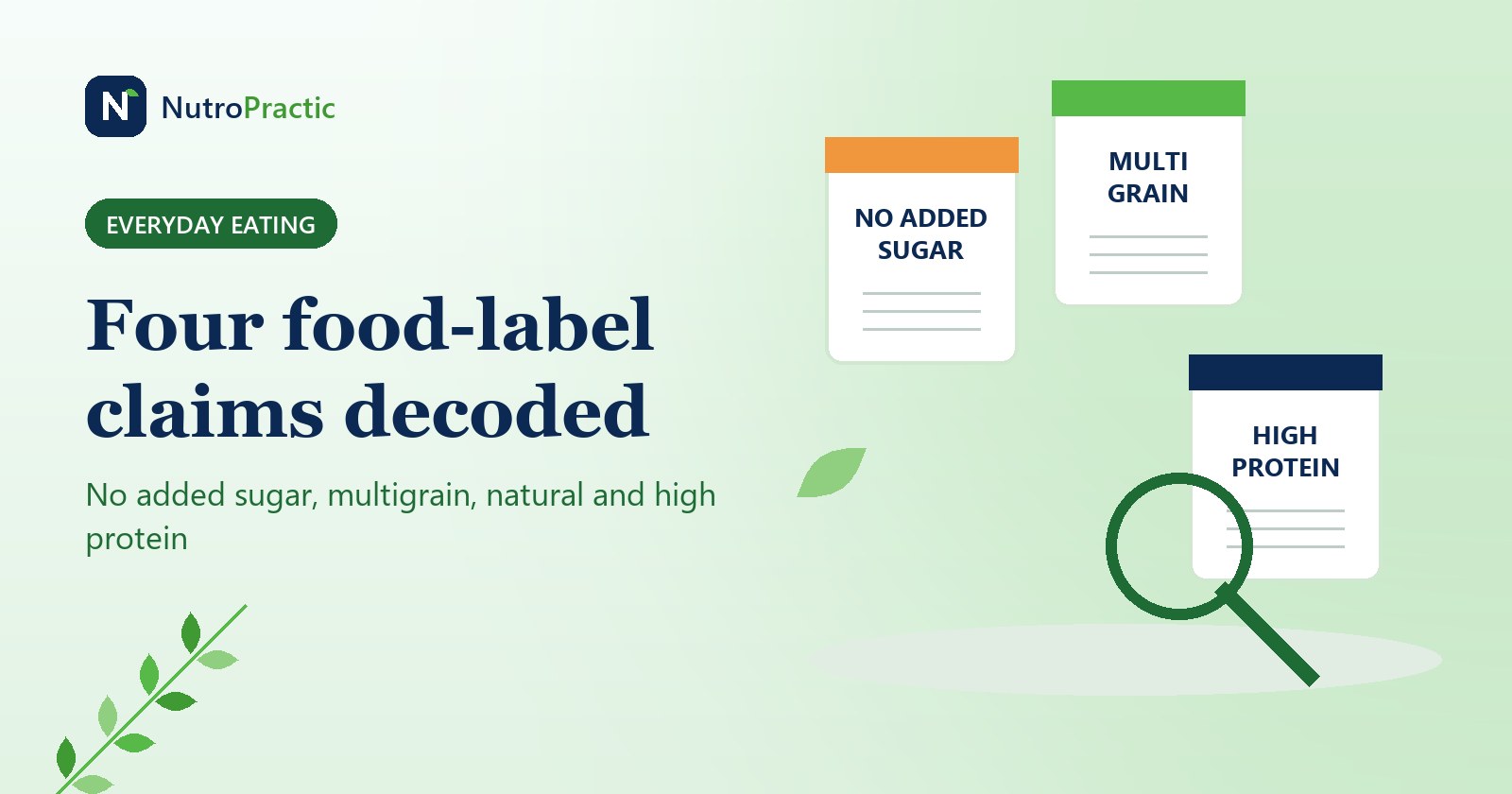
Food label claims decoded: 'no added sugar', 'multigrain', 'natural' and 'high protein'
A no-added-sugar biscuit with only 13% fewer calories. A 7-grain loaf with refined flour listed first. A 'high protein' bar that clears the legal line at 21%. What each claim legally requires in the EU/UK, US and India, with worked reads of real packs.
2 Nov 2026
Newsfeed for your website
Want this feed on your website?
Add it to any site with one copy-and-paste snippet. No sign-up, and it updates itself every hour.
Start with a virtual consultation
Tell Dr. Triveni what you want to change. You will leave with a clear next step, whether you are in Toronto, London, New York or Chennai.